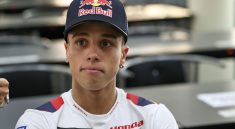
The 2026 MotoGP season is shaping up to be a transitional period, but it quickly reveals far more complex stakes. Marco Bezzecchi, Aprilia’s rider, emphasizes the importance of staying competitive despite the upcoming changes. This challenge could redefine the team’s strategy and influence the championship landscape.
A Packed Technical Context
On paper, the 2026 season was supposed to be calmer technically, with engines frozen and a new regulation set to be adopted the following year. However, the reality is quite different. MotoGP manufacturers, including Aprilia, are exploring every avenue to optimize their performance, even without major engine modifications. This dynamic is crucial in an environment where every detail can make a difference on the track.
A Proactive Approach to Competition
Marco Bezzecchi, who finished the previous season in third place in the riders’ standings, leaves nothing to chance. “I’m not surprised,” he states, referring to Aprilia’s commitment to staying competitive. For him, the goal is not just to maintain the level but to exceed it. This reflects a willingness for continuous innovation, even in an apparently static framework.
A Last Resort Mentality
Bezzecchi mentions an interesting philosophy: “You have to approach each season as if it were the last.” This mentality, far from being a mere catchphrase, represents a necessary mindset in a sport where competition is fierce. By adopting this approach, Aprilia demonstrates that it is not resting on its laurels but is seeking to improve at every turn. This strategy could prove decisive in facing the increasing pressure from competitors like Ducati and Yamaha, who are not hesitant to invest heavily in research and development.
A Decisive Test in Thailand
The preseason tests in Malaysia were intense, and Bezzecchi anticipates an equally demanding weekend in Thailand. This final outing before the championship begins will focus on evaluating new parts and technologies. “It’s going to be very busy. We have a lot to try,” he warns. The fact that these tests are concentrated over a short period underscores the urgency to validate improvements before facing competition on the track.
The Technical Challenges of the RS-GP
The RS-GP, while promising, still needs to progress in several areas. Bezzecchi clarifies that it’s not just one aspect that needs improvement, but a multitude of small details. “We need to improve a little everywhere,” he explains. This quest for perfection in an environment where margins are minimal is revealing of Aprilia’s mindset: a team that refuses to settle for mediocre results.
Toward a Regulatory Revolution
By 2027, major regulatory changes are expected. These developments could disrupt the established order in MotoGP. By anticipating these transformations and continuing to refine their machine, Aprilia is strategically positioning itself to take advantage of the new regulations. In a world where performance is often measured to the thousandth of a second, every technical advancement can have a significant impact on the final standings.
Conclusion: An Uncertain Yet Promising Future
For Aprilia and Marco Bezzecchi, the 2026 season is much more than just a step toward a new regulation. It’s a pivotal moment that could define their place in the MotoGP elite. The ability to innovate and adapt to changing conditions will be crucial in the years to come. As competition intensifies and rules evolve, Aprilia seems ready to rise to the challenge, but it remains to be seen whether these efforts will pay off on the track.
In Summary
- The 2026 season is marked by an engine freeze, but a continuous search for optimization.
- Marco Bezzecchi advocates for a proactive and competitive approach for Aprilia.
- Tests in Thailand will be crucial to validate new technical improvements.
- Aprilia’s strategy could influence the MotoGP landscape in light of upcoming regulatory changes.
- A quest for perfection across all aspects of the RS-GP is essential to remain competitive.