


Max Verstappen has not held back in criticising the direction Formula 1 is taking with the new regulations set for 2026. His comments have sparked reactions, notably from Stoffel Vandoorne, who defends the idea of coexistence between F1 and Formula E. This debate highlights crucial issues for the future of motorsport, balancing performance, technical complexity, and brand image.
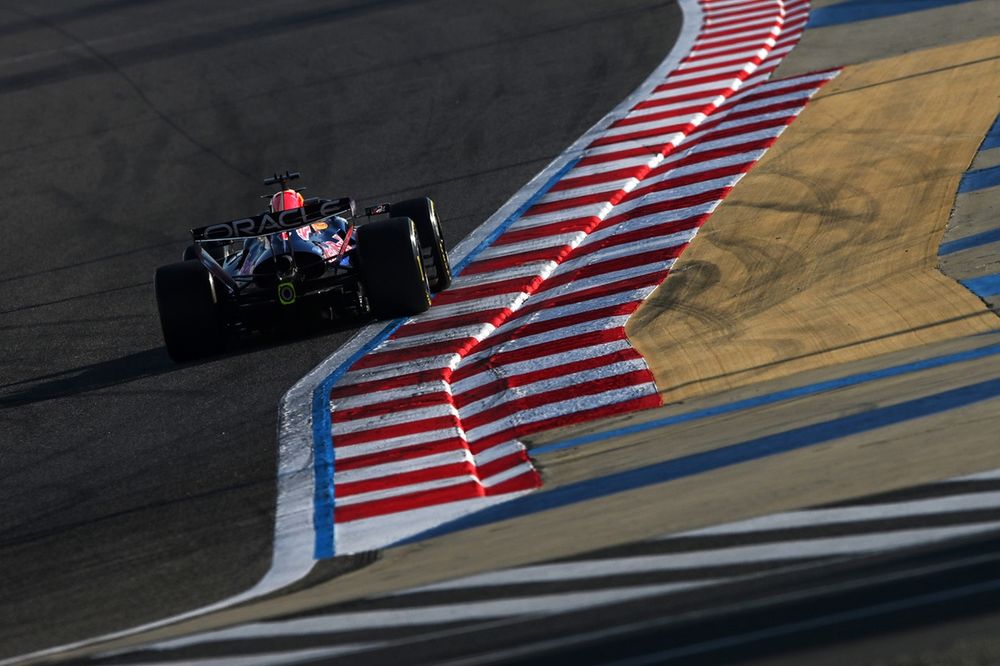
Verstappen: a cry of frustration at complexity
During the Bahrain tests, Max Verstappen expressed his dissatisfaction with the new Formula 1 rules, labelling them as “Formula E on steroids.” For the world champion, the management of engines and energy systems seems to have overshadowed the joy of driving. He mentions a complexity that makes driving less enjoyable, a criticism that resonates in the paddock and beyond. Indeed, while F1 seeks to become more sustainable, it appears to have lost sight of its essence: pure speed and adrenaline.
A CEO who grabs attention
Jeff Dodds, the CEO of Formula E, quickly responded to Verstappen by inviting him to join his series. This provocative suggestion underscores a reality: Formula E, with its own technical challenges and specifics, could attract drivers seeking an alternative to the growing complexity of F1. This raises an essential question: should F1 take inspiration from Formula E to remain relevant, or should these two disciplines evolve on distinct paths?
Vandoorne: a bridge between two worlds
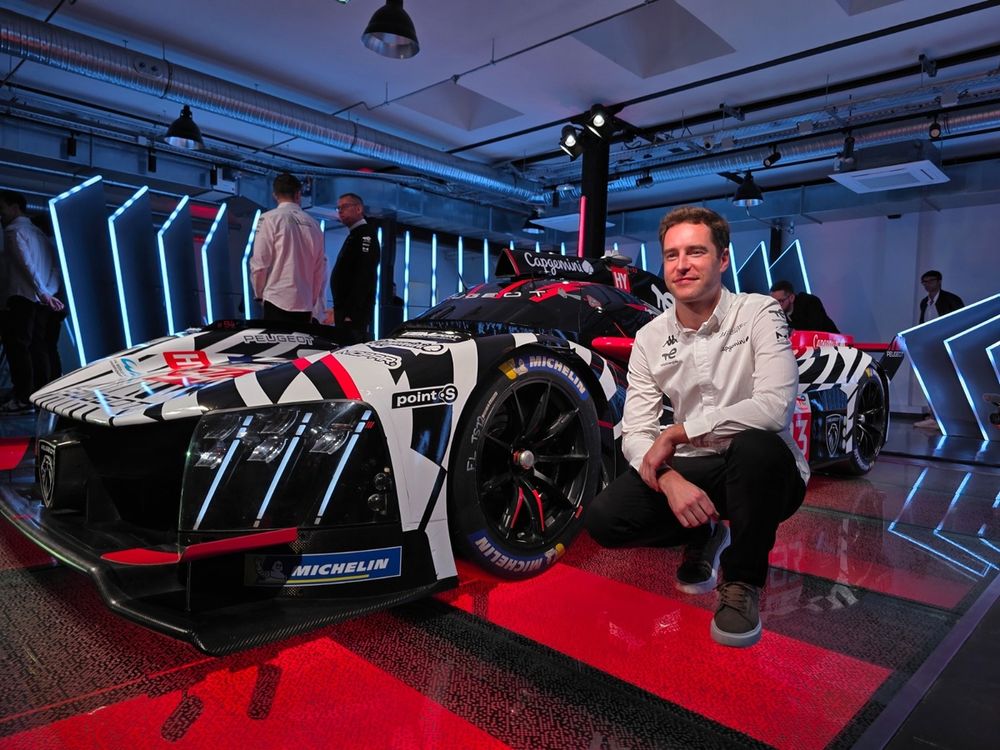
Stoffel Vandoorne, a driver who has navigated between these two realms, offers an interesting perspective. At the unveiling of the new Peugeot 9X8, he acknowledged that Verstappen’s criticisms were legitimate. For him, despite the similarities between the two disciplines, fundamental differences still exist. F1 may remain faster than Formula E, but that does not mean one must absorb the other. On the contrary, Vandoorne envisions a future where both can coexist while respecting their respective identities.
Complexity or evolution?
The increasing complexity of F1 raises questions about the future of the sport. Vandoorne notes that while technical innovations can sometimes be bewildering, they are necessary for advancing the sport towards greater sustainability. However, this complexity may also alienate some fans who primarily seek to admire fast and loud cars. In a context where F1 must appeal to an increasingly environmentally conscious audience, finding the right balance between performance and sustainability will be crucial.
The road to the first race of 2026
As the 2026 deadline approaches, teams must adapt to the new regulations. Vandoorne emphasises that these changes will require an adjustment period for drivers, but he remains confident that talents like Verstappen will find their footing. The financial and technical resources of F1 teams are unmatched, allowing them to optimise their performance within this new framework. However, this transition will not be without challenges.
In summary
- Verstappen criticises the complexity of the new F1 rules.
- Jeff Dodds invites Verstappen to join Formula E in response.
- Stoffel Vandoorne advocates for coexistence between the two disciplines.
- Technical innovations must respect the essence of racing.
- Teams are preparing to adapt to upcoming regulatory changes.
In the medium term, the dynamic between Formula 1 and Formula E could redefine the landscape of motorsport. Teams will need to navigate between tradition and innovation while meeting the expectations of an audience seeking authenticity and environmental engagement. The tension between these two worlds could lead to a richer and more diverse competition, but also to crucial strategic choices for the brands involved.


