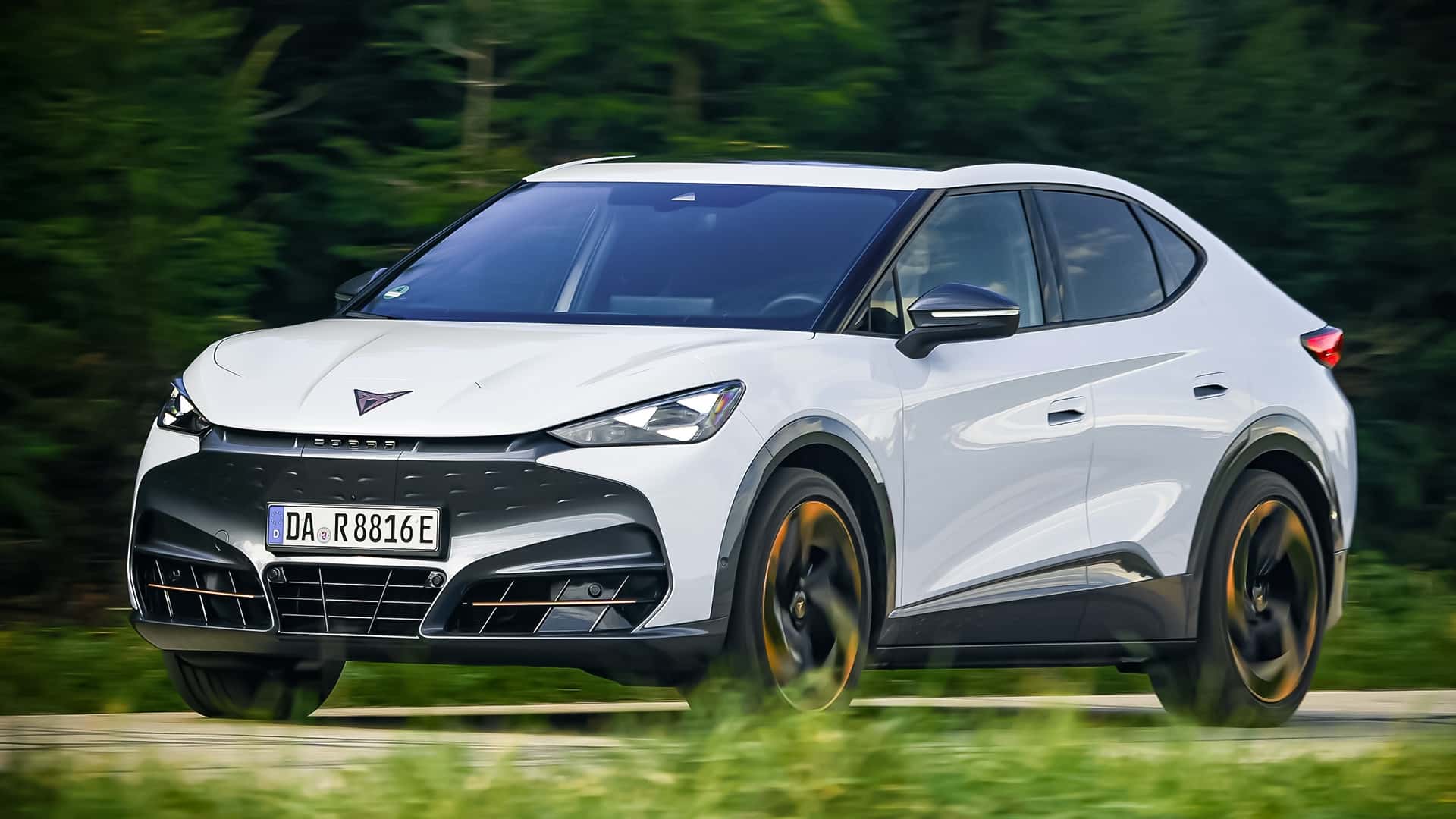
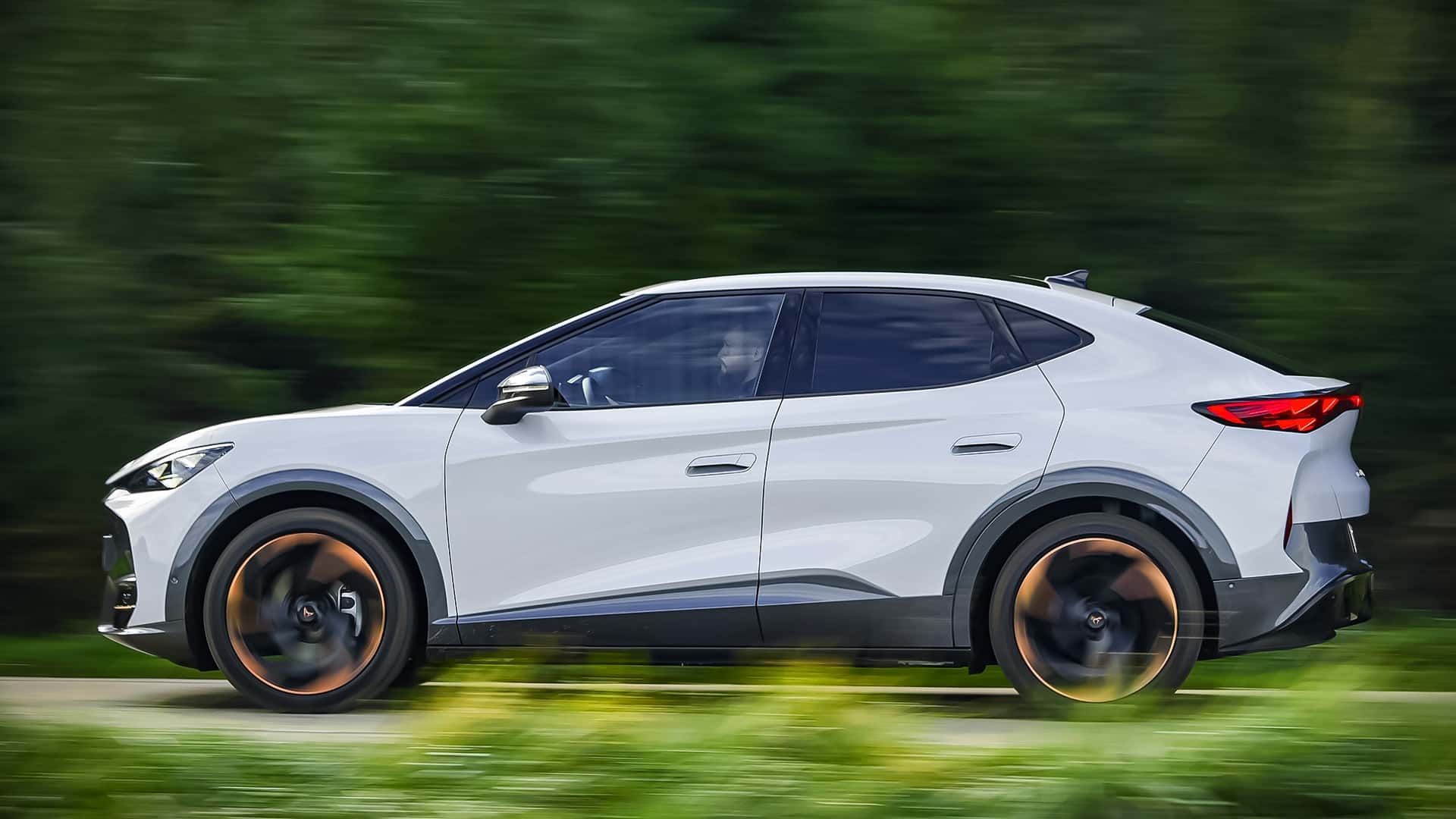
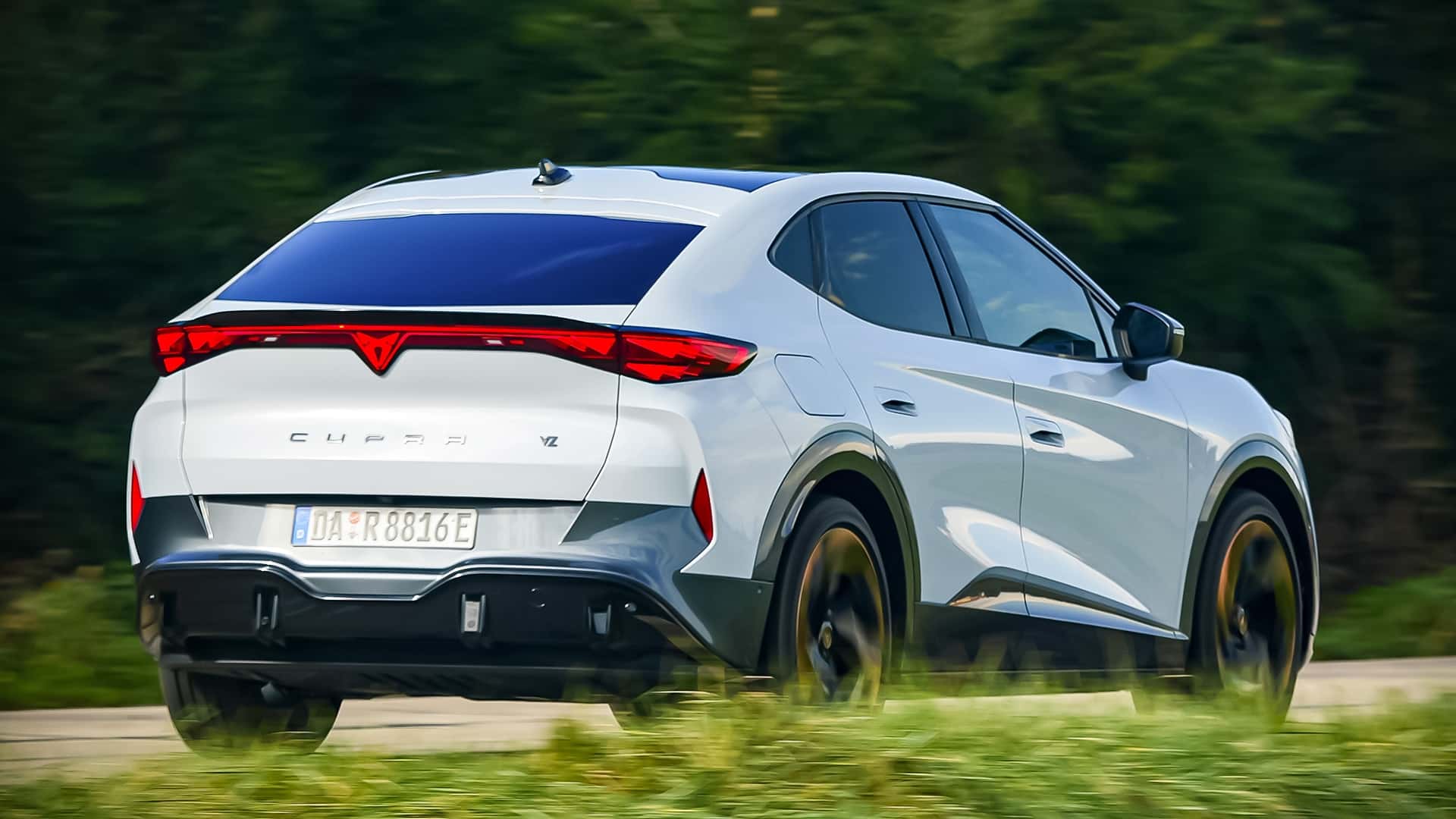
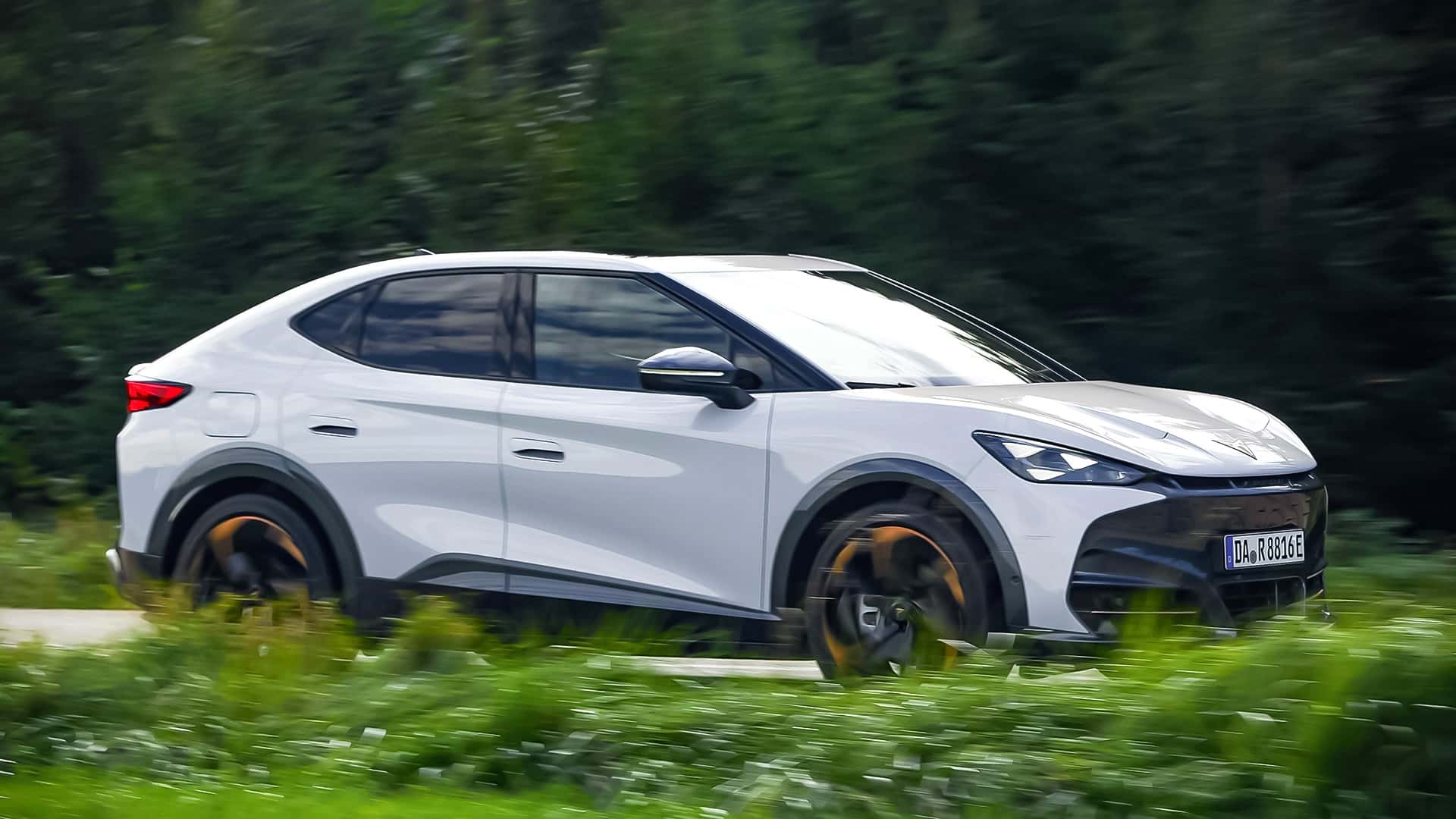
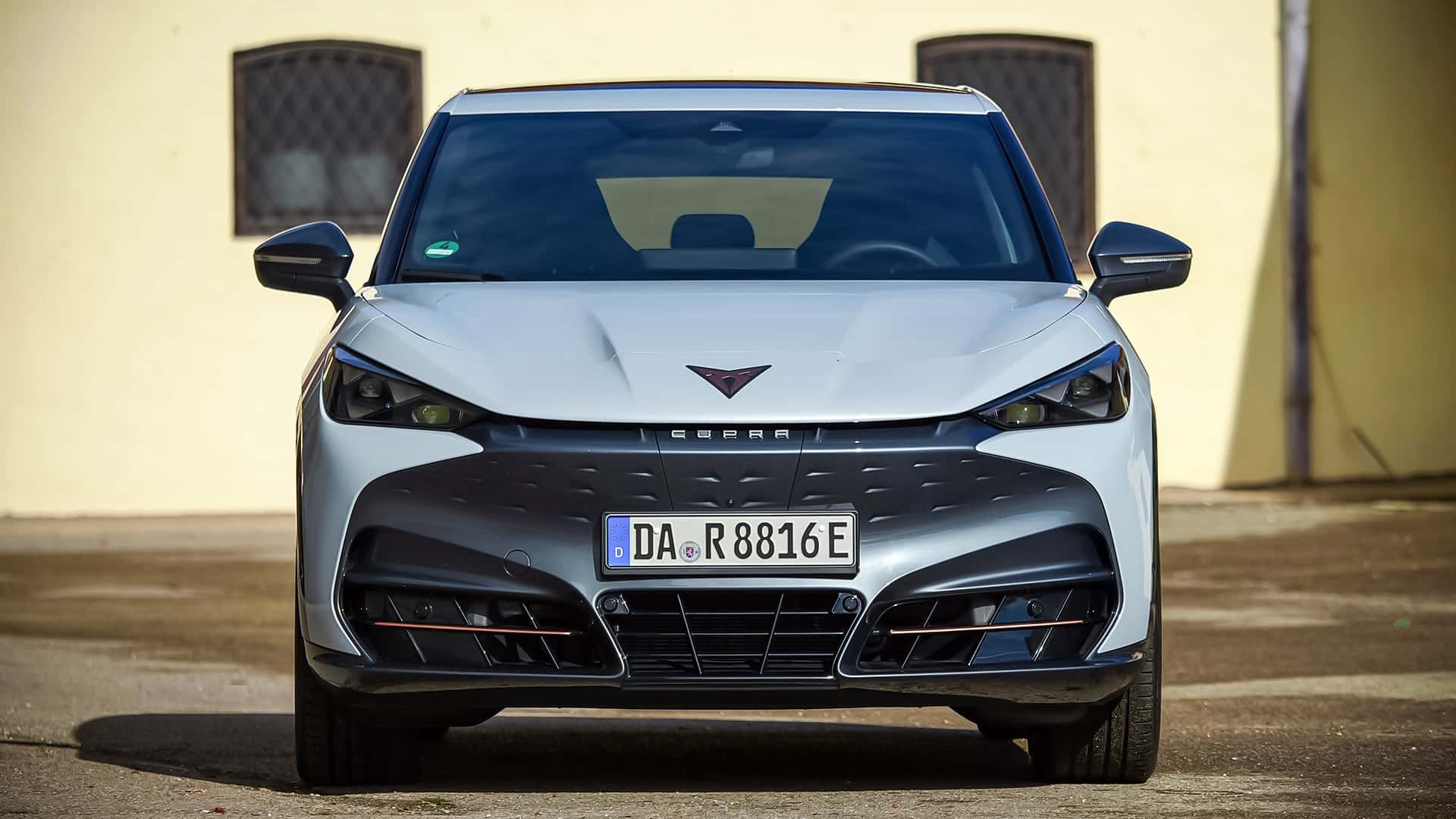
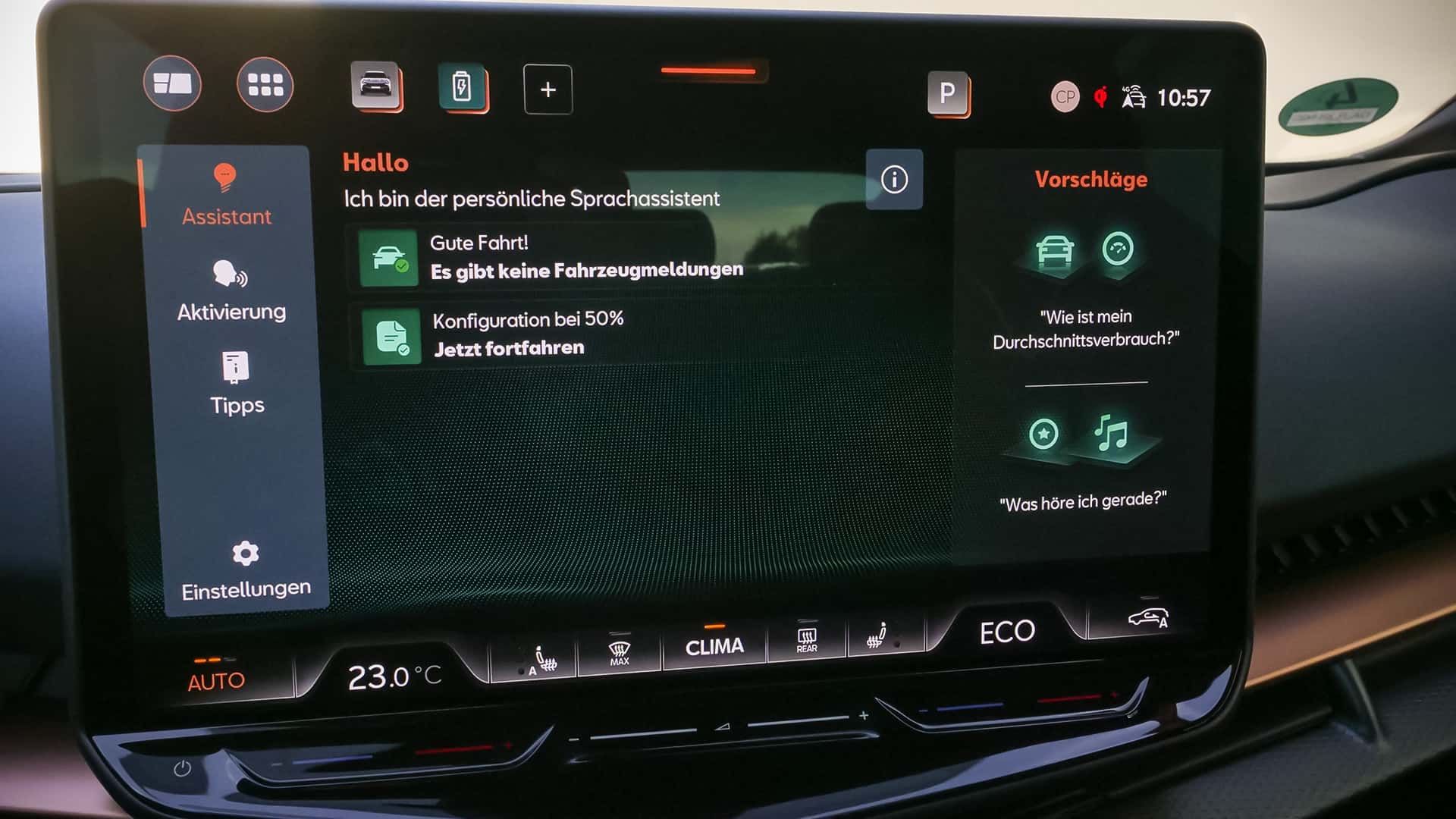
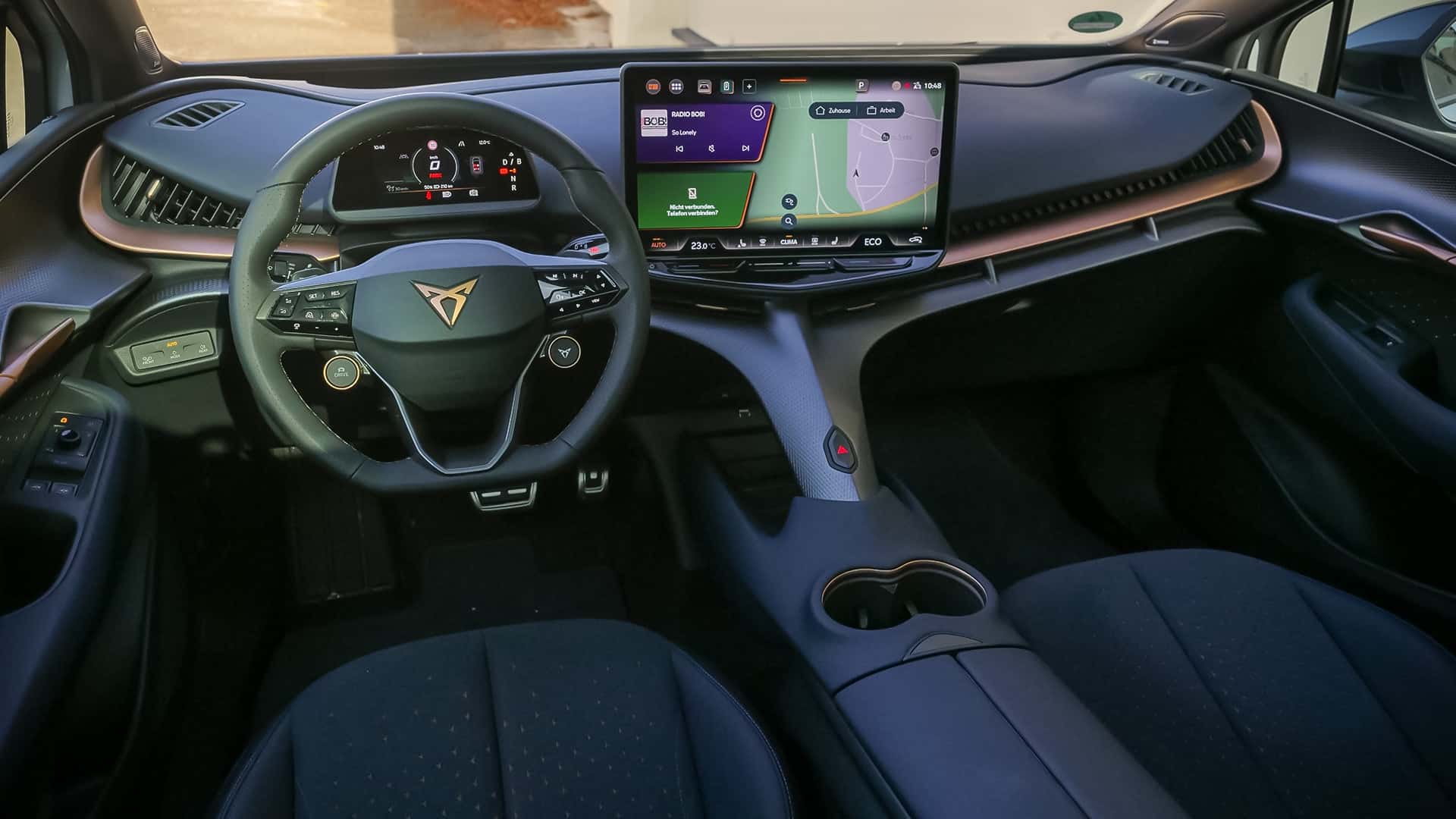
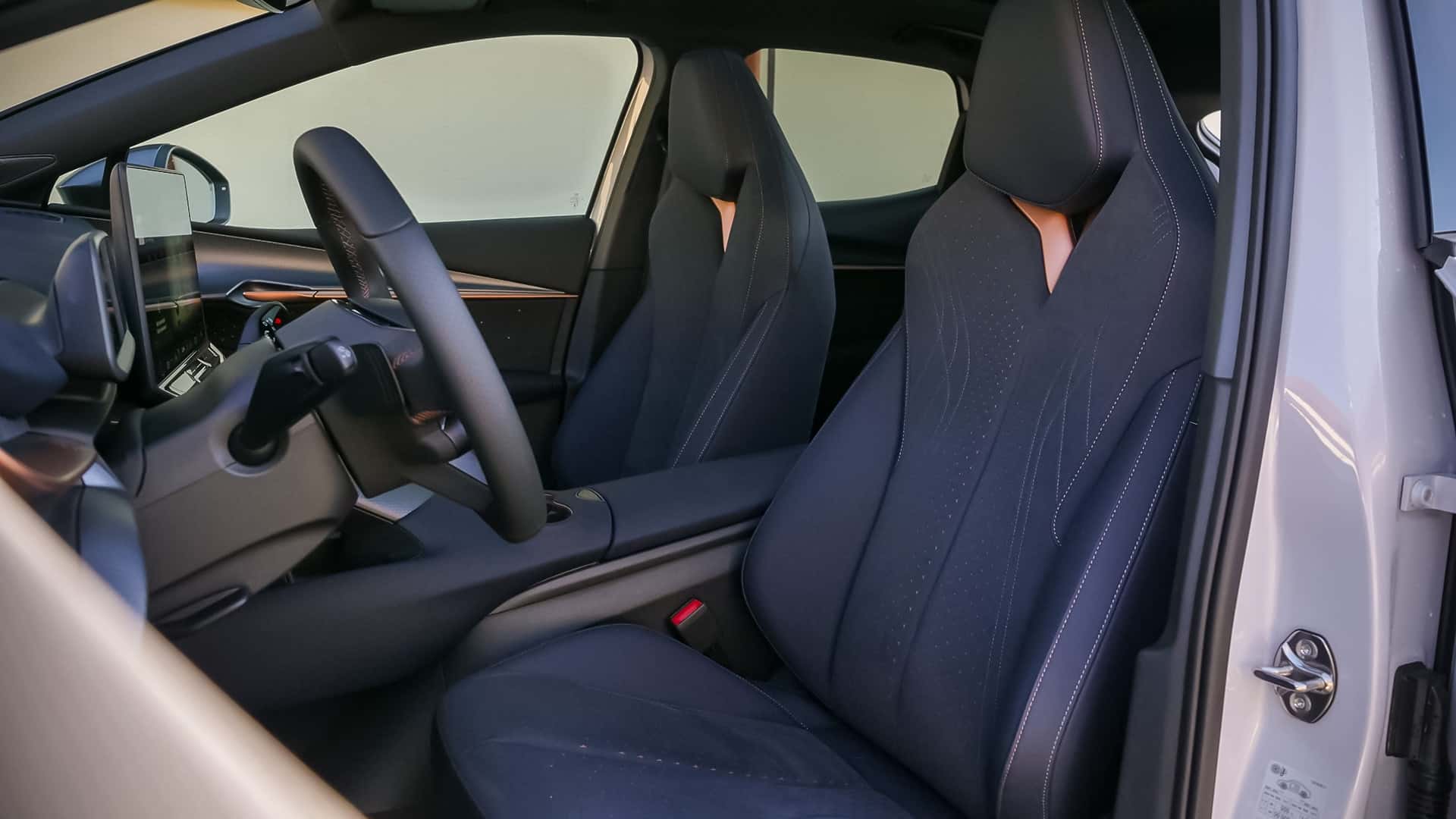
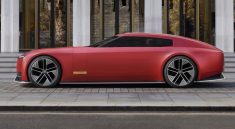
The European Commission is considering giving a boost to the Cupra Tavascan, an electric SUV made in China, by lifting the customs duties currently weighing on its importation. A bold maneuver that could redefine the European automotive landscape, as if a Michelin-starred chef decided to open the doors of their kitchen to reveal their best-kept secrets.
An intriguing proposal
The Cupra Tavascan, this electric SUV that promises to make waves, could soon benefit from an exemption from European customs duties. To achieve this, the Volkswagen group proposes a limitation on imported quantities and a minimum price for its vehicles. Imagine a Michelin-starred chef juggling restrictive ingredients while trying to concoct a refined dish: Volkswagen is navigating between regulations and the need to remain competitive in a rapidly changing market.
The context of customs duties
Introduced in October 2024, these customs duties have become a real headache for importers, who now have to pay a 10% surcharge on electric cars made in China. This news has been met with uproar in the automotive world, where tensions between Chinese and European manufacturers are intensifying. The presumed subsidies that some Chinese manufacturers would benefit from have been cited as justification for these measures. But what about European brands that are also trying to find their footing?
The Anhui factory, where the Tavascan is produced, belongs to a joint venture between Volkswagen and the Chinese group JAC, where Volkswagen now holds the majority. It feels like an action movie where two giants team up to conquer the global market, but this alliance could face unexpected obstacles.
The financial stakes
Currently, the applicable customs duty on the Tavascan amounts to 20.7%. Where this becomes concerning for Volkswagen is that this surcharge heavily impacts their financial results. Wayne Griffith, the former director of Seat and Cupra, warned that these duties could lead to a drastic reduction in production and around 1,500 layoffs if the situation does not evolve quickly. It’s a bit like playing Russian roulette with jobs and the future of a brand.
Indeed, this surcharge has put VW’s subsidiary in a tough spot, forcing it to revise its financial targets for 2024 and leading to colossal losses projected for 2025. Not exactly ideal for a group that is betting on electrification as the spearhead of its future strategy!
The EU’s response
Despite Volkswagen’s alarm bells, the EU has not yielded to immediate pressures. However, last April, the Commission hinted that it might consider other options, such as establishing a minimum price for imported vehicles. This could become an alternative to the existing customs duties, allowing Volkswagen to breathe a little.
A spokesperson for Seat confirmed that discussions are ongoing to ensure that the proposal meets all necessary requirements. Imagine a chef perfecting their recipe until achieving perfection: they are looking to define an annual import quota as well as a minimum import price. Unfortunately, the details regarding these figures remain unclear.
The price of the Tavascan on the market
In Germany, the Tavascan starts at €53,350. A price that places this model in a premium category, but which could also be perceived as excessive if financial complications were to cloud its commercial future.
Automotive news is full of similar stories where manufacturers must navigate between innovation and regulation to survive in an increasingly competitive world.
A precedent for the future?
If this initiative succeeds, it could set a precedent for other manufacturers. Tesla and Dacia might also eye similar agreements, as their models like the Model 3 and the Spring are also made in China for Europe. Even the Mini Cooper and Aceman as well as the Smart #1, #3, and #5 could benefit from such treatment. The road is still long before a consensus is reached, but this could mark a turning point in trade relations between Europe and China.
In summary
The European Commission is considering exempting Volkswagen from customs duties on the Cupra Tavascan, provided the group guarantees a limited import quota as well as a minimum price. A bold maneuver that could change the game for the entire automotive industry and pave the way for other players wishing to introduce their China-made models to the European market. Who would have thought that a simple SUV could cause such a stir on the international stage?