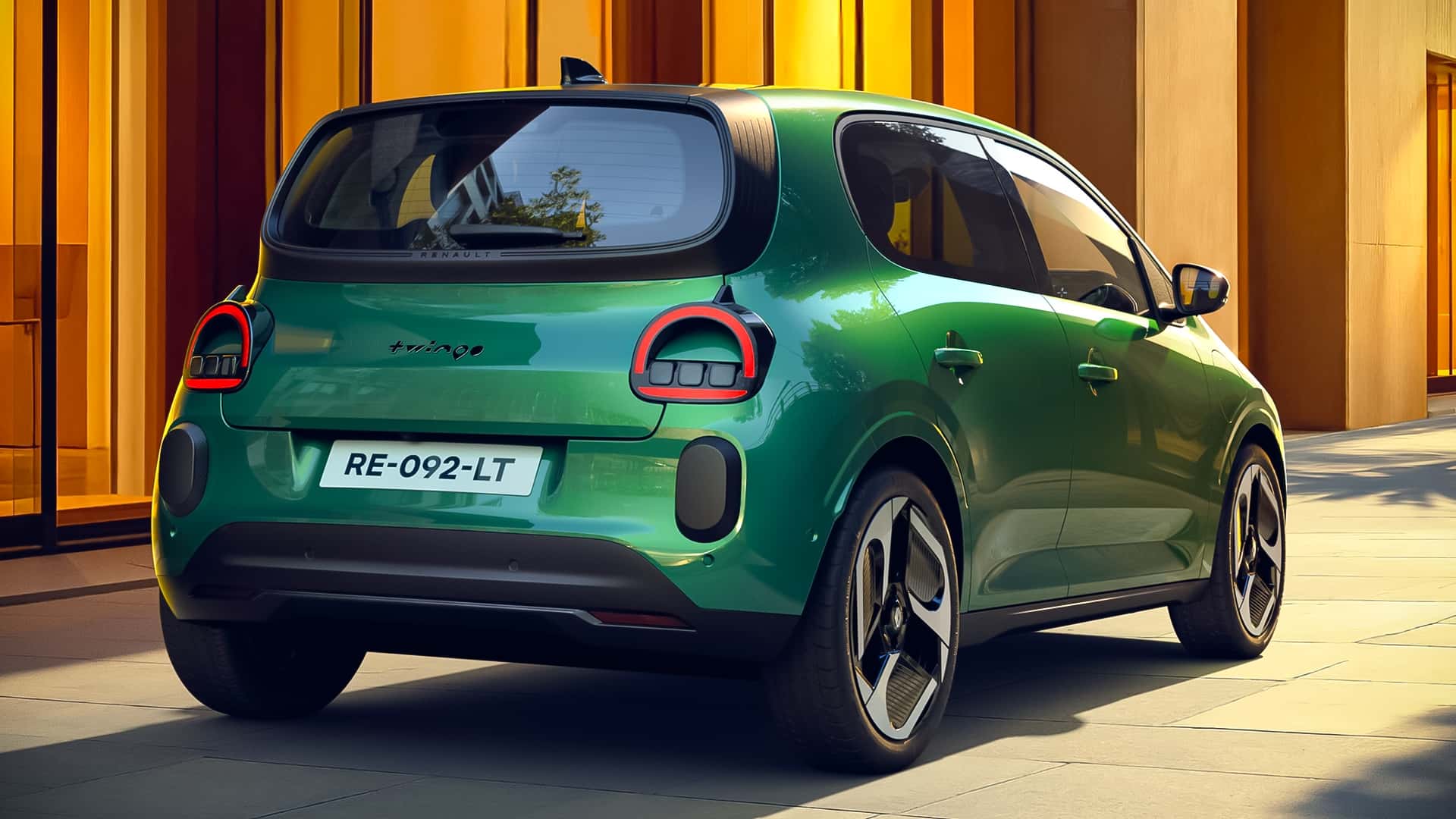
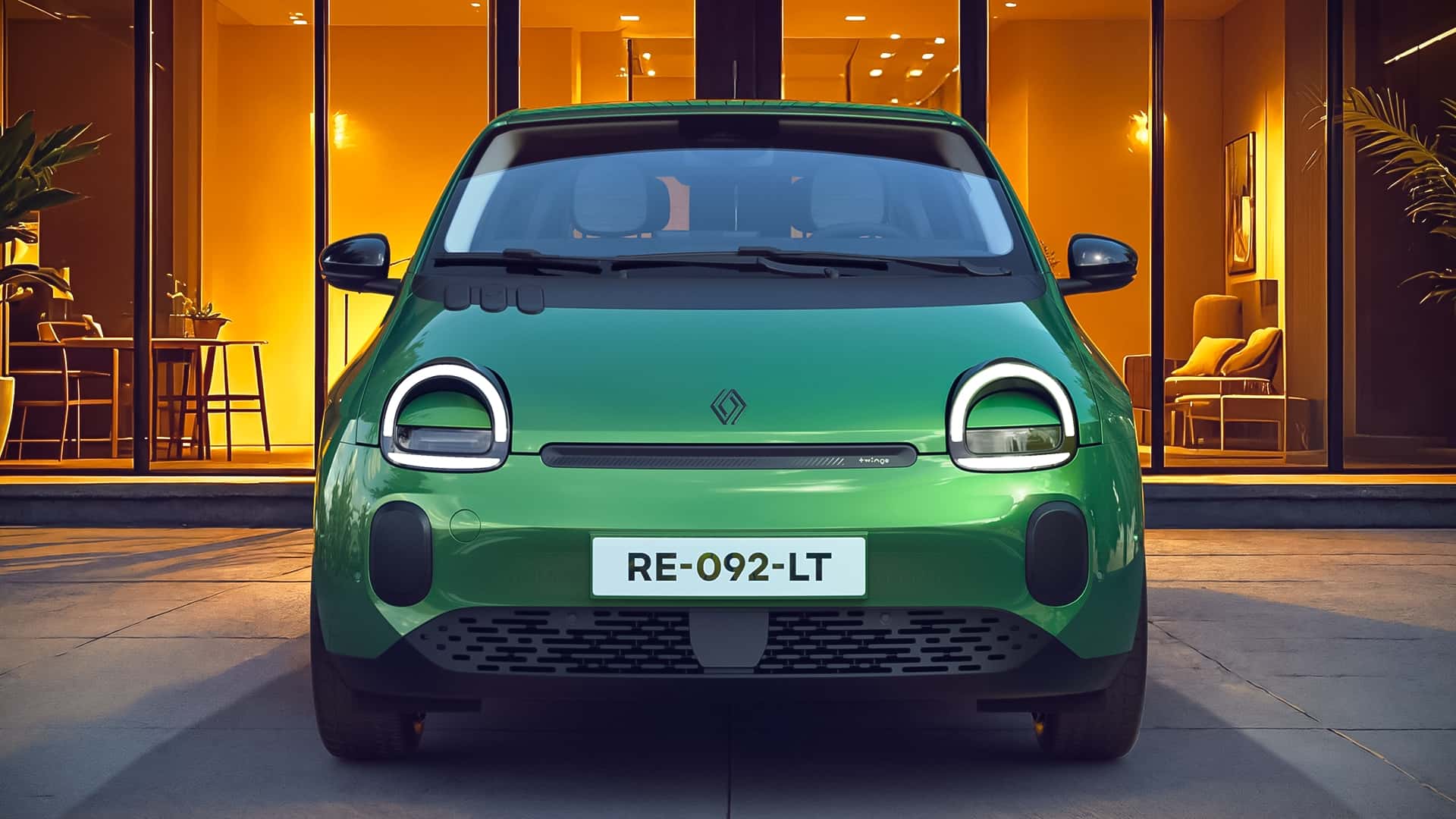
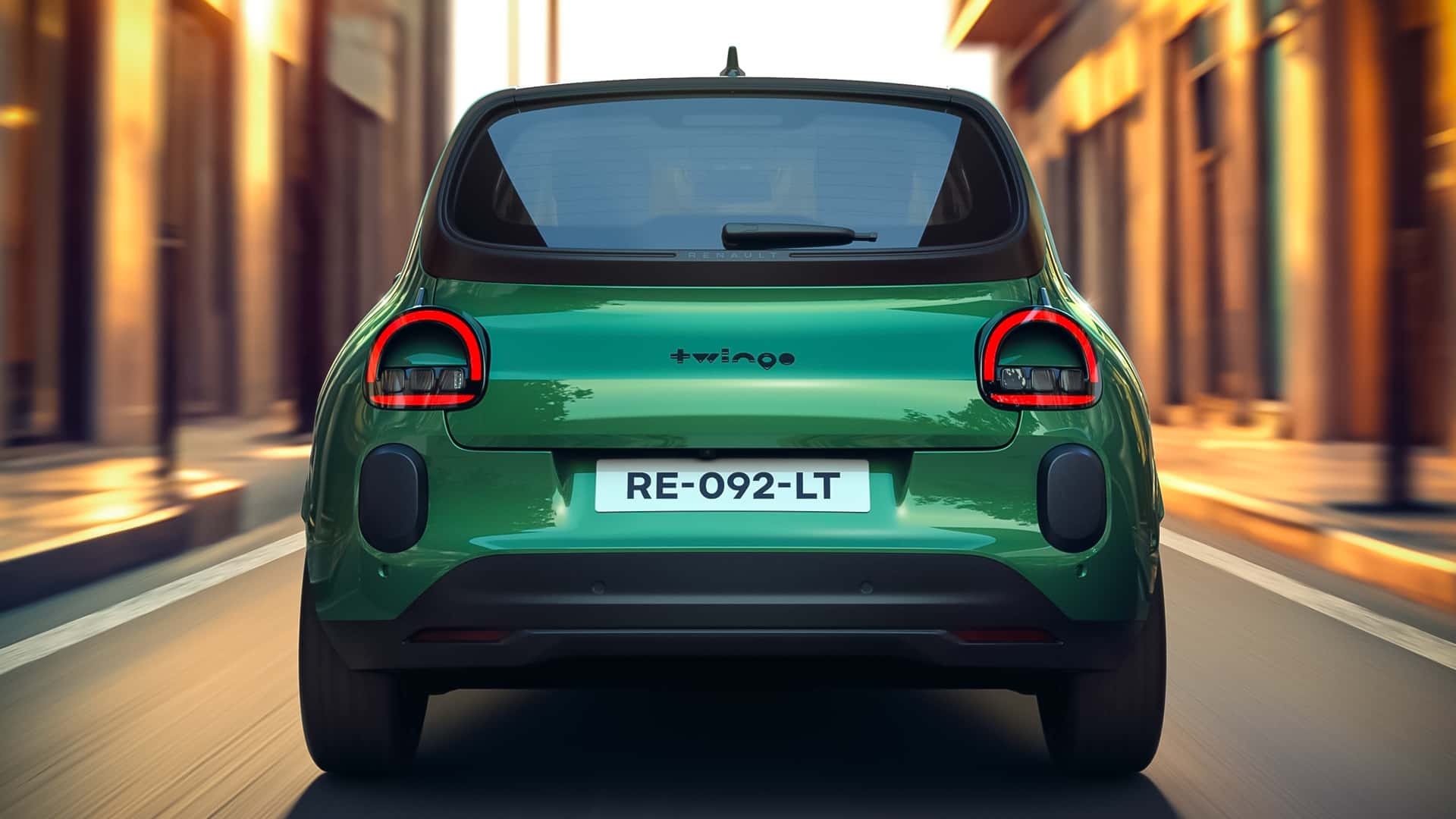
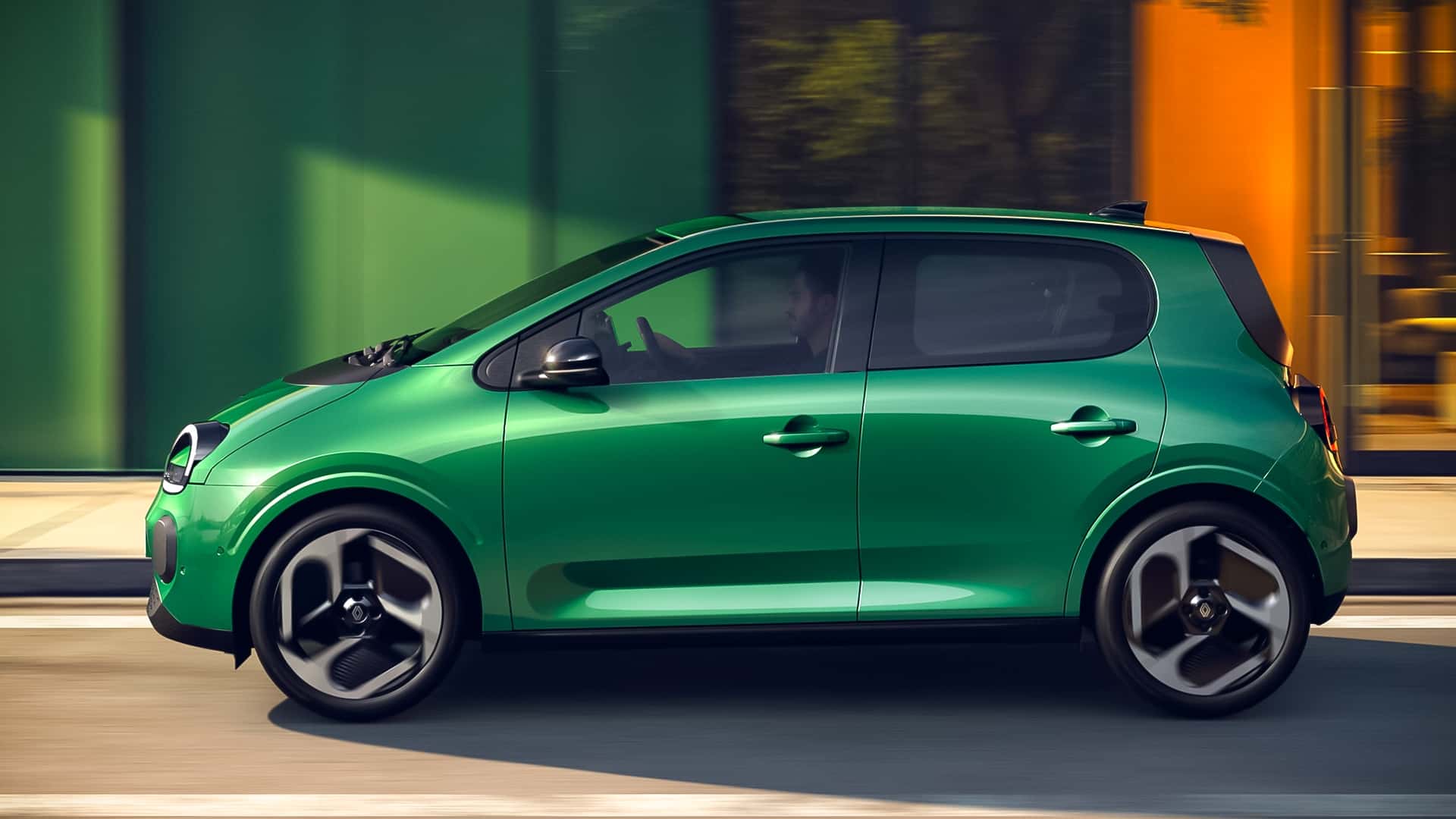
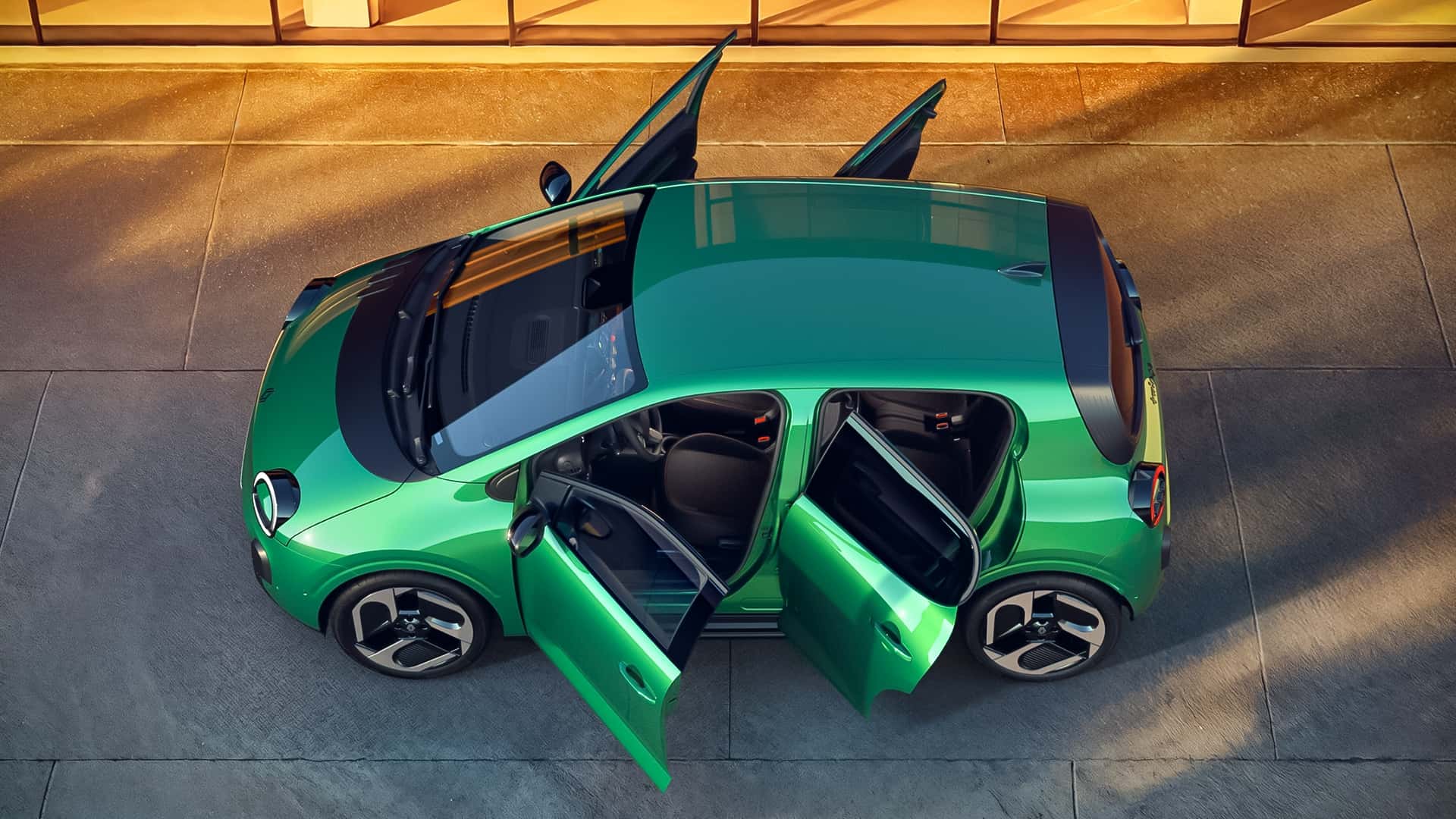
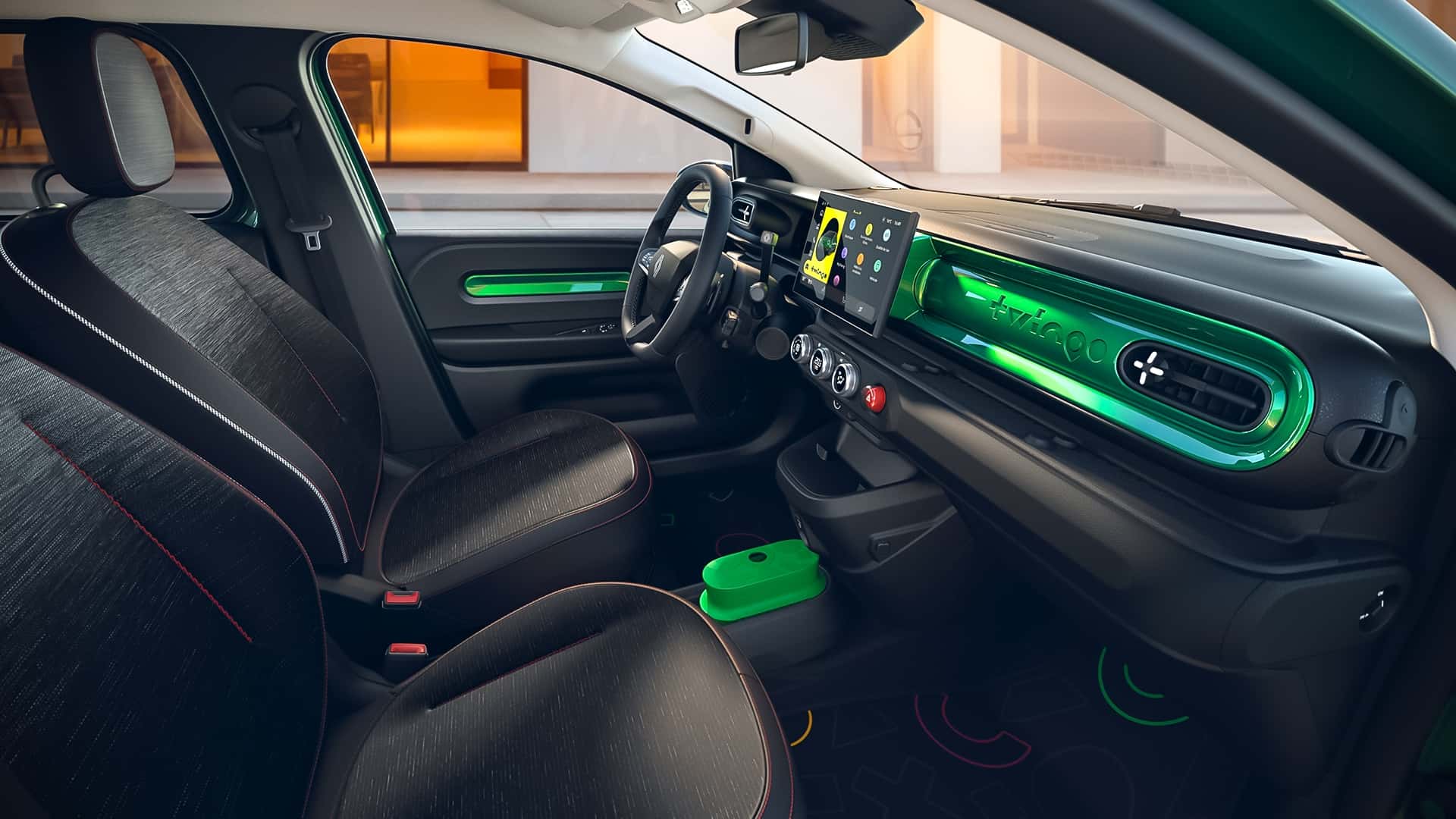
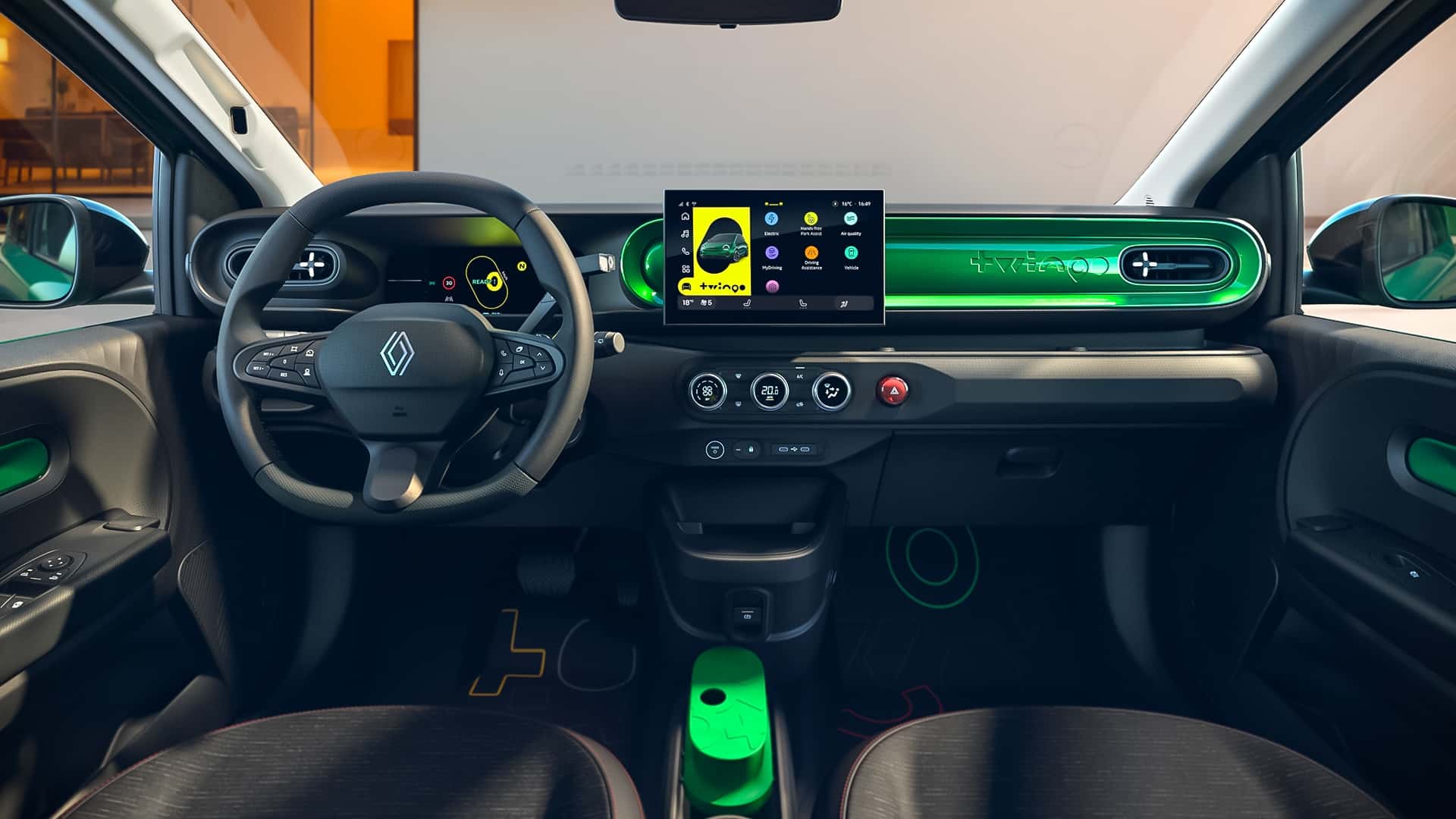
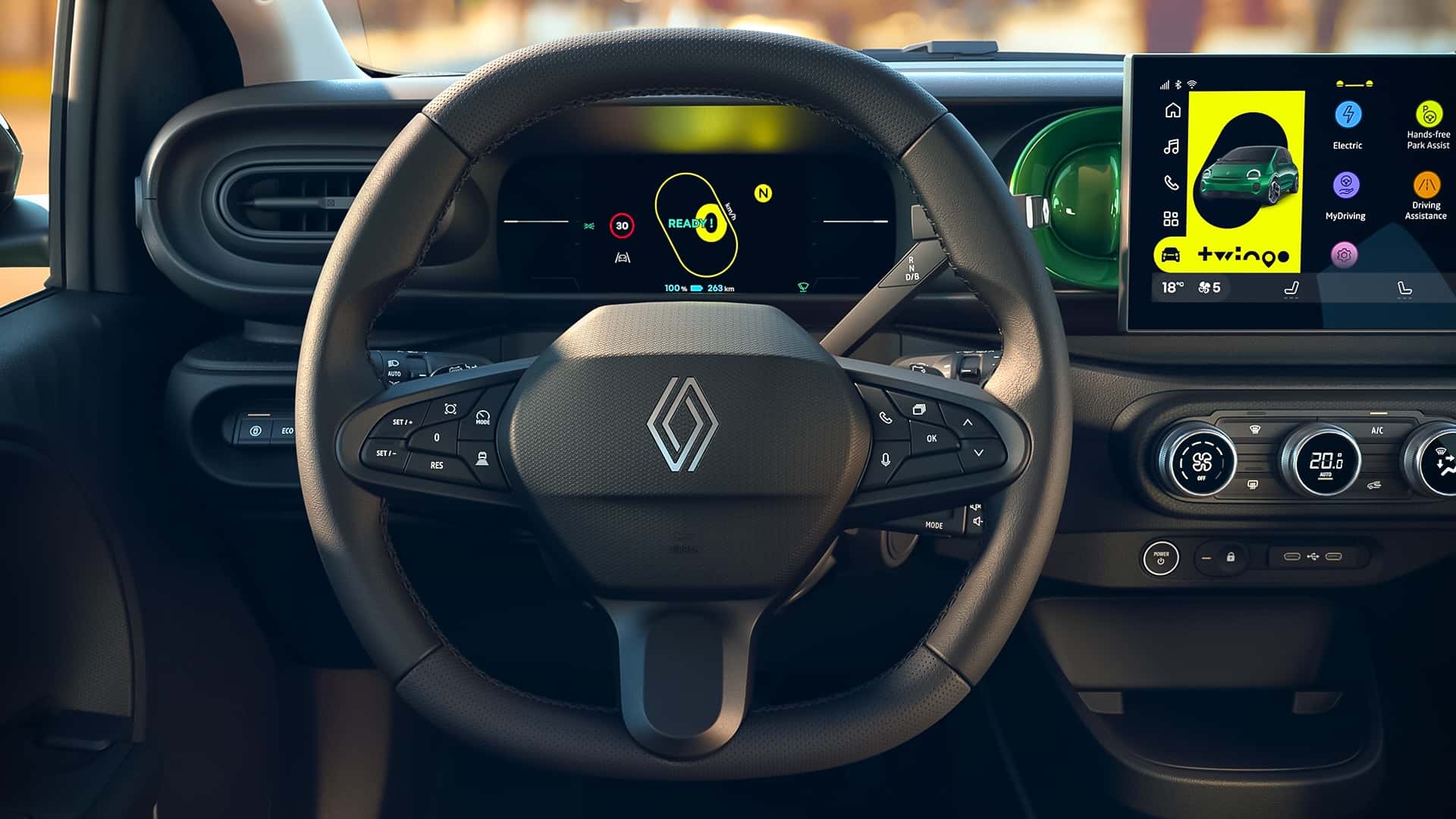
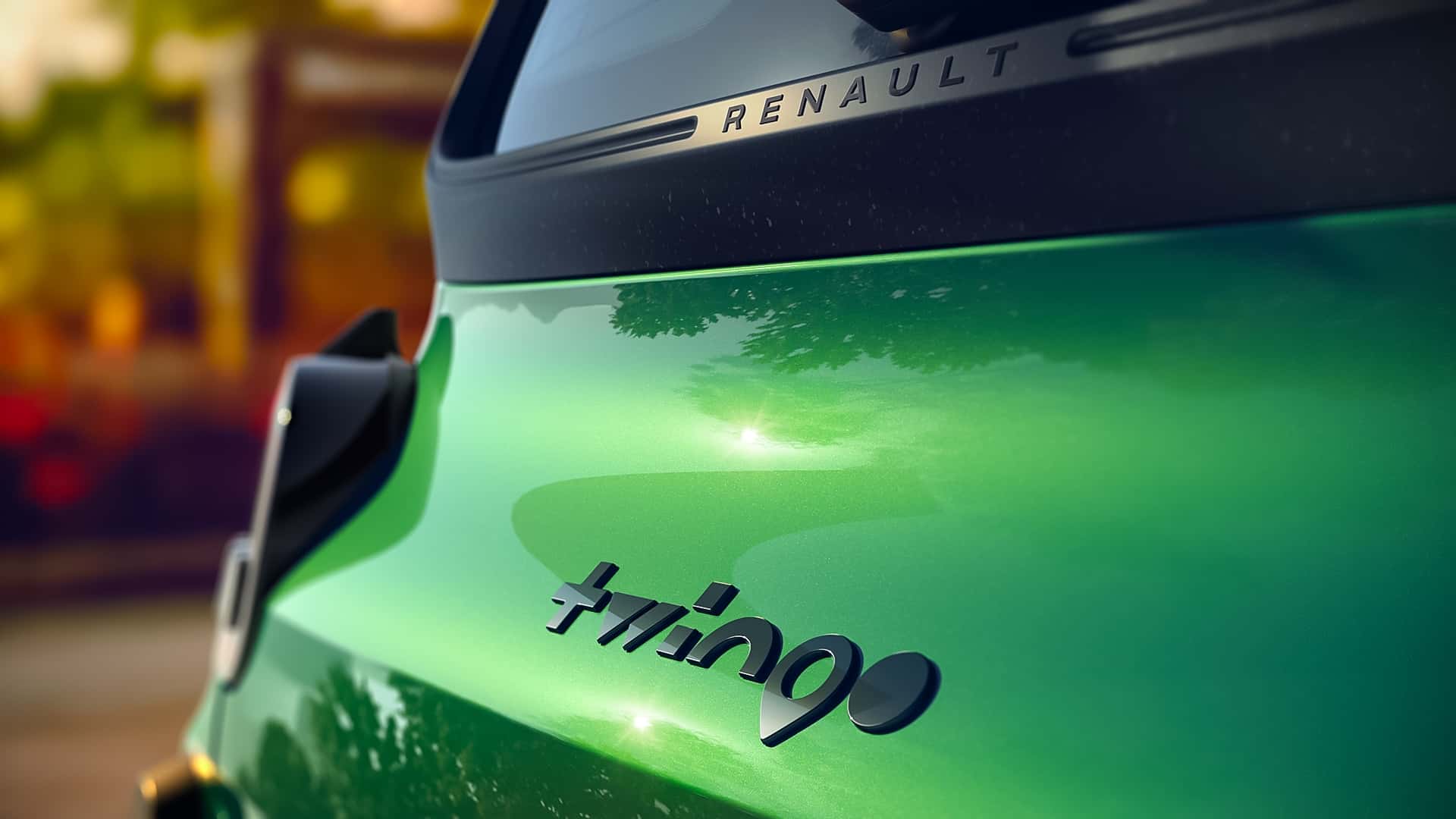
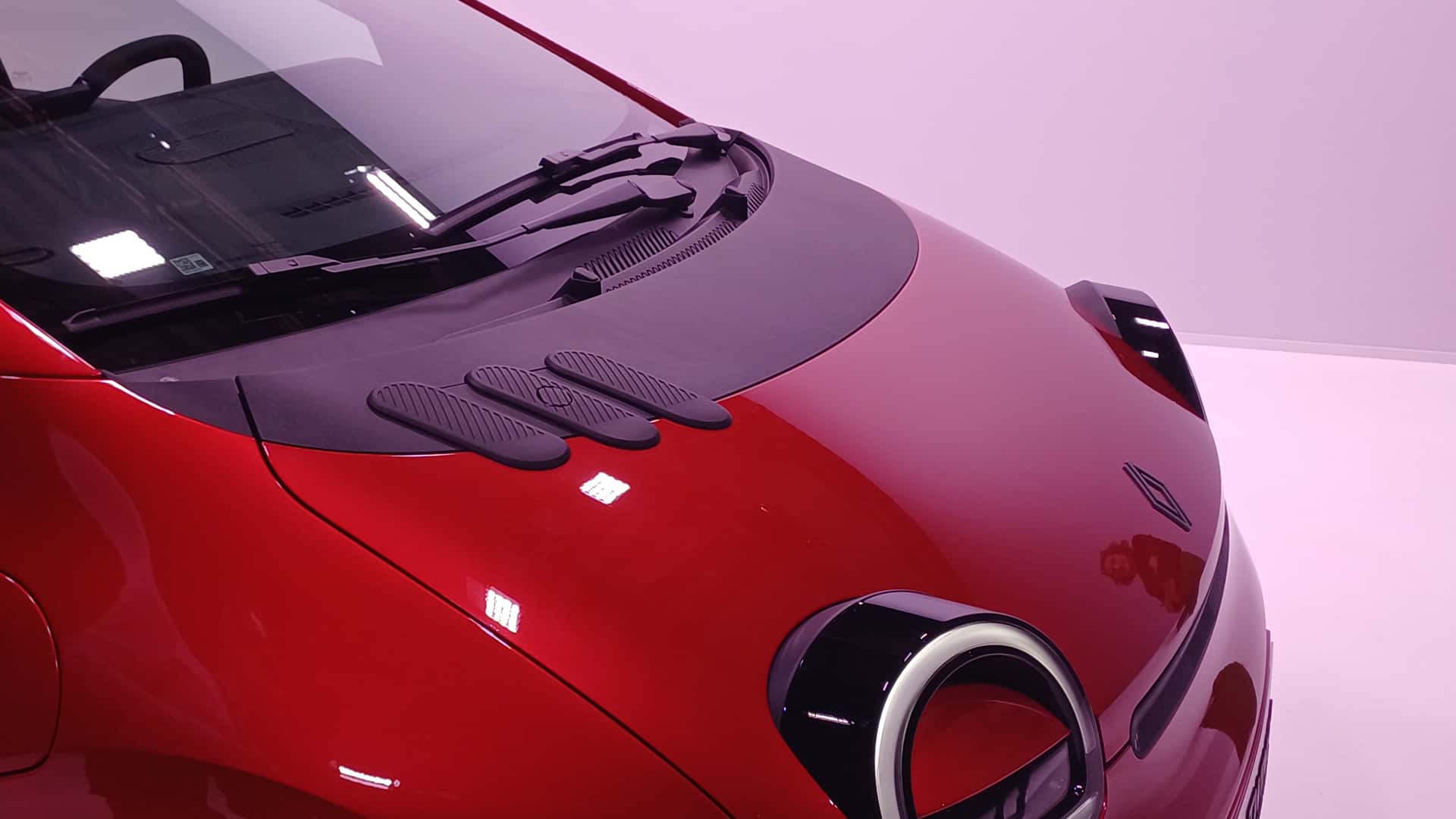
The Twingo, Renault’s iconic small city car, is getting a makeover and opening up to the East! To remain competitive in the electric vehicle market, the French manufacturer is relying on Chinese suppliers while maintaining its production in France. A bold strategy that could change the game.
An Unavoidable Strategic Choice
As competition in the electric vehicle sector intensifies, no one can ignore the growing influence of China. For manufacturers, sourcing Chinese components has become a strategic necessity. The upcoming Renault Twingo, for example, will benefit from technologies coming directly from Shanghai, allowing the manufacturer to develop its model in record time while controlling its costs.
Indeed, Renault’s decision to purchase components for its electric motors from Shanghai e-Drive is telling. In a context where every cent counts, especially for models aimed at the general public, this choice ensures an affordable Twingo. After all, who would have thought that a small French city car could rely on the expertise of an Asian giant? But economic reality sometimes imposes surprising choices.
The Stakes of Electric Production
Renault knows that to break into a market where profitability is king, it must cut costs. This involves a pragmatic approach: sourcing from China, where economies of scale and privileged access to raw materials make production less costly. With relatively competitive labor costs and government initiatives supporting the transition to electric, China is positioning itself as an essential player.

The electric motor of the Renault Twingo Electric (2026): a permanent magnet block, a first for the model.
Chinese Giants and Their Dominance
Renault is not an exception in this global landscape. Indeed, battery sourcing is often dominated by Chinese companies such as CATL and BYD. These giants have established themselves by supplying not only Renault but also direct competitors like Tesla, once the undisputed leader in the zero-emission vehicle market, but now overtaken by its Asian counterparts.
For example, BYD, the number one in electric vehicle sales, also supplies Tesla with batteries. Who would have thought that the Californian brand, a symbol of innovation, would have to rely on its Chinese rivals for its supply? It’s a bit like David buying his stones from Goliath.
Chinese Technology and Expertise
But Chinese expertise is not limited to batteries. Companies in the country are also references in automotive technology. Take Audi, which recently signed an agreement with SAIC to collaborate on software. Ford, for its part, is discussing with Geely to benefit from its expertise in energy management and autonomous driving. Western giants can no longer do without their Asian counterparts to stay at the forefront of innovation.
This interdependence raises questions about the future of the automotive industry. Will Western brands lose their identity by depending on Asian partners? Or is it simply a sign of a necessary evolution in the face of a globalized market? In any case, the future looks promising for those who can take advantage of this collaboration.
A Twingo That Evolves with Its Time
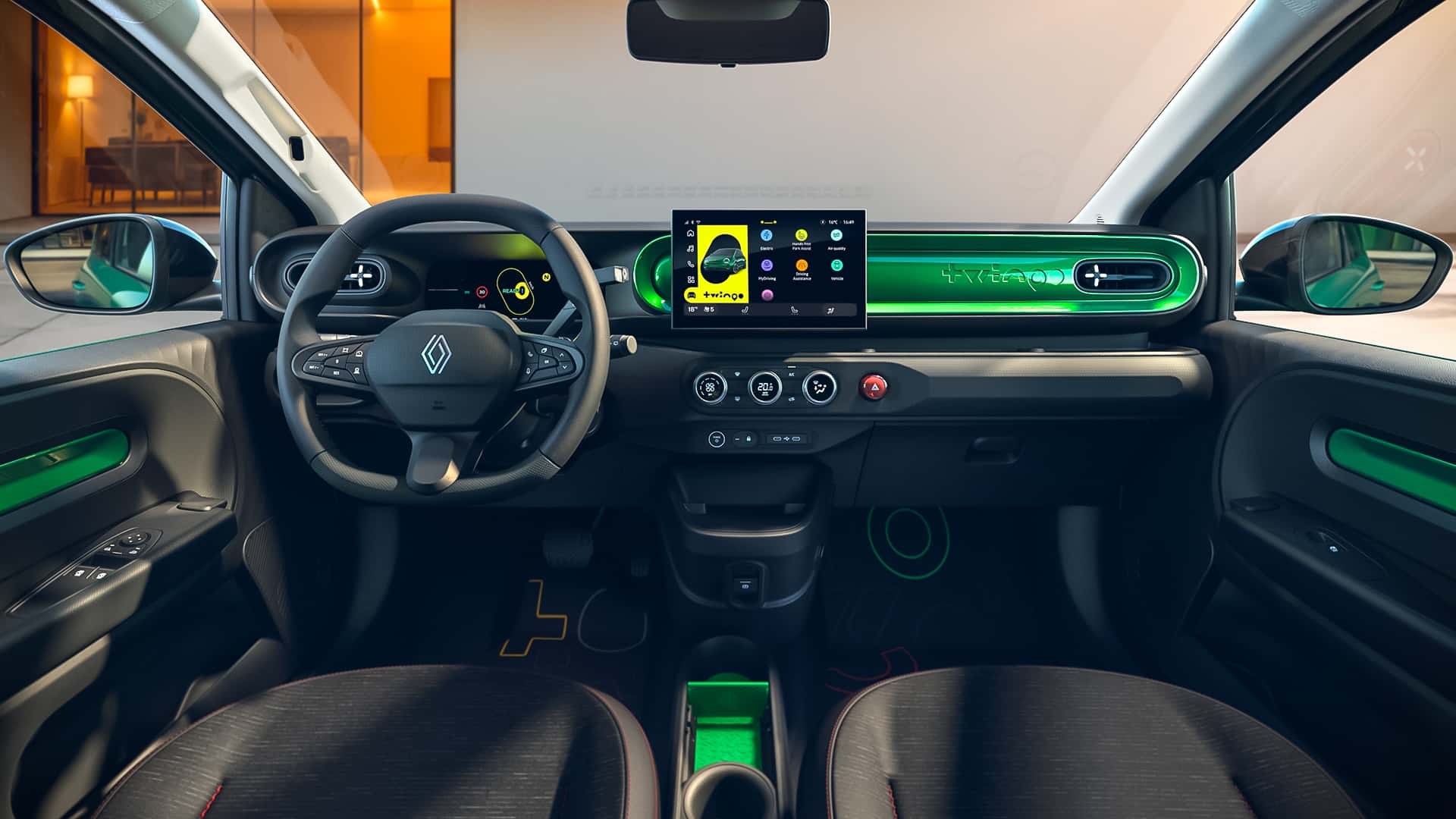
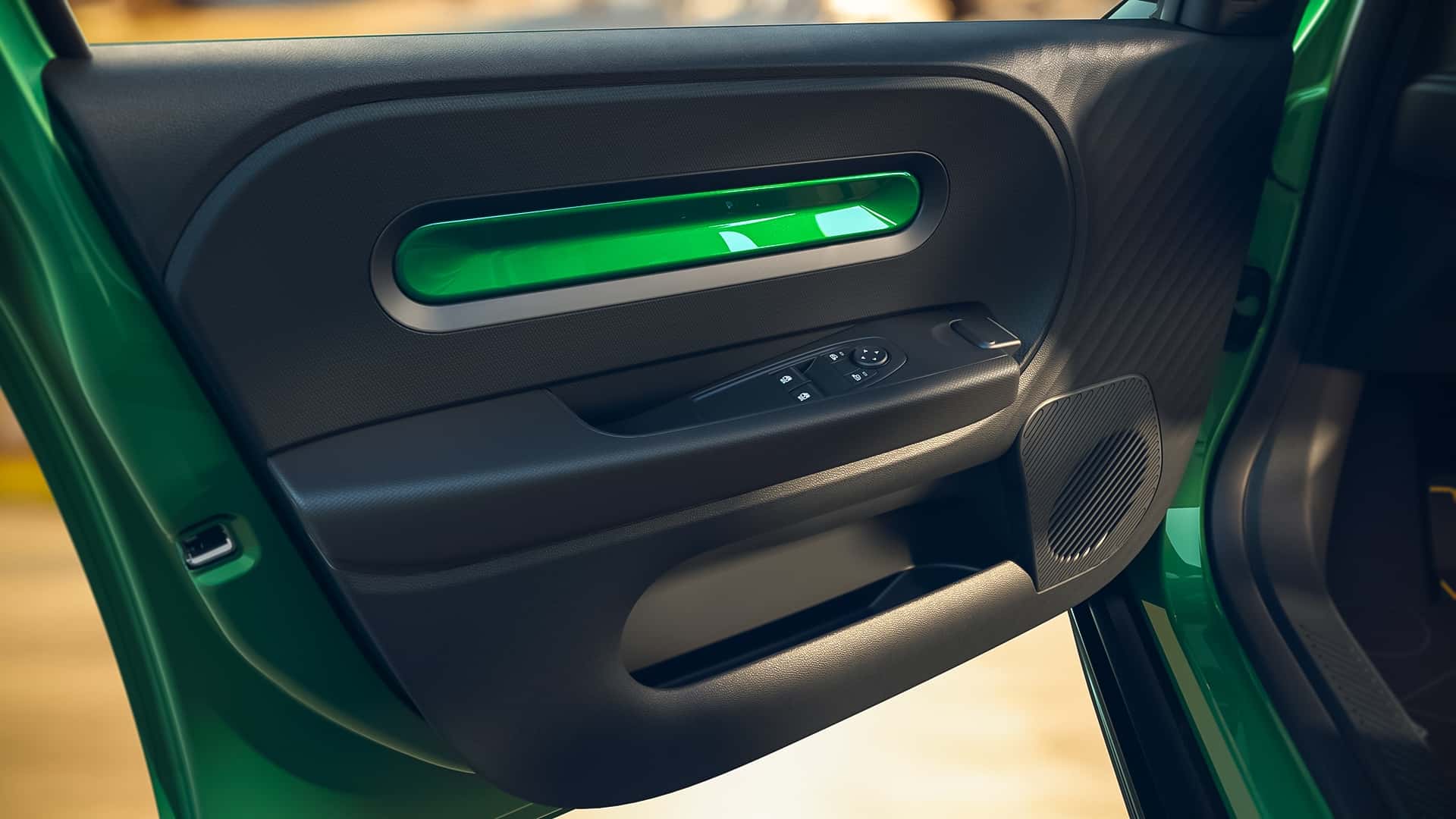
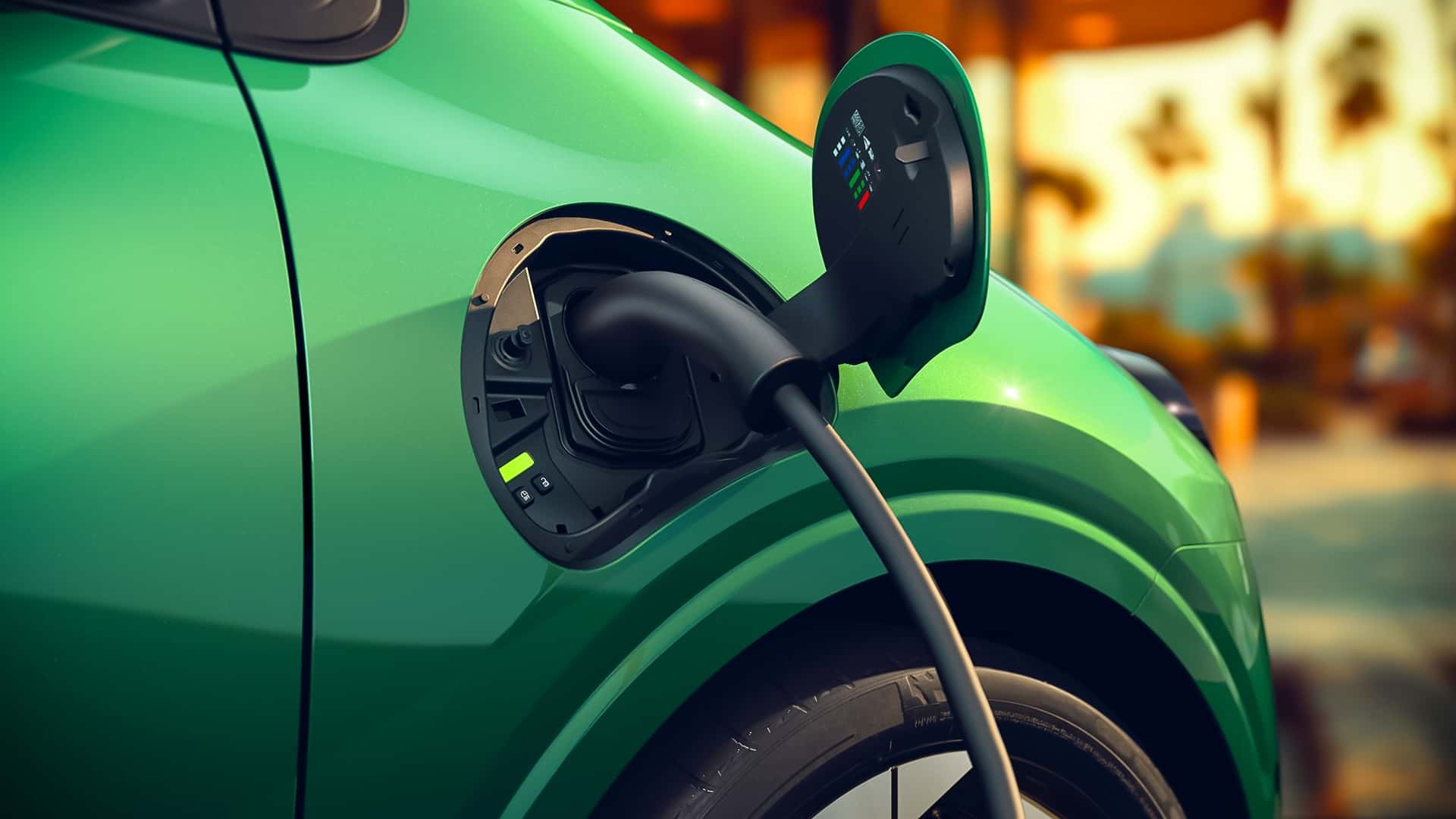
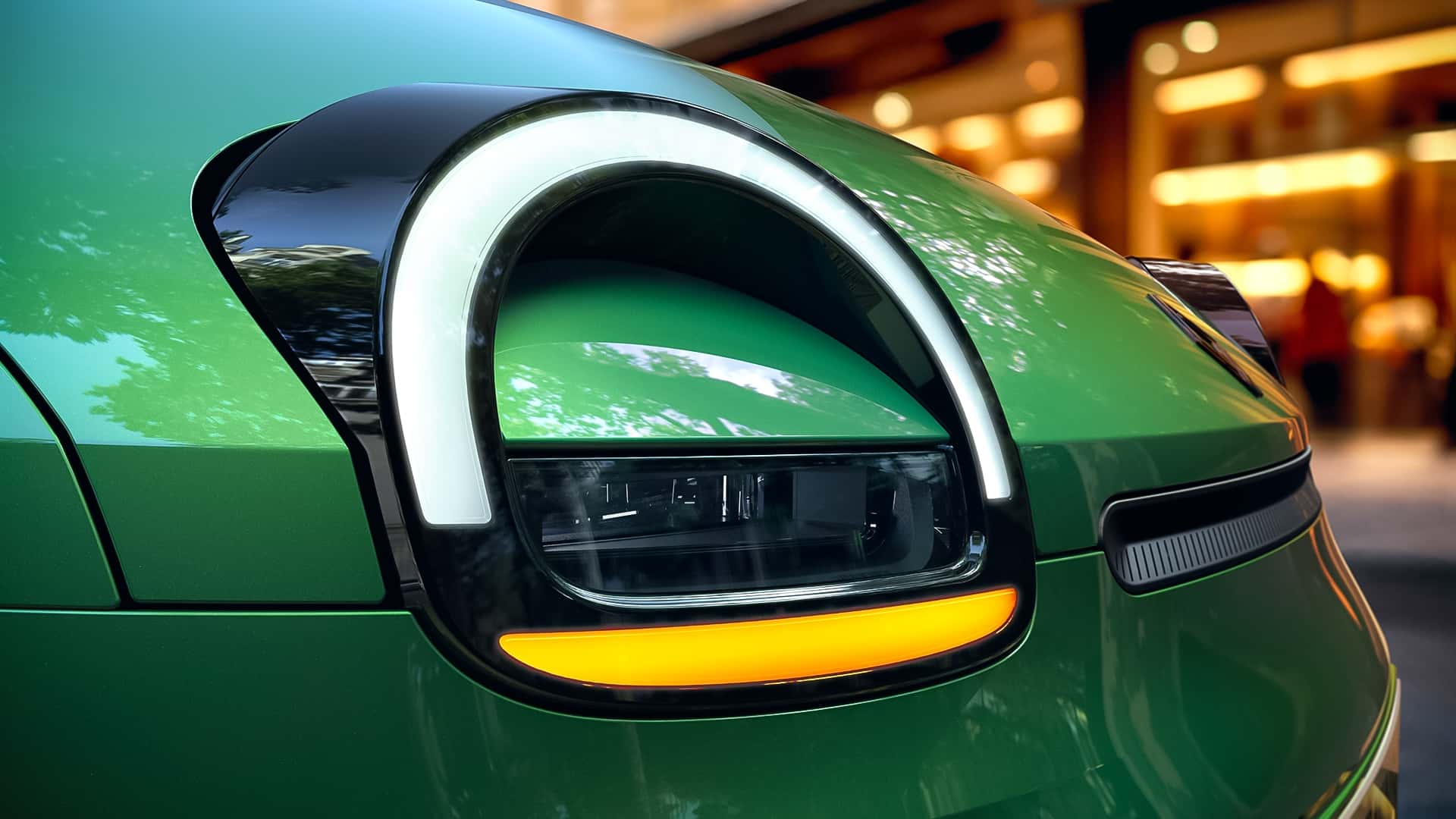
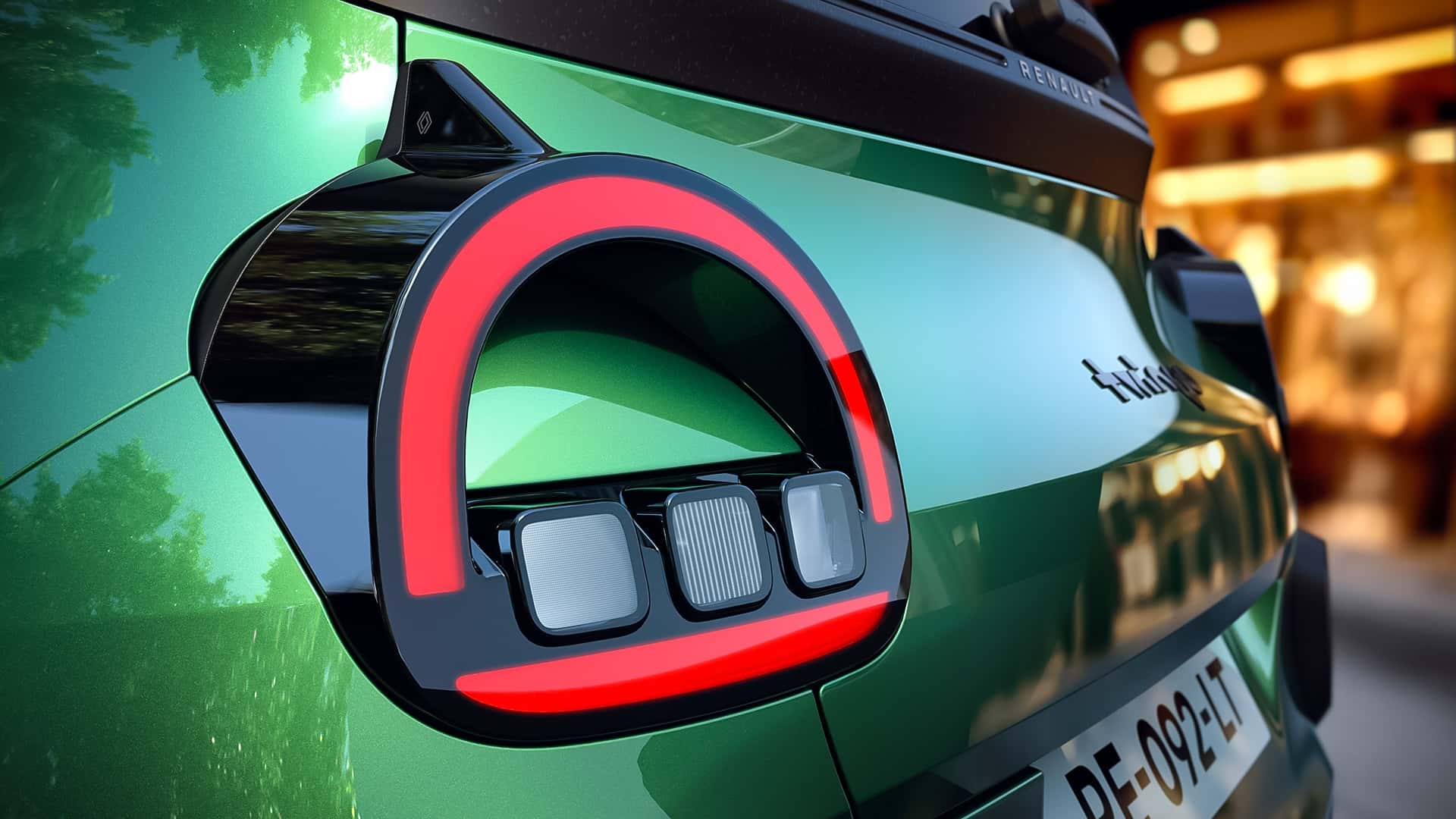
The new Twingo Electric embodies this evolution. With its permanent magnet motor and a range that promises to be competitive, it aims to attract a wide audience. The French city car is ready to face the competition while retaining its DNA: practical, economical, and now, thanks to this alliance with China, more efficient.
In summary, Renault succeeds in the feat of marrying tradition and innovation while remaining rooted in its French origins. But behind this facade lies a complex world where borders blur and efficiency takes precedence over patriotism. Who would have thought that the little Twingo, a symbol of a certain French art of living, would also be the result of a collaboration with the land of the Dragon?
Conclusion: A Shared Future
It is undeniable that the future of the automobile lies in international cooperation. Renault is leading the way by opening up to partnerships with Chinese companies to ensure its development in the electric sector. The Twingo, which has managed to evolve with its time, could well become a model for other brands to follow. As consumer expectations change and technology progresses by leaps and bounds, it seems that only those who can adapt will survive.
To follow all the news related to Renault and discover how the brand is adapting to the new realities of the market, feel free to check out our articles on automotive news.