The Mercedes VLE, set to replace the V-Class, marks a strategic shift for the German brand in the van segment. Slated for a debut in March 2026, this electric model could redefine expectations for comfort, versatility, and design, while addressing the growing demand for more sustainable vehicles.

A New Chapter for Mercedes
March 10, 2026, will be a pivotal date for Mercedes-Benz with the launch of the VLE, aimed at revolutionizing the van market, not just replacing the V-Class. Built on a new architecture, the Modular Van platform offers unprecedented flexibility in vehicle design. This strategy aligns with the brand’s commitment to meeting increasing environmental demands while maintaining its image of luxury and comfort.

Modern Aesthetics Tailored for Key Markets
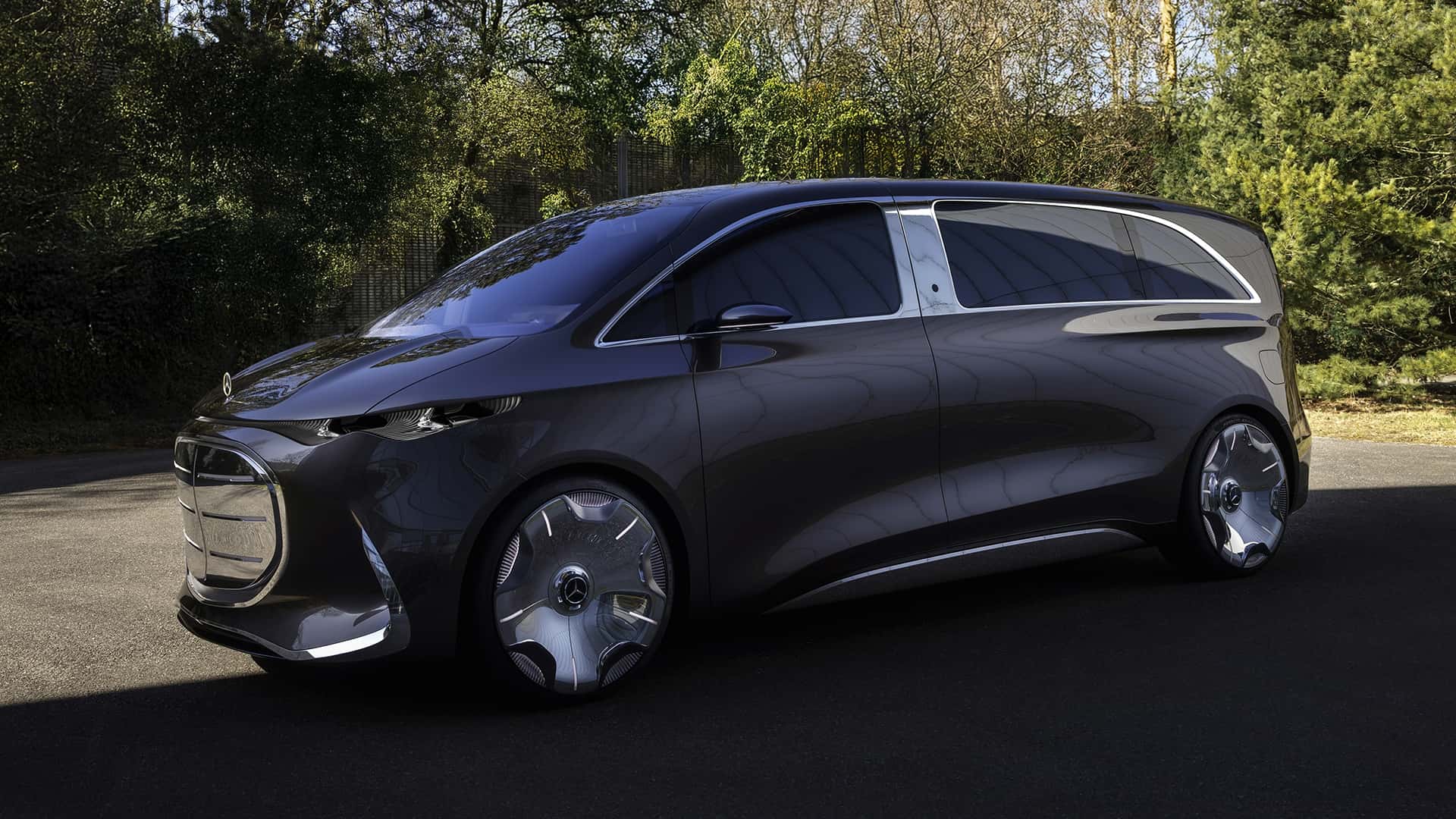
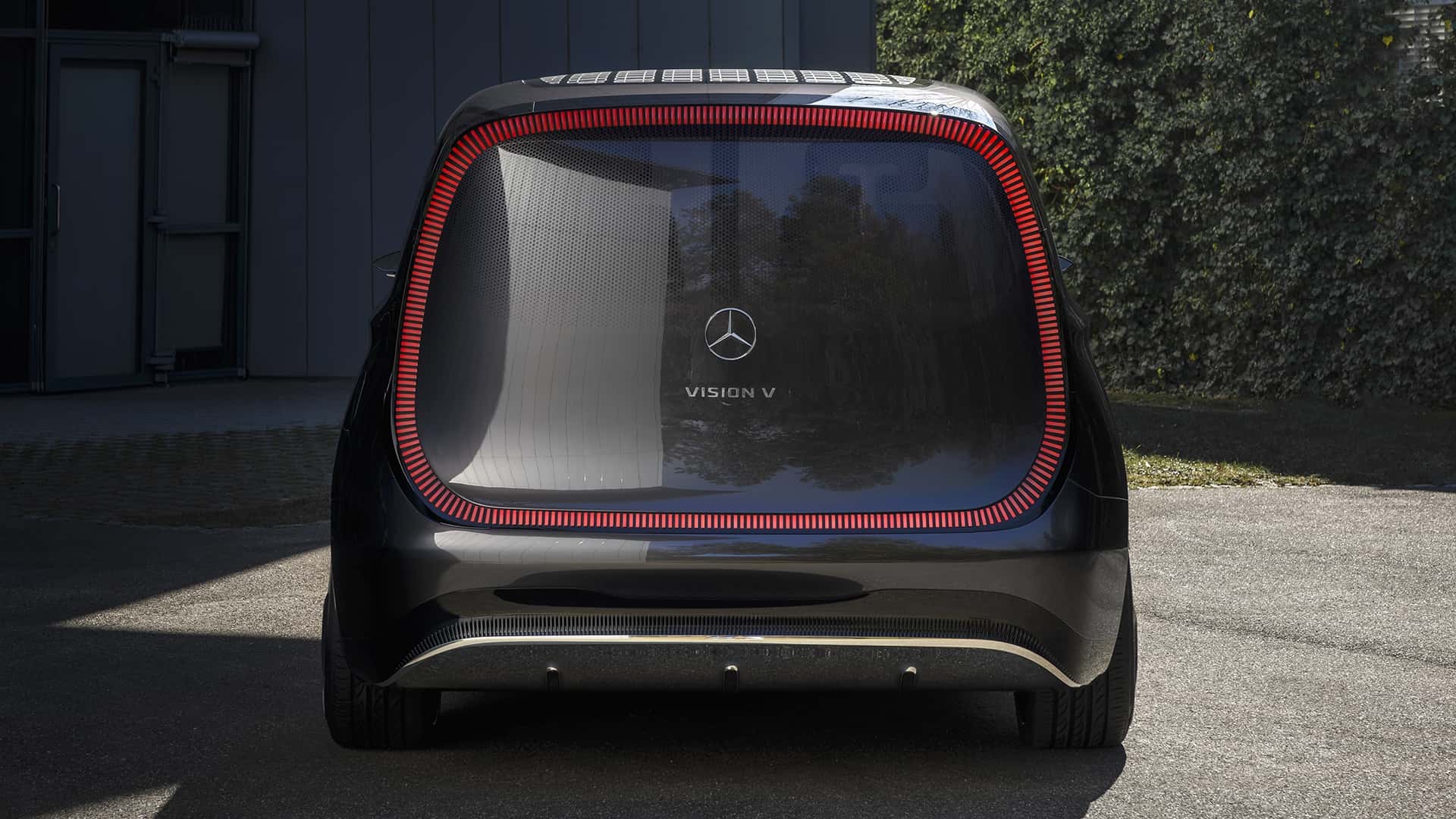
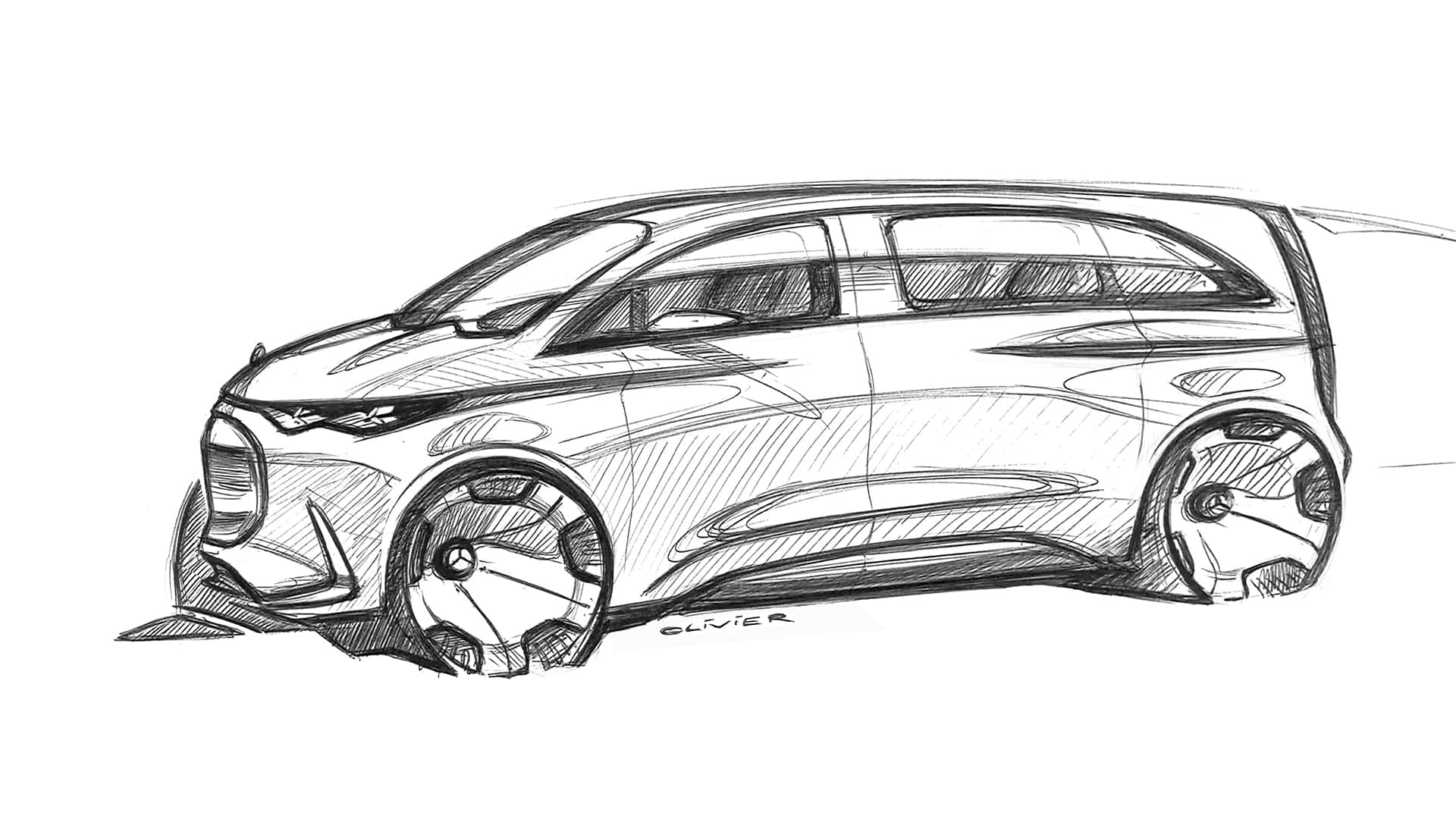
Visually, the VLE makes a bold statement. With design elements inspired by premium models like the S-Class and GLC EQ, it clearly positions itself as a luxury product. The illuminated grille and three-pointed star-shaped headlights are not just aesthetic choices; they also reflect a trend seen in the Chinese market, where vans sport bold and expressive designs akin to the Lexus LM. This stylistic choice could be an industry hit, aimed at attracting an increasingly discerning clientele.
Unprecedented Versatility
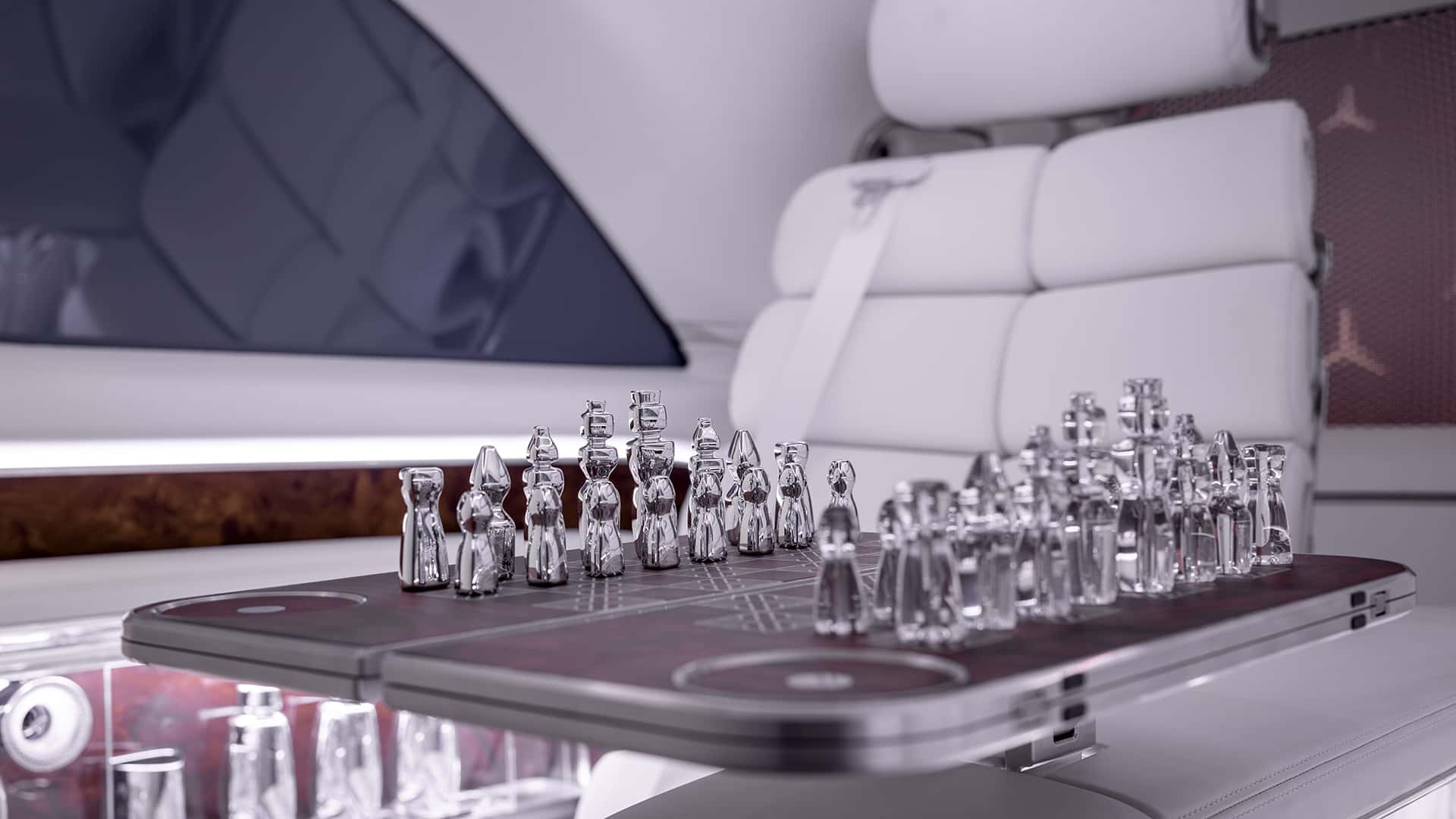
Mercedes promises that the VLE will combine the best features of both worlds: sedan comfort and MPV practicality. With seating for up to eight passengers, the vehicle is designed to adapt to various lifestyles, catering to both large families and premium transport needs. However, this promise of versatility must be backed by innovative features and a thoughtfully organized interior. In practice, the challenge will be turning this vision into reality on the roads.
Performance That Meets Expectations
When it comes to performance, the VLE has yet to reveal all its secrets. However, its rear axle steering angle, which can reach up to 7°, and a turning radius of less than 10.9 meters are promising indicators of enhanced maneuverability. This could make the VLE a significant player in the van segment, traditionally criticized for its bulk. In practice, this agility may attract customers seeking a vehicle that is both spacious and easy to maneuver.
Flexible Production in Response to Demand
The factory in Vitoria, Spain, will be the heart of VLE production, assembled on the same line as other models like the V-Class and Vito. This flexibility in production will allow Mercedes to tailor its offerings based on customer demand, a key approach in a constantly changing market. In short, Mercedes may be laying the groundwork for a more resilient economic model in the face of market fluctuations.
Answering Contemporary Challenges
The choice of a 100% electric model aligns with the global trend towards sustainability. By adopting this strategy, Mercedes is not just following the movement; it aims to lead in the face of increasing competition. Brands like Volkswagen and Renault have already established solid benchmarks in the electric vehicle space. Thus, the VLE can be seen as a response to this competitive pressure, reaffirming Mercedes’ commitment to electrification.
Conclusion
- The VLE represents a strategic turning point for Mercedes in the van segment.
- Its bold design primarily targets the Chinese and European markets.
- Versatility and spaciousness of the interior are at the core of its strengths.
- Flexible production will allow adjustments based on demand.
- This electric model addresses growing environmental challenges.
In summary, the Mercedes VLE presents itself as an ambitious project that could redefine the landscape of electric vans. Who will find this model appealing? Large families, transport professionals, and those seeking a premium and versatile vehicle are likely to be interested. However, competition is fierce, and balancing innovation with practicality will be a challenge. In the medium term, if the VLE can establish itself in the market, it could become a key player in the electric commercial vehicle sector, thereby redefining standards for comfort and performance.