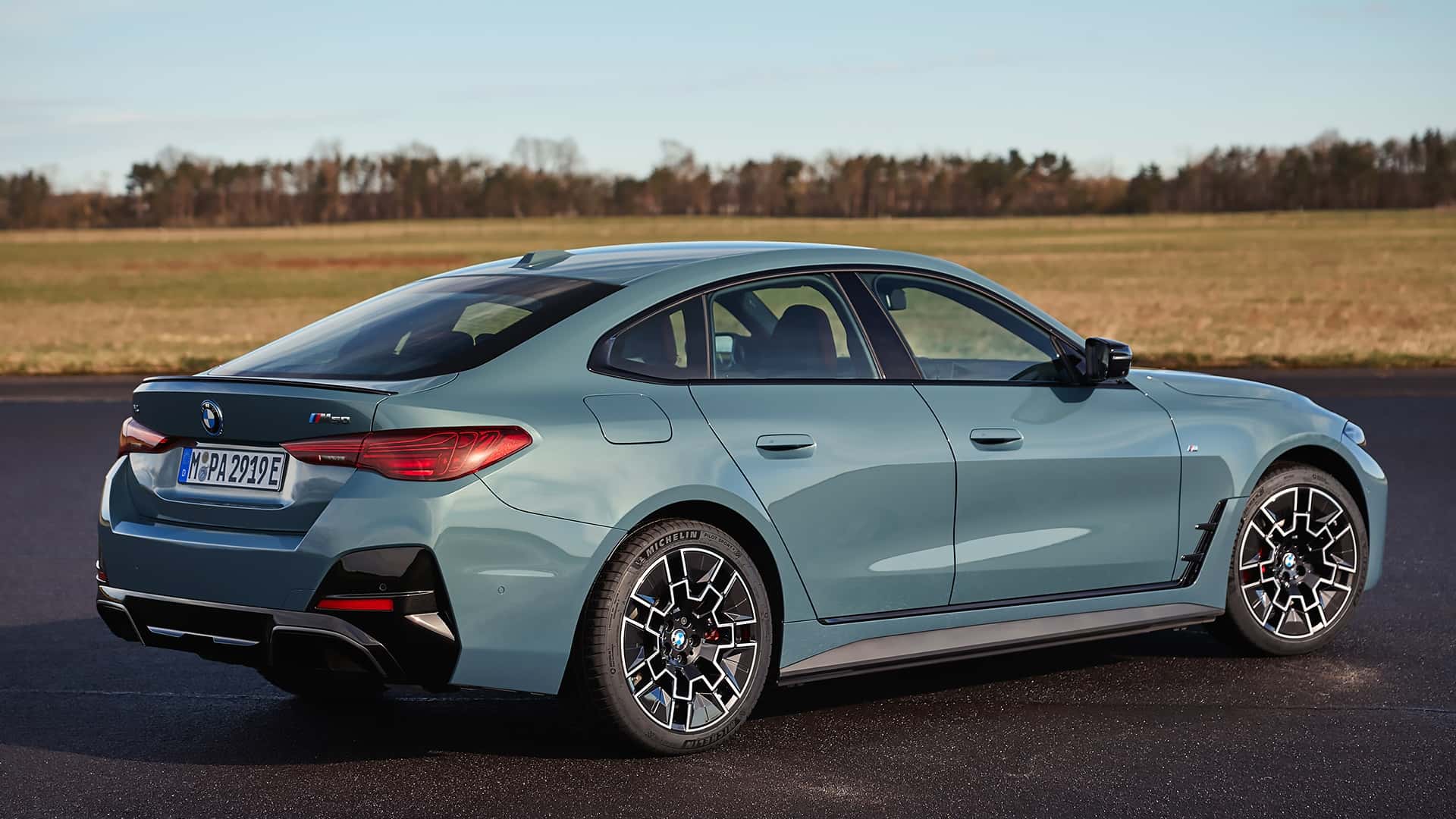
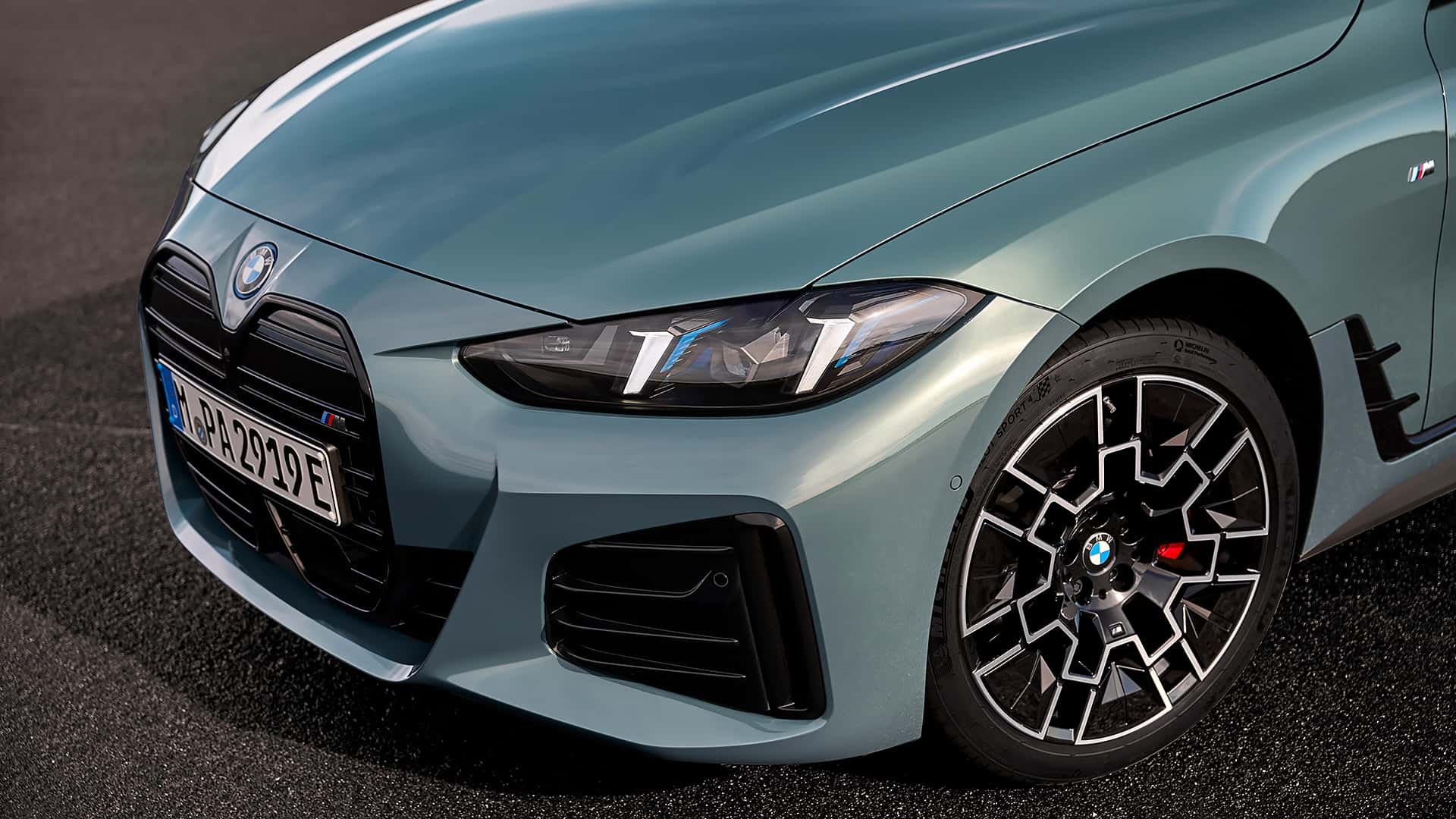
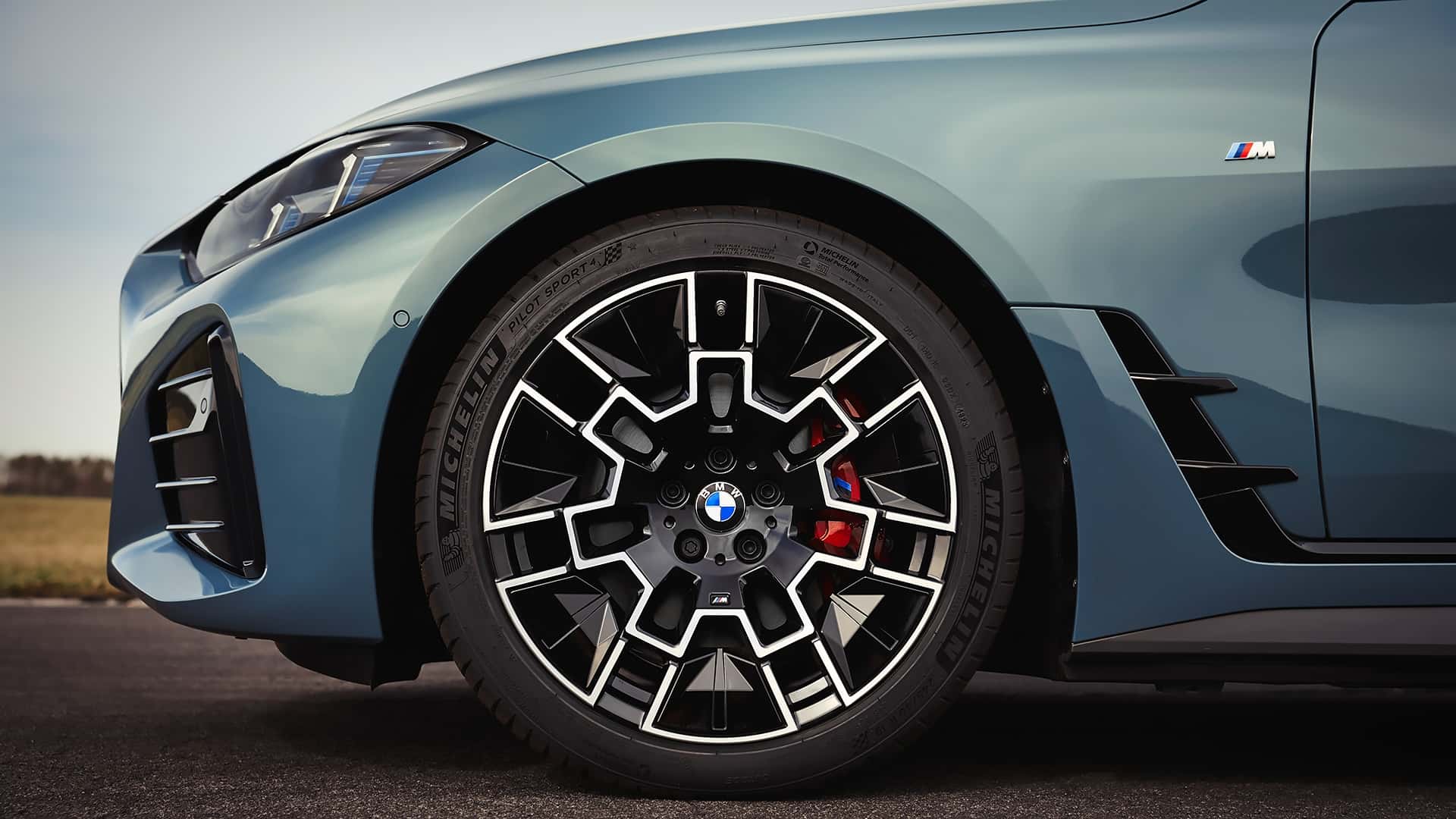
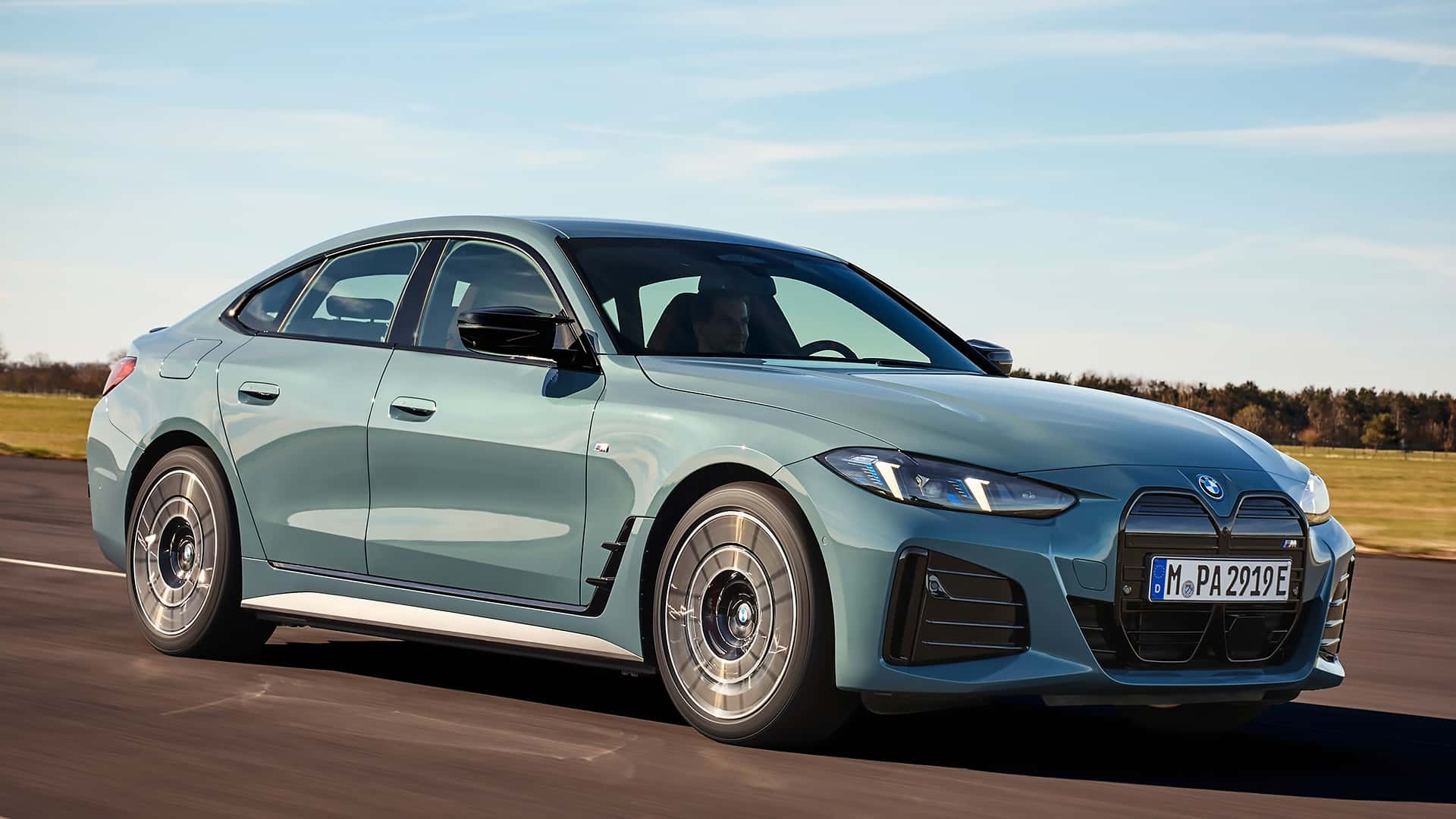
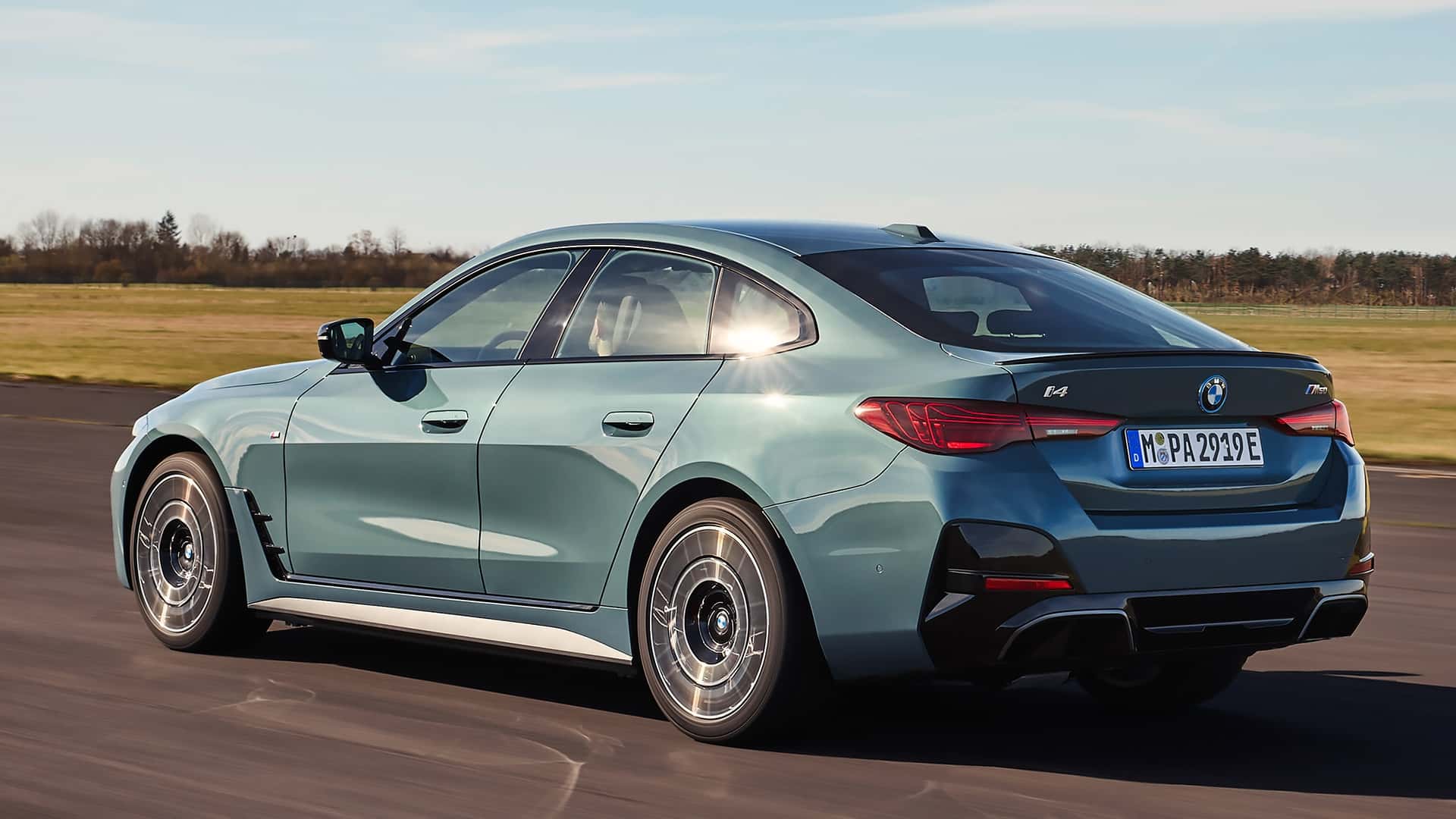
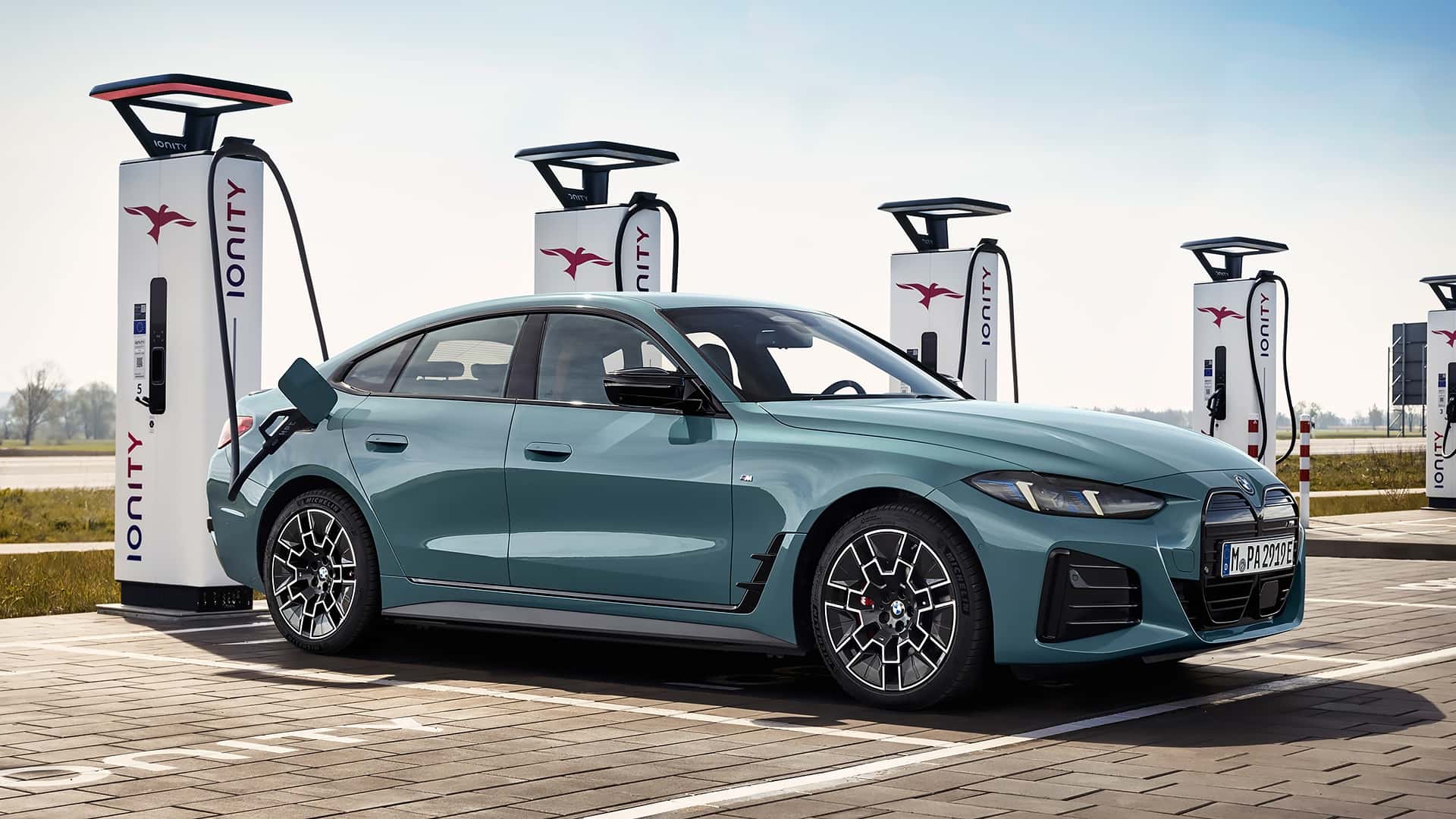
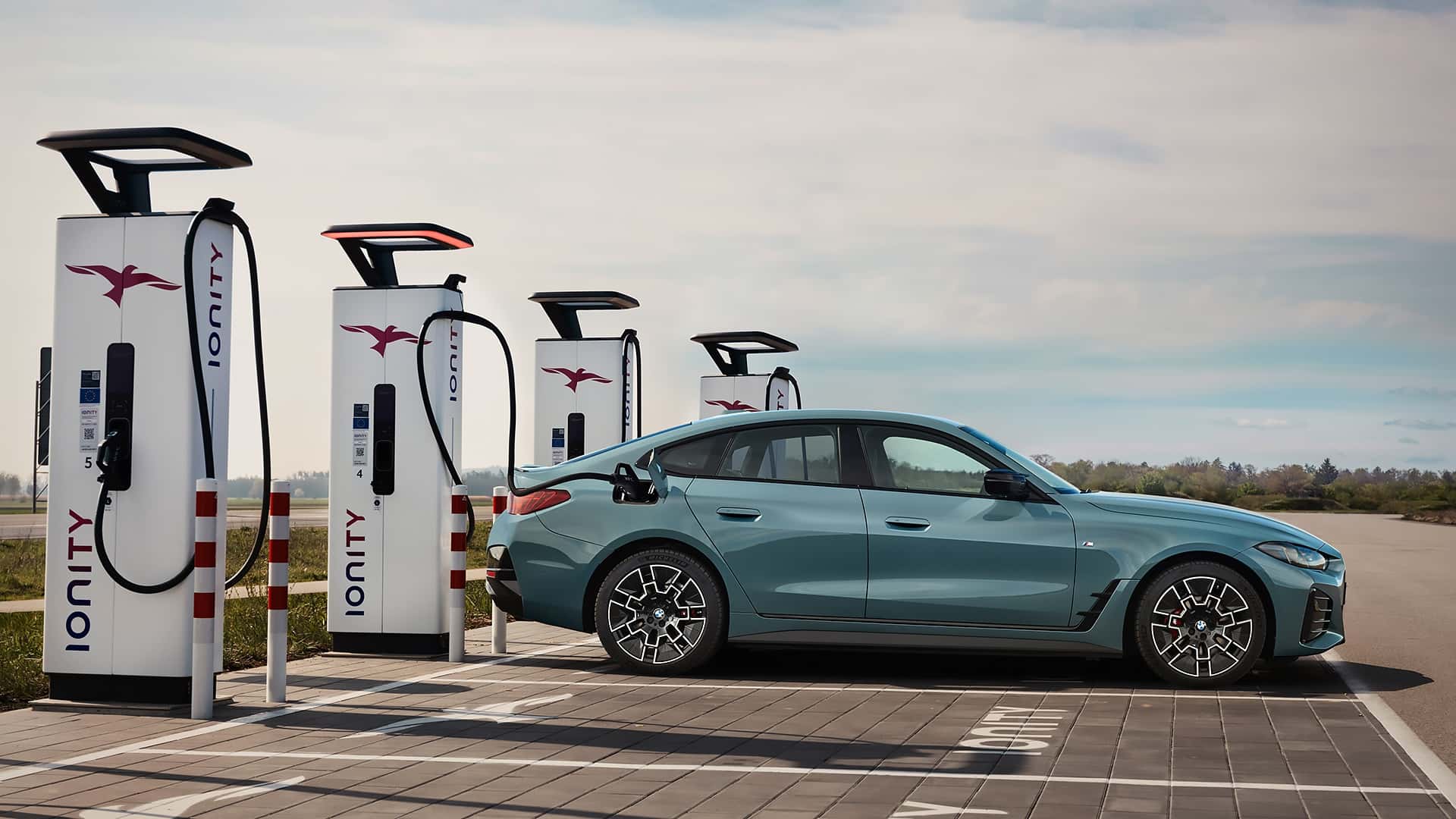
Automotive design is an art that merges aesthetics and technology, often concealing the technical complexity behind visual beauty. How these elements are integrated is crucial for a vehicle’s success.
Modern car design has evolved beyond mere appearance; it’s about creating an experience that combines functionality with aesthetics. Manufacturers are increasingly focusing on how technology can enhance the user experience, from connectivity to energy efficiency. The way technology is presented in a vehicle’s design can influence consumer perceptions of the brand and model.
Aesthetics: A Bridge Between Technology and User
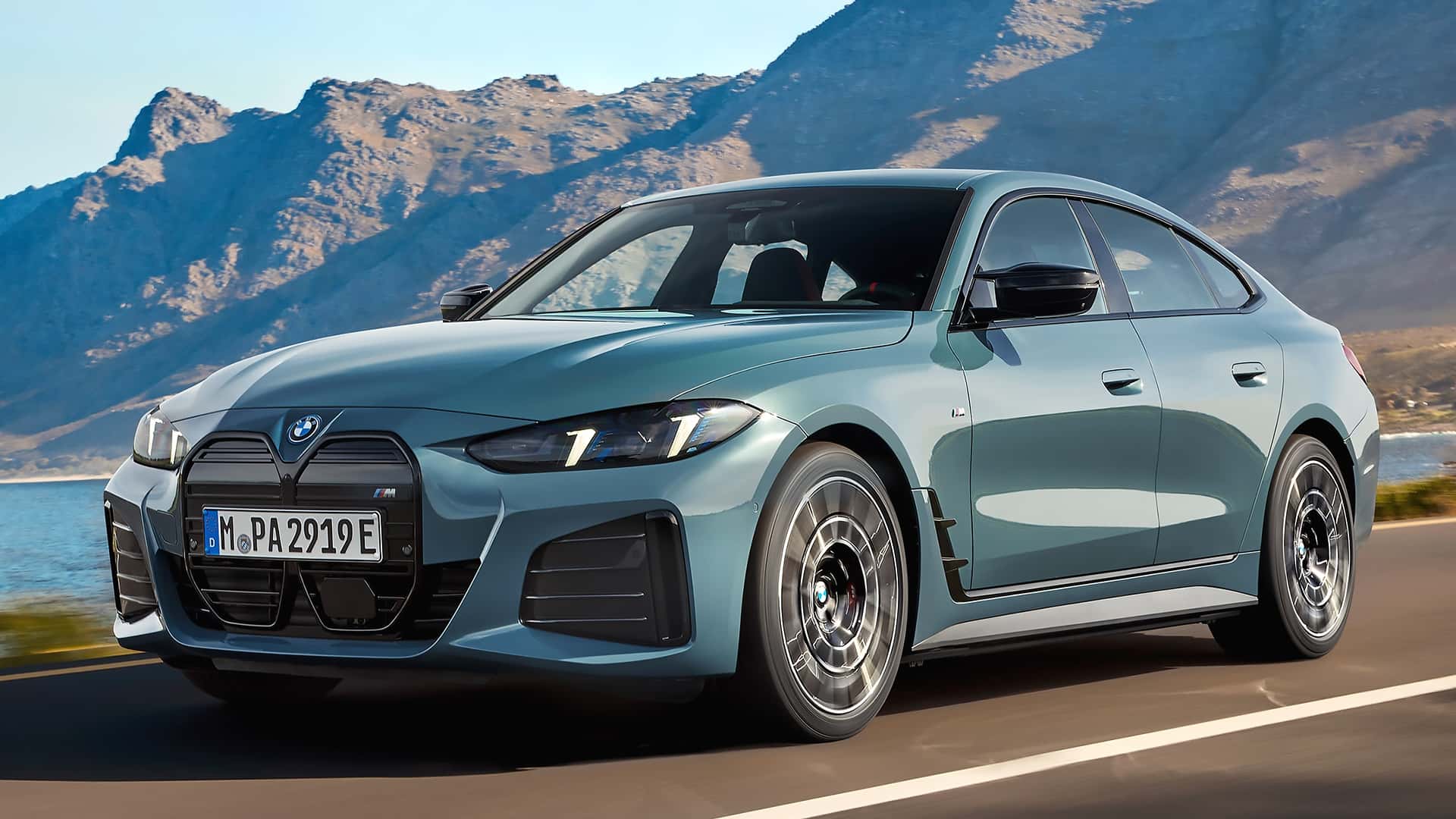
Aesthetics play a fundamental role in how consumers perceive a vehicle. The look of a car can attract buyers, but it must also reflect the quality and innovation found within. Designers must harmonize form and function, ensuring that the exterior design is not only appealing but also practical and functional.
Advancements in design technology have enabled manufacturers to create visually stunning vehicles while delivering exceptional performance. The integration of technologies like artificial intelligence and connectivity in automotive design has ushered in a new era of vehicles that are not only beautiful but also smart and efficient.

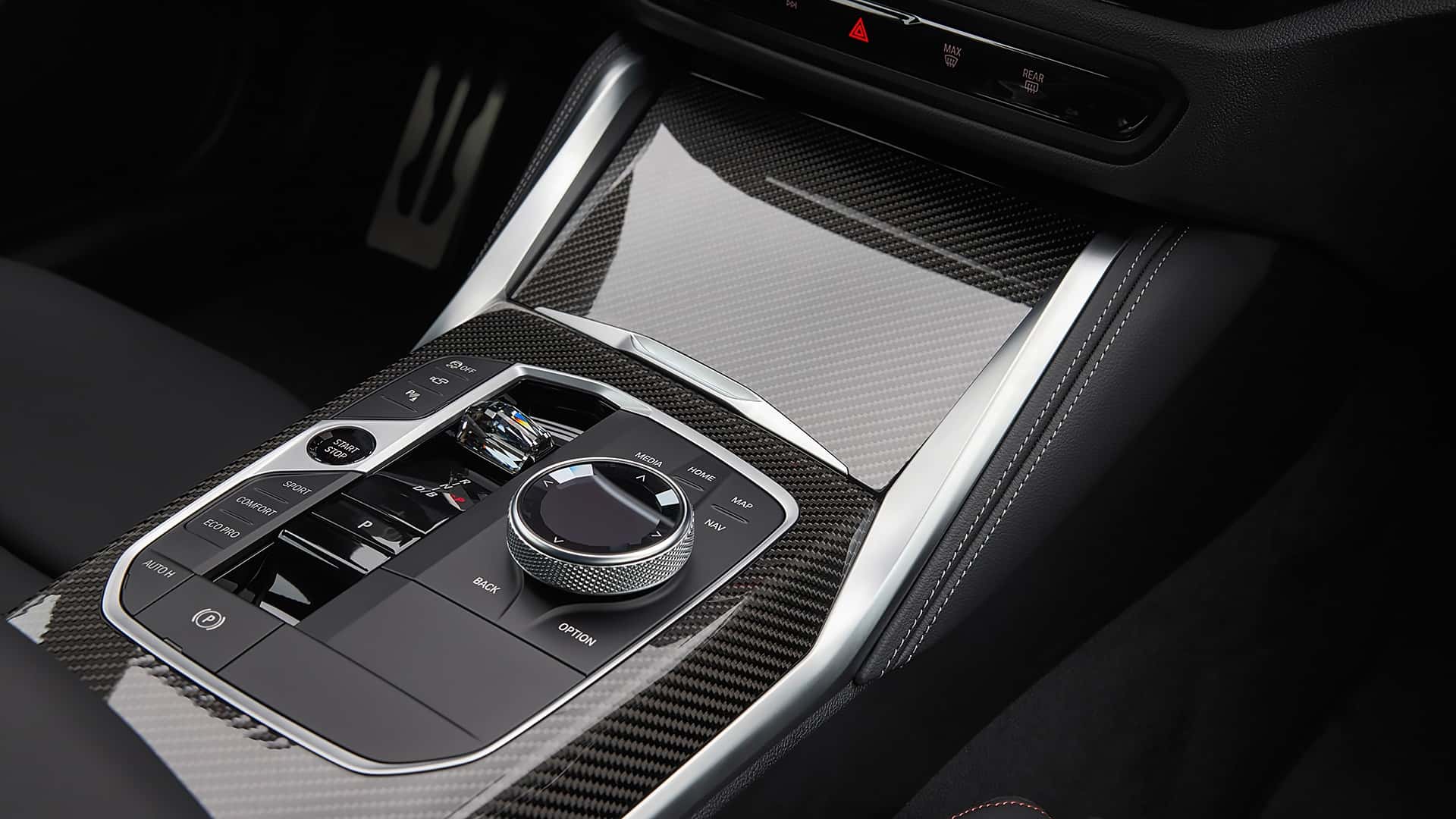
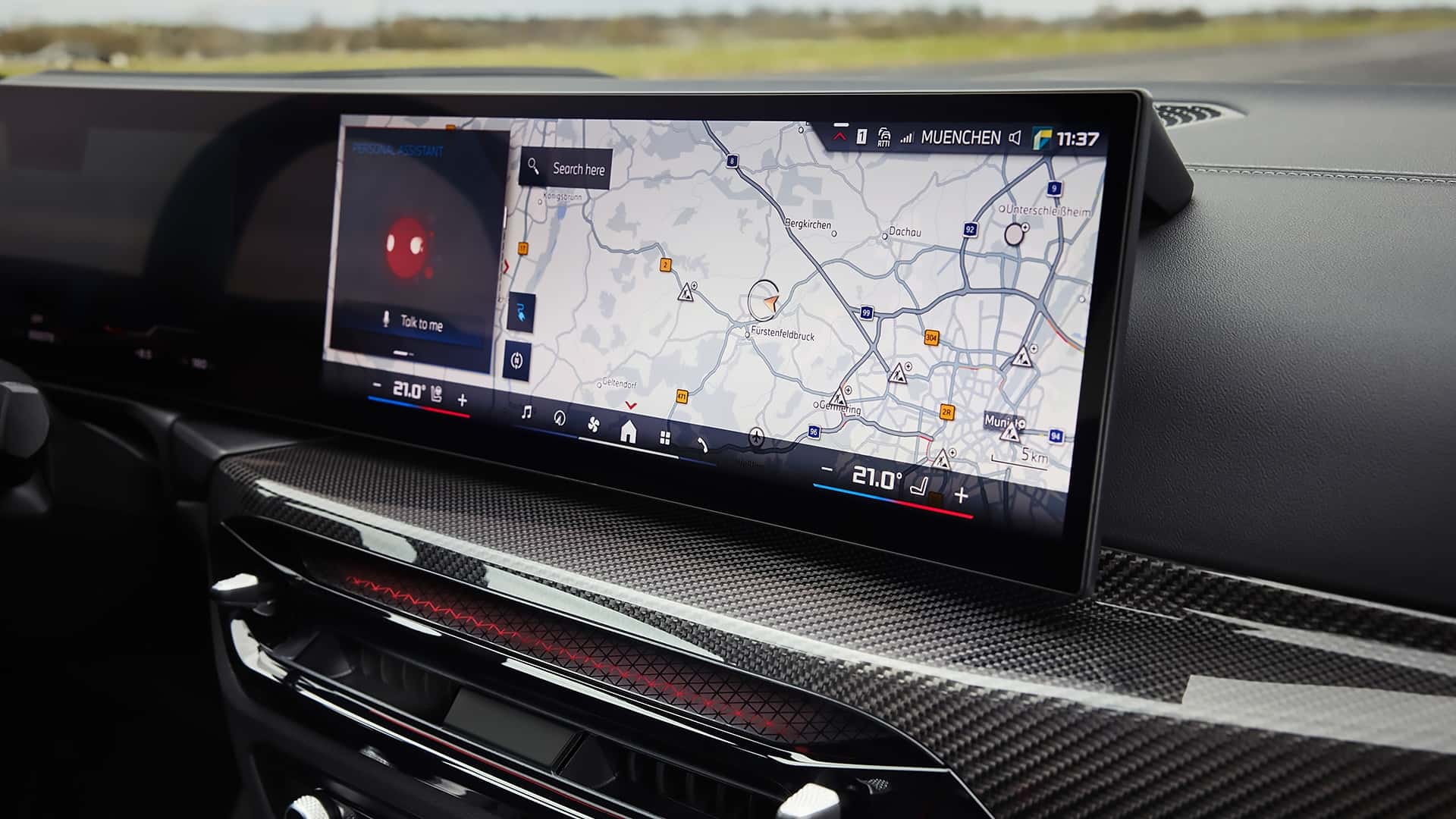
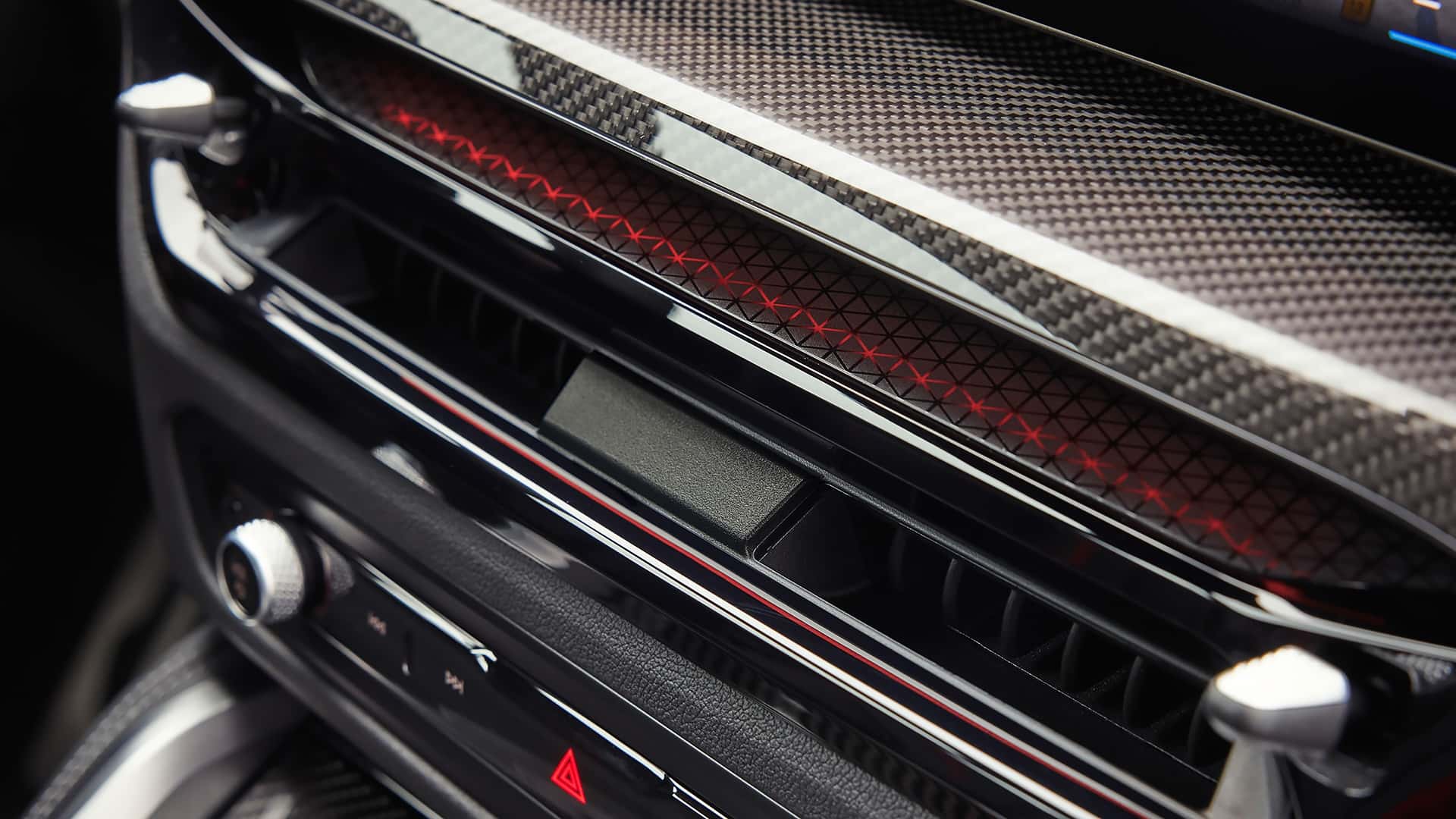
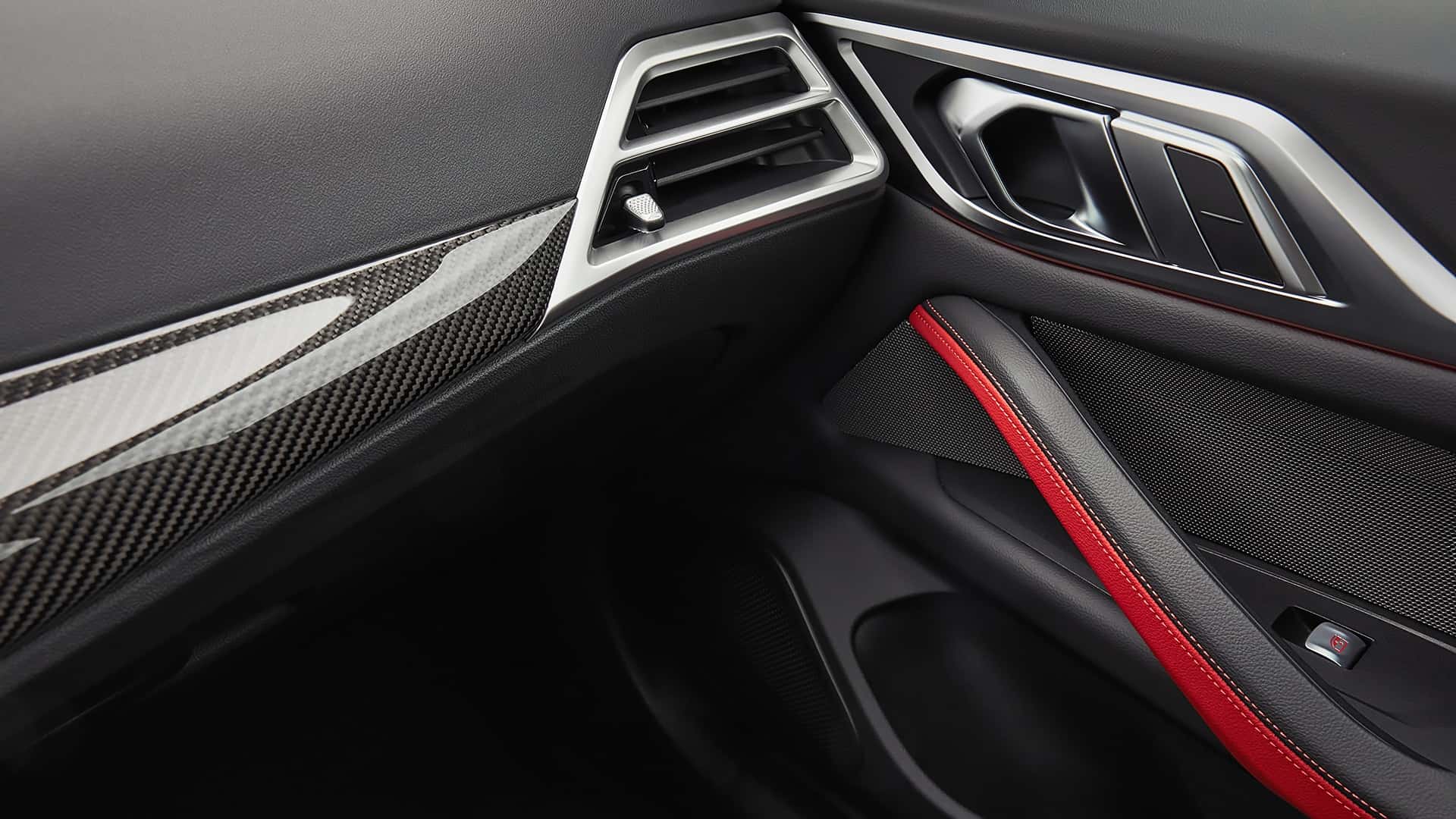
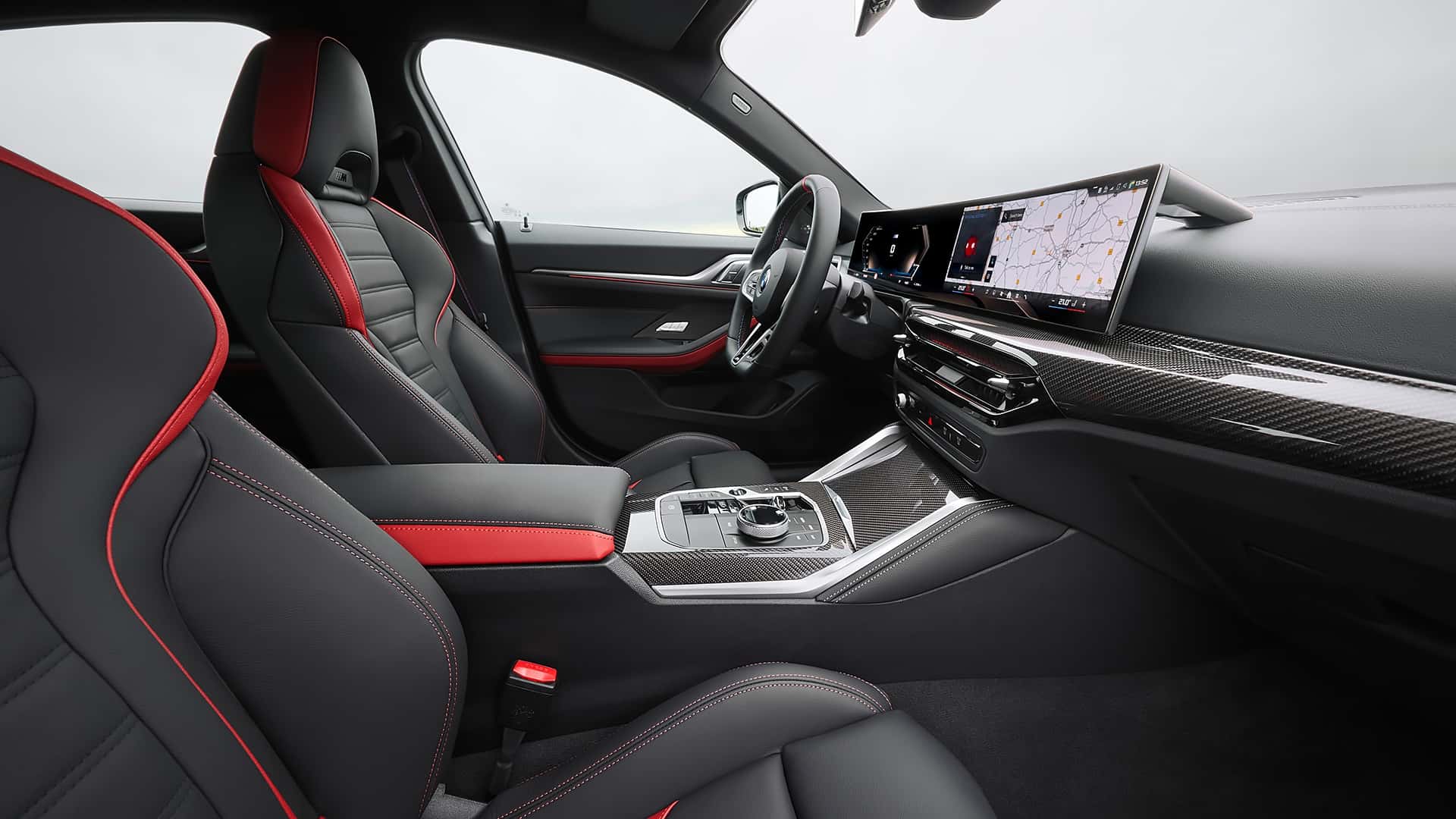
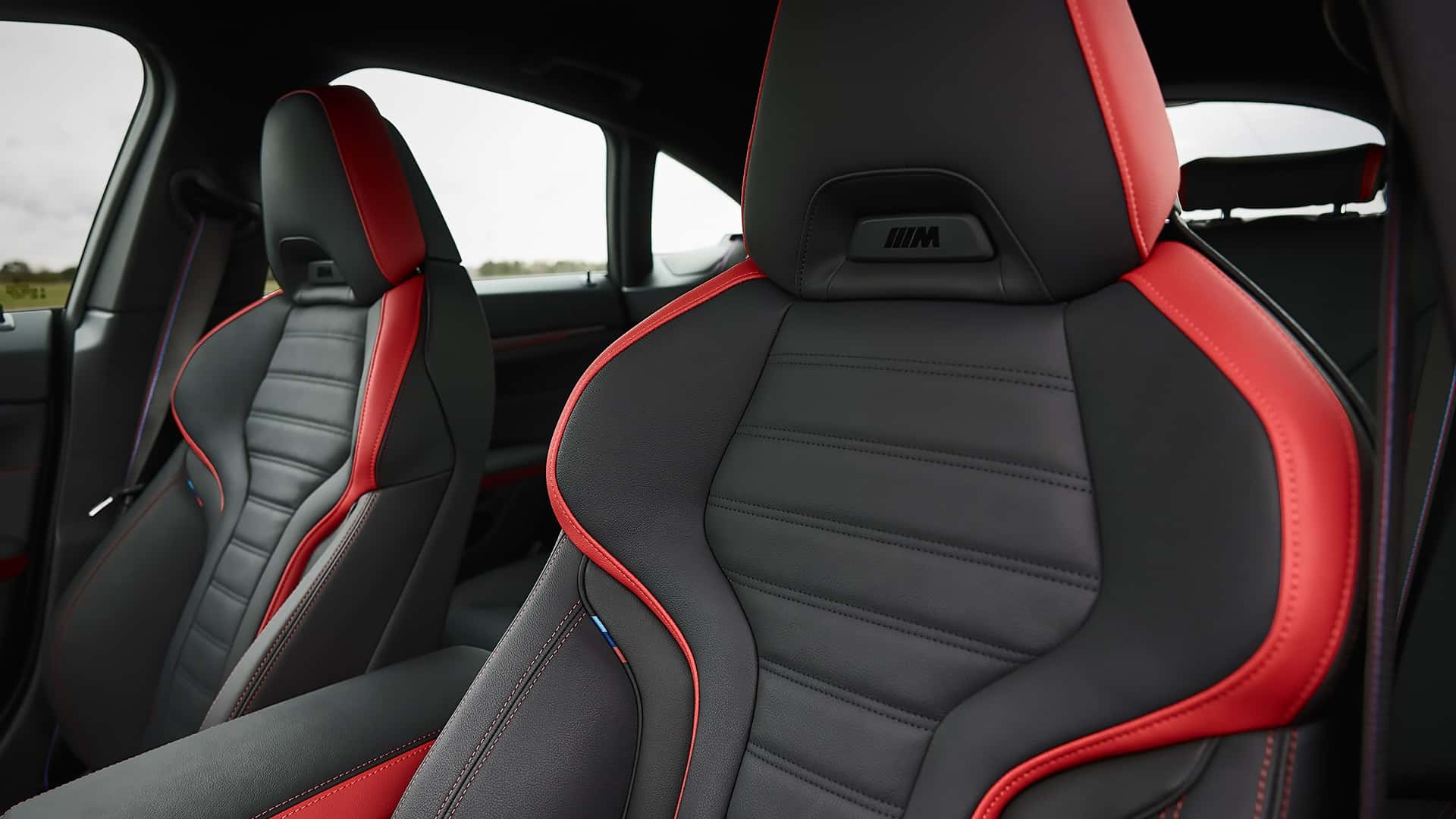
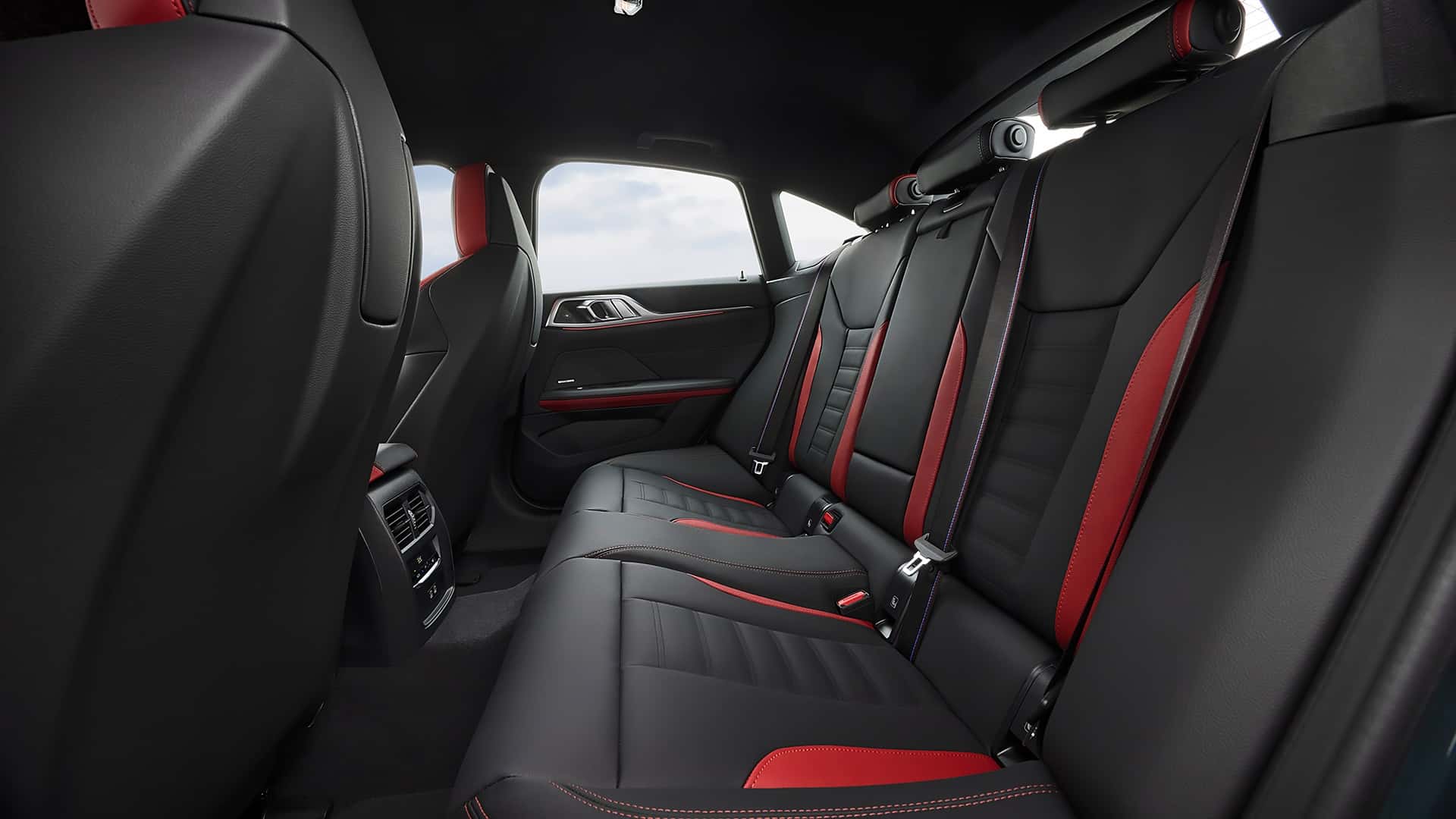
The aesthetics of automotive design concern not only the exterior appearance but also how technology is perceived inside the vehicle. Manufacturers are working to create interiors that are as appealing as they are functional, using high-quality materials and advanced technology to enhance the experience for drivers and passengers.
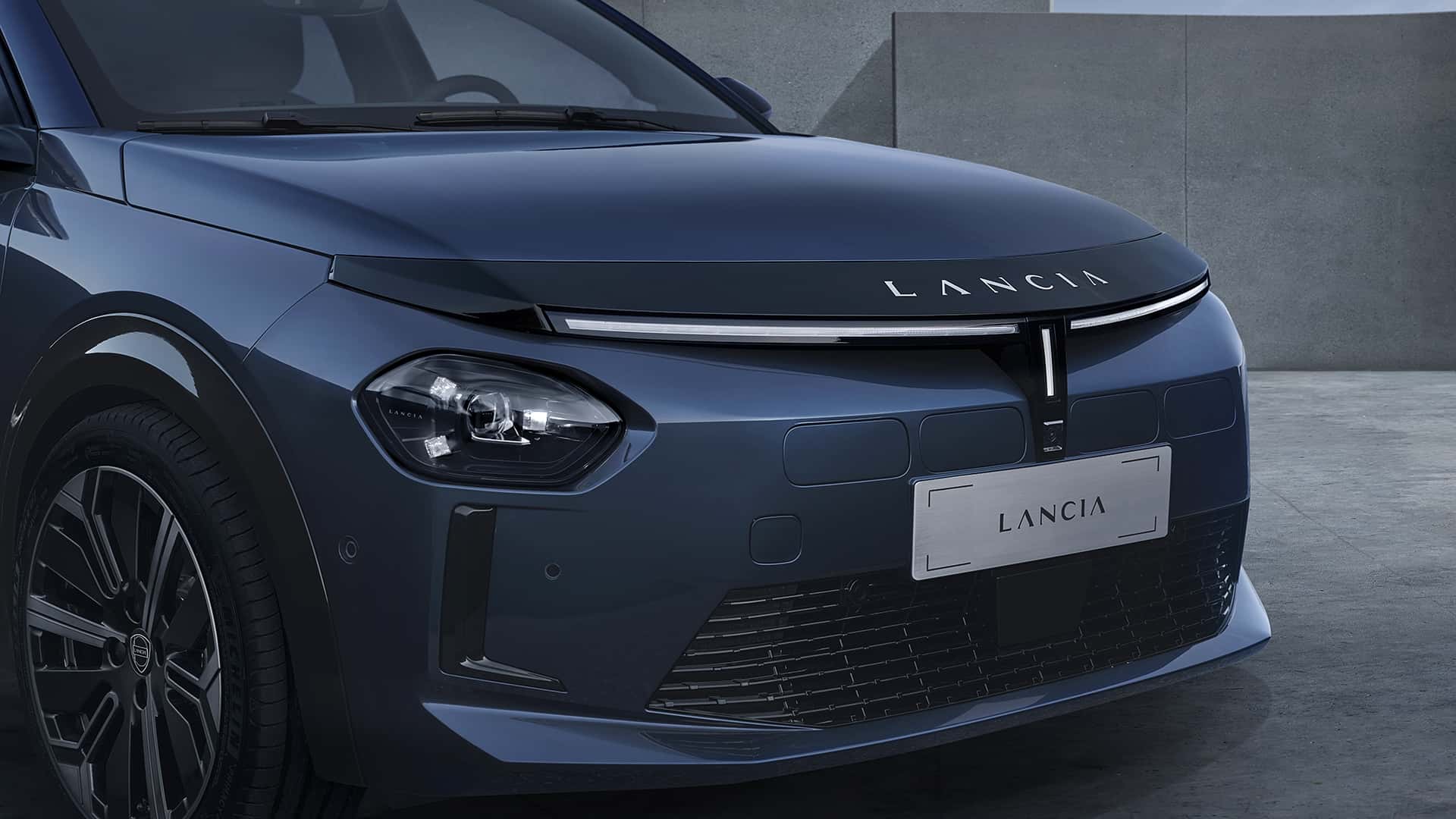
Modern car interiors are designed to be intuitive and user-friendly, featuring touchscreens and controls that give drivers easy access to technology. Ergonomics is also a key factor in design, ensuring that seats and controls are positioned for comfort and accessibility.
Technology as a Design Element: A Sustainable Future
Sustainability is becoming increasingly important in automotive design. Manufacturers are seeking ways to reduce their carbon footprint and create more environmentally friendly vehicles. This includes using recyclable materials and implementing technologies that improve energy efficiency.
Electric and hybrid vehicles are examples of how technology can be integrated into automotive design to create more sustainable options. These vehicles are not only more efficient but also offer exceptional performance and a unique driving experience.

The Audi Q4 35 e-tron (2024): A design that combines aesthetics with sustainability and advanced technology.

The Tesla Model 3: An example of how technology can be integrated into automotive design to create more sustainable options.
Conclusion: The Future of Automotive Design
Automotive design is in constant flux, and the integration of technology into this process is critical for the industry’s future. As consumers increasingly prioritize sustainability and efficiency, manufacturers must adapt and find ways to innovate in their designs. Aesthetics and technology must work together to create vehicles that are not only appealing but also responsible and efficient.

The Citroën C3 (2024): A design that reflects the evolution of aesthetics and technology in the automotive industry.

The BMW Series 7: An example of how aesthetics and technology can coexist in automotive design.
Aesthetics and Technology in Automotive Design: A Bright Future
The future of automotive design hinges on the combination of aesthetics and technology. As the industry progresses, manufacturers must continue to innovate and adapt to consumer needs. Aesthetics and technology must collaborate to create vehicles that are attractive, efficient, and sustainable.
The evolution of automotive design reflects changes in society and technology. As we move toward a more sustainable future, it is crucial for manufacturers to keep exploring new ways to integrate technology into their designs and create vehicles that are not only beautiful but also responsible and efficient.