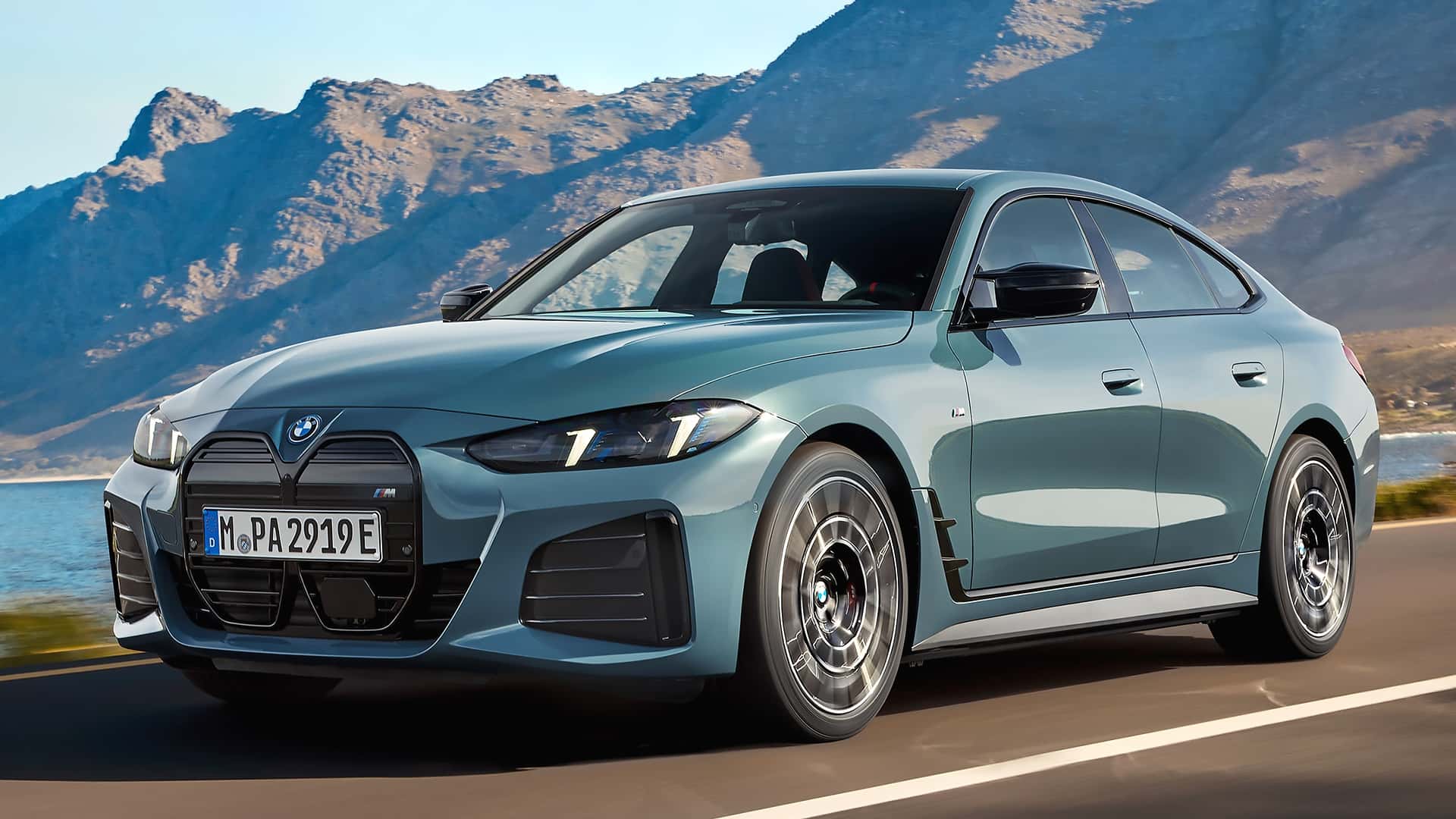
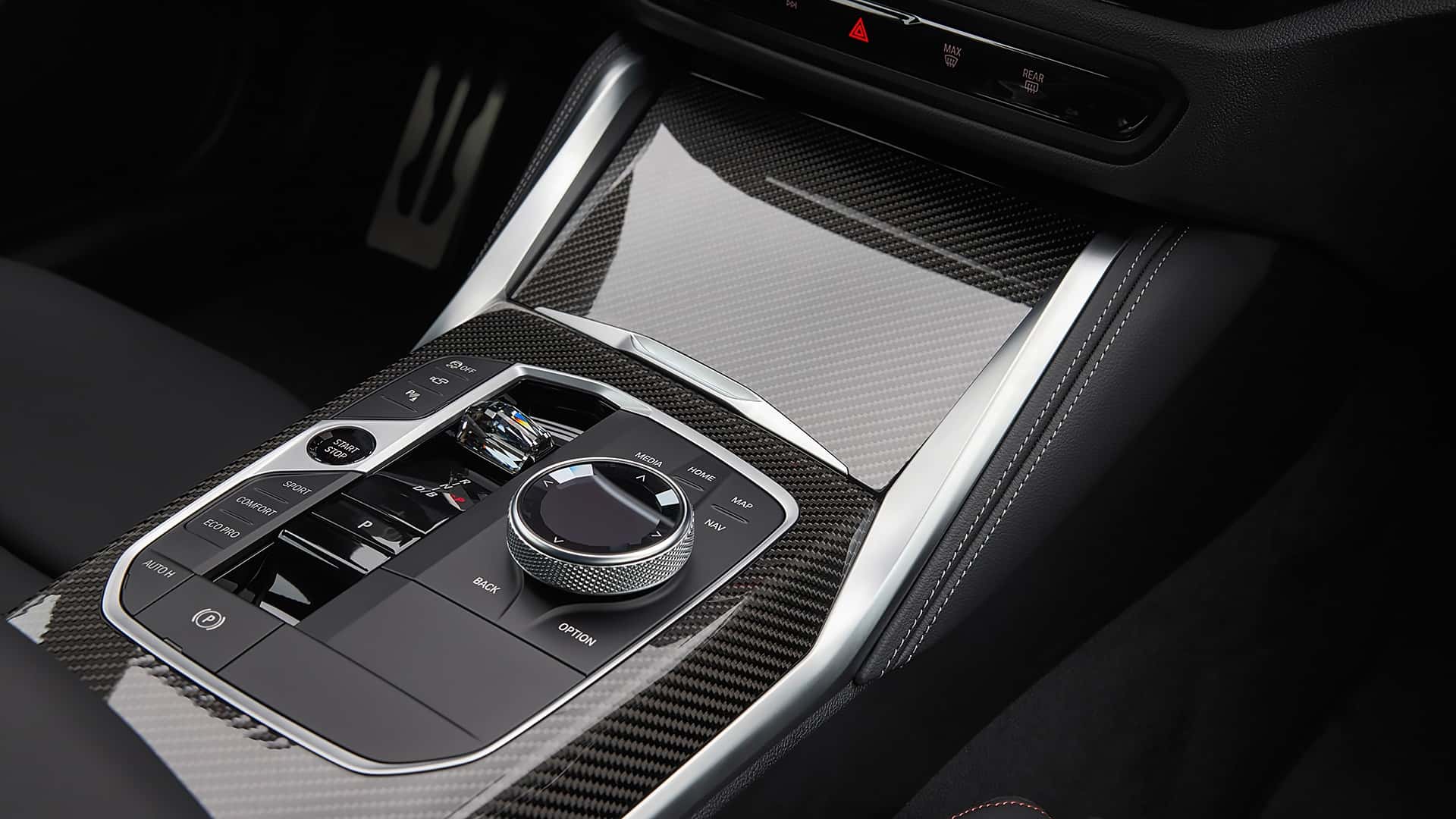
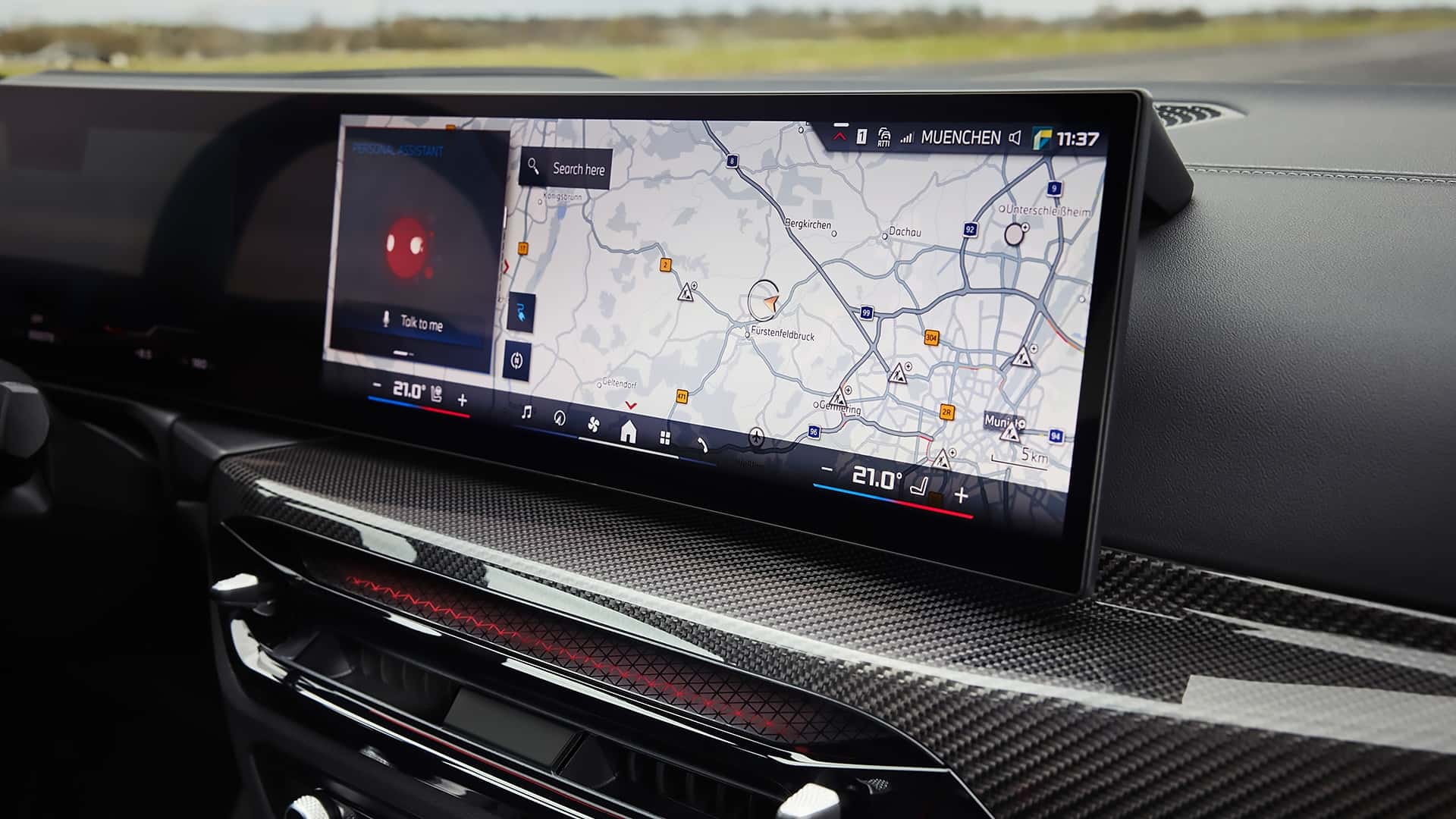
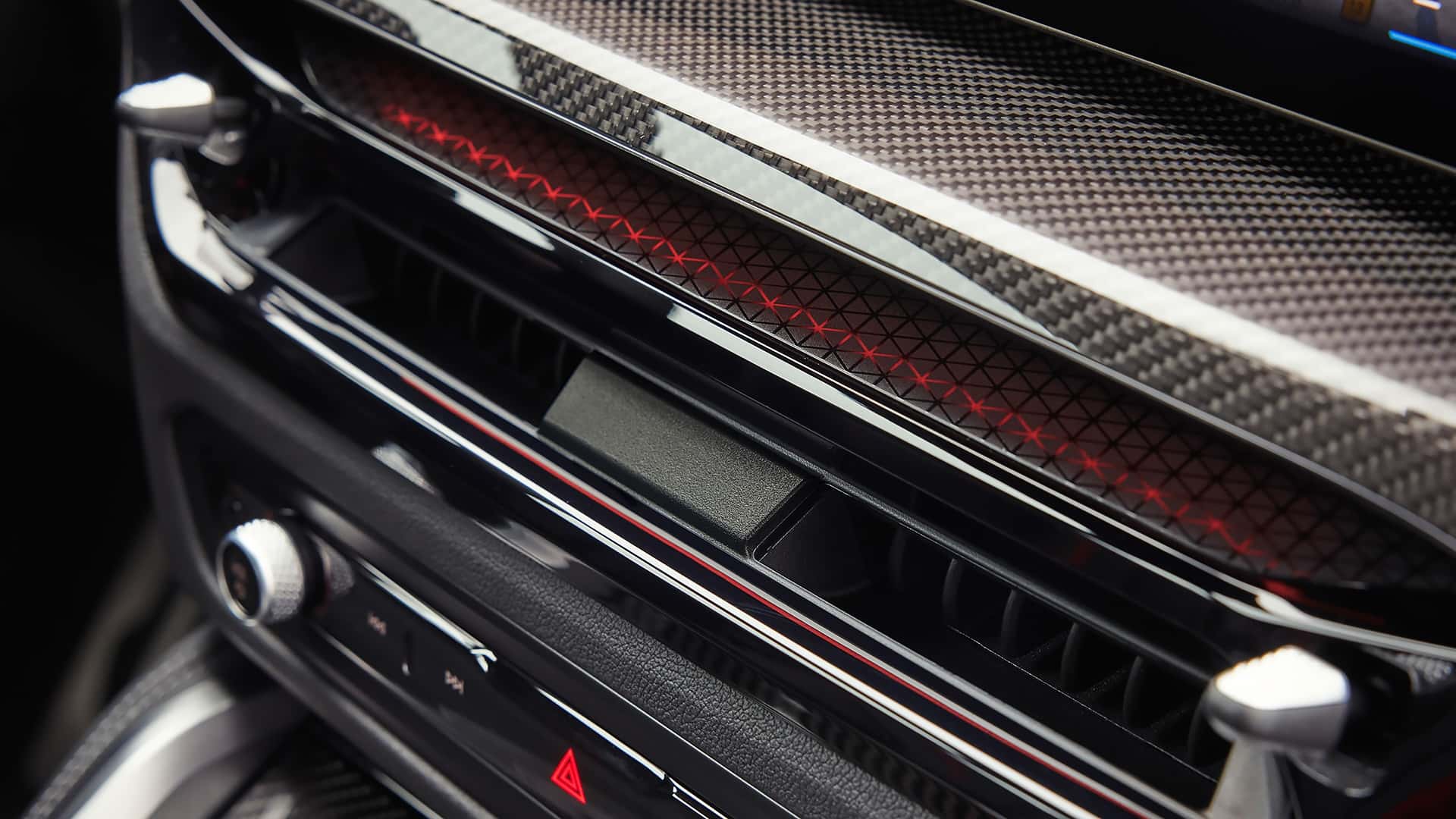
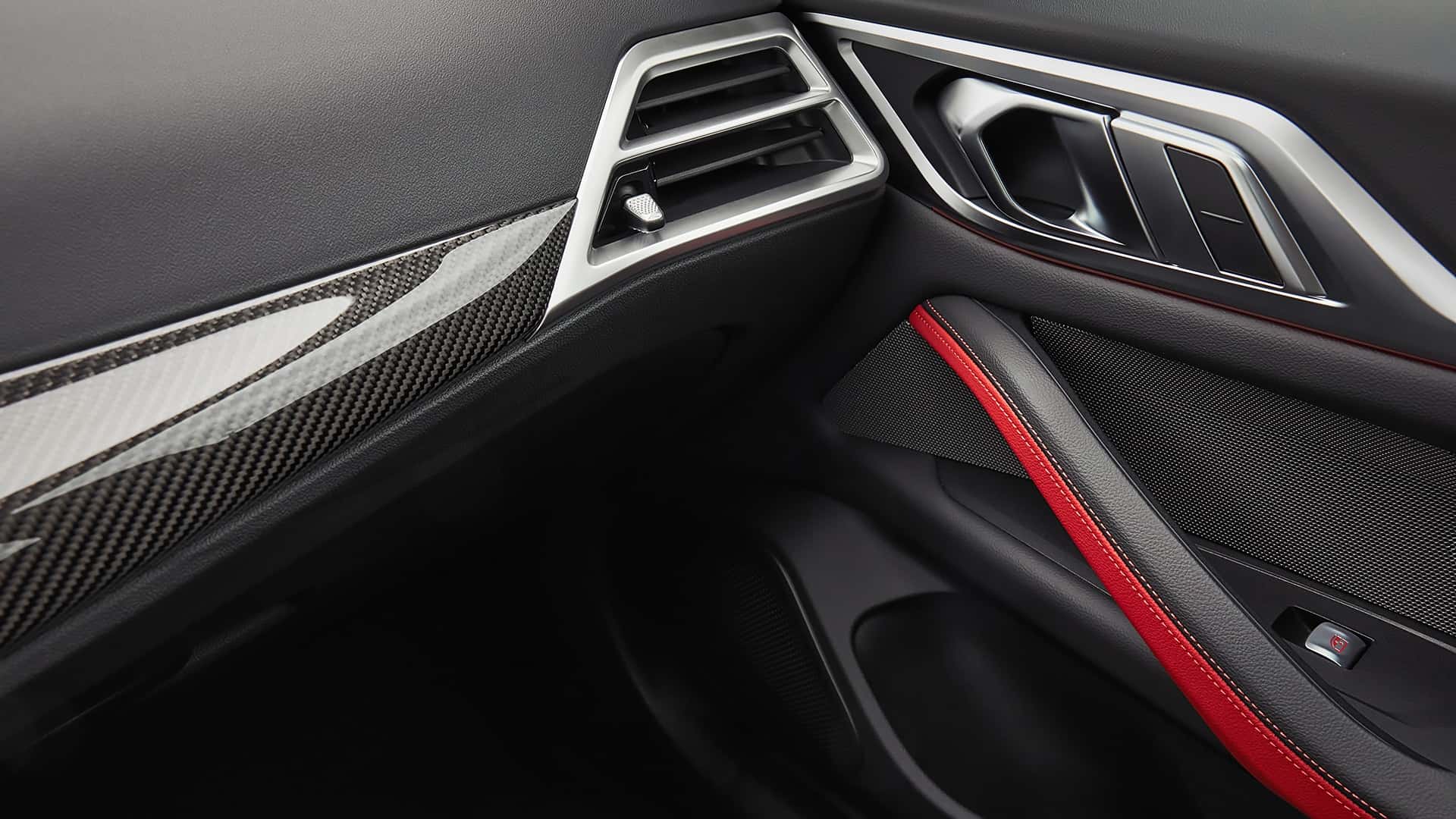
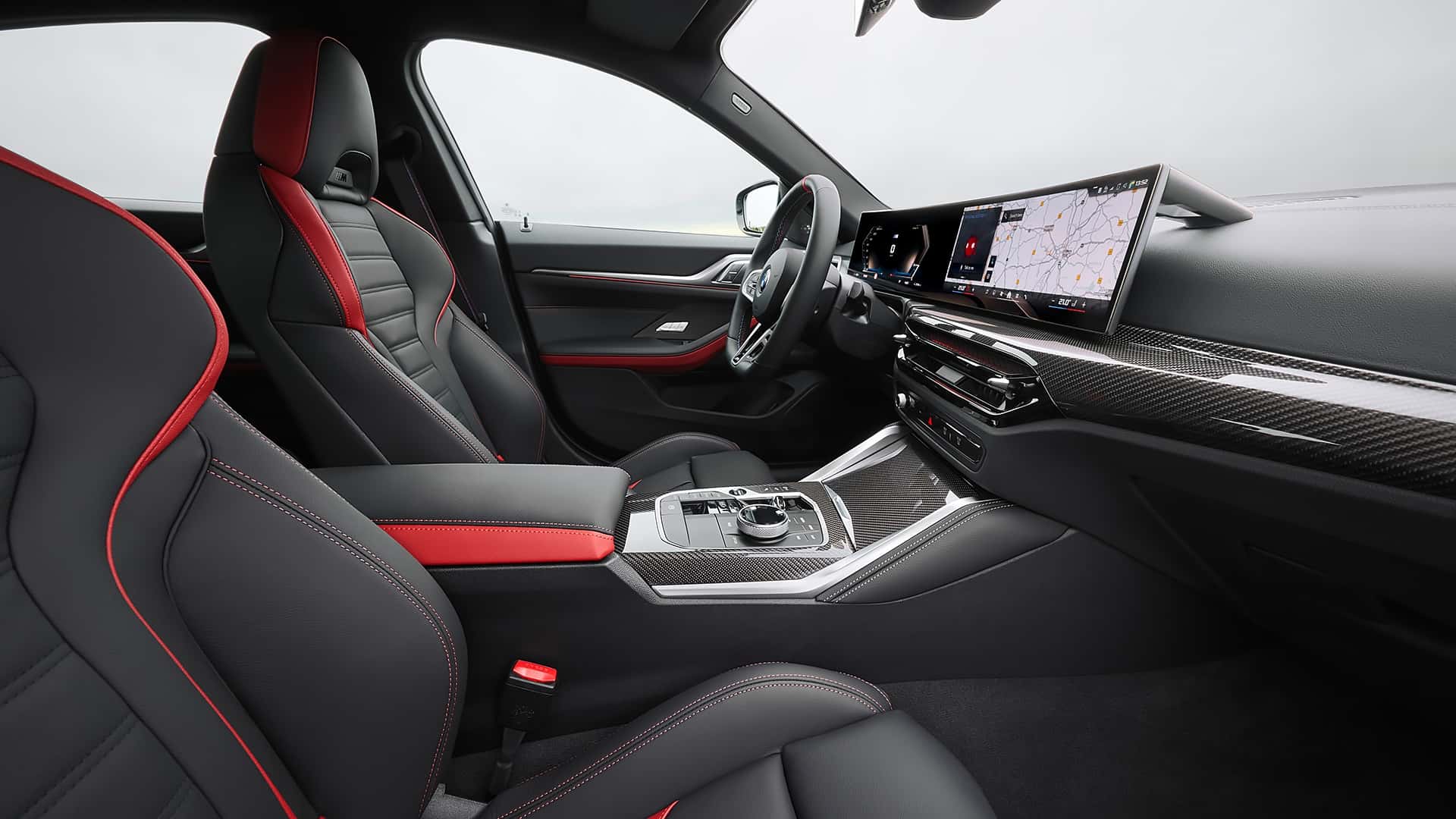
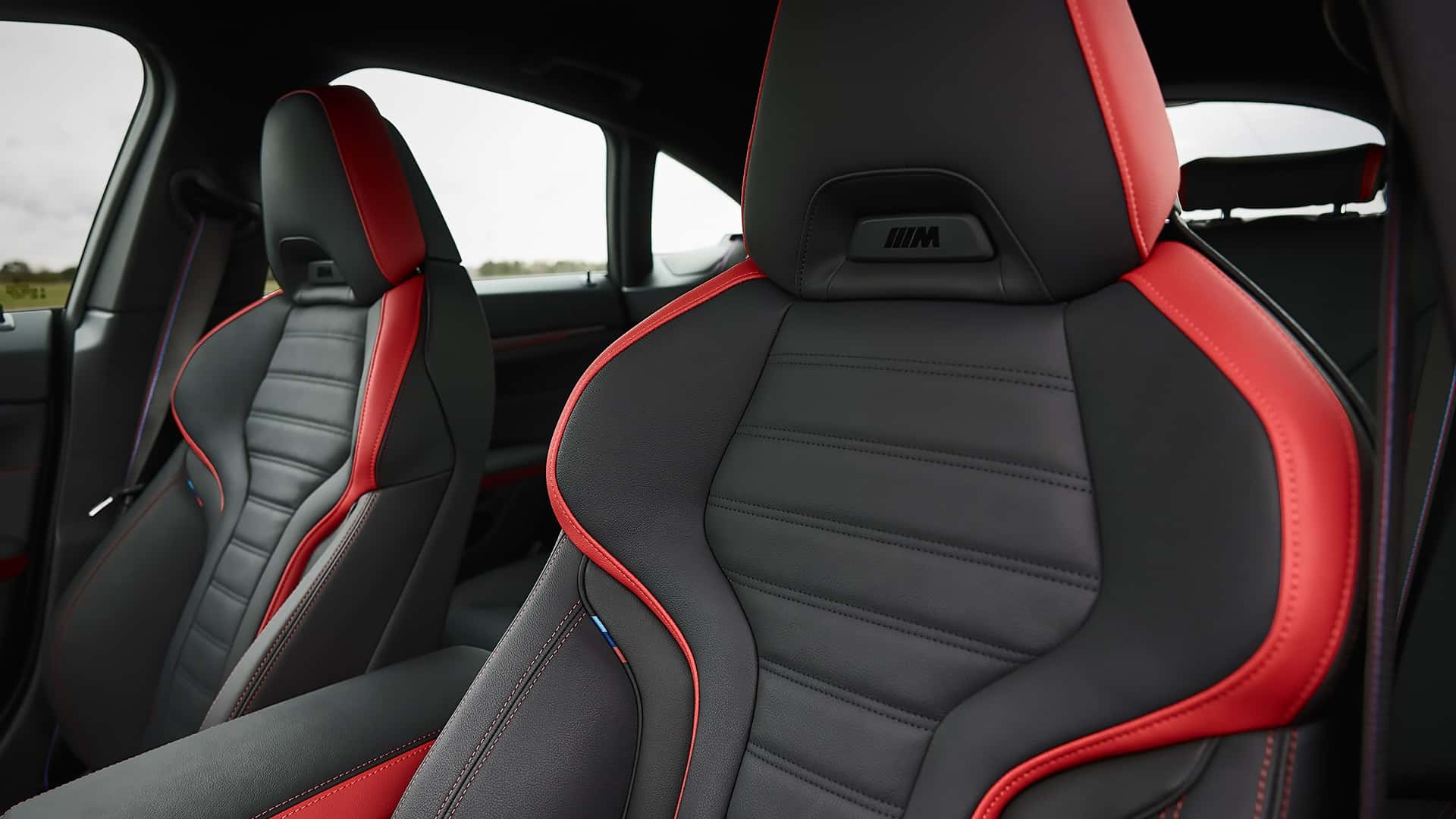
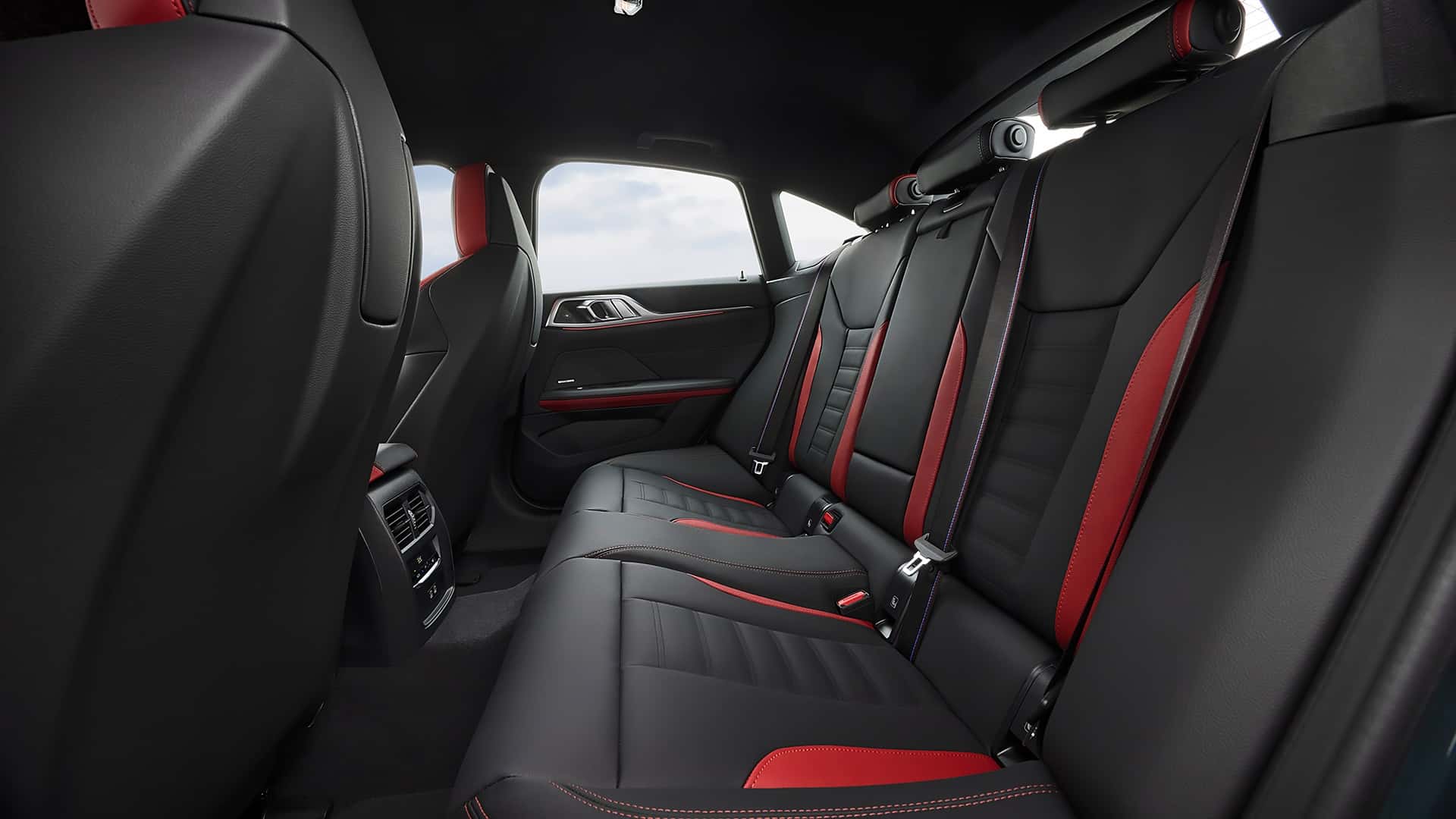
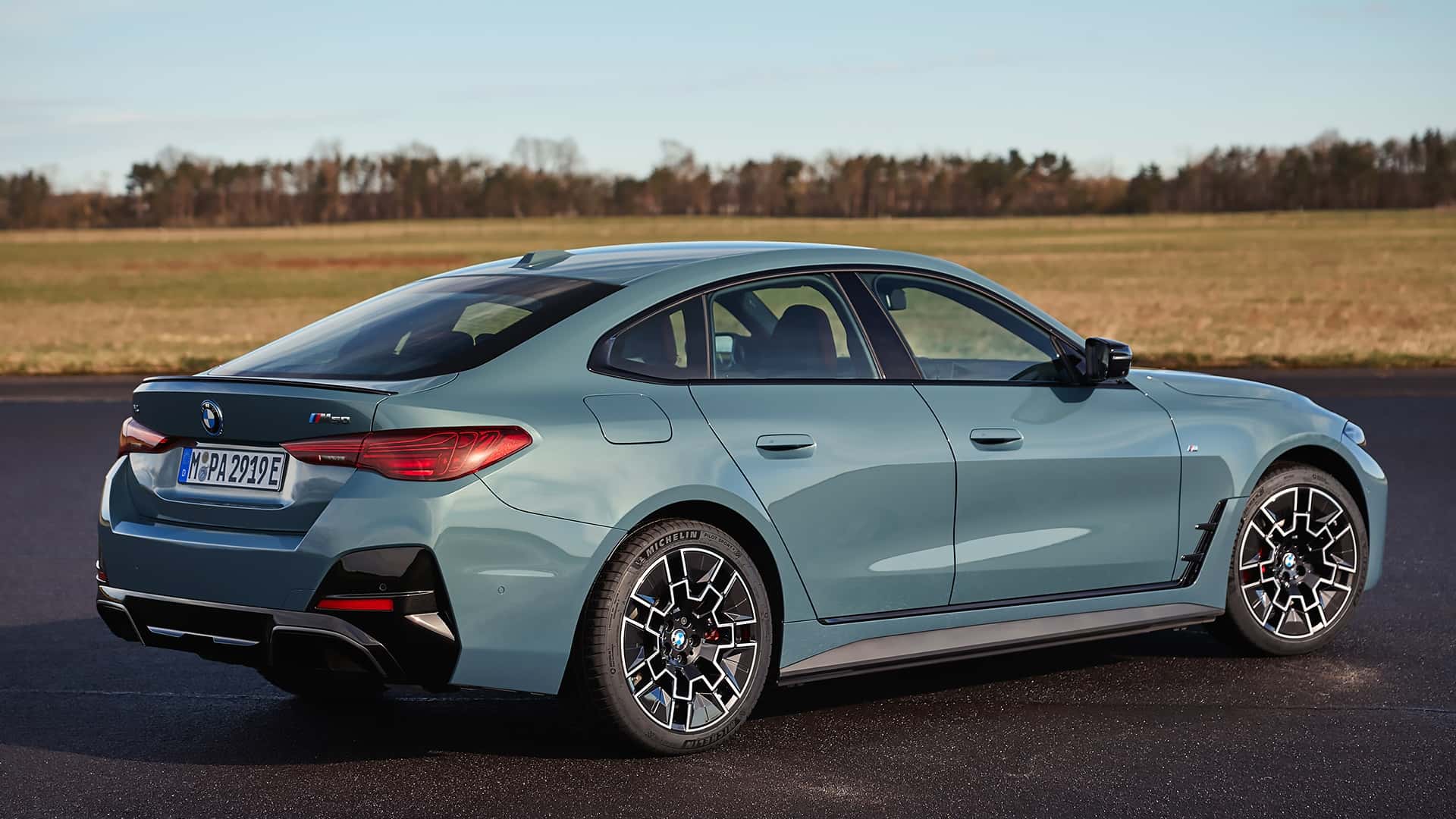
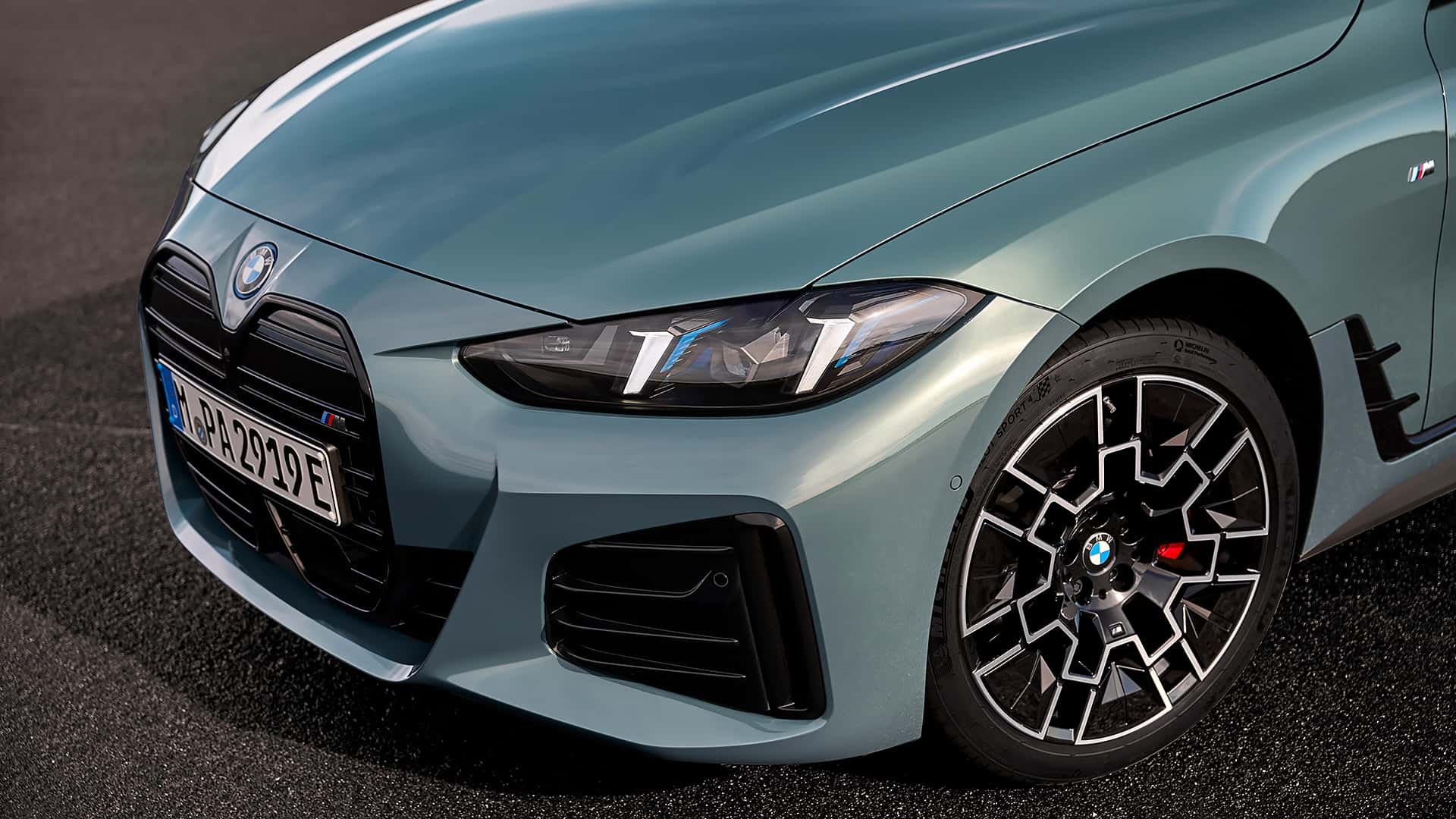
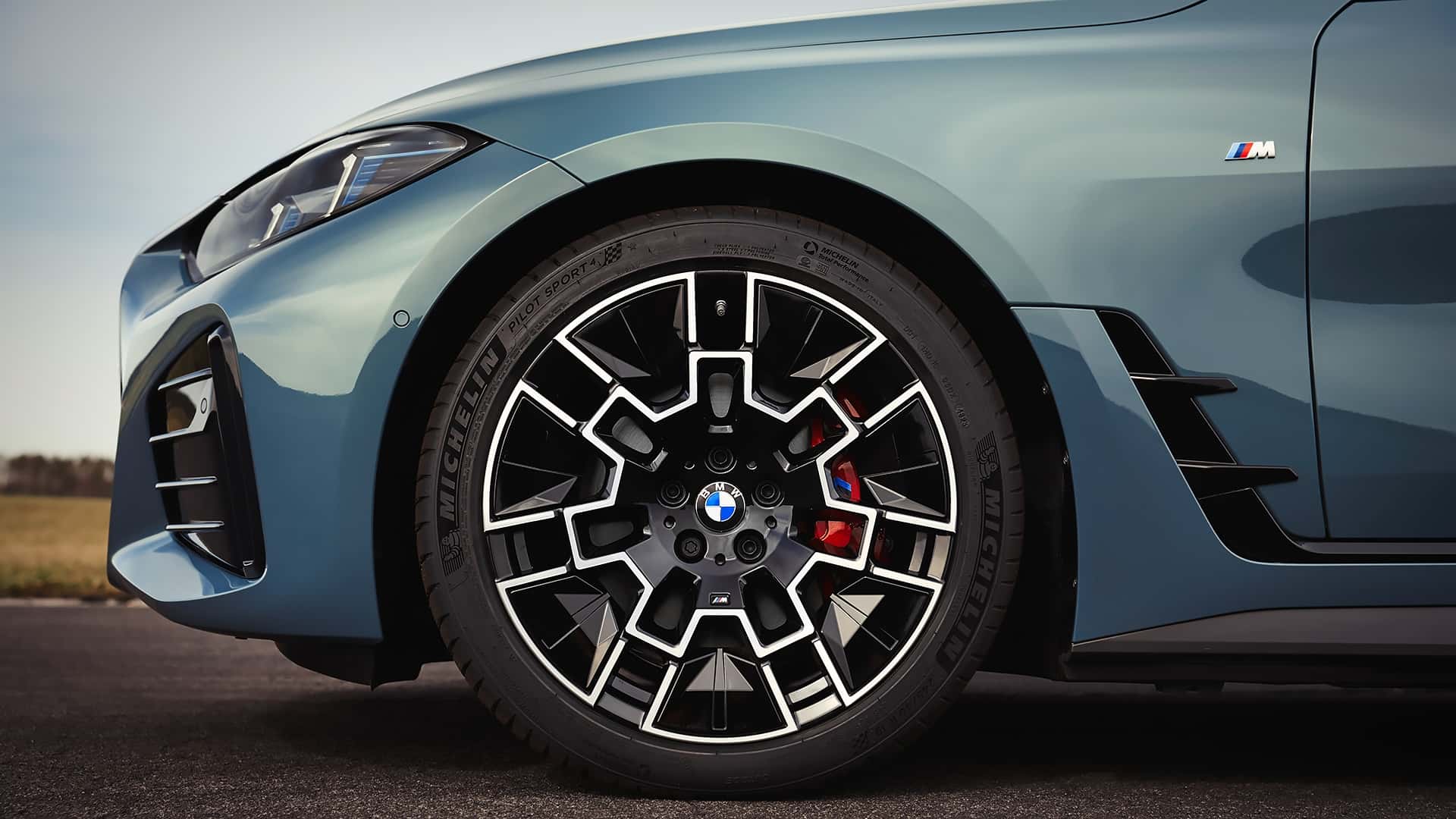
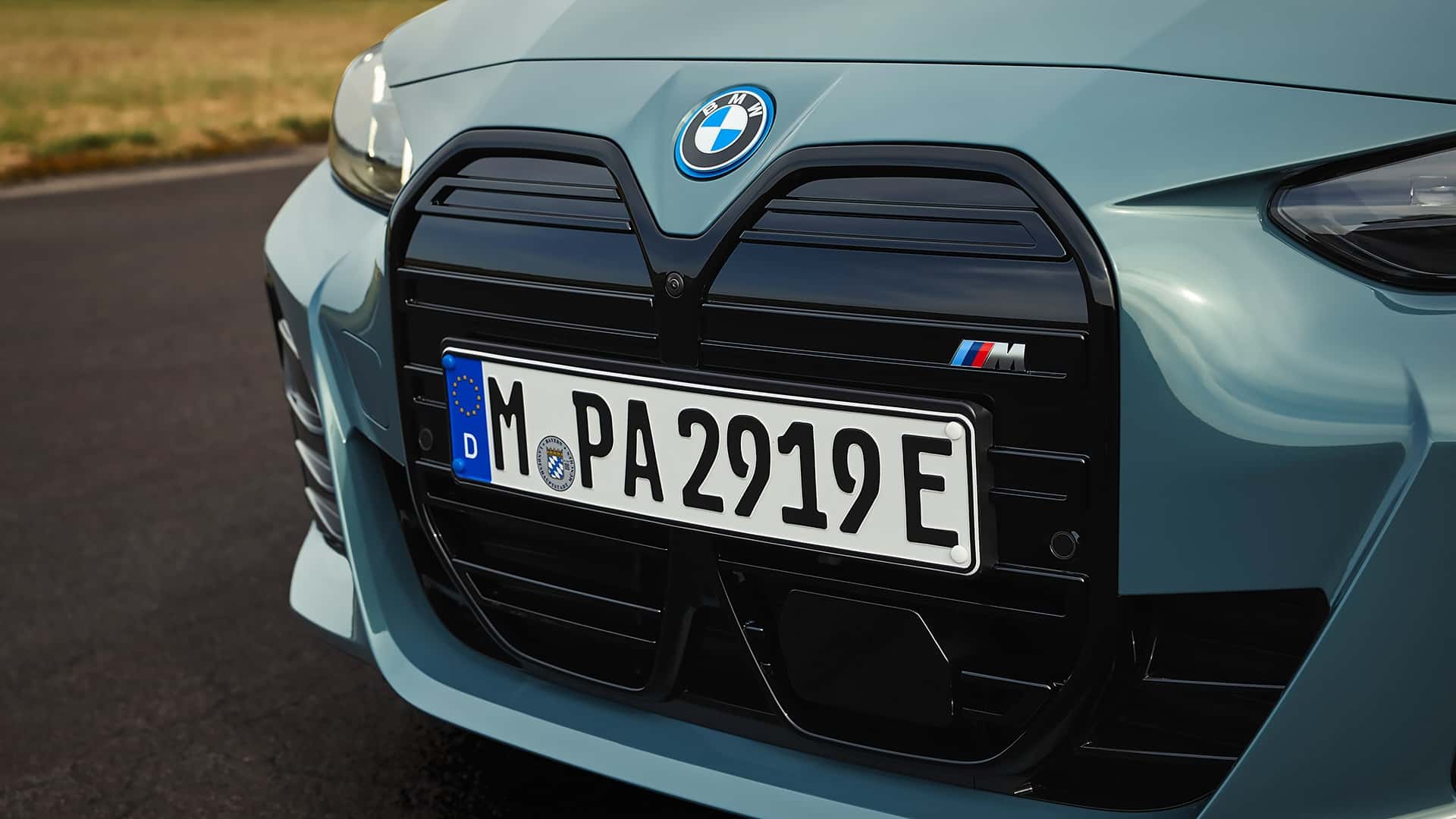
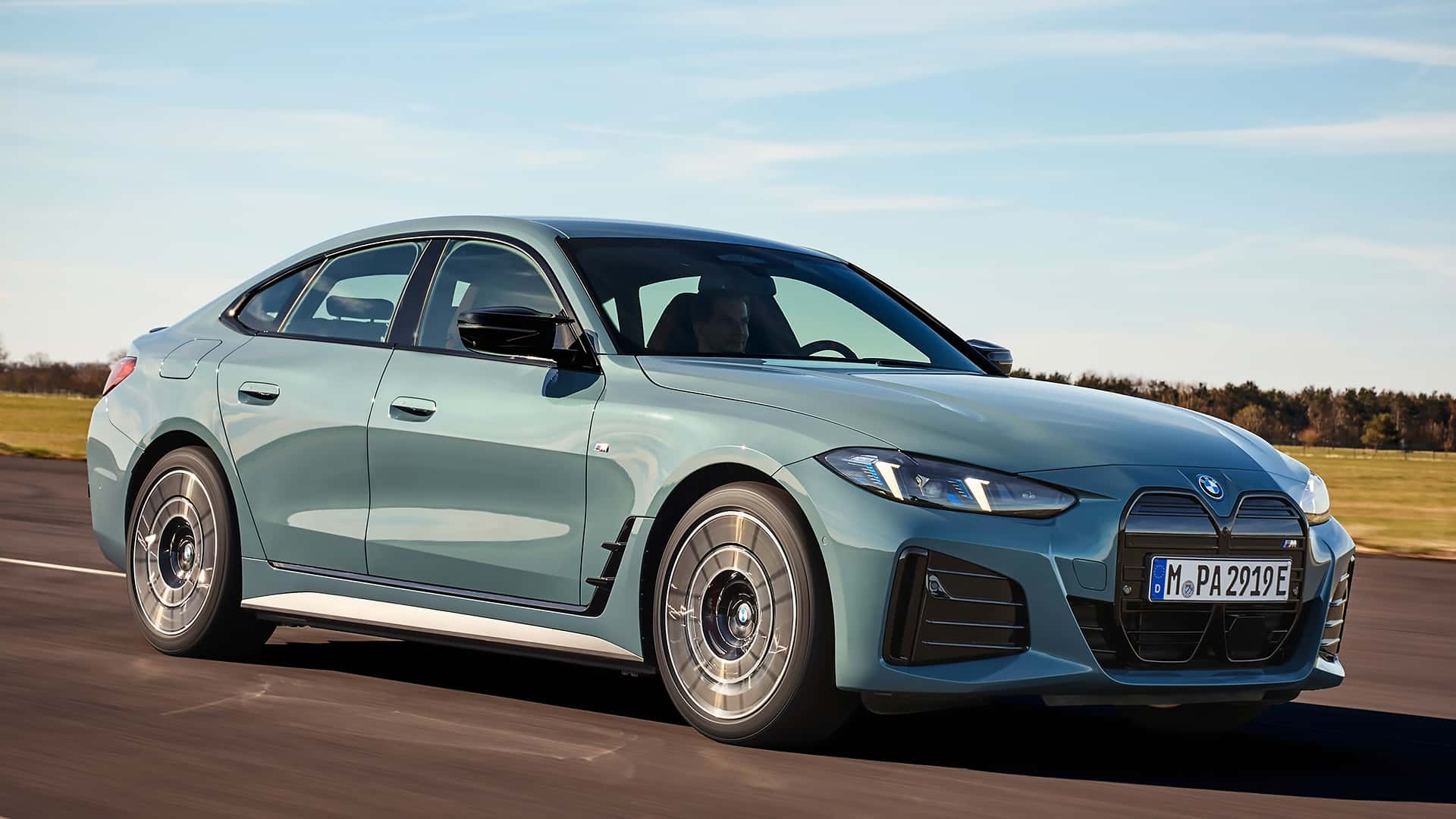
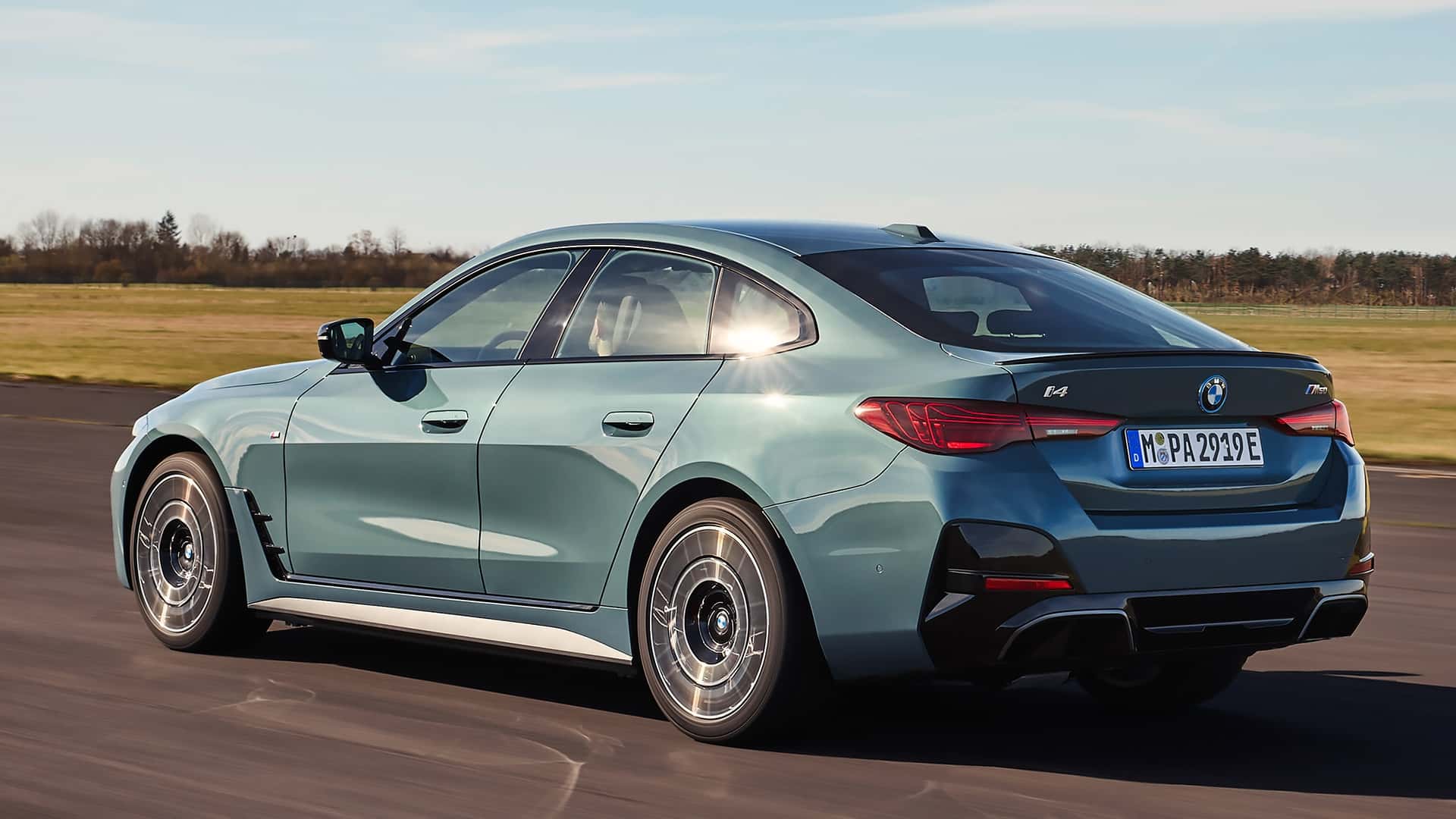
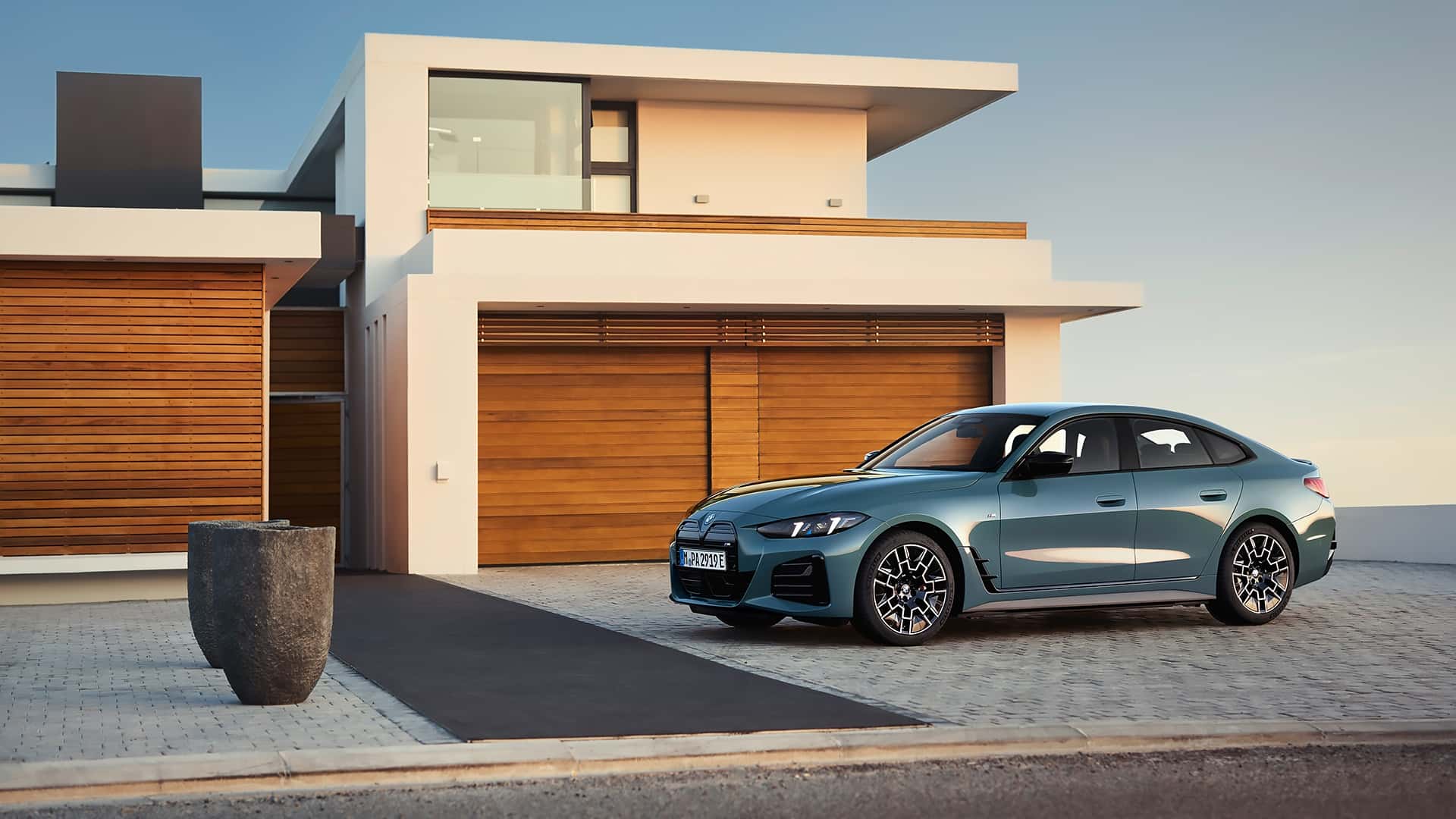
Car design is a delicate balance between aesthetics and technology, where the visual appeal must harmonize with the engineering prowess that drives performance. As the automotive industry evolves, the integration of cutting-edge technology into stunning designs is more crucial than ever.
Designers are now tasked with creating vehicles that not only look good but also incorporate advanced features that enhance functionality and user experience. This shift is reshaping how consumers perceive value in their vehicles, as style and substance become intertwined in the buying decision.
Car Design: The Intersection of Art and Engineering
At its core, car design is about crafting a vehicle that resonates with both the heart and the mind. Designers must consider how aesthetics influence consumer emotions while ensuring that the vehicle meets rigorous performance standards. The challenge lies in creating a product that is not only visually appealing but also delivers on the promise of quality and reliability.
As the market becomes increasingly competitive, manufacturers are investing heavily in design innovation to stand out. Brands that successfully blend striking visuals with robust engineering are likely to capture the attention of discerning buyers who seek both beauty and performance.
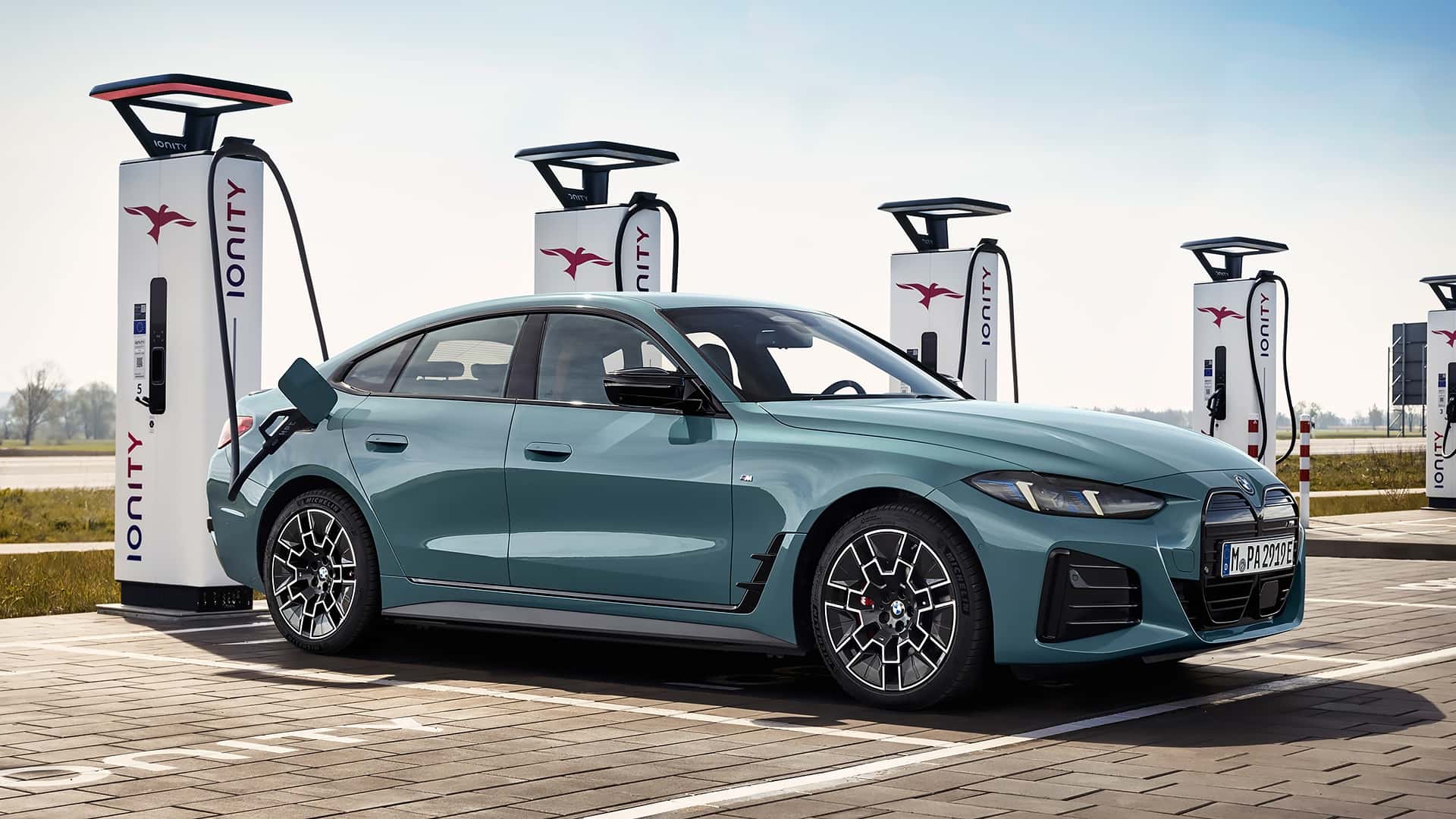
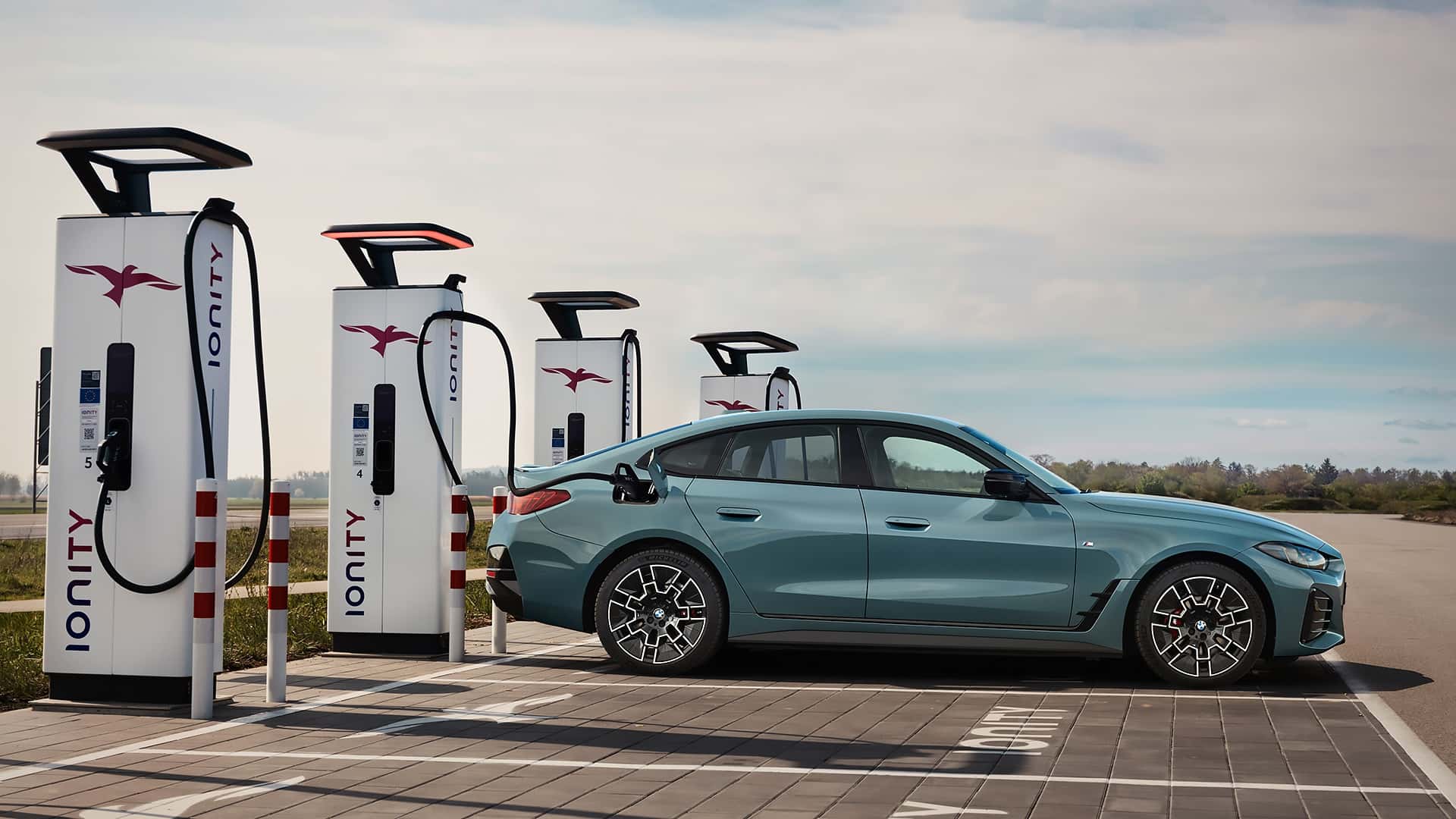
In the realm of electric vehicles, the design narrative shifts slightly. The focus on sustainability and efficiency adds another layer to the design process, compelling manufacturers to rethink traditional aesthetics in favor of more streamlined, eco-friendly shapes. This evolution reflects a broader trend where design is not just about looks but also about the impact on the environment.
For instance, the latest models from brands like Tesla and Lucid Motors showcase how sleek designs can coexist with high-performance electric drivetrains. These vehicles not only turn heads but also challenge the notion that electric cars must compromise on style.
Future Trends in Car Design: What to Expect
Looking ahead, the future of car design will likely be shaped by advancements in technology and changing consumer preferences. As automation and connectivity become standard features, designers will need to find ways to incorporate these elements seamlessly into their creations. The goal will be to enhance the driving experience while maintaining the aesthetic appeal that attracts buyers.
Moreover, as regulations around emissions tighten, manufacturers will be pushed to innovate further, leading to designs that prioritize efficiency without sacrificing style. The next few years will be pivotal as brands navigate this landscape, striving to create vehicles that are not only beautiful but also environmentally responsible.
In conclusion, car design is at a fascinating crossroads where beauty and technology must coexist. Consumers looking for a vehicle that reflects their values and lifestyle will find a wealth of options, while those who prioritize aesthetics may need to adapt to a new era of design that emphasizes both form and function.

As the automotive landscape continues to evolve, the interplay between design and technology will remain a critical focus for manufacturers. The challenge will be to create vehicles that not only meet the demands of modern consumers but also push the boundaries of what is possible in car design.
Conclusion: The Future of Car Design
Ultimately, the future of car design will hinge on the ability to innovate while staying true to the core principles of aesthetics and functionality. As consumers become more discerning, the pressure will be on manufacturers to deliver vehicles that are not only visually stunning but also technologically advanced, paving the way for a new era in automotive design.