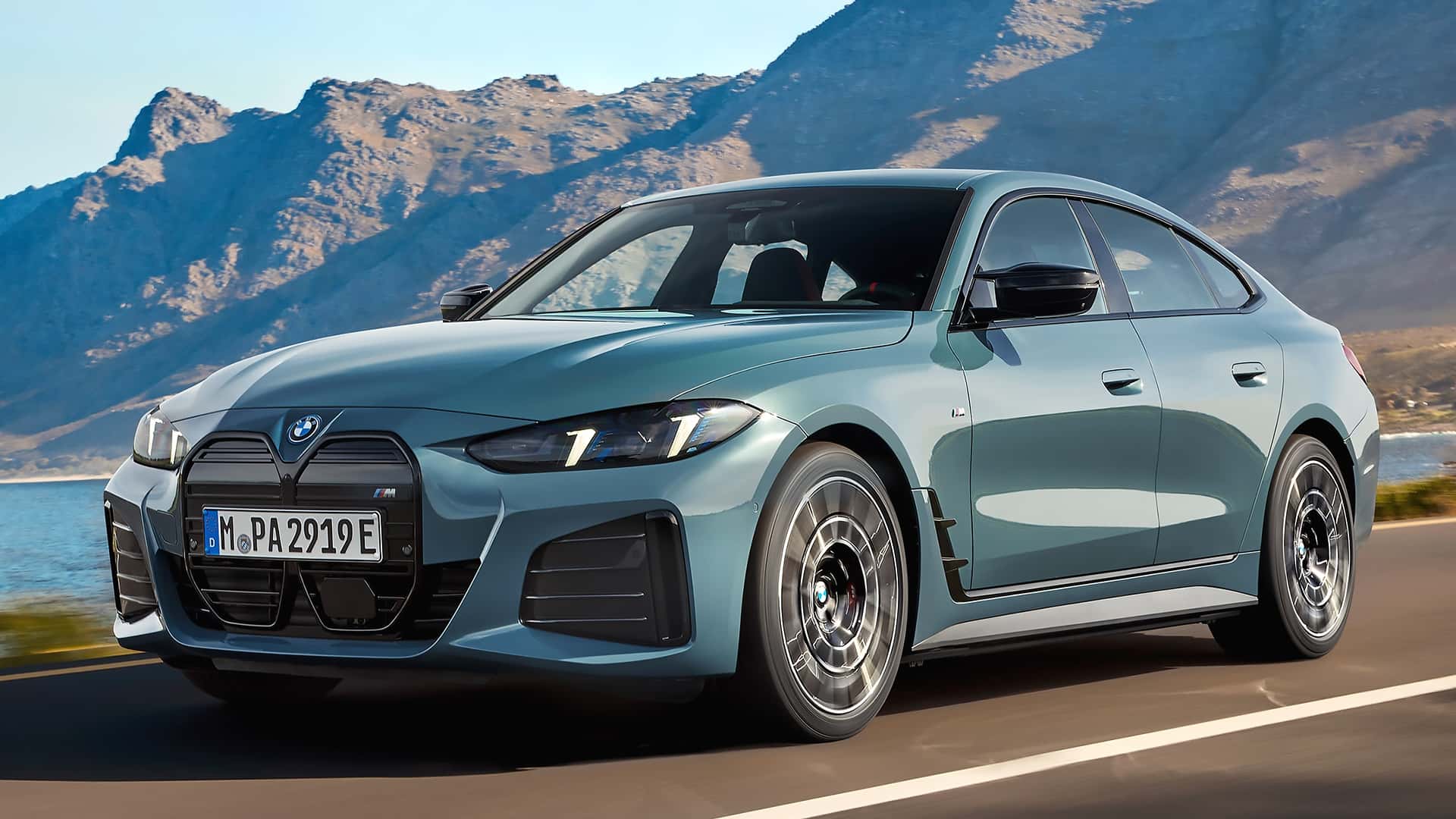
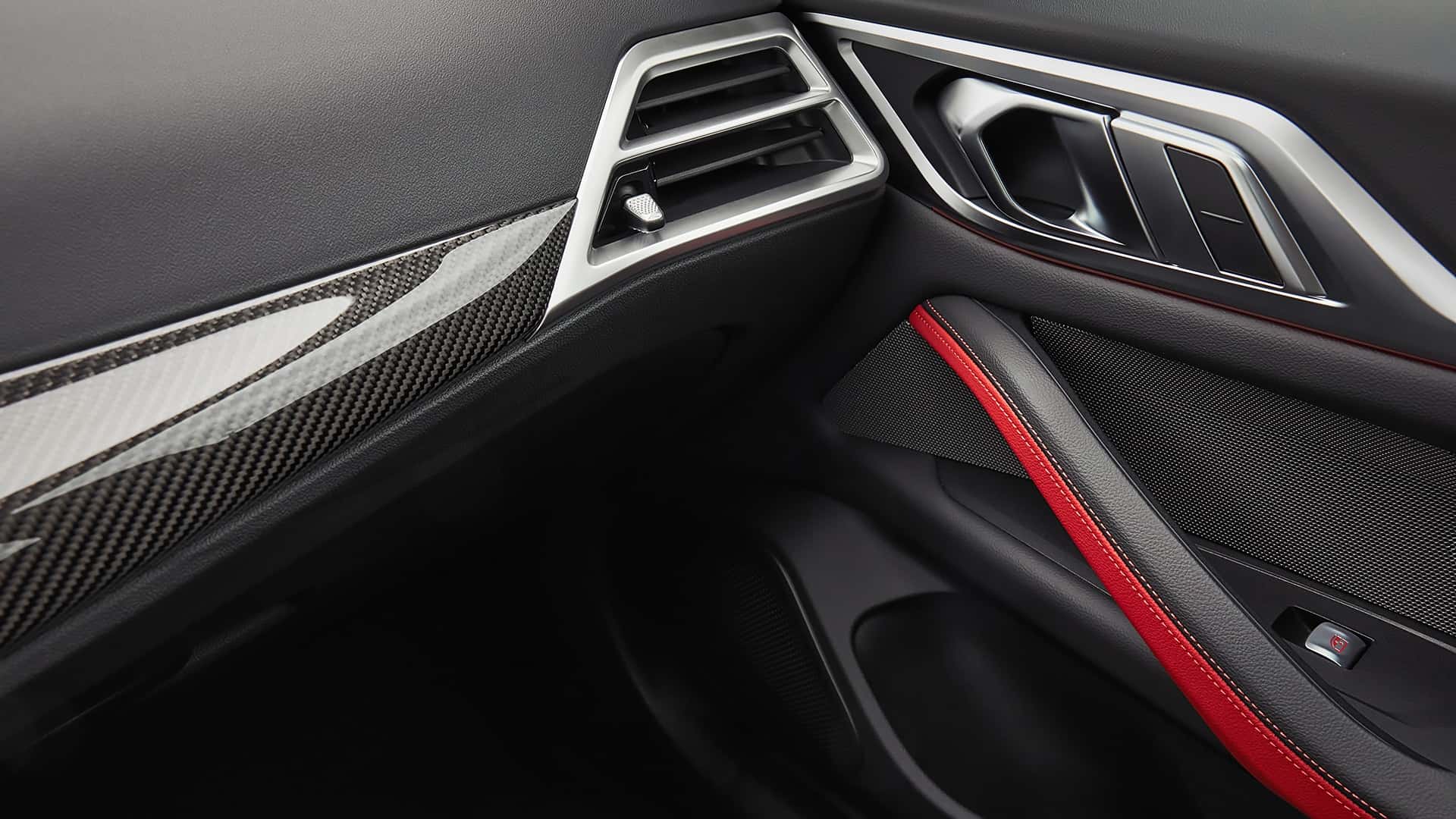
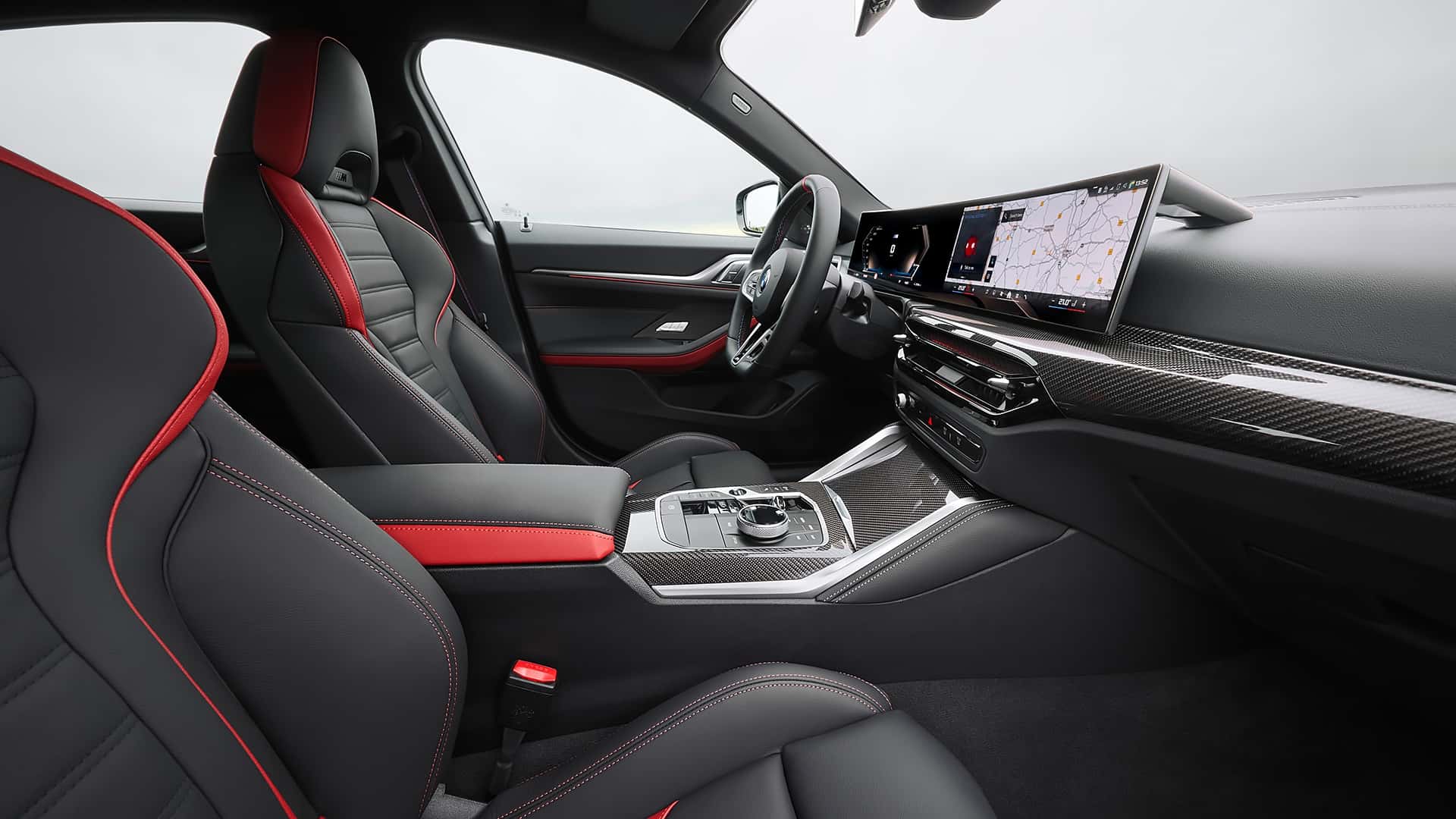
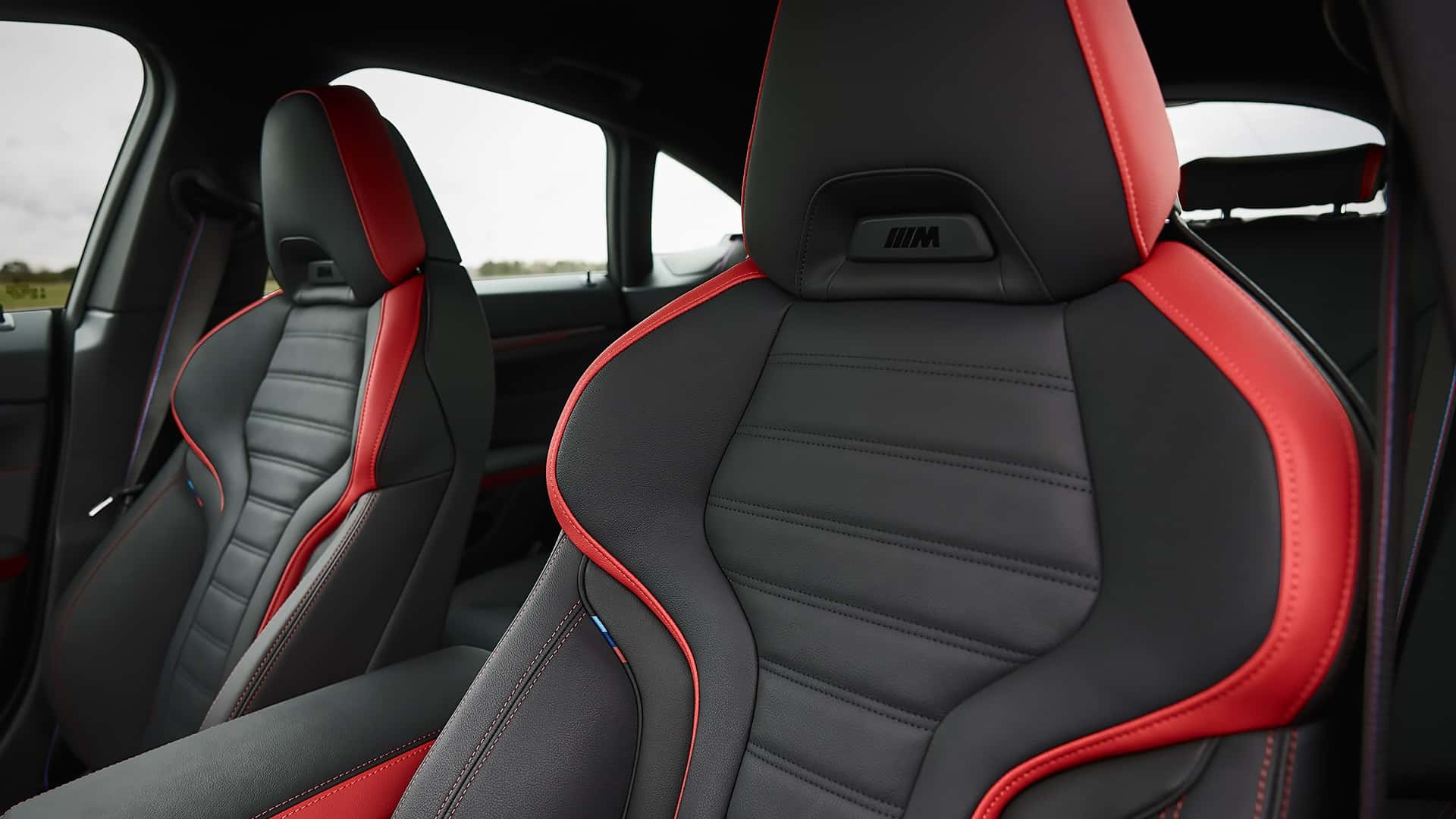
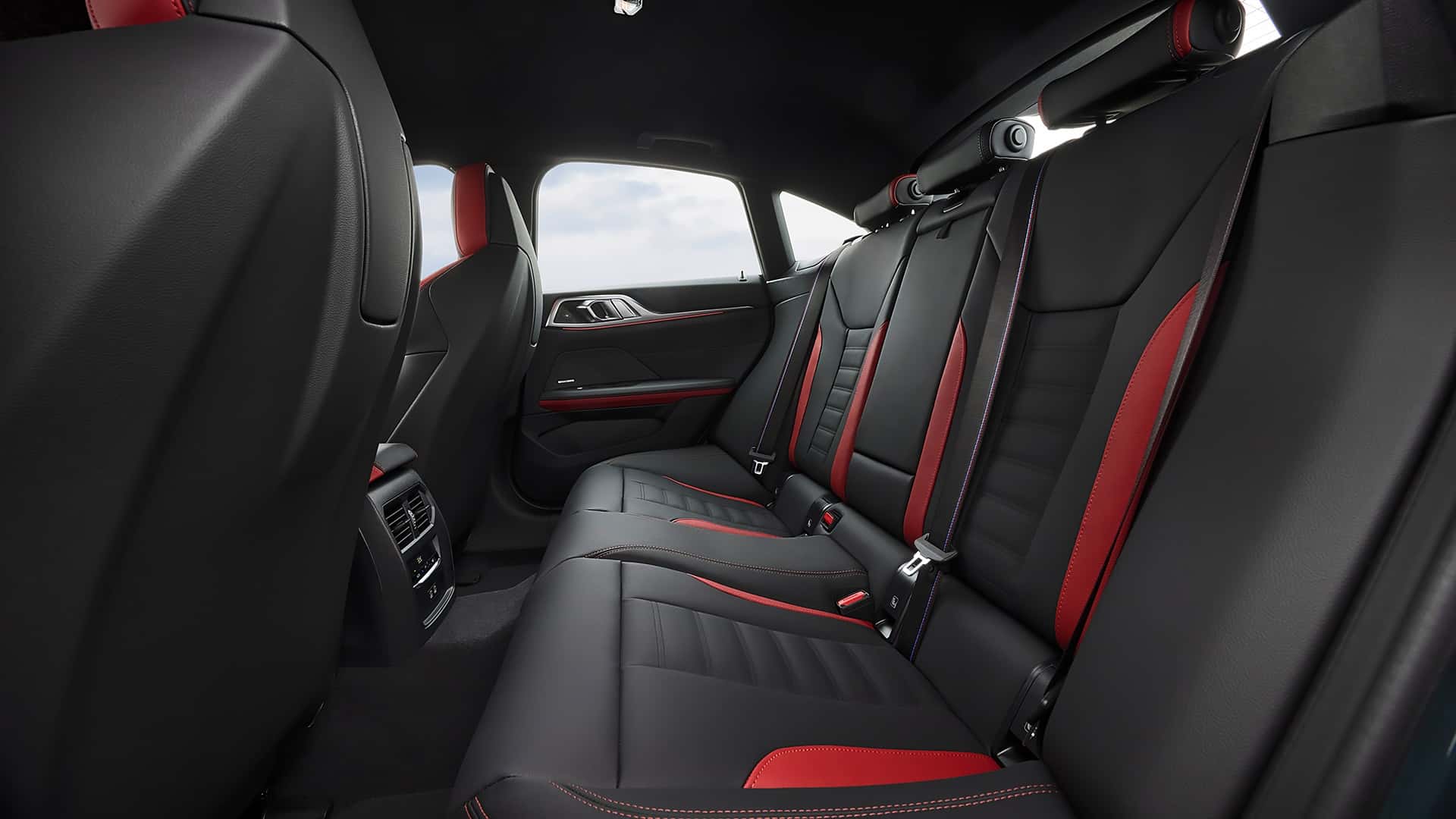
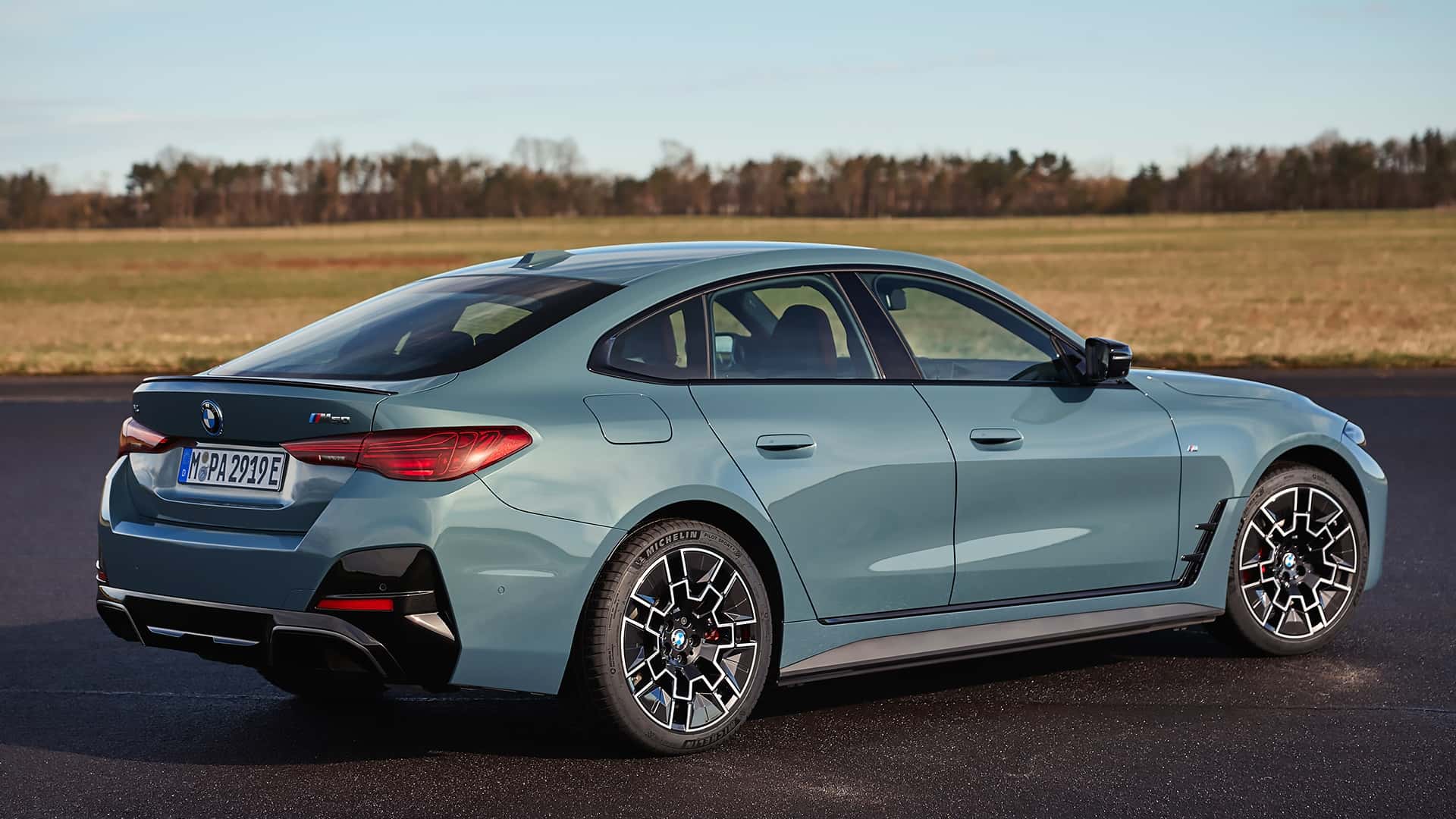
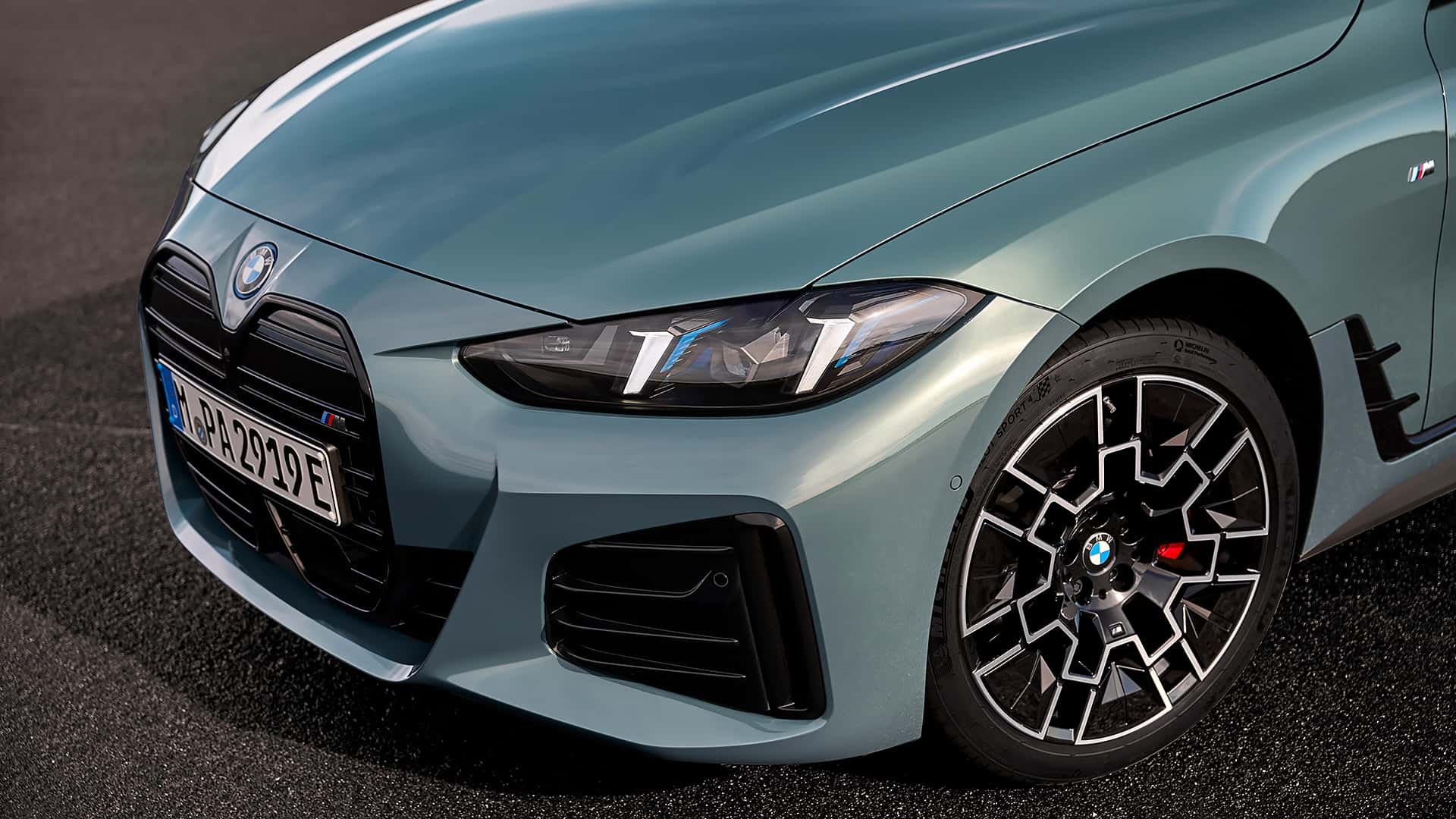
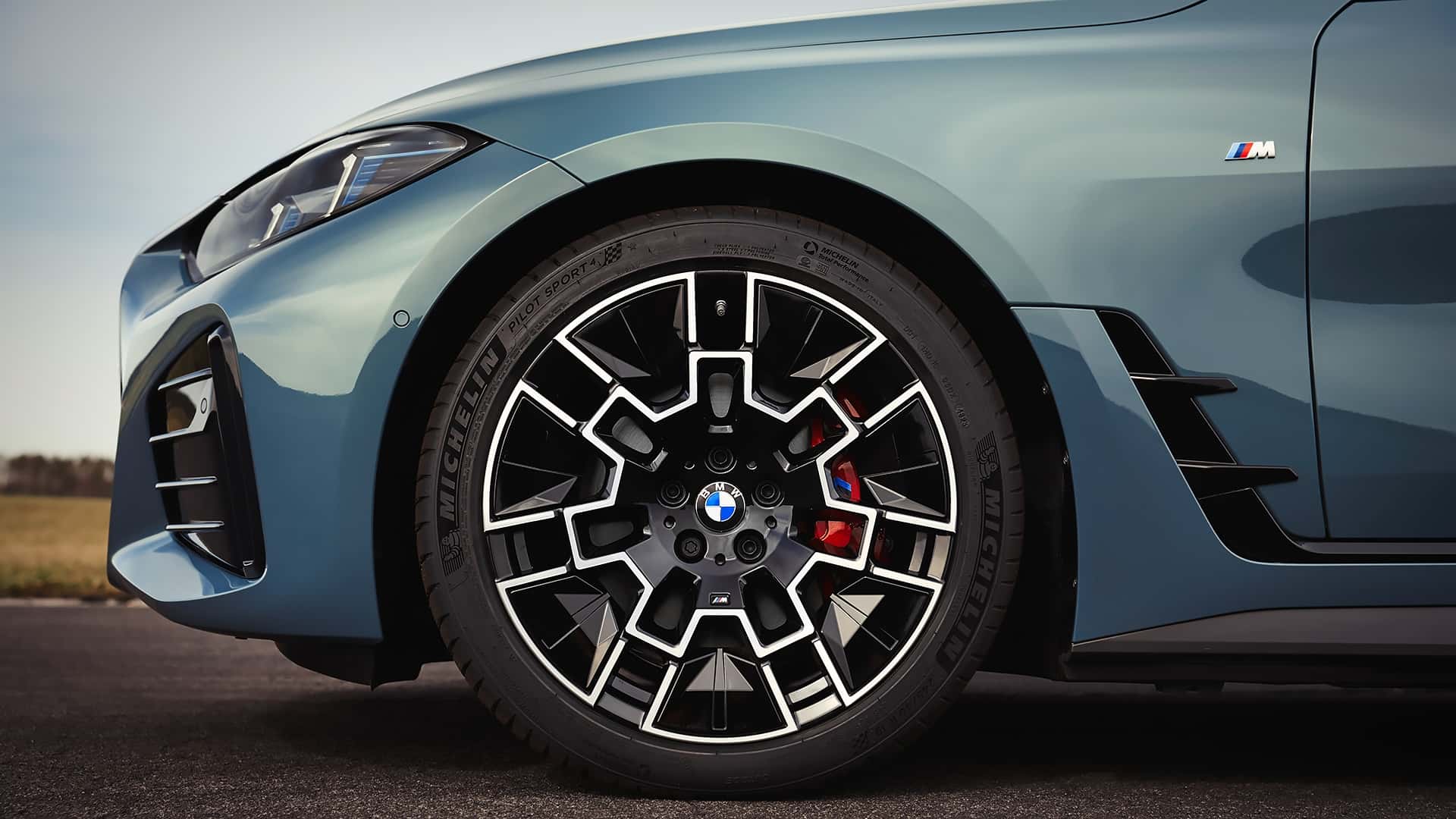
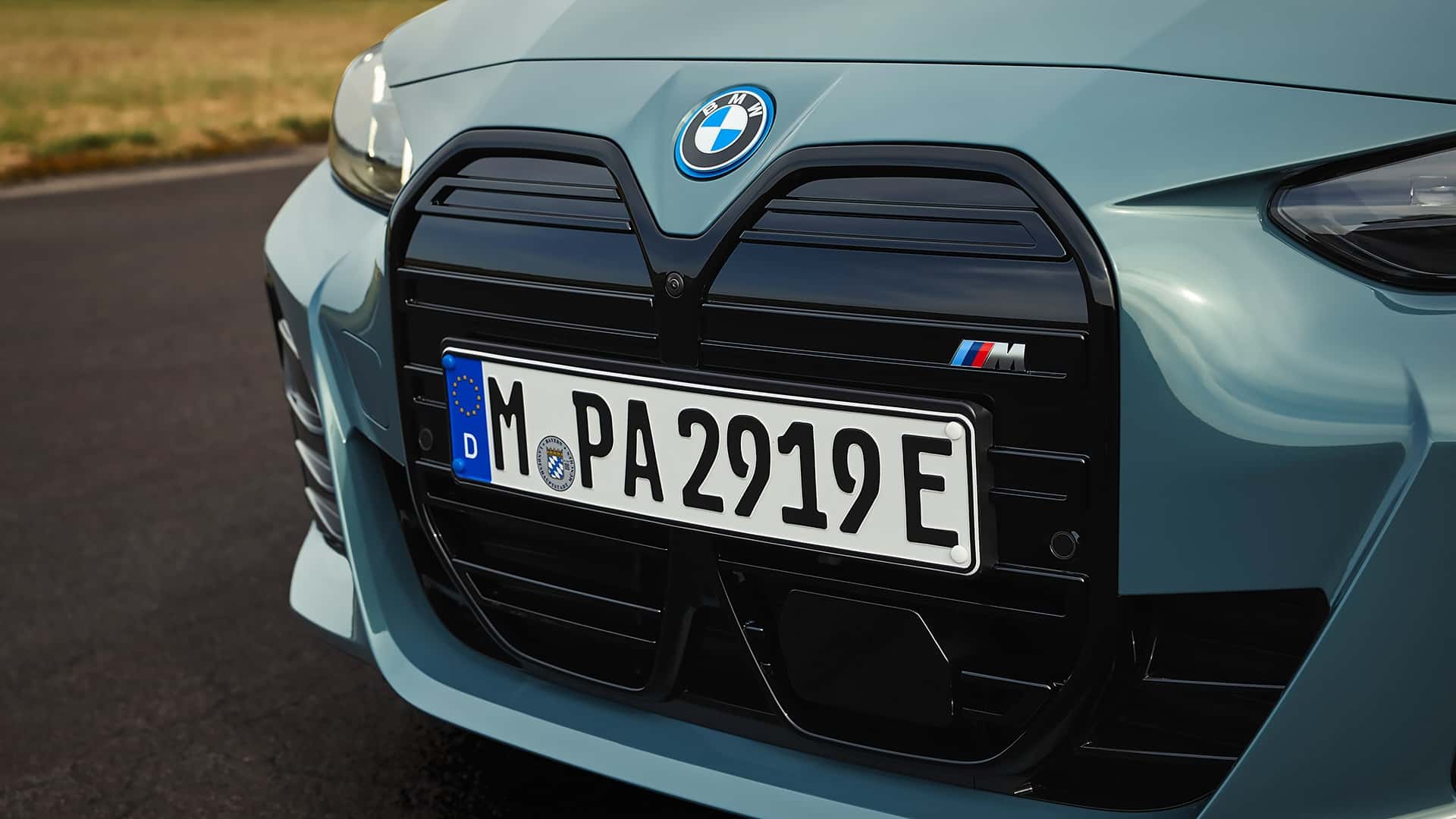
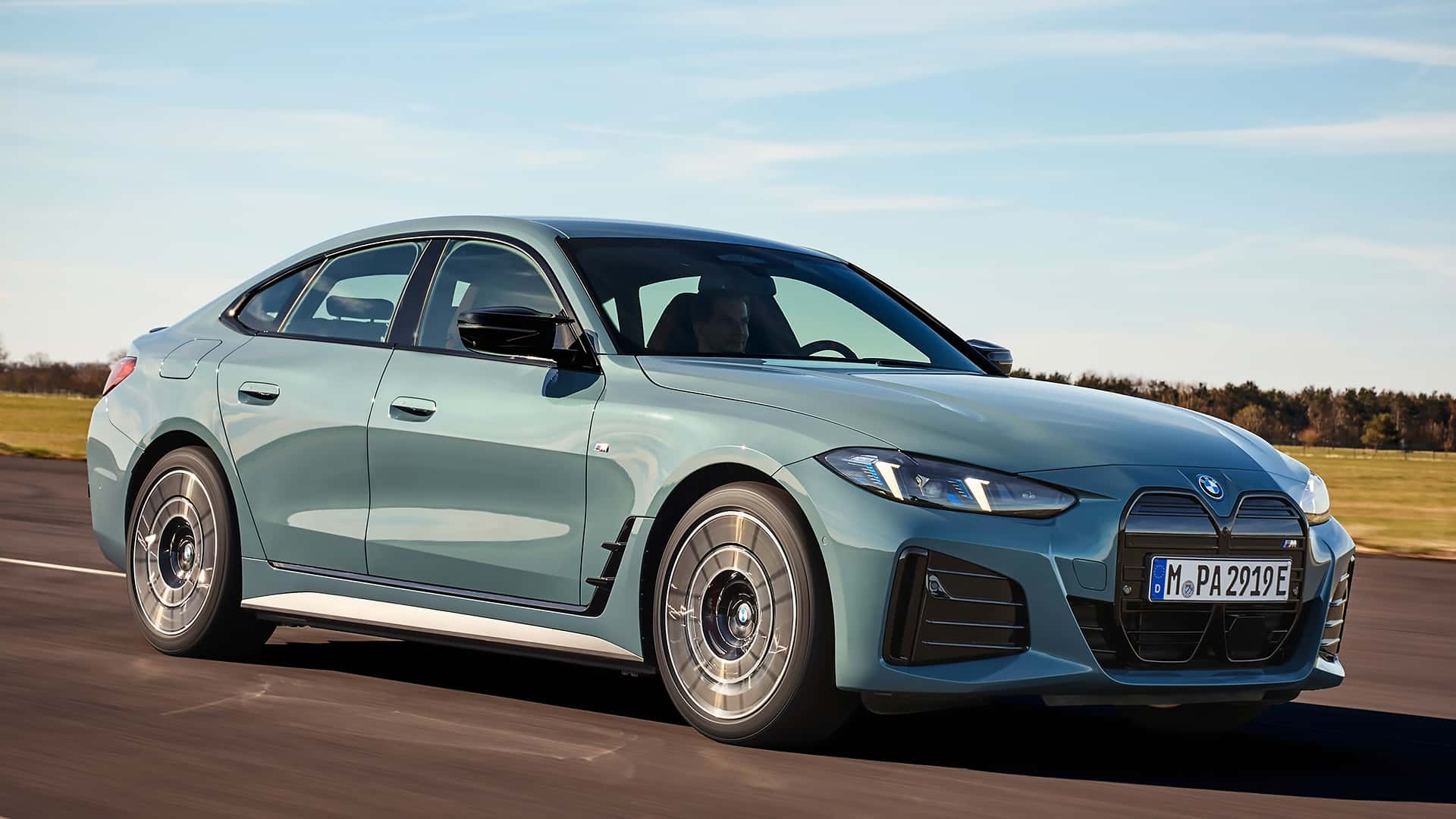
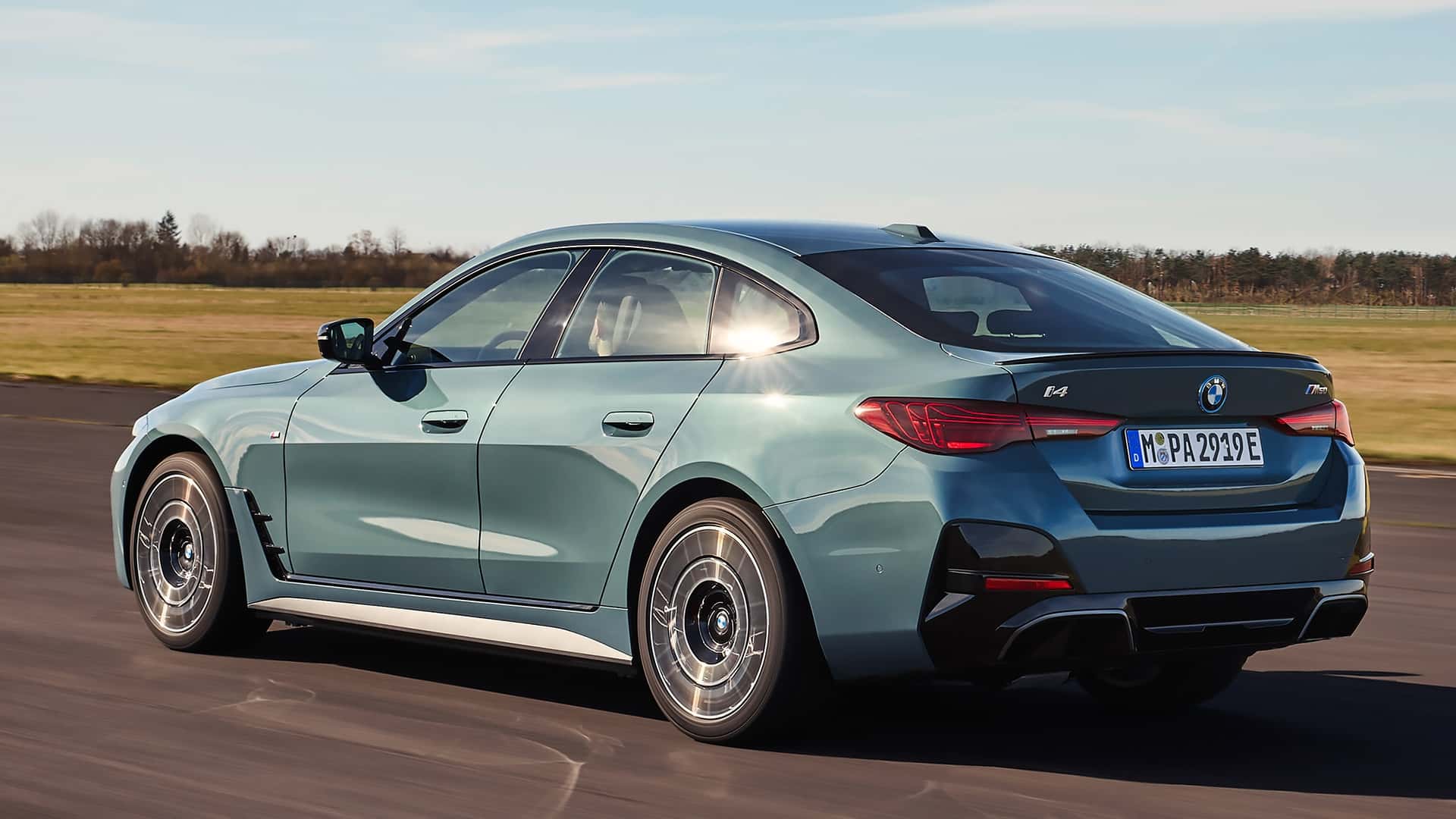
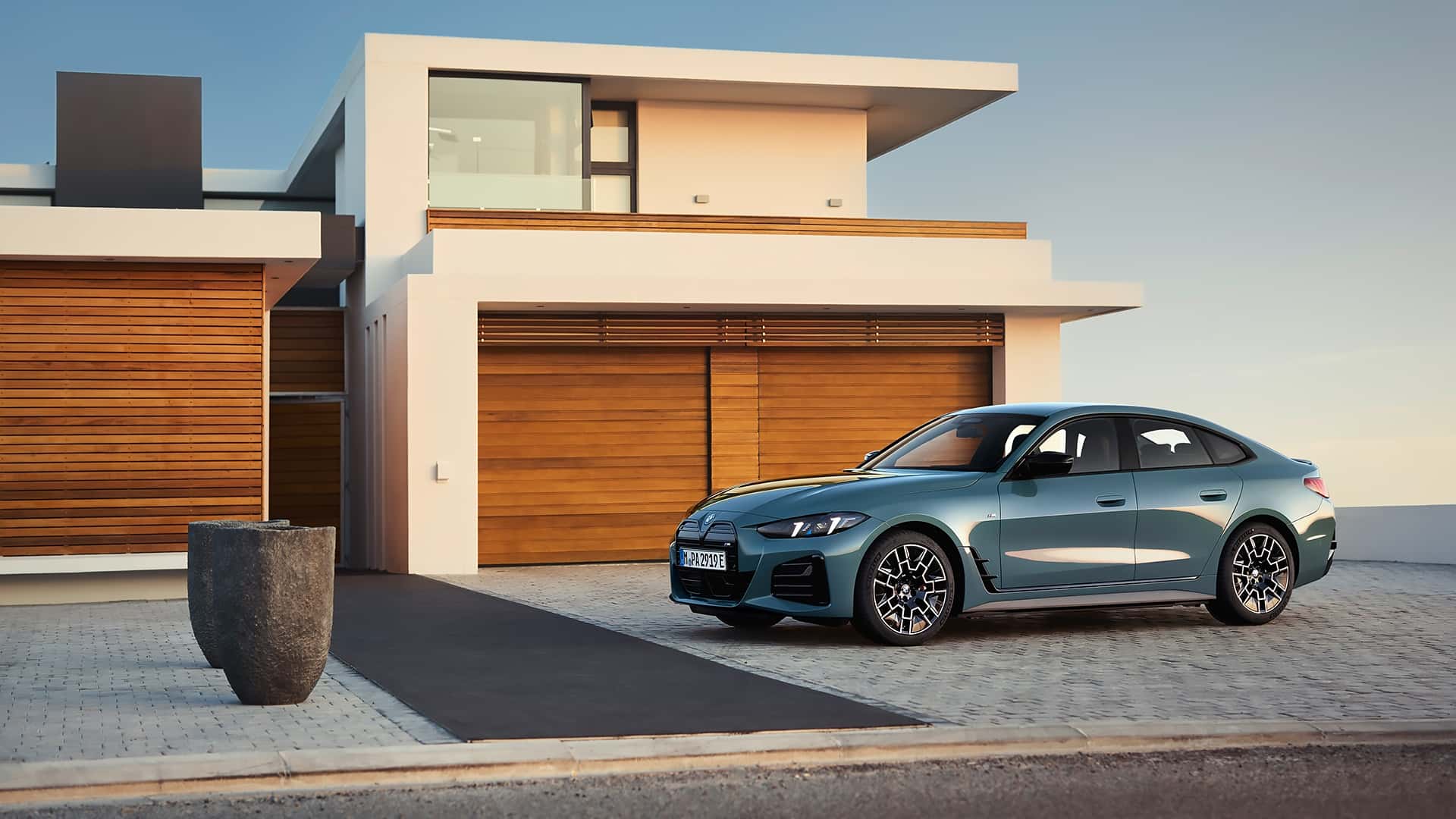
Car design is where technical aesthetics hide behind sleek lines and curves, creating a visual language that speaks to both form and function. As automakers push the envelope, the balance between beauty and practicality becomes crucial in a competitive market.
Today’s vehicles are not just about getting from point A to B; they embody a lifestyle and a statement. The integration of technology into design is essential, as consumers increasingly seek vehicles that reflect their values and aspirations. This trend is reshaping how manufacturers approach design, making it a pivotal aspect of their strategy.
Design: Bridging Aesthetics and Functionality
Modern car design emphasizes the harmony between aesthetics and functionality, creating vehicles that are not only visually appealing but also practical for everyday use. This balance is essential as consumers demand more from their vehicles, including efficiency and advanced technology.
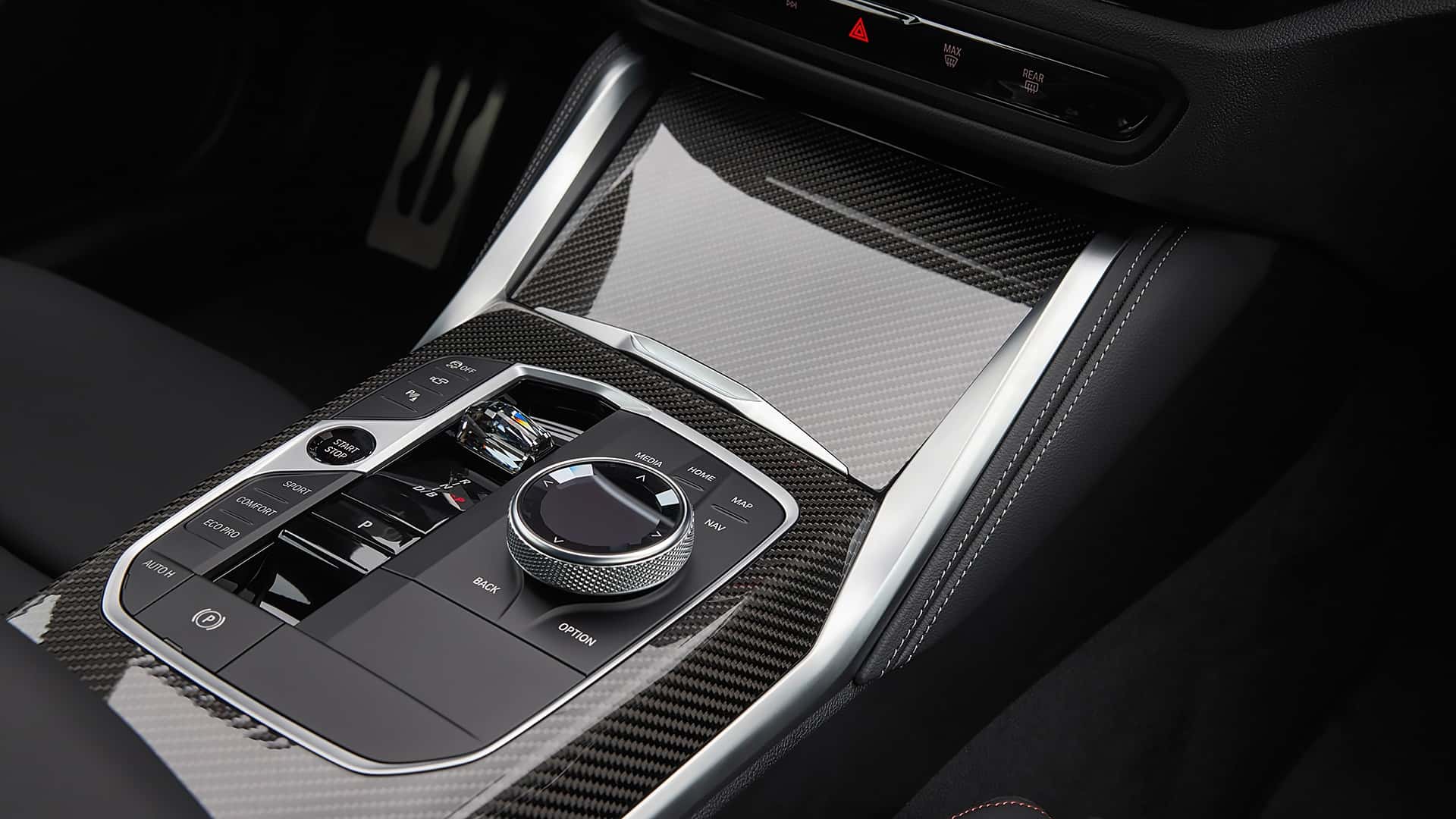
As automakers strive to meet these expectations, they are also challenged to innovate while maintaining brand identity. The design process now involves a deeper understanding of consumer preferences, which influences everything from exterior styling to interior ergonomics.
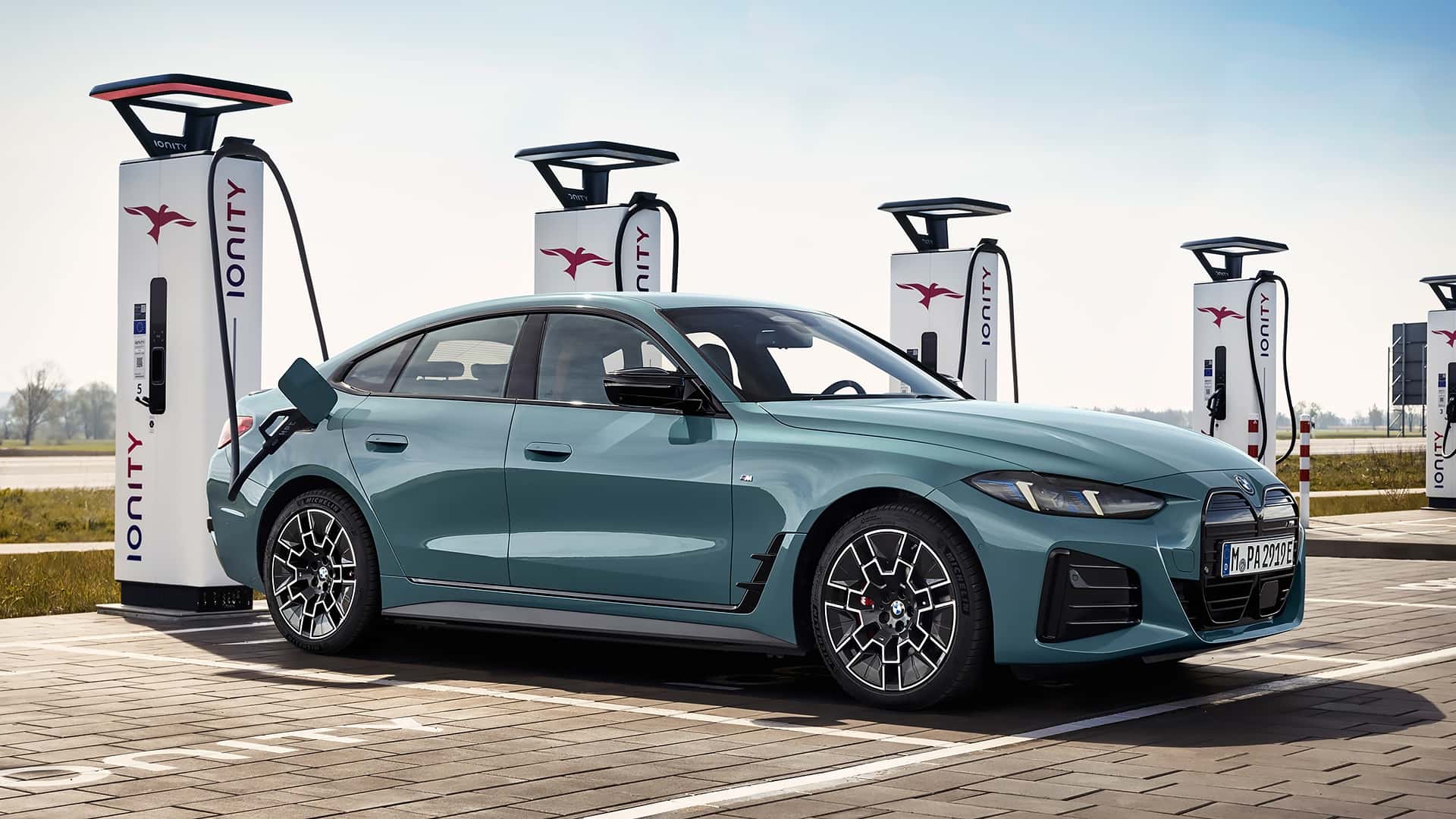
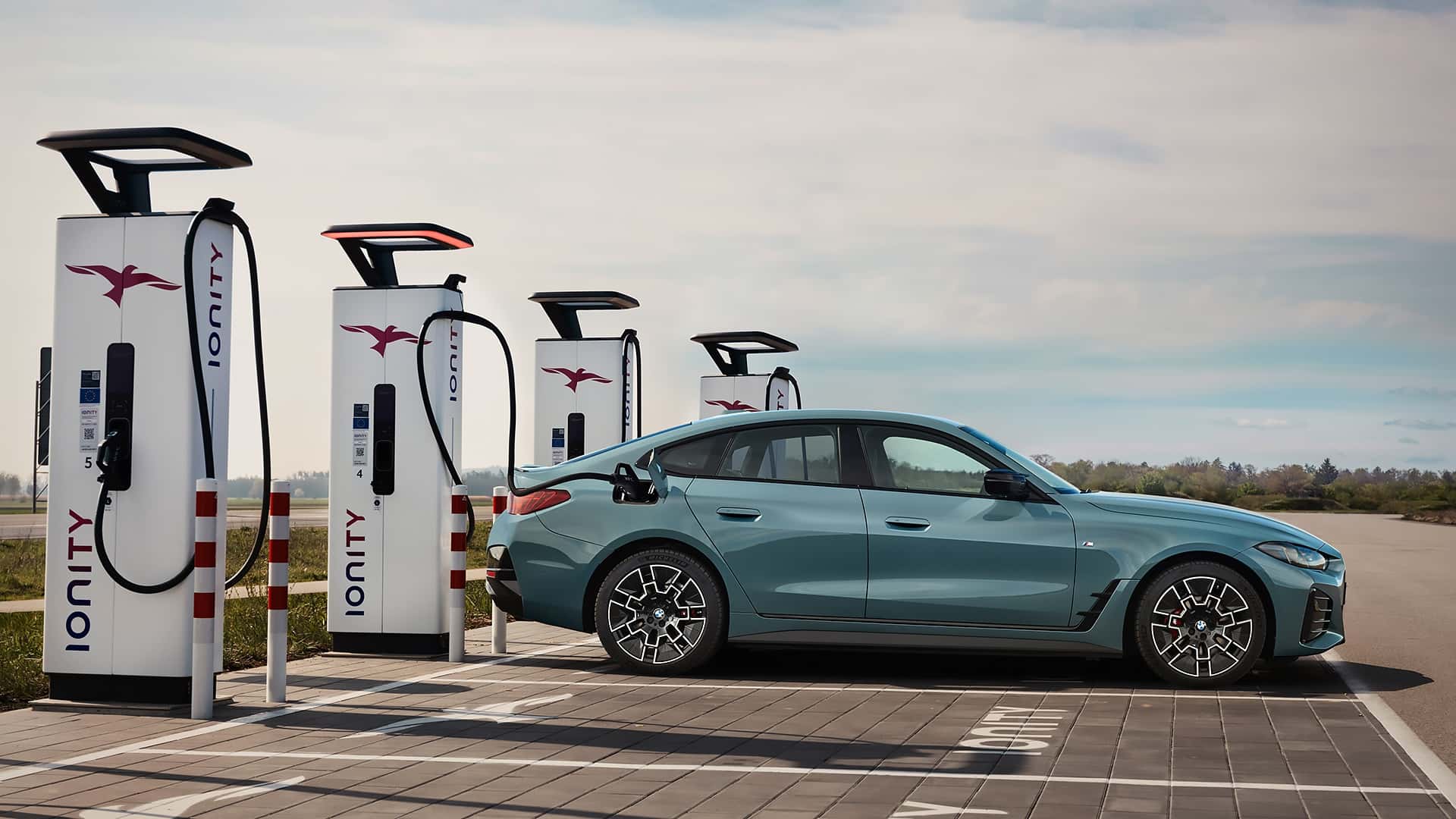
With the rise of electric vehicles, design considerations have expanded to include elements like aerodynamics and battery placement, which can significantly impact range and performance. This shift is prompting designers to rethink traditional concepts and explore new materials and shapes that enhance both aesthetics and functionality.

As the automotive industry evolves, the focus on design will only intensify, with manufacturers competing to create vehicles that not only look good but also perform exceptionally. This dual emphasis on style and substance will define the next generation of cars.
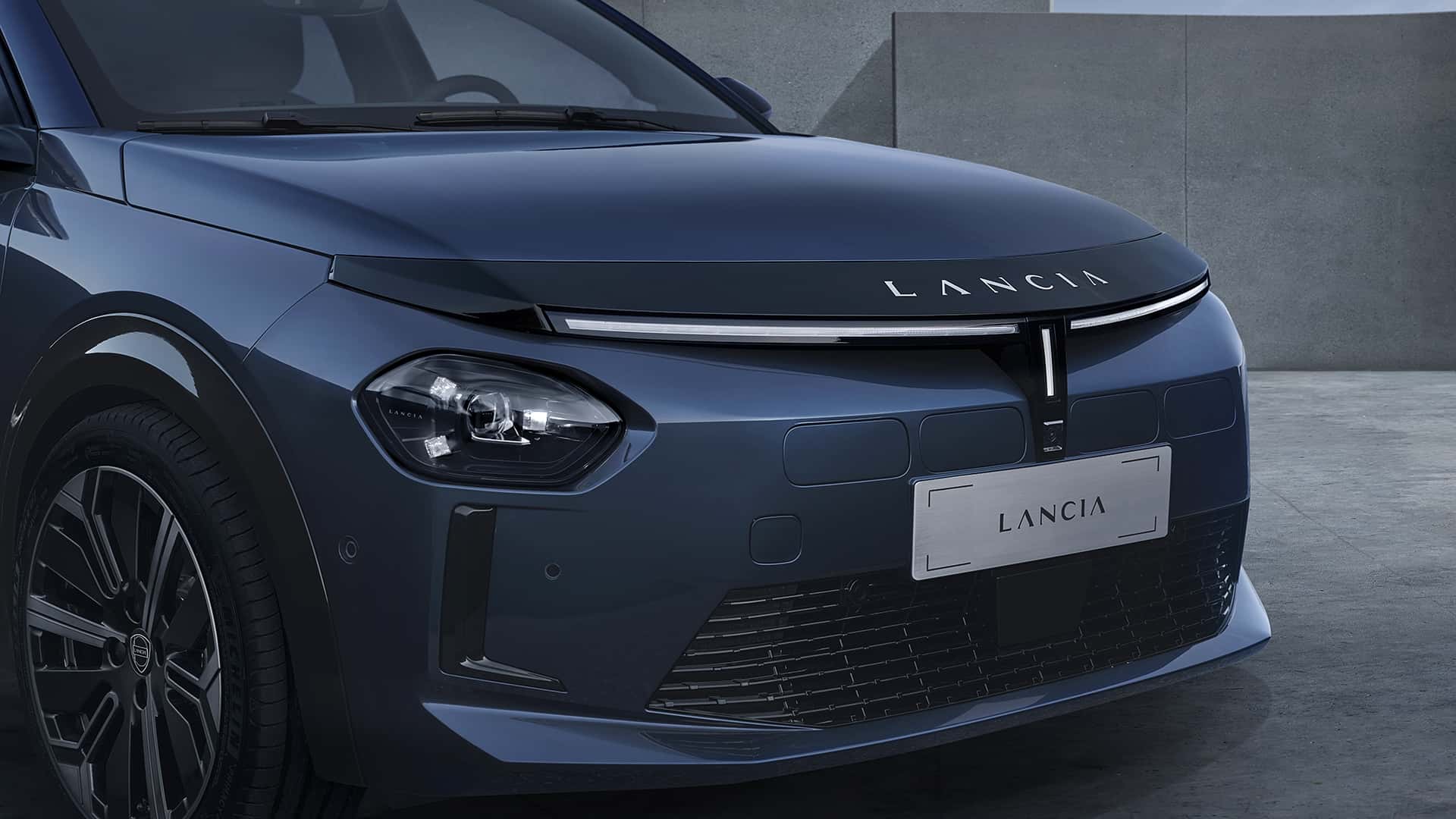
In this landscape, brands that successfully merge innovative design with cutting-edge technology will likely lead the market. The challenge lies in maintaining a unique identity while adapting to rapidly changing consumer demands.
Technology Meets Design: The Future of Automotive Aesthetics
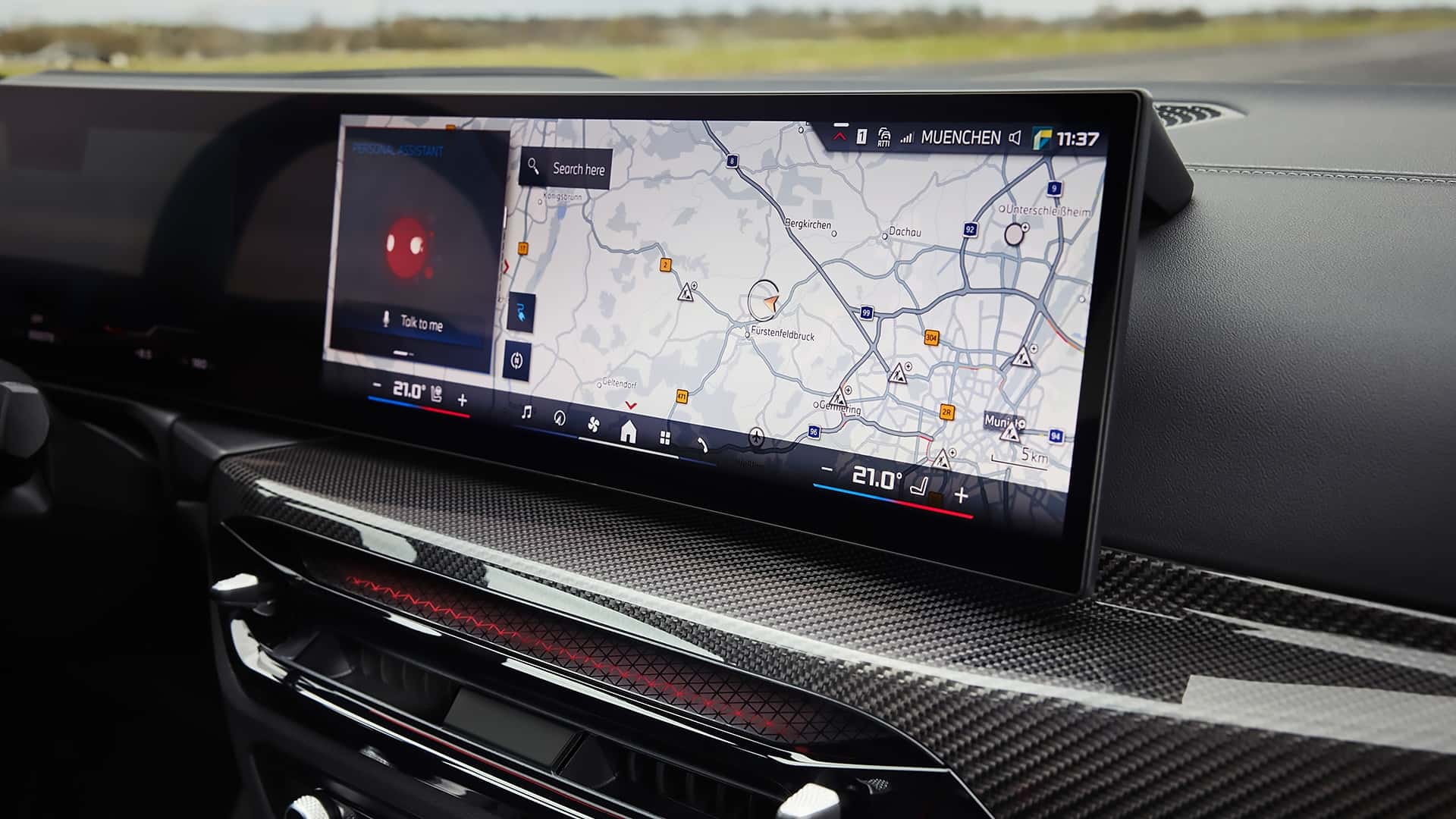
As technology continues to advance, its integration into car design will become increasingly sophisticated. Features such as augmented reality displays and smart materials will redefine how we interact with vehicles, making design an even more critical aspect of the automotive experience.
Automakers will need to stay ahead of trends, ensuring that their designs resonate with consumers while also embracing new technologies. This dynamic will shape the future of automotive design, pushing boundaries and creating opportunities for innovation.
Ultimately, the success of a vehicle will depend on its ability to blend aesthetic appeal with technological advancements, creating a seamless experience for drivers and passengers alike. As we look ahead, the interplay between design and technology will be a defining factor in the evolution of the automotive industry.

Audi Q4 35 e-tron (2024): A vehicle that exemplifies the fusion of design and technology, showcasing how aesthetics can enhance functionality.

Tesla Model 3: A prime example of how sleek design can complement advanced technology, appealing to a modern audience.
Conclusion: The Future of Car Design
Car design is evolving rapidly, with aesthetics and technology becoming increasingly intertwined. As manufacturers strive to create vehicles that are both visually stunning and technologically advanced, the competition will intensify.
Brands that can effectively balance these elements will not only attract consumers but also set new standards in the industry. The next few years will see significant advancements in design, driven by consumer demand for innovation and sustainability.

Citroën C3 (2024): A vehicle that highlights the importance of design in the modern automotive landscape, blending style with practicality.