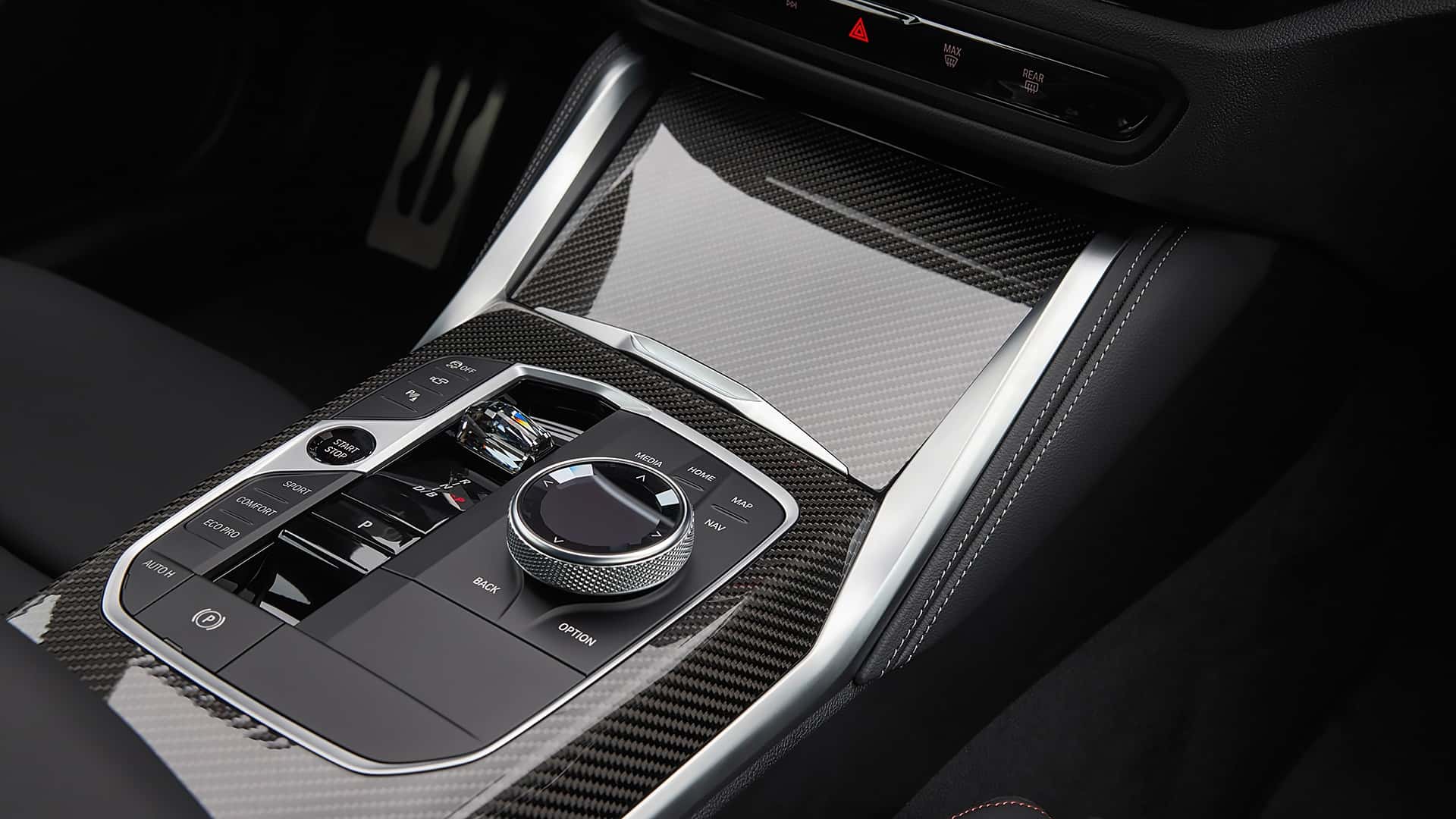
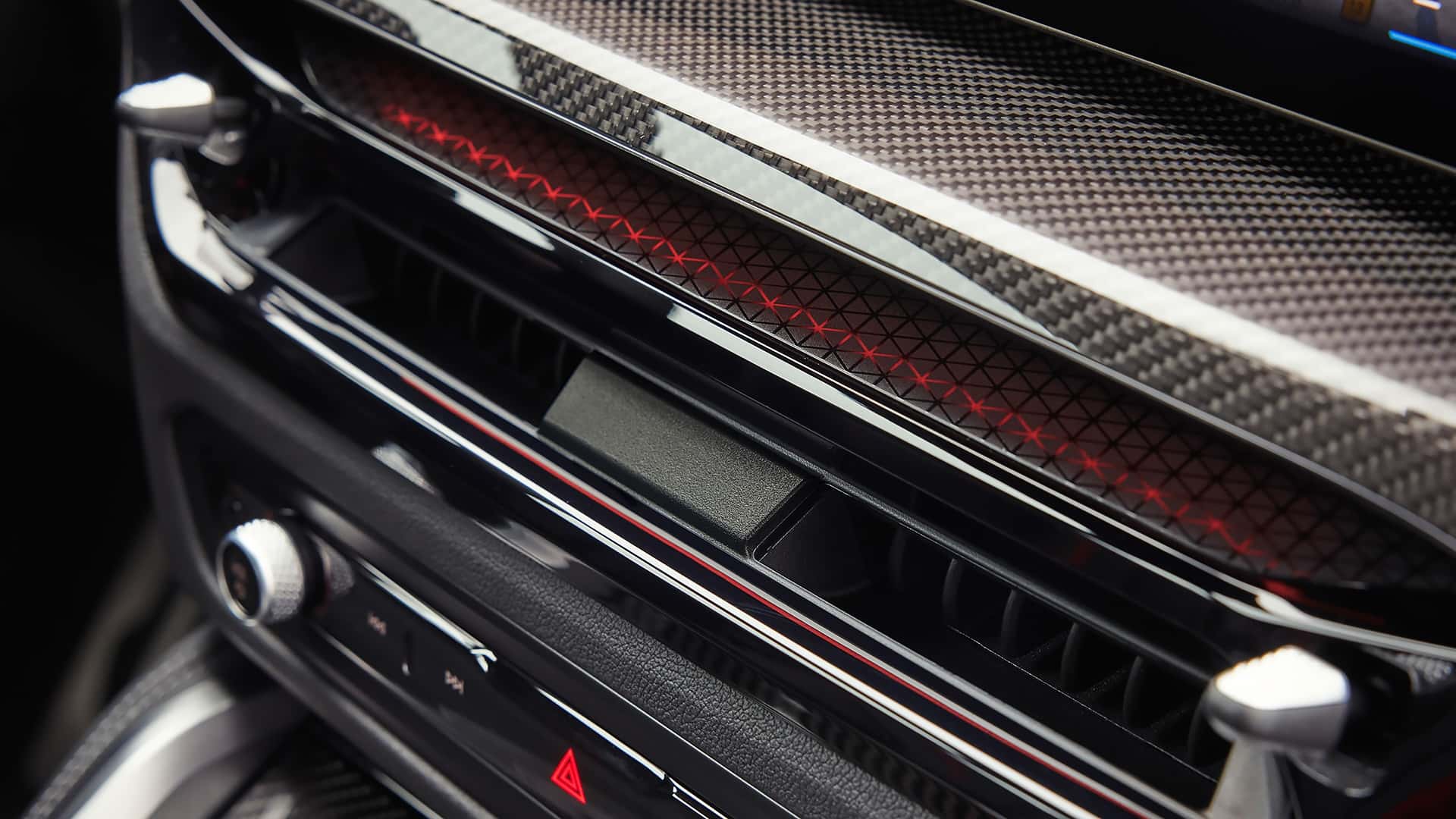
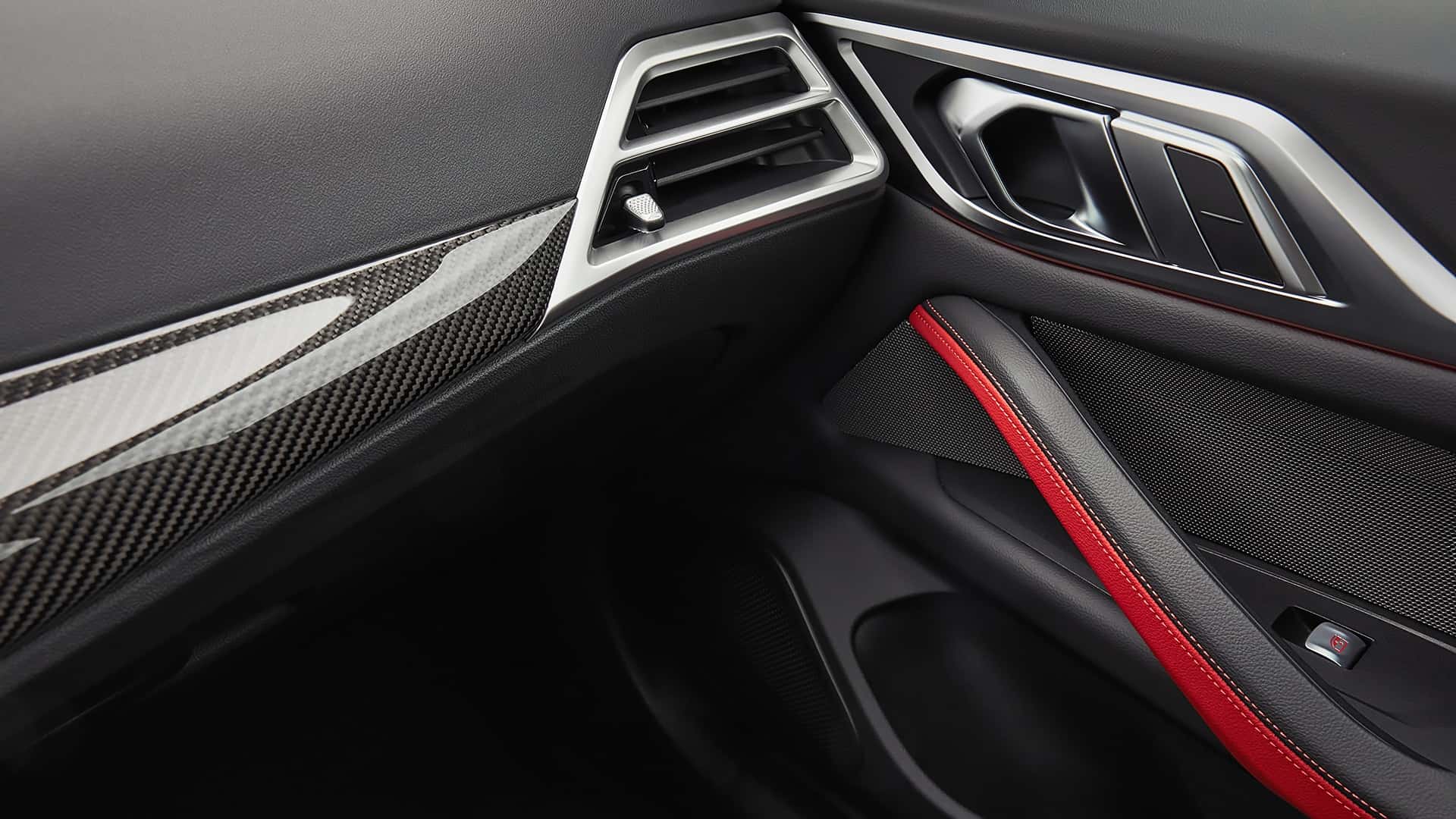
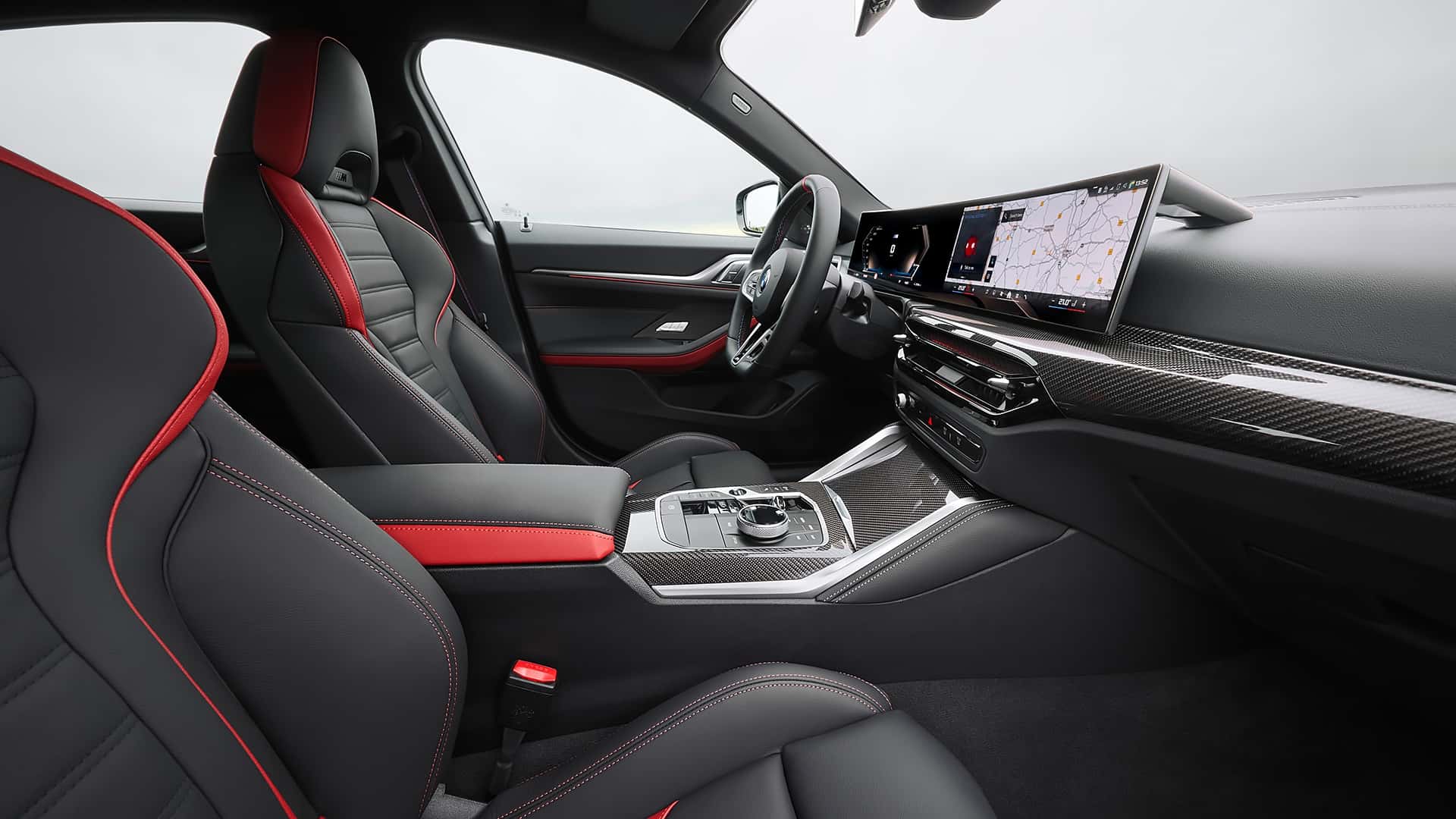
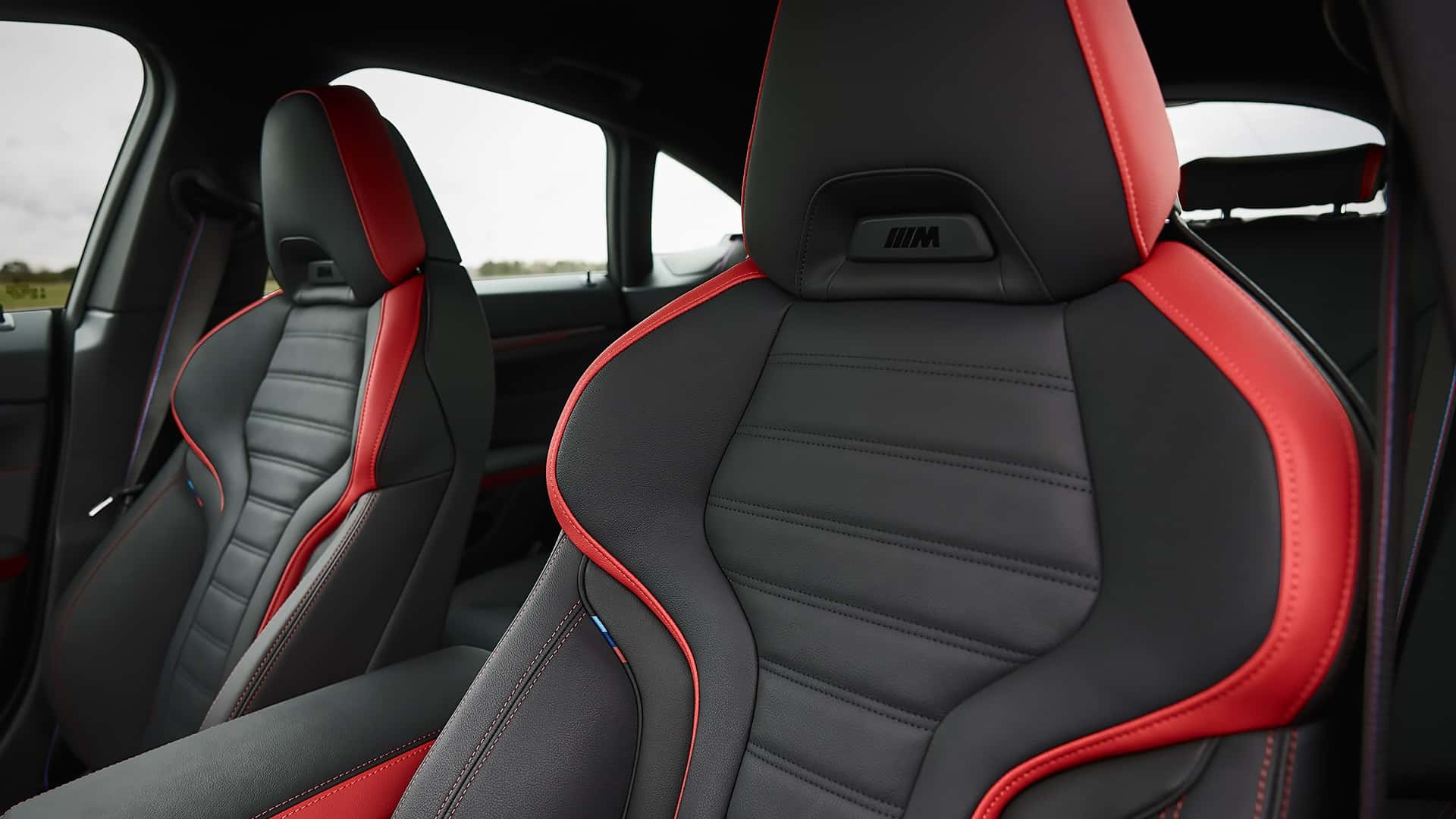
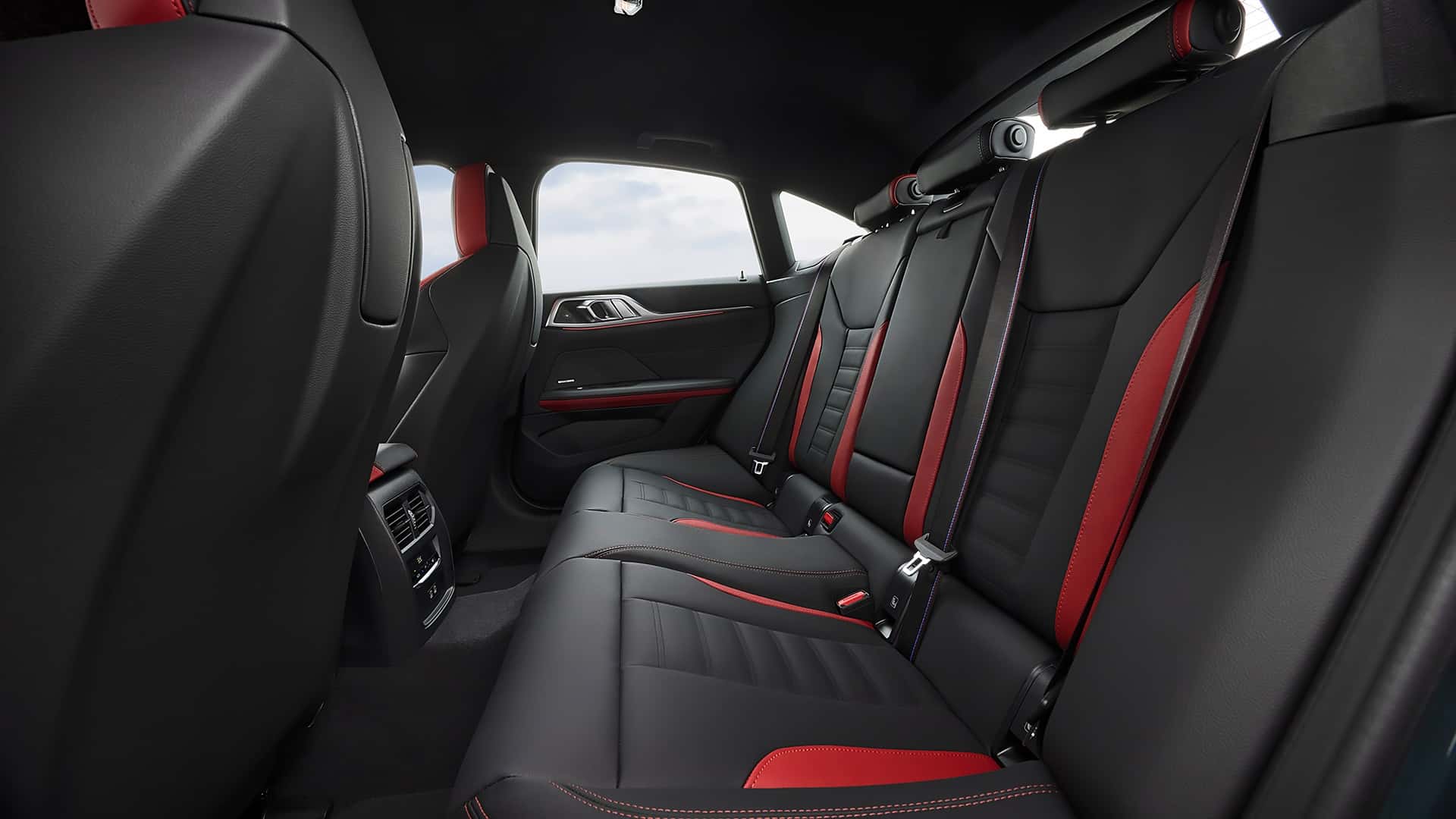
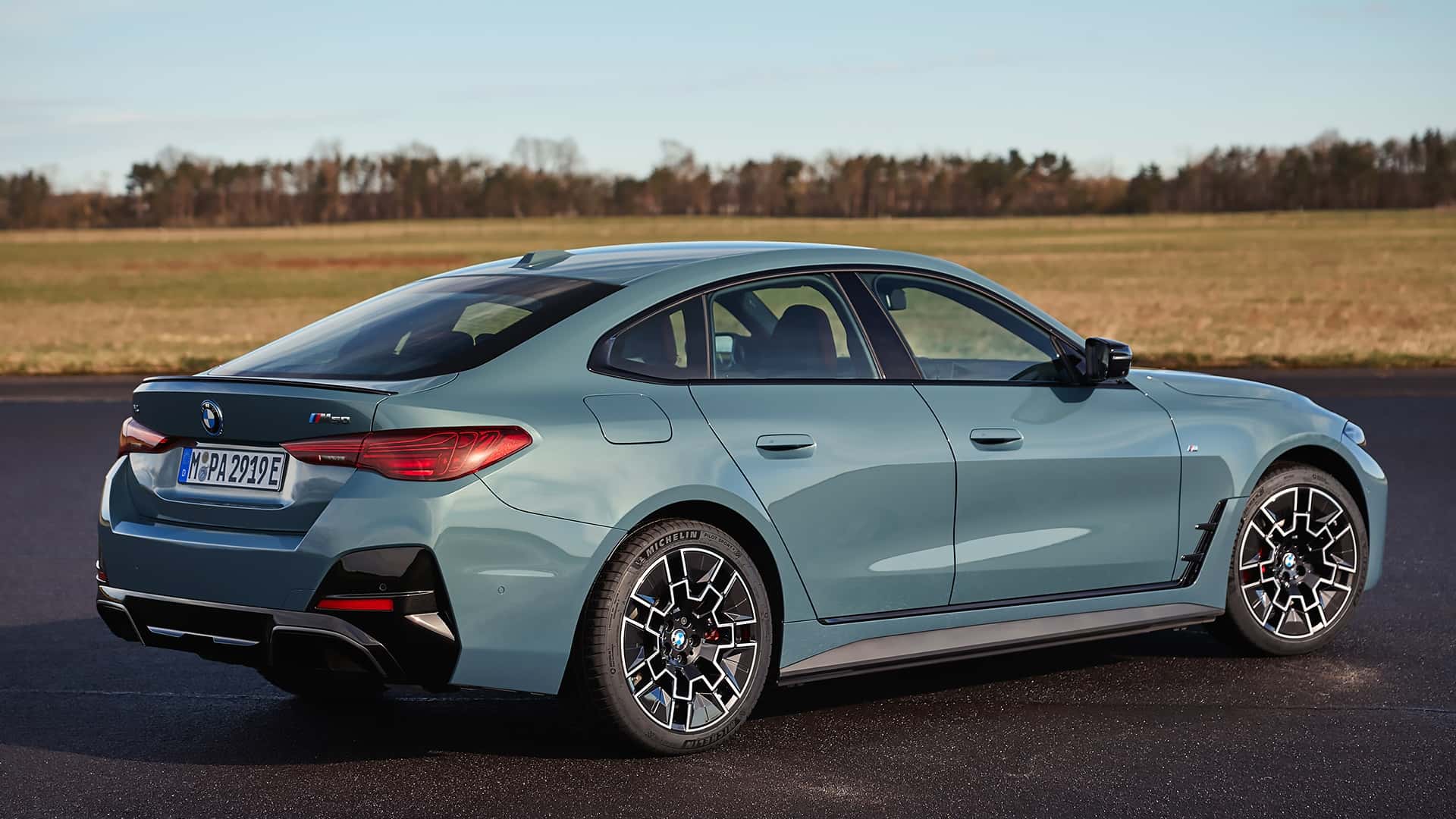
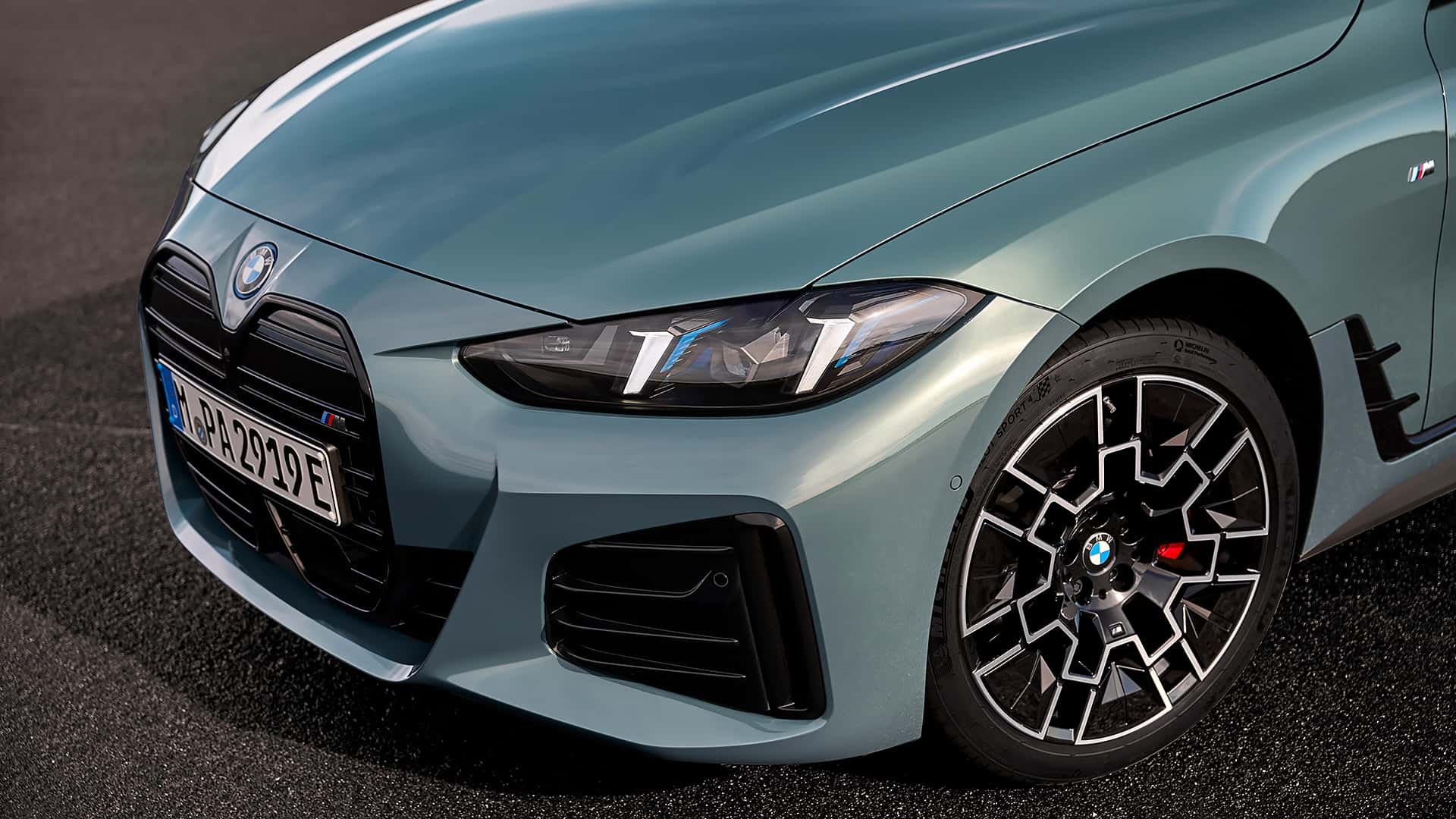
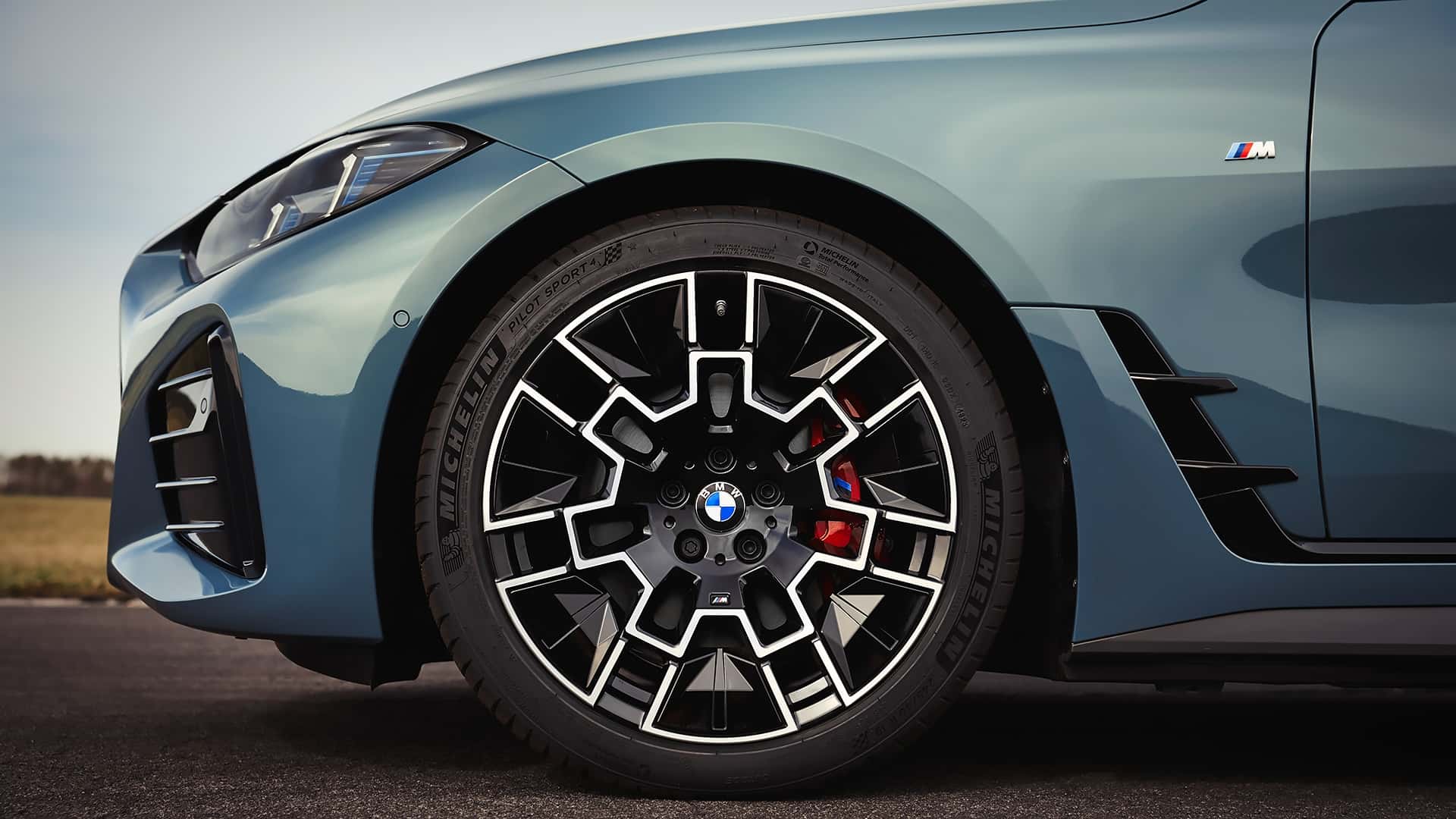
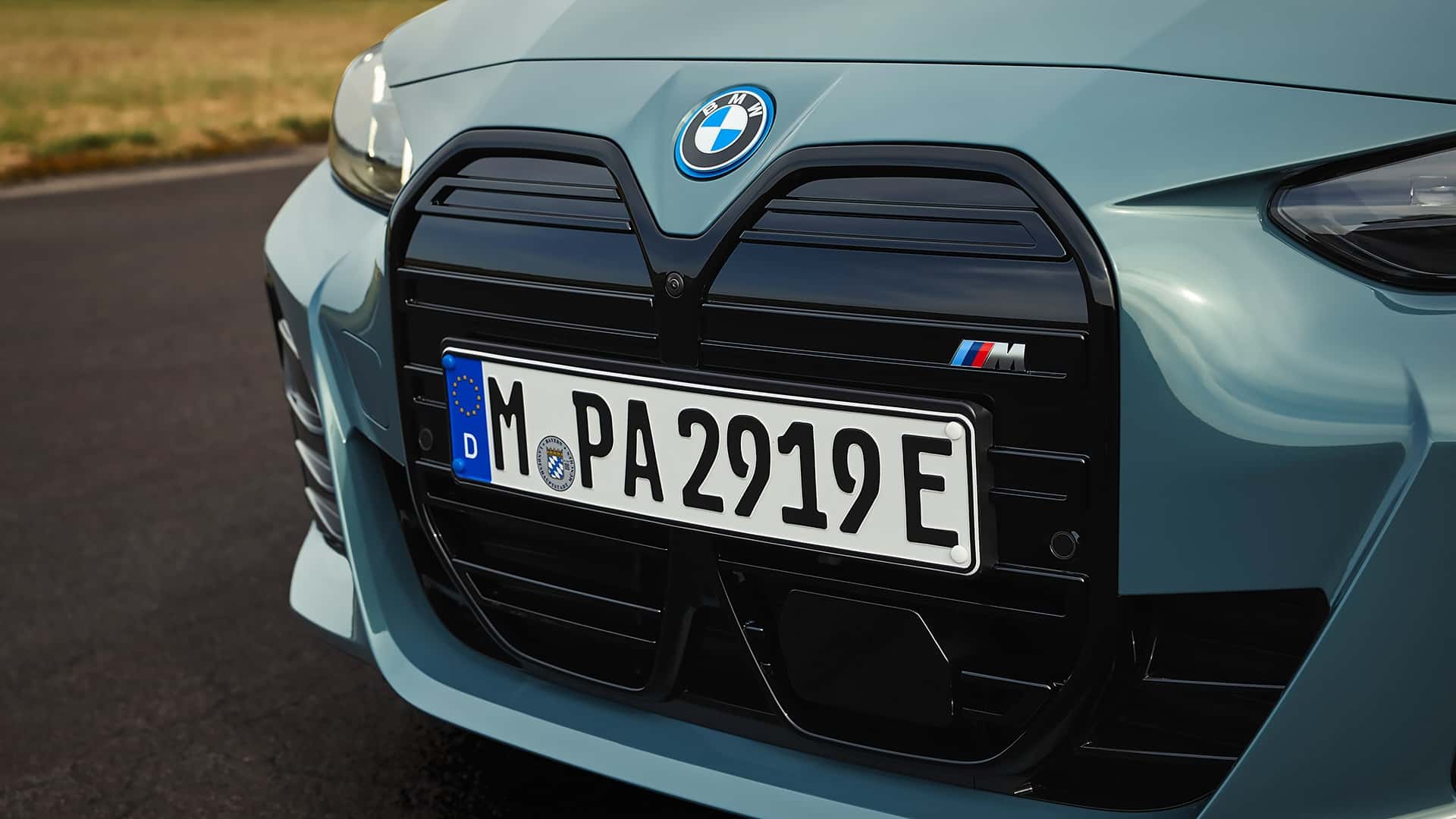
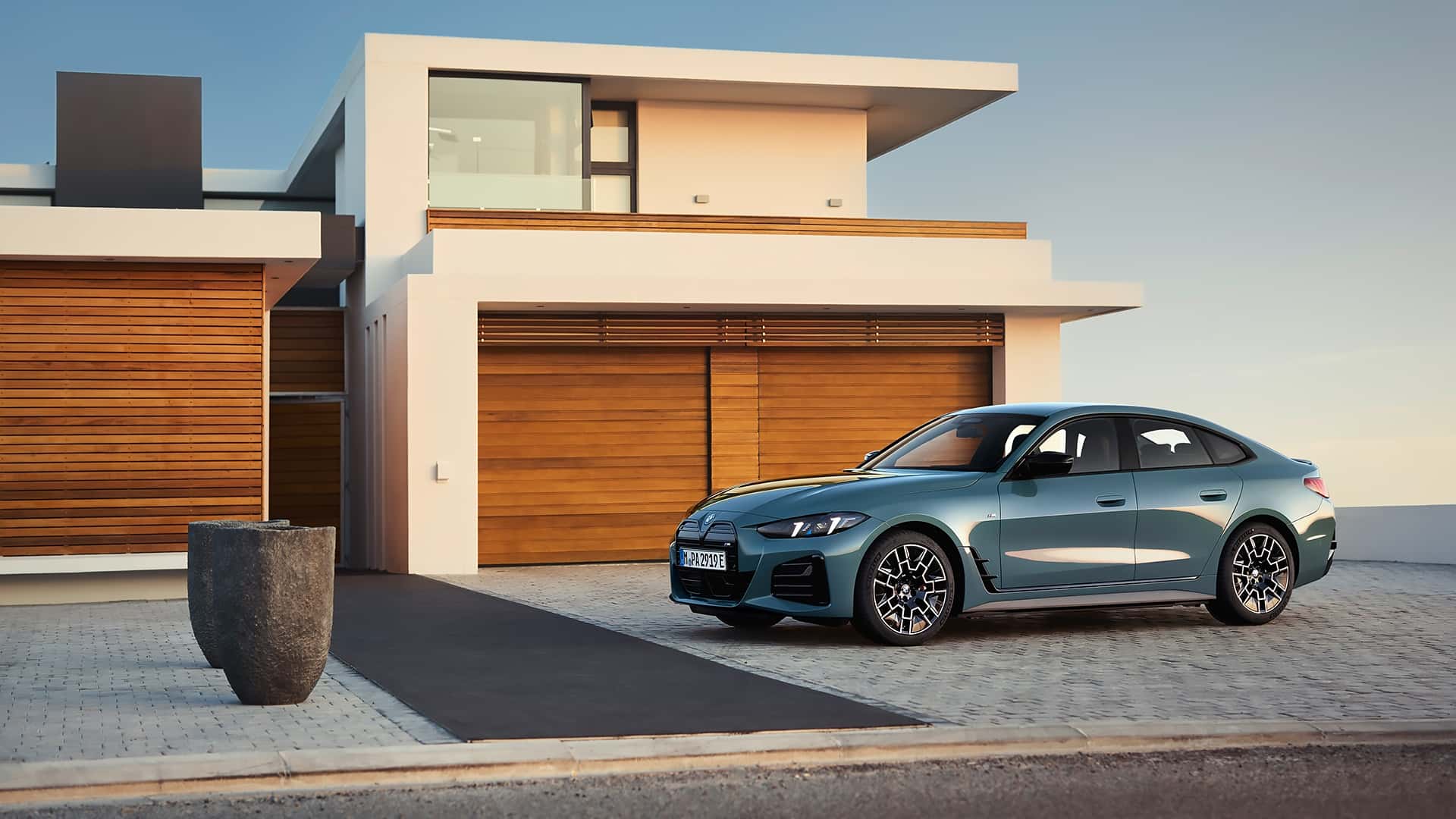
Automotive design has evolved into a complex interplay between aesthetics and technology, where beauty often conceals advanced engineering solutions. As manufacturers strive to create visually appealing vehicles, they also integrate cutting-edge technologies that enhance performance and efficiency, making this a crucial aspect of modern automotive development.
In this landscape, automotive design is not just about creating attractive shapes; it involves a meticulous balance of form and function. Designers must consider aerodynamics, safety features, and user experience while crafting vehicles that stand out in a crowded market. This blend of artistry and engineering is essential for attracting consumers who demand both style and substance.
Design Trends: The Intersection of Style and Functionality
Current design trends reflect a shift towards more sustainable and efficient vehicles, with manufacturers embracing eco-friendly materials and innovative technologies. The focus is on creating cars that not only look good but also minimize environmental impact. As the automotive industry faces increasing pressure to reduce emissions, design plays a pivotal role in achieving these goals.
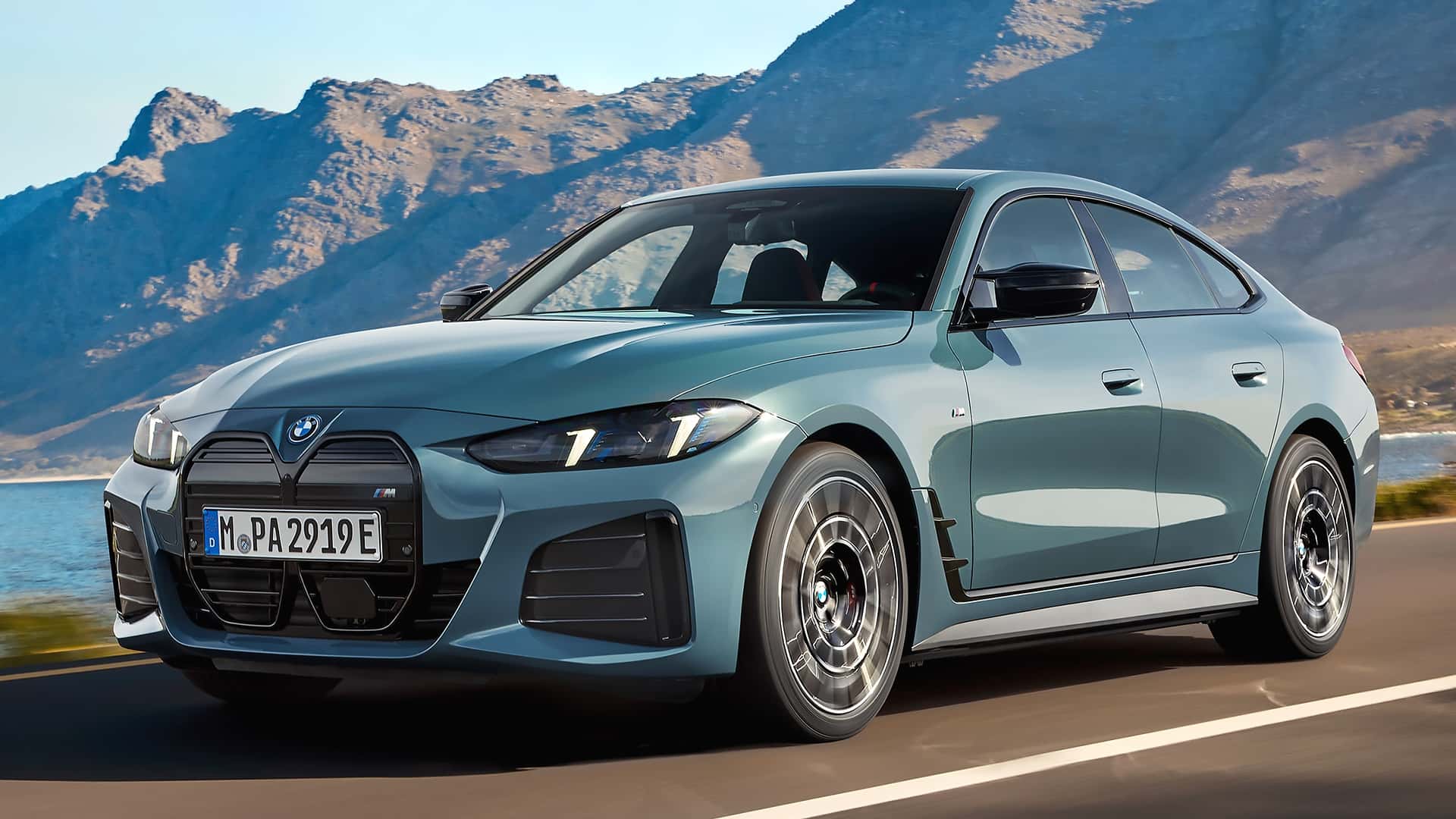
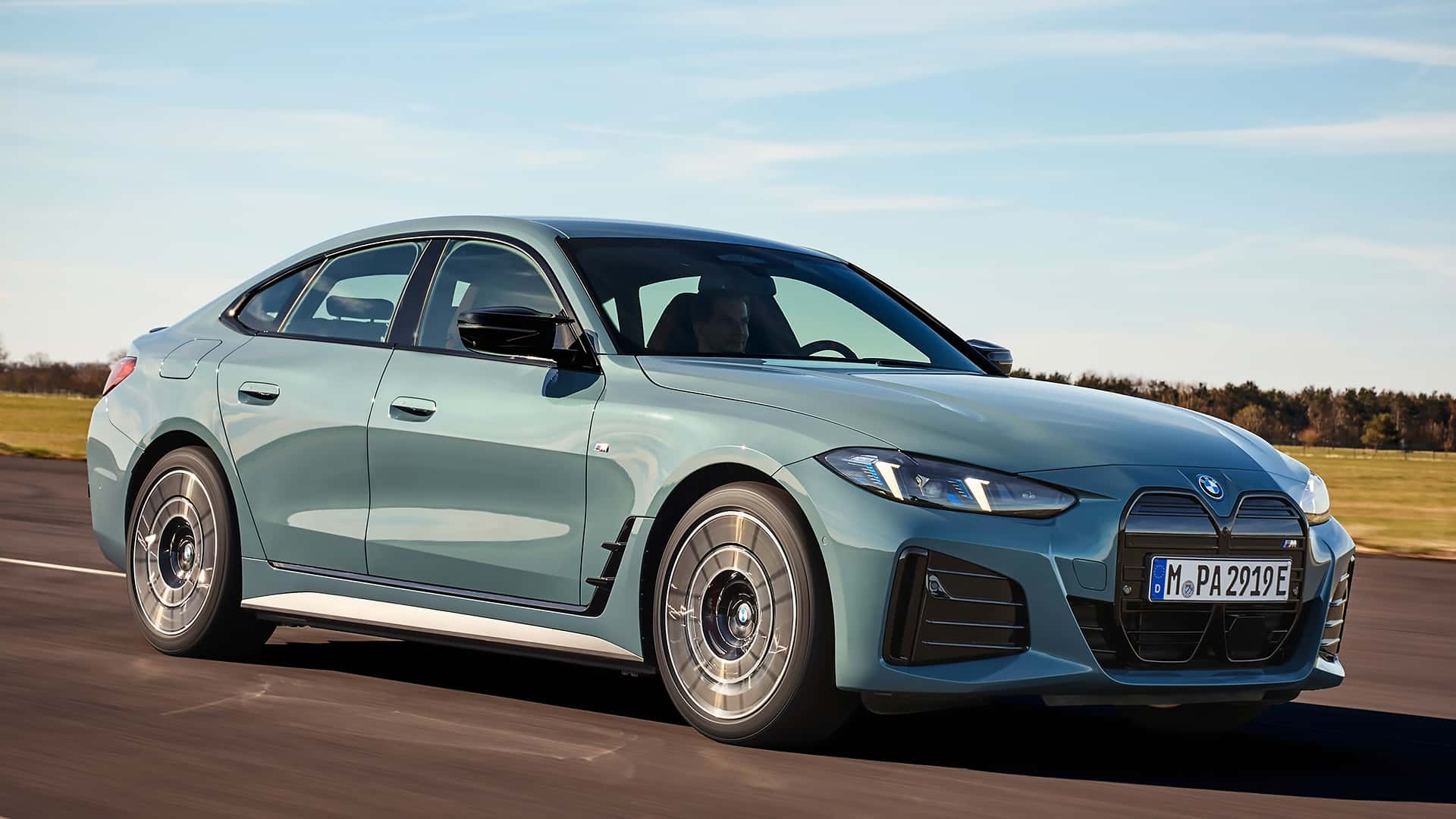
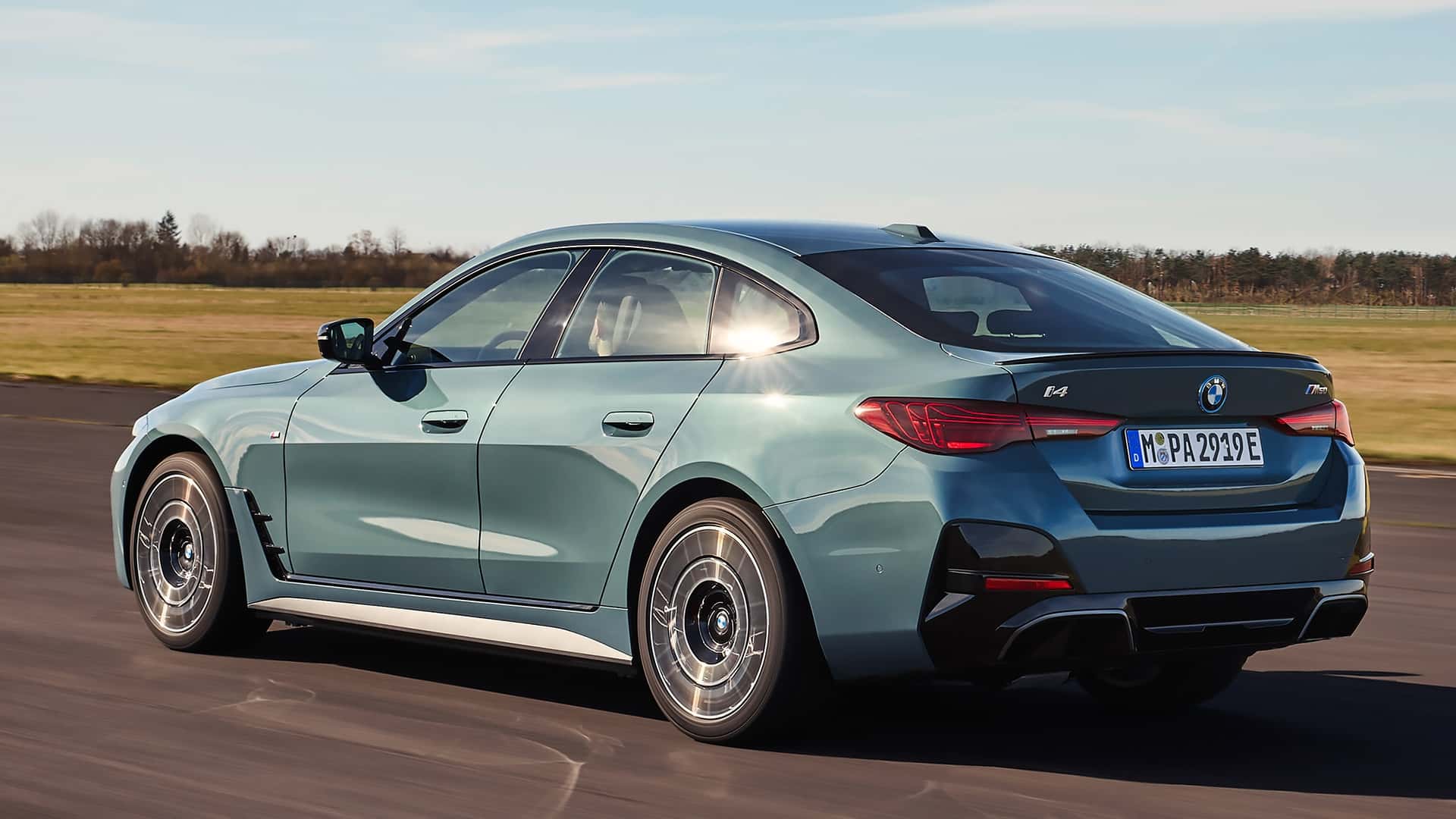
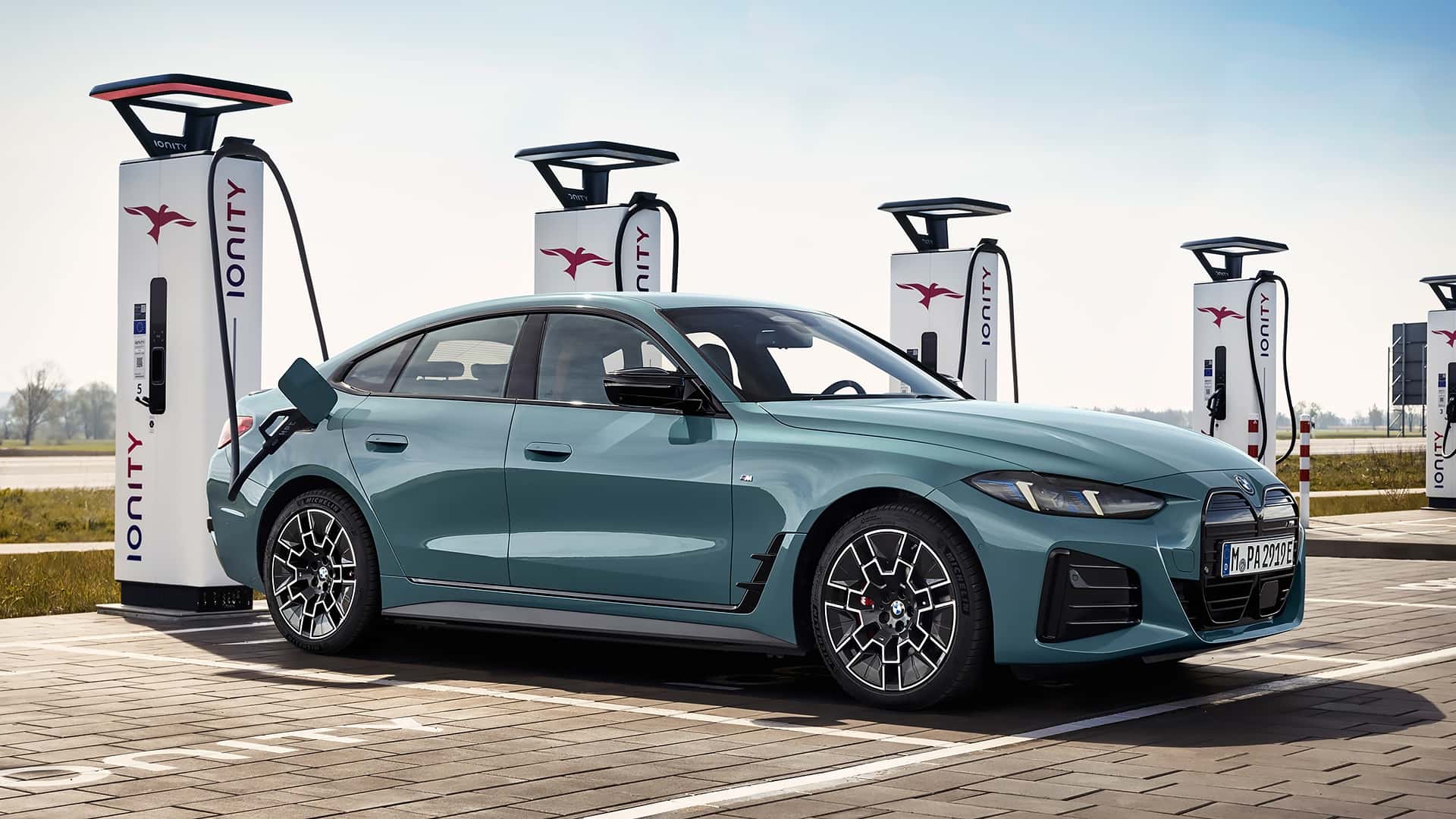
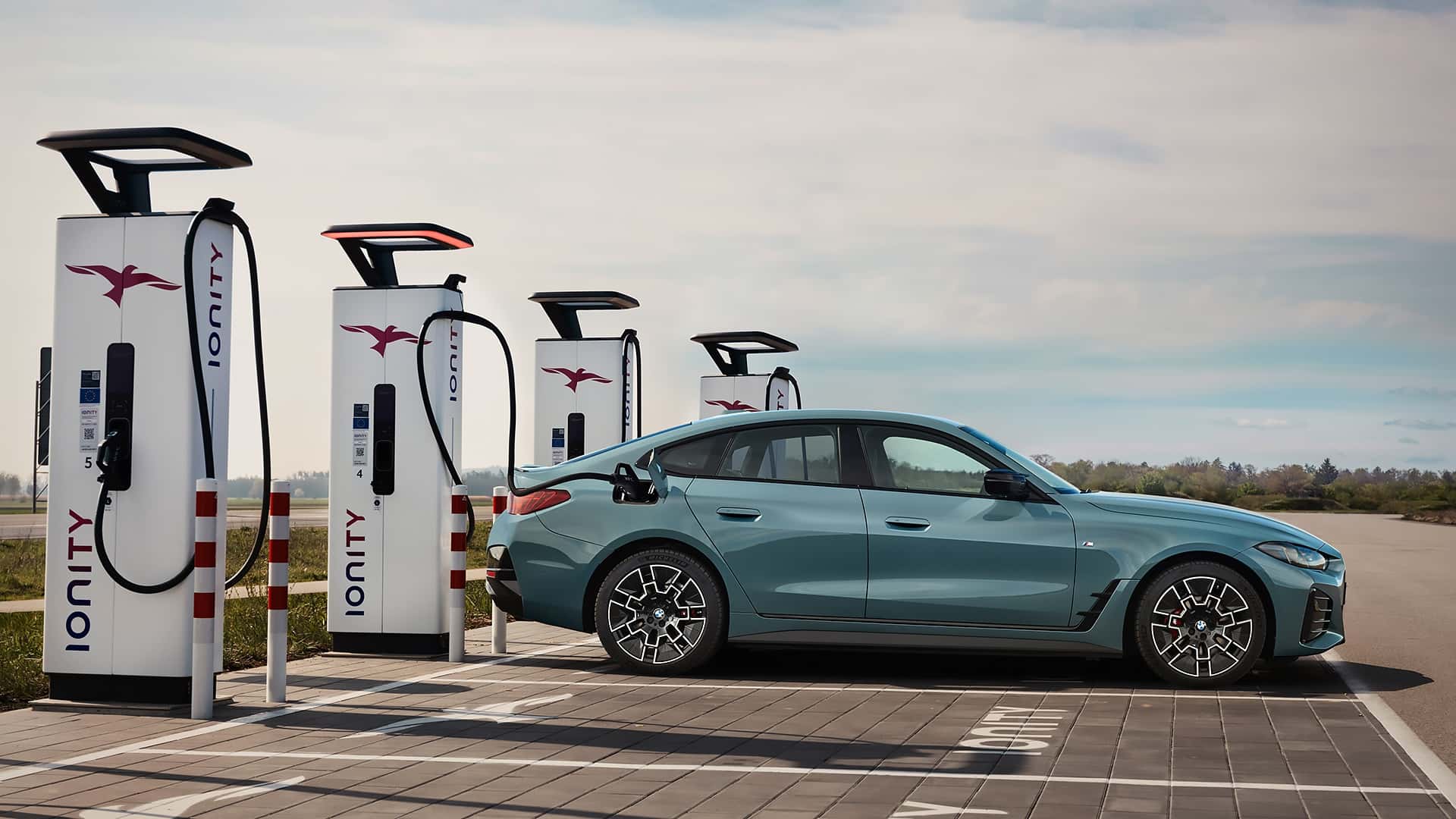
For instance, the integration of electric powertrains has led to a rethinking of traditional design elements. Vehicles like the i4 and iX showcase how electric cars can maintain aesthetic appeal while incorporating advanced technology, demonstrating that sustainability and style can coexist harmoniously.

As consumers become more environmentally conscious, the demand for stylish electric vehicles is on the rise. Manufacturers are responding by designing cars that not only meet performance standards but also resonate with buyers’ values. This shift is evident in models like the Lancia Ypsilon, which combines modern aesthetics with eco-friendly technology.
Innovation: The Future of Automotive Aesthetics
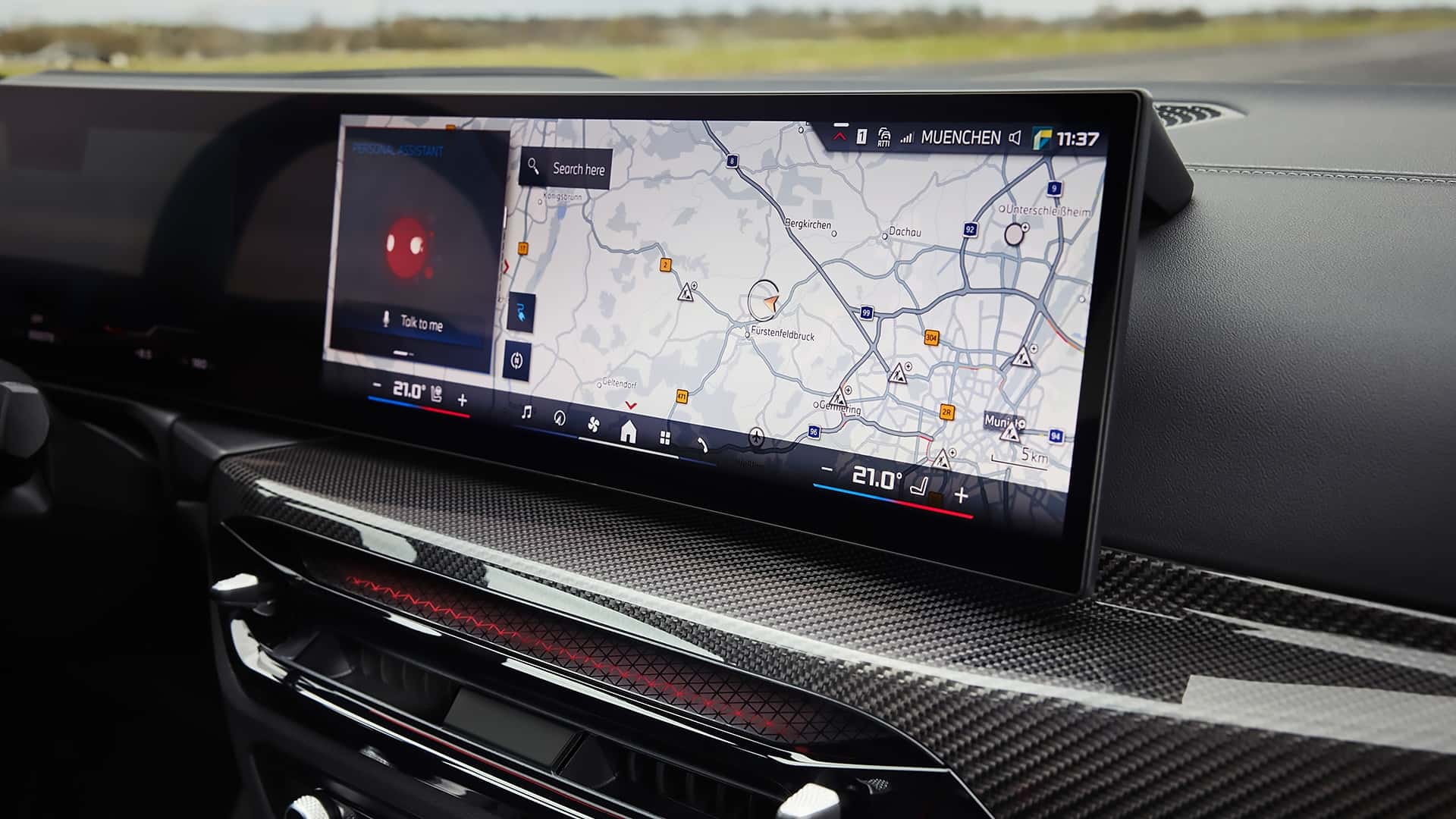
Innovation in automotive design is not limited to aesthetics; it extends to the very core of vehicle functionality. The integration of smart technologies, such as advanced driver-assistance systems and connectivity features, is reshaping how vehicles are designed and perceived. As these technologies become more prevalent, they influence design choices, leading to a new era of automotive aesthetics.
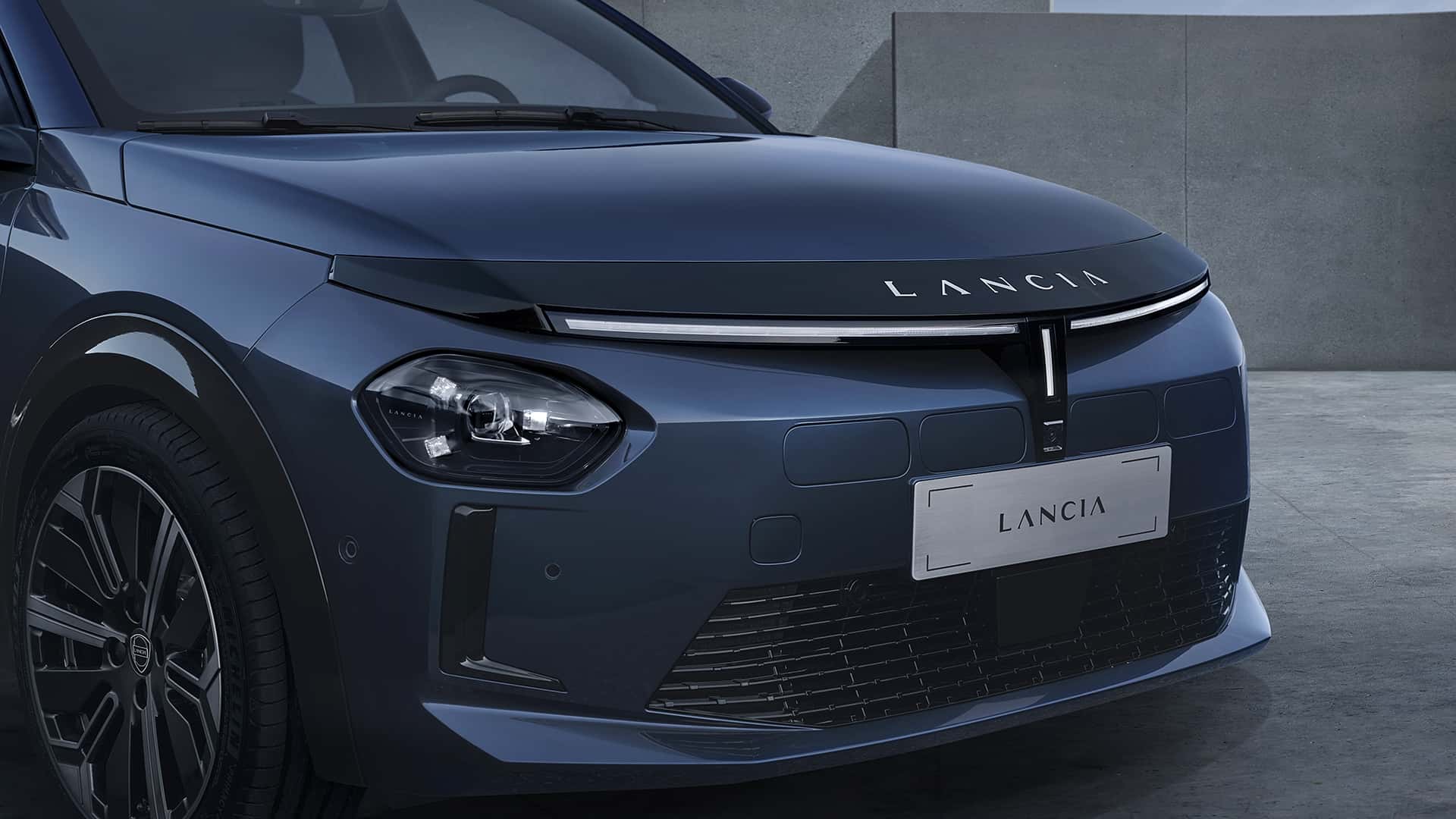
Models like the Audi Q4 35 e-tron and Tesla Model 3 exemplify this trend, showcasing how technology can enhance both the driving experience and the vehicle’s visual appeal. As the automotive landscape continues to evolve, designers must adapt to these changes while maintaining a strong focus on aesthetics.
Conclusion: The Balance of Design and Technology
The balance between design and technology is crucial for the future of the automotive industry. As manufacturers strive to create vehicles that are both visually appealing and technologically advanced, they must also consider the changing preferences of consumers. The push for sustainability and innovation will continue to shape automotive design, leading to exciting developments in the years to come.
For buyers seeking a blend of style and technology, electric vehicles offer a compelling option. However, traditional combustion engine models still hold appeal for those who prioritize performance. As the market evolves, it will be interesting to see how manufacturers navigate these competing demands while pushing the boundaries of automotive design.

The Tesla Model 3 remains a strong contender in the electric vehicle market, appealing to consumers who value both performance and design. As the automotive industry continues to innovate, the interplay between aesthetics and technology will remain a focal point for manufacturers and consumers alike.
Looking Ahead: The Future of Automotive Design
The future of automotive design promises to be an exciting journey, with advancements in technology paving the way for new possibilities. As manufacturers explore innovative materials and design techniques, the potential for creating stunning vehicles that also meet environmental standards is greater than ever. The automotive industry is on the brink of a transformation, and design will play a pivotal role in shaping its future.
As we look ahead, it will be essential for manufacturers to stay attuned to consumer preferences and technological advancements. The balance between aesthetics and functionality will continue to evolve, ensuring that automotive design remains at the forefront of industry innovation.

The new Citroën C3 (2024) exemplifies this trend, showcasing how modern design can incorporate advanced technology while appealing to a broad audience. As the automotive landscape shifts, the importance of design in attracting consumers cannot be overstated.

The BMW 7 Series continues to set the standard for luxury vehicles, blending cutting-edge technology with timeless design elements. As the market evolves, the interplay between aesthetics and technology will remain a critical factor in shaping consumer choices.
Final Thoughts: The Art of Automotive Design
Automotive design is an art form that requires a delicate balance between aesthetics and technology. As manufacturers strive to create vehicles that resonate with consumers, they must also embrace innovation and sustainability. The future of automotive design is bright, and it will be fascinating to see how these elements come together in the years to come.
For those seeking a stylish and technologically advanced vehicle, the options are plentiful. However, as the market continues to evolve, it will be essential for buyers to stay informed about the latest trends and innovations in automotive design.