Automotive design combines aesthetics with technology, creating vehicles that not only look good but also perform well. As manufacturers push the boundaries of design, understanding the technical aspects behind these creations becomes essential for enthusiasts and buyers alike.
In an era where style meets functionality, the integration of advanced materials and innovative engineering is crucial. Designers are now tasked with creating vehicles that are not only visually appealing but also aerodynamically efficient, ensuring that they meet the demands of modern consumers. This balance between form and function is what drives the automotive industry forward.
The Art of Design: Merging Form and Function
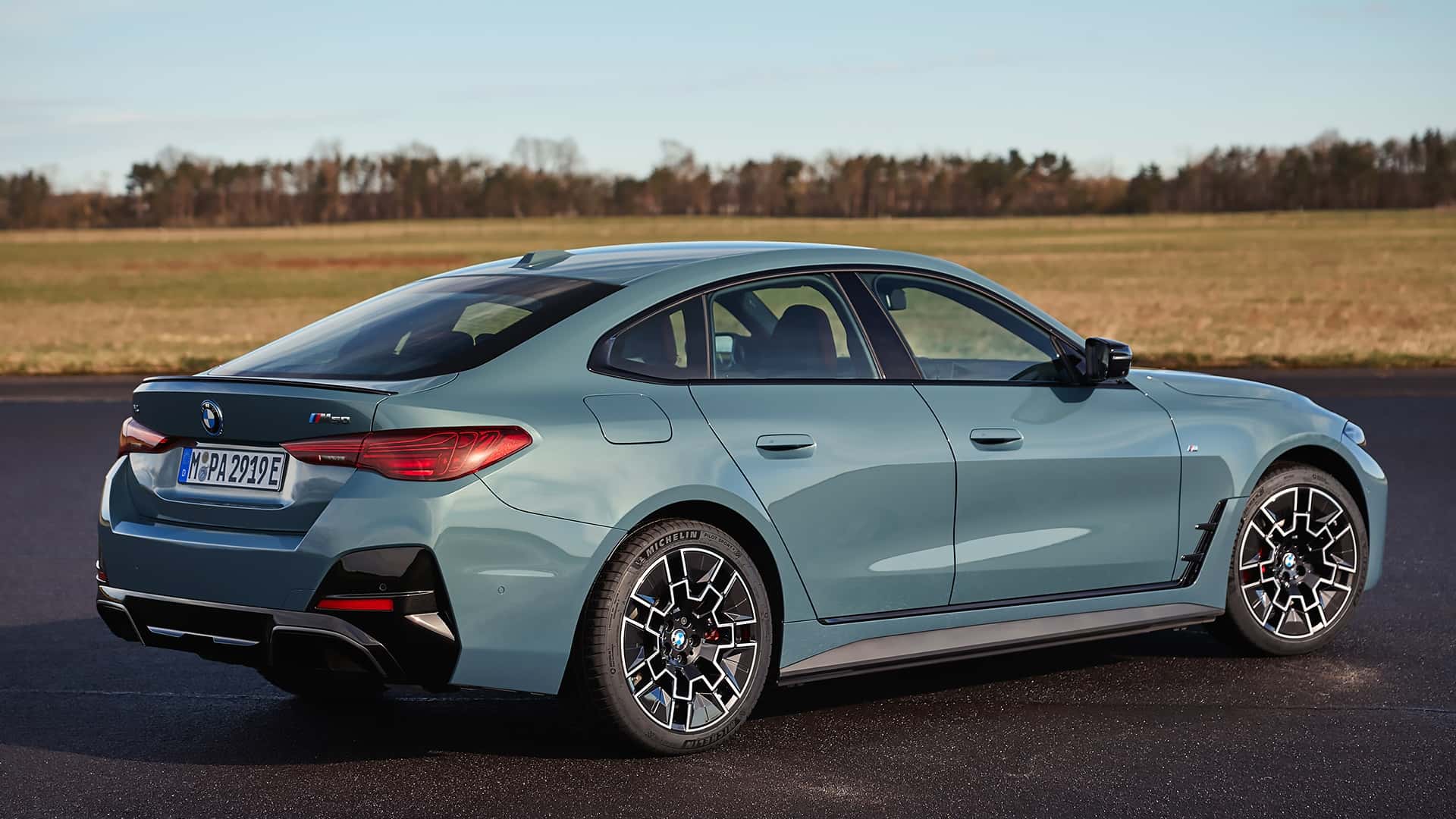
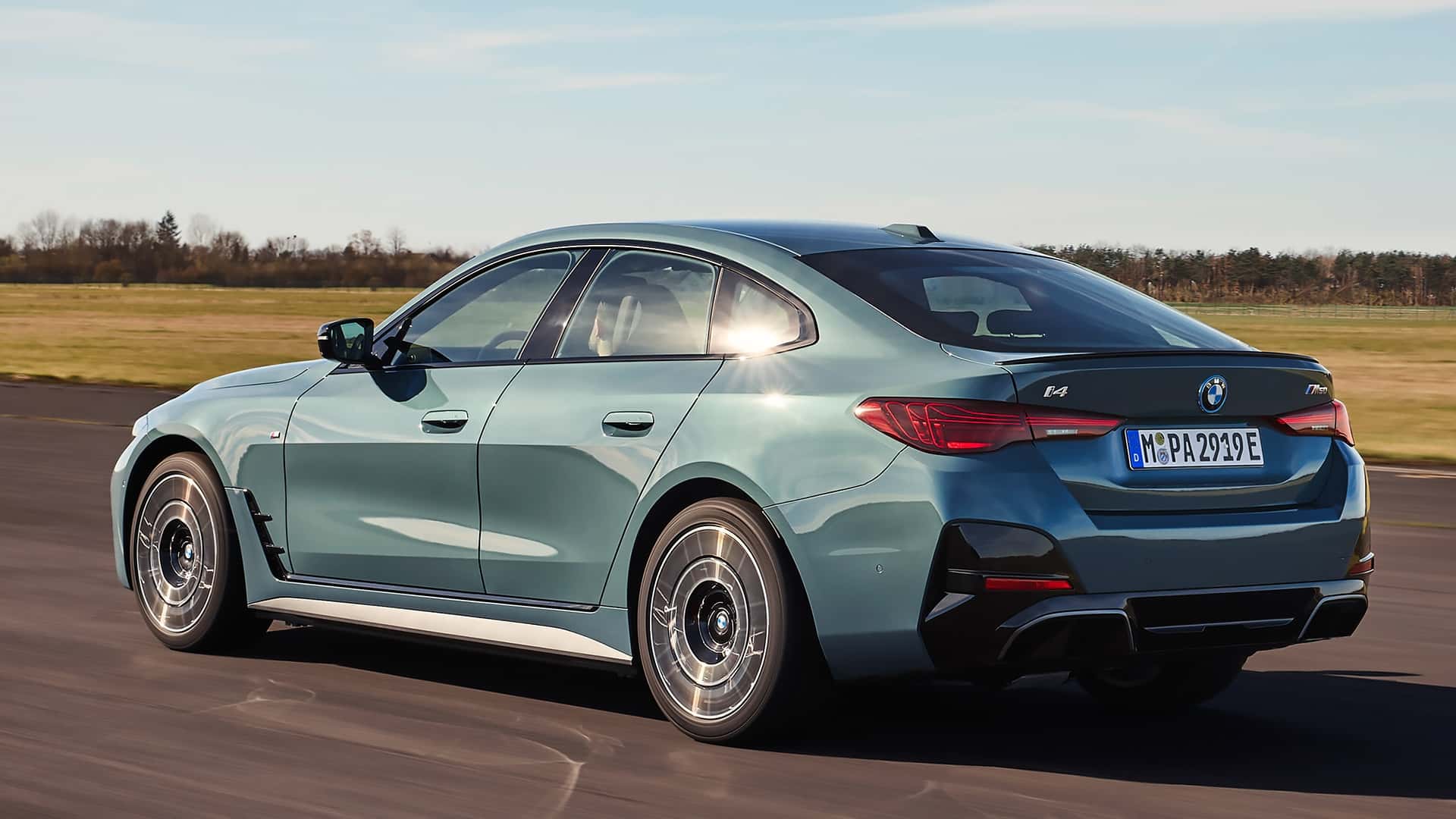
Designers are increasingly focused on how aesthetics influence vehicle performance. The sleek lines and curves of a car can significantly impact its aerodynamics, which in turn affects fuel efficiency and handling. As manufacturers strive to create visually stunning vehicles, they must also consider how these designs will perform on the road.
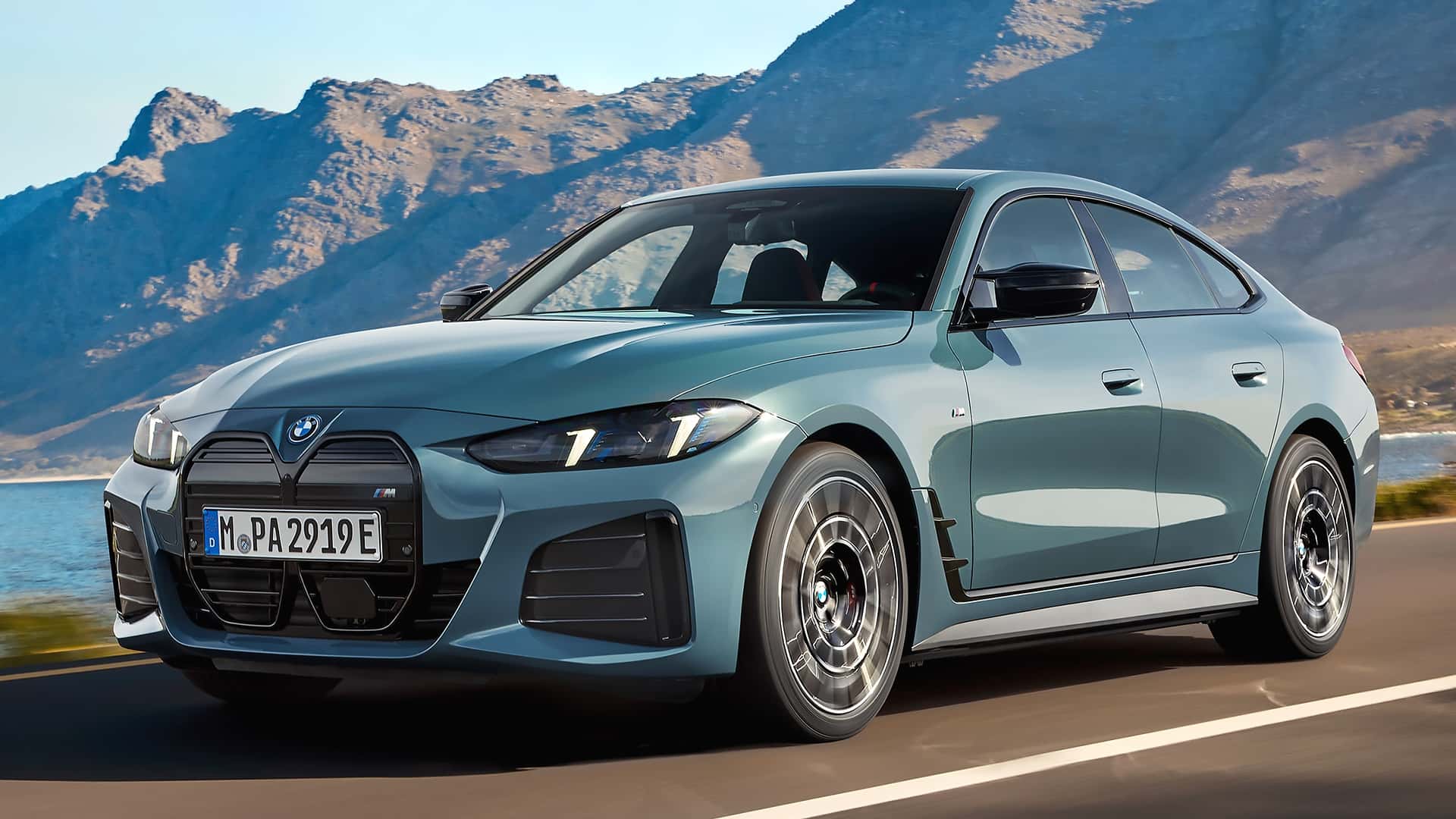
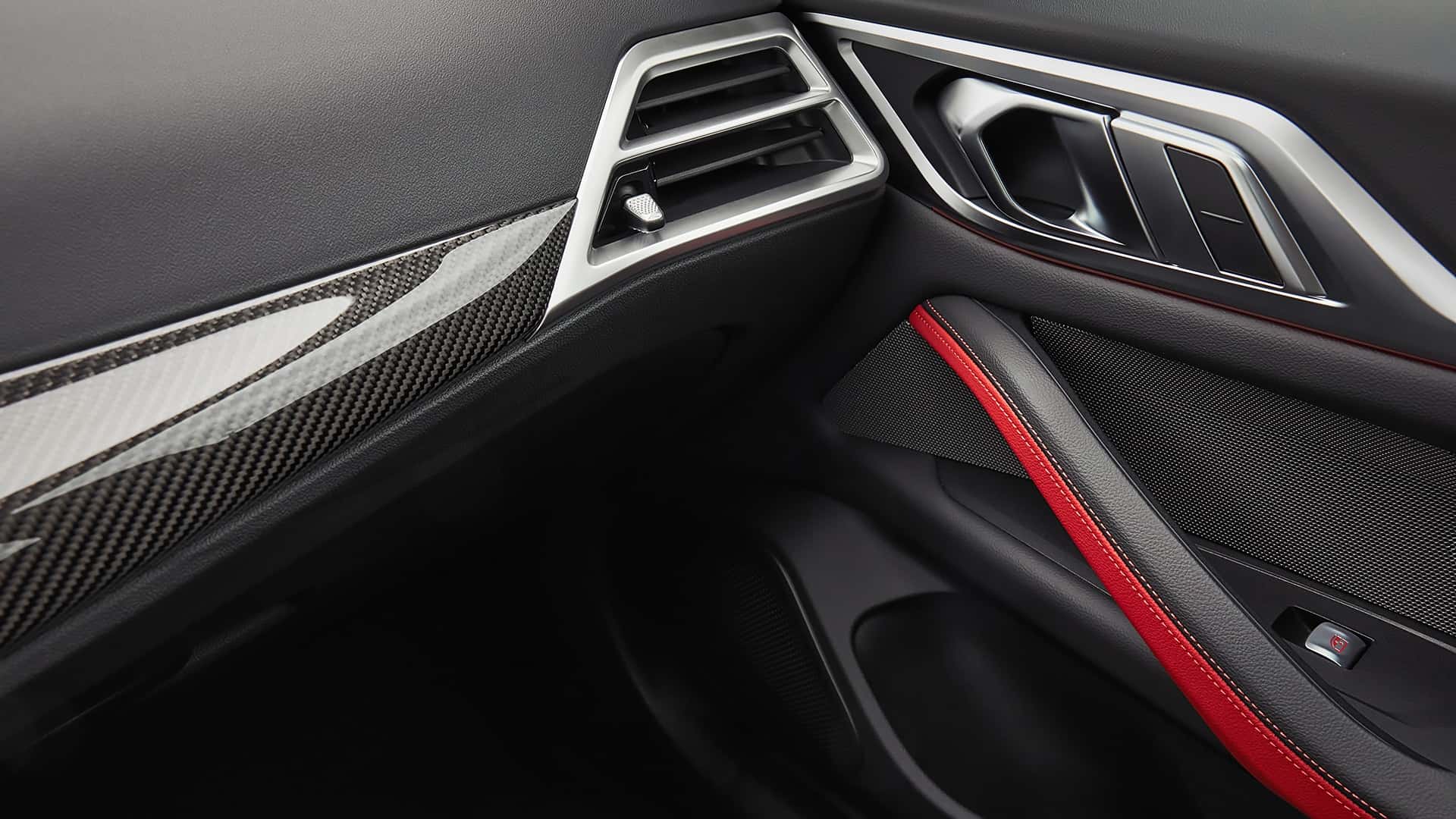
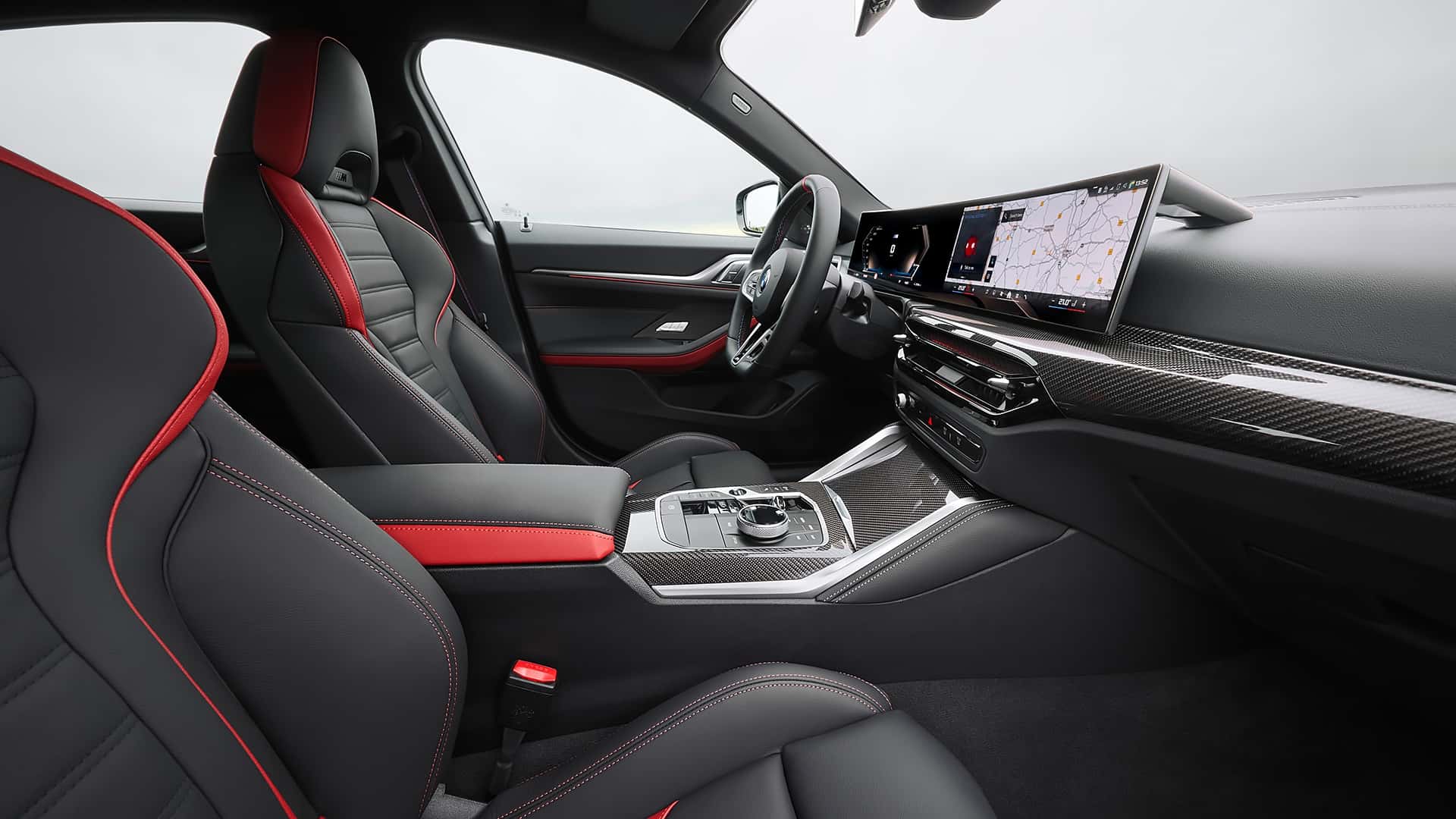
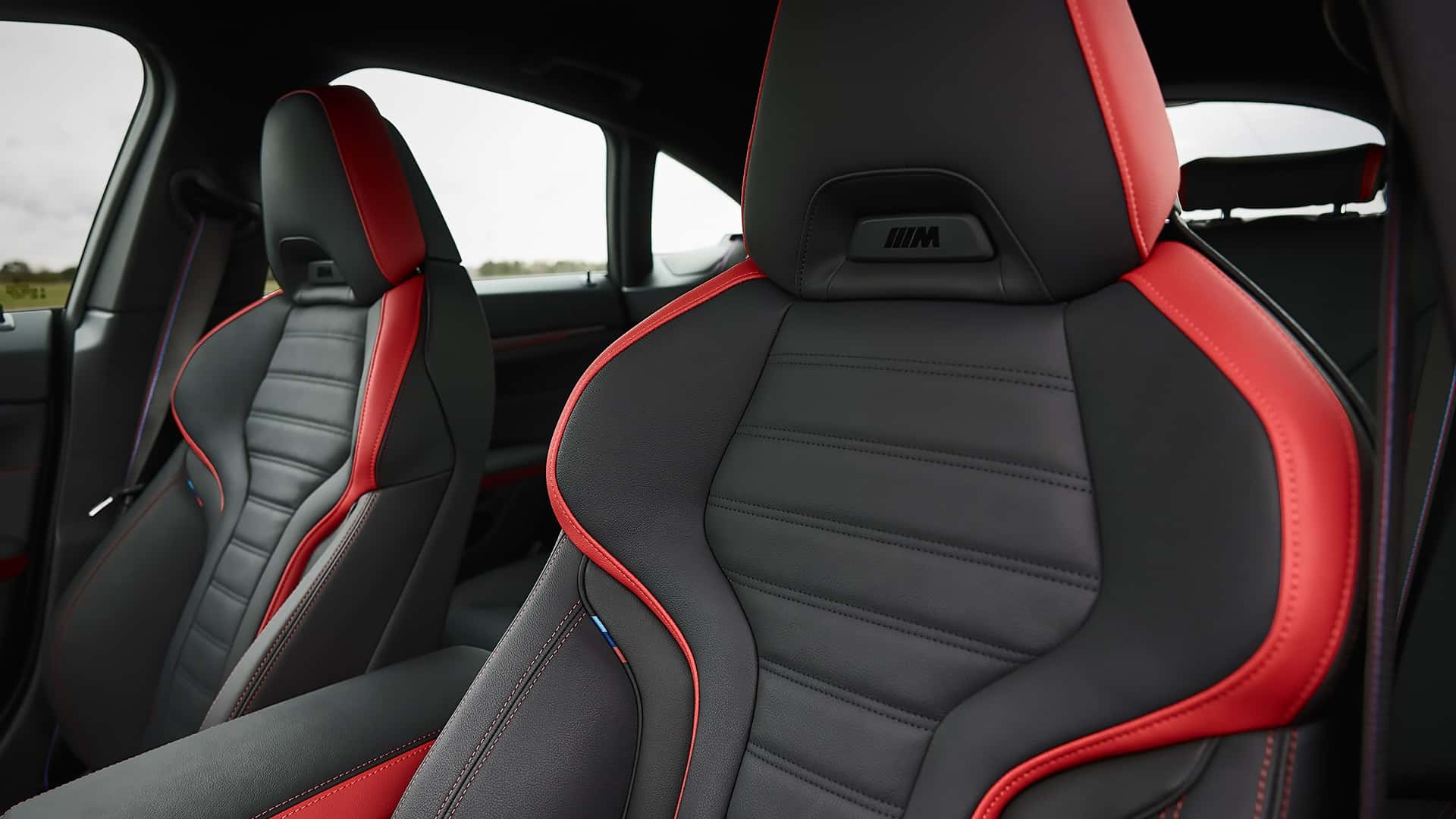
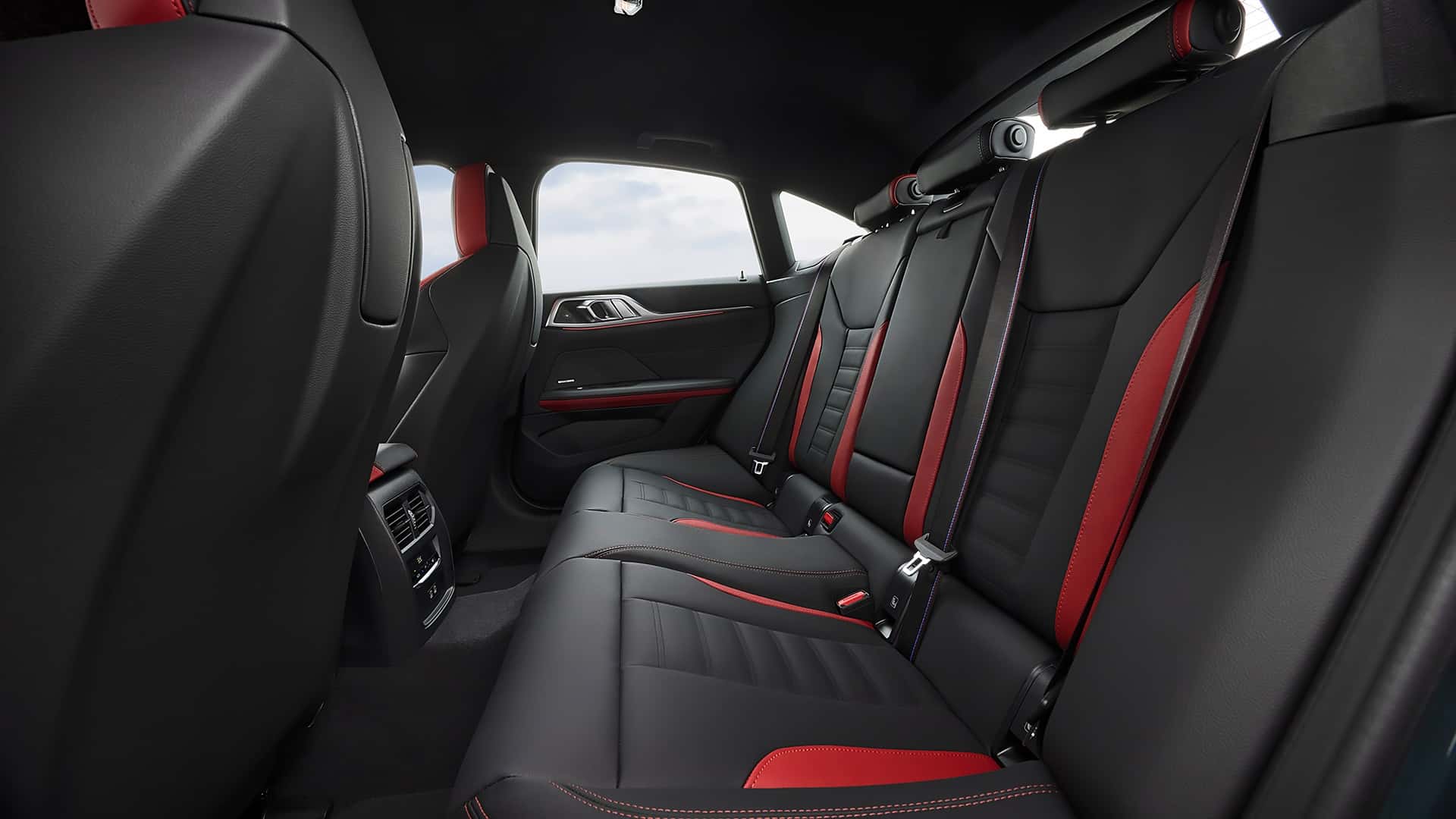
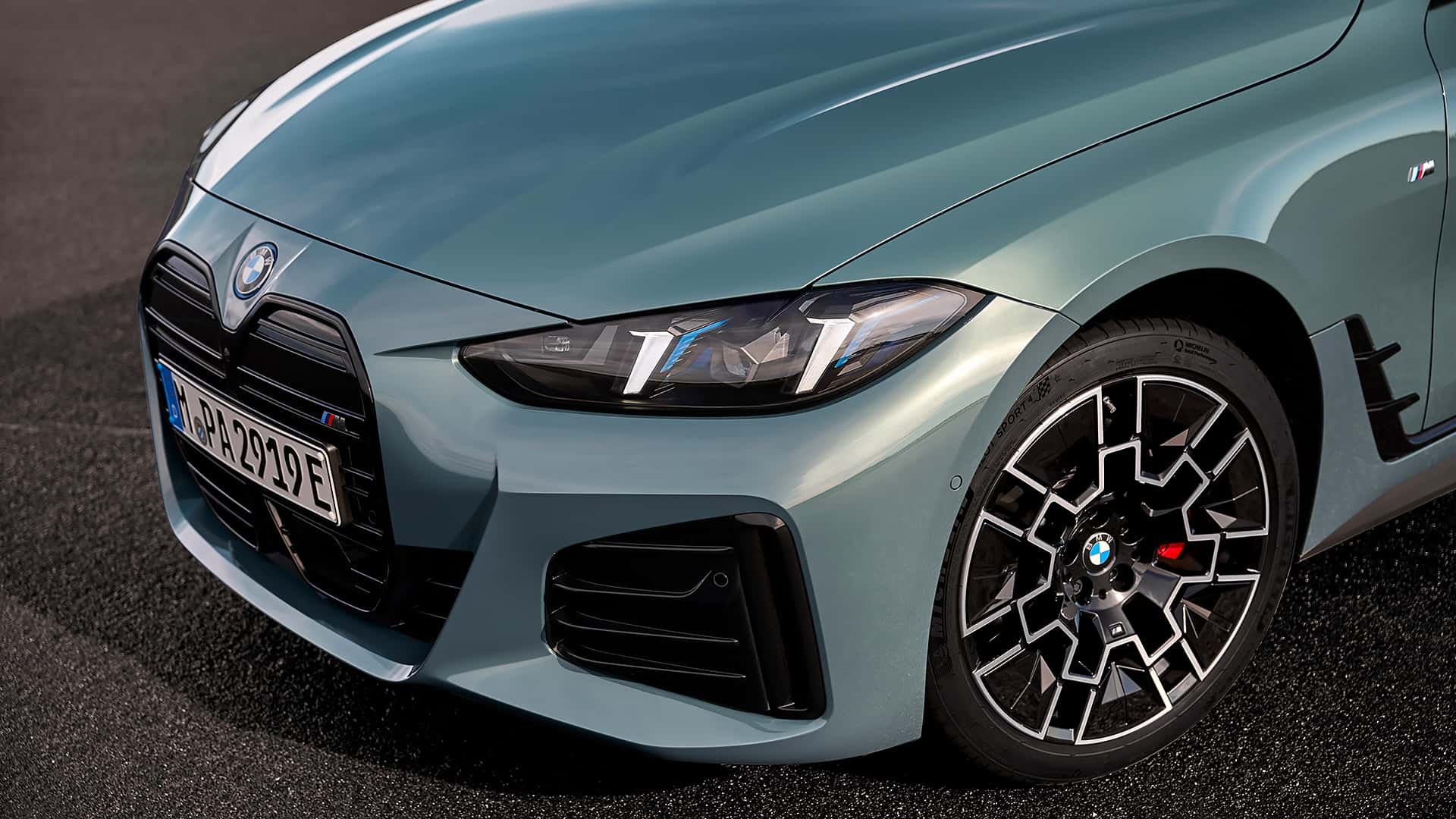
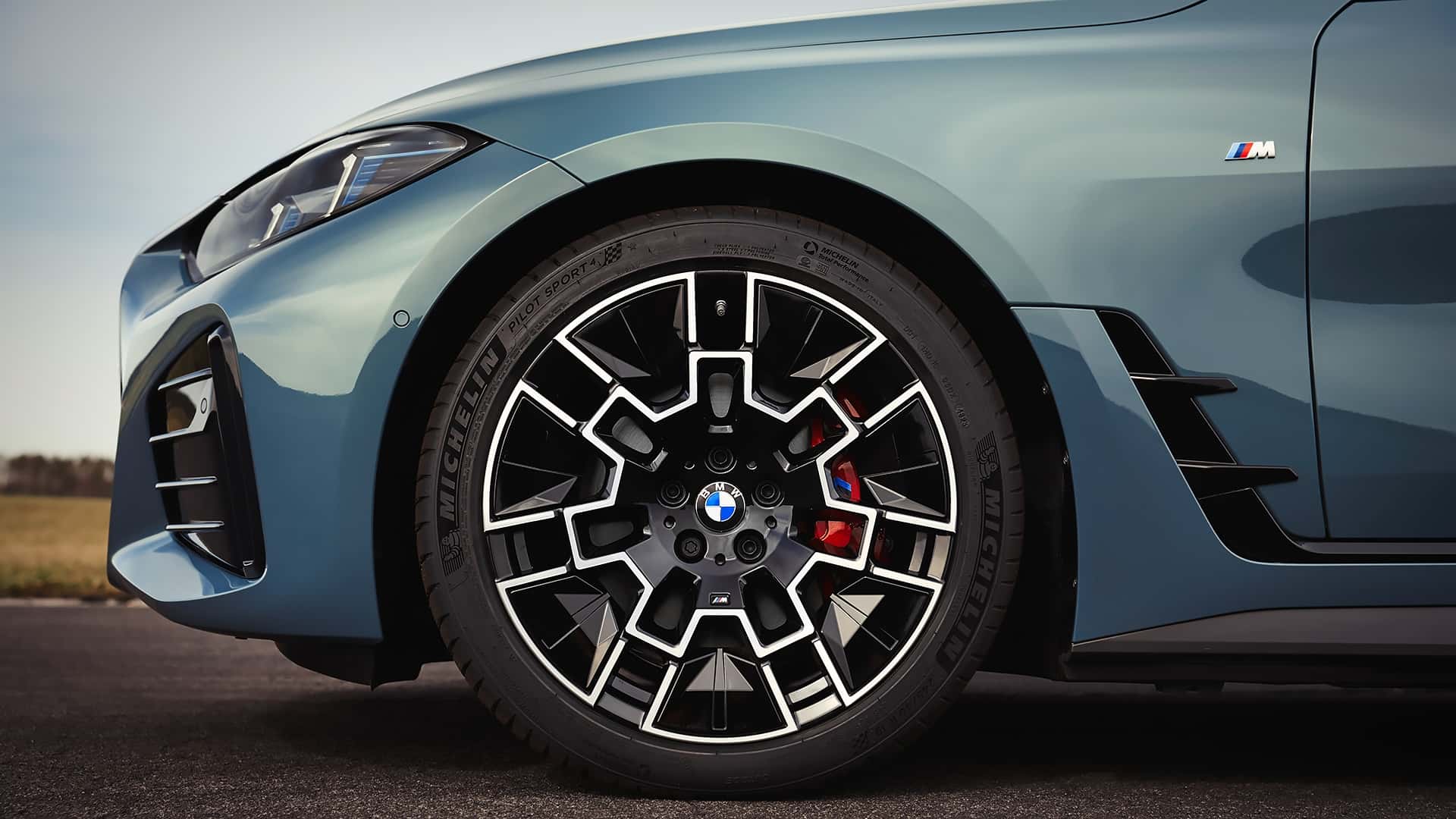
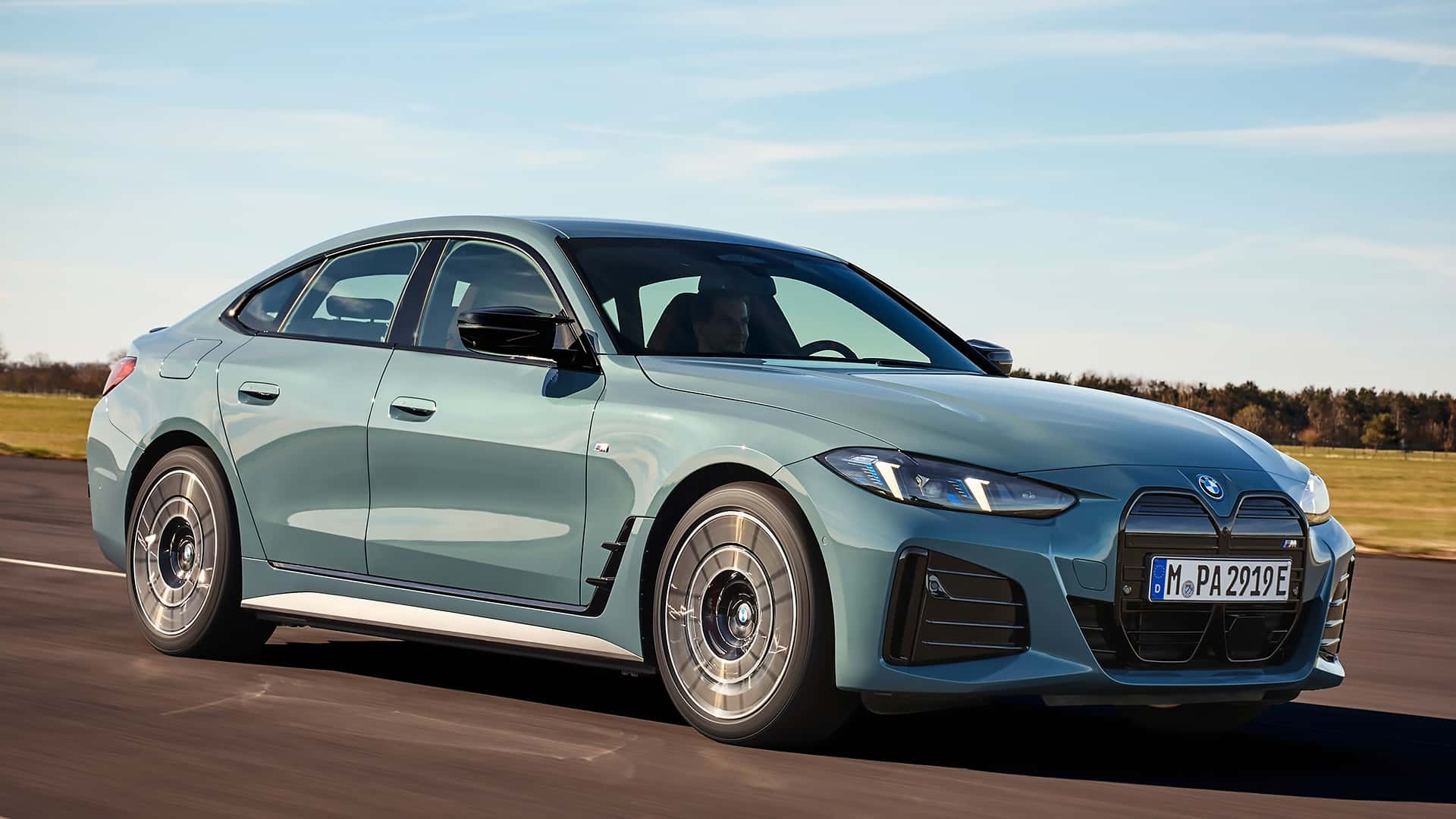
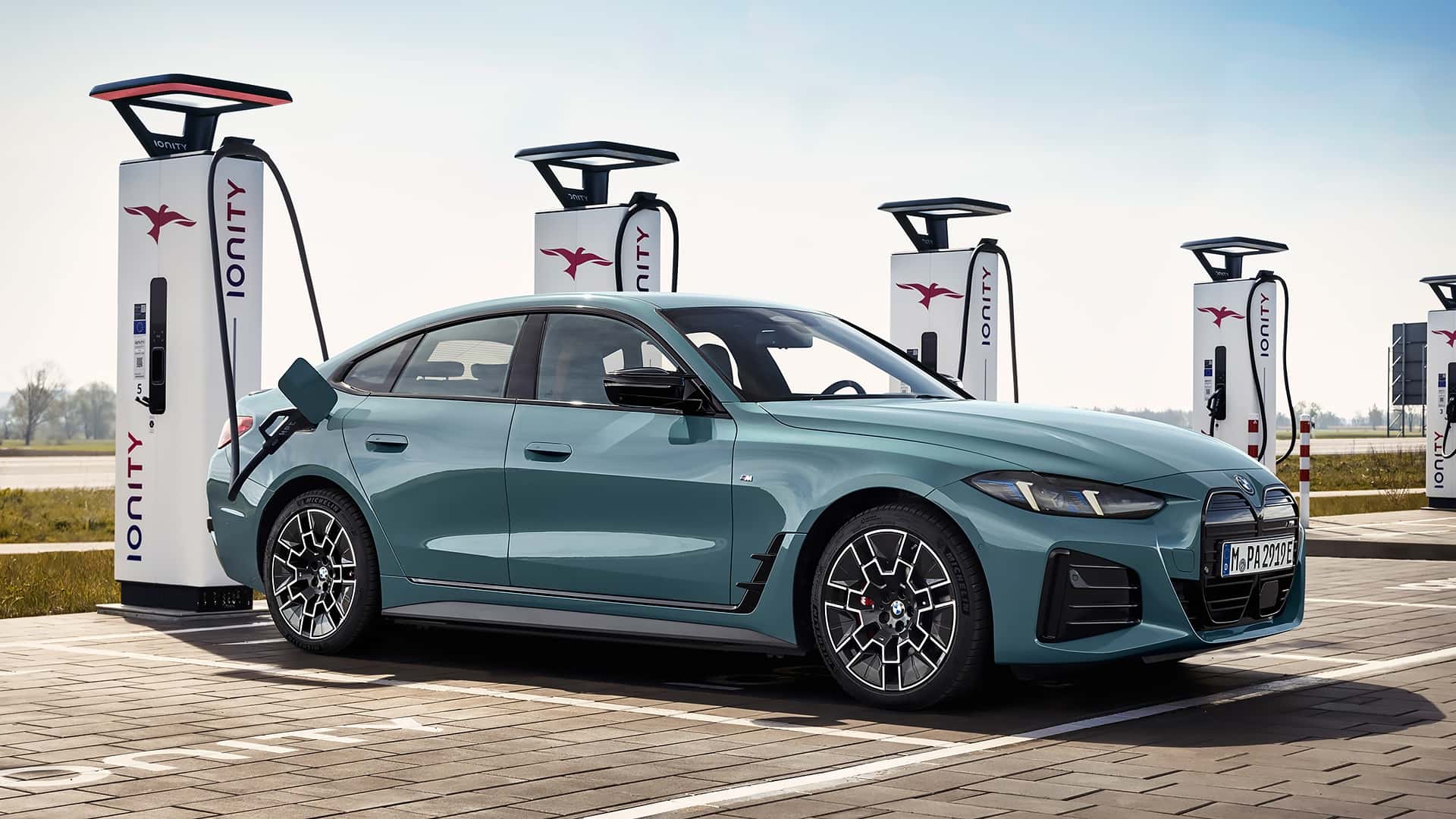
For instance, the i4 is a prime example of how aesthetics can enhance performance. With its streamlined silhouette, it not only captures attention but also optimizes airflow, contributing to a smoother ride. This intersection of beauty and engineering is becoming a hallmark of modern automotive design.
As we move towards a more sustainable future, the design process is evolving. Manufacturers are exploring new materials and technologies that allow for lighter, more efficient vehicles without sacrificing style. This shift is not just about aesthetics; it’s about creating cars that are better for the environment while still appealing to consumers.

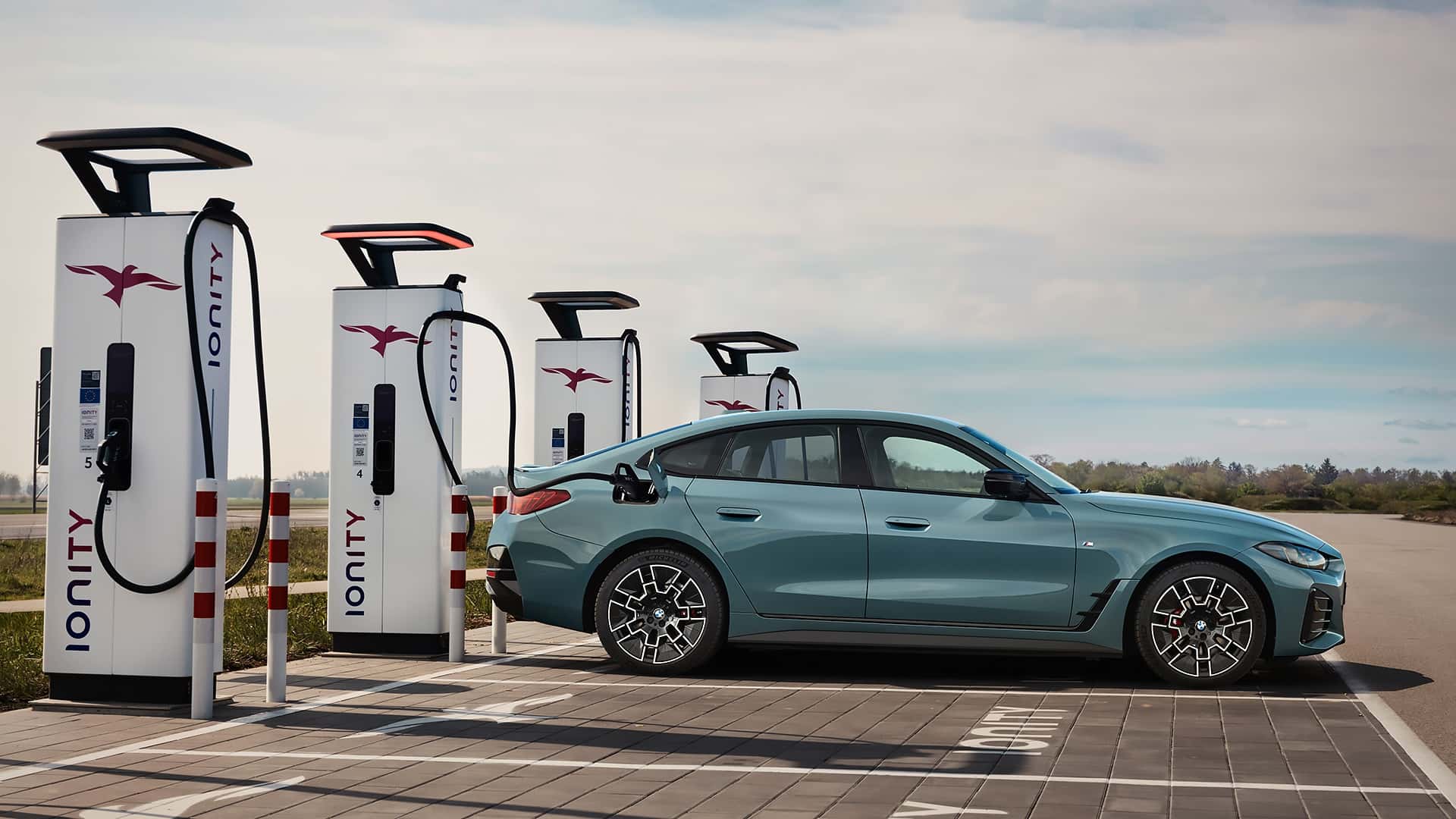
As the industry embraces electric vehicles, the design landscape is changing dramatically. The integration of charging ports and battery placements is becoming a key consideration in the design phase, ensuring that these vehicles remain practical while still looking great.
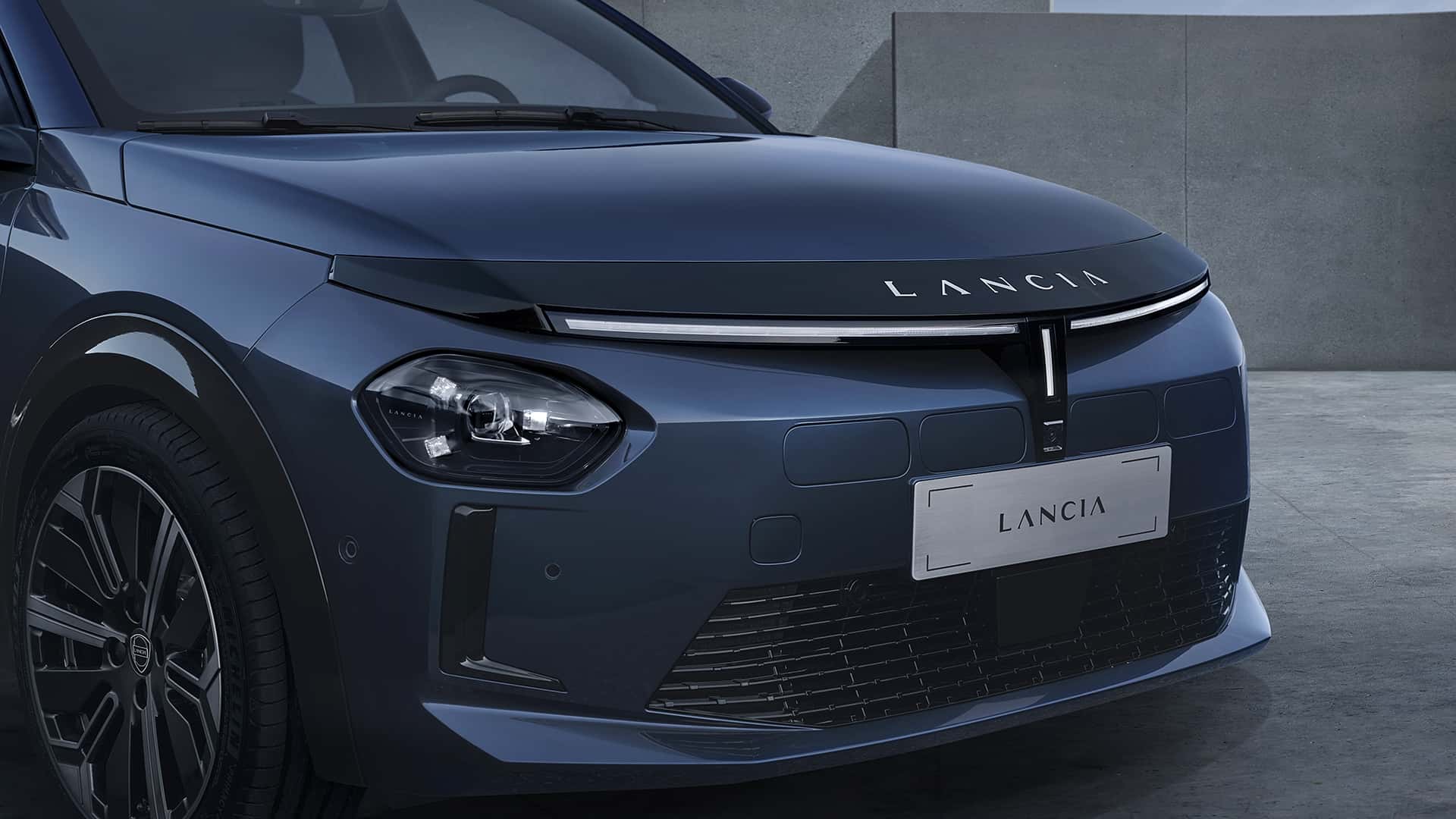
Designers are now faced with the challenge of creating vehicles that are not only visually appealing but also functional in a world that is rapidly shifting towards electric mobility. This requires a deep understanding of both design principles and the technical aspects of vehicle performance.
Design Meets Innovation: The Future of Automotive Aesthetics
The future of automotive design lies in the seamless integration of technology and aesthetics. As manufacturers continue to innovate, the focus will be on creating vehicles that are not only beautiful but also efficient and sustainable. This evolution will redefine what consumers expect from their vehicles.
As we look ahead, it’s clear that the automotive industry is on the brink of a design revolution. With advancements in technology and a growing emphasis on sustainability, the vehicles of tomorrow will be a testament to the power of design and engineering working in harmony.

The Q4 35 e-tron (2024) exemplifies how design can enhance the electric vehicle experience, showcasing a sleek exterior that complements its innovative technology.

The Model 3 continues to push the envelope in automotive design, merging performance with a modern aesthetic that appeals to a wide range of consumers.
Design Trends Shaping the Future of Automotive Aesthetics
Current design trends are heavily influenced by consumer preferences and technological advancements. As manufacturers strive to create vehicles that resonate with buyers, they must also consider how design impacts performance and efficiency. This dual focus is essential for success in a competitive market.
As we move forward, the automotive industry will continue to evolve, with design playing a pivotal role in shaping the future of mobility. Manufacturers that embrace this change will be well-positioned to meet the demands of a new generation of drivers.
In conclusion, the intersection of design and technology is more critical than ever in the automotive industry. As consumers become more discerning, the need for vehicles that are both aesthetically pleasing and high-performing will drive innovation and creativity in automotive design.
- Design trends will continue to evolve, focusing on sustainability and efficiency.
- Manufacturers must adapt to changing consumer preferences to remain competitive.
- The integration of technology into design will redefine the automotive landscape.
- Future vehicles will prioritize both aesthetics and performance.
- Innovation will be key in meeting the demands of a new generation of drivers.
As the automotive industry embraces these changes, the vehicles of tomorrow will reflect a harmonious blend of design and technology, setting new standards for what consumers can expect.