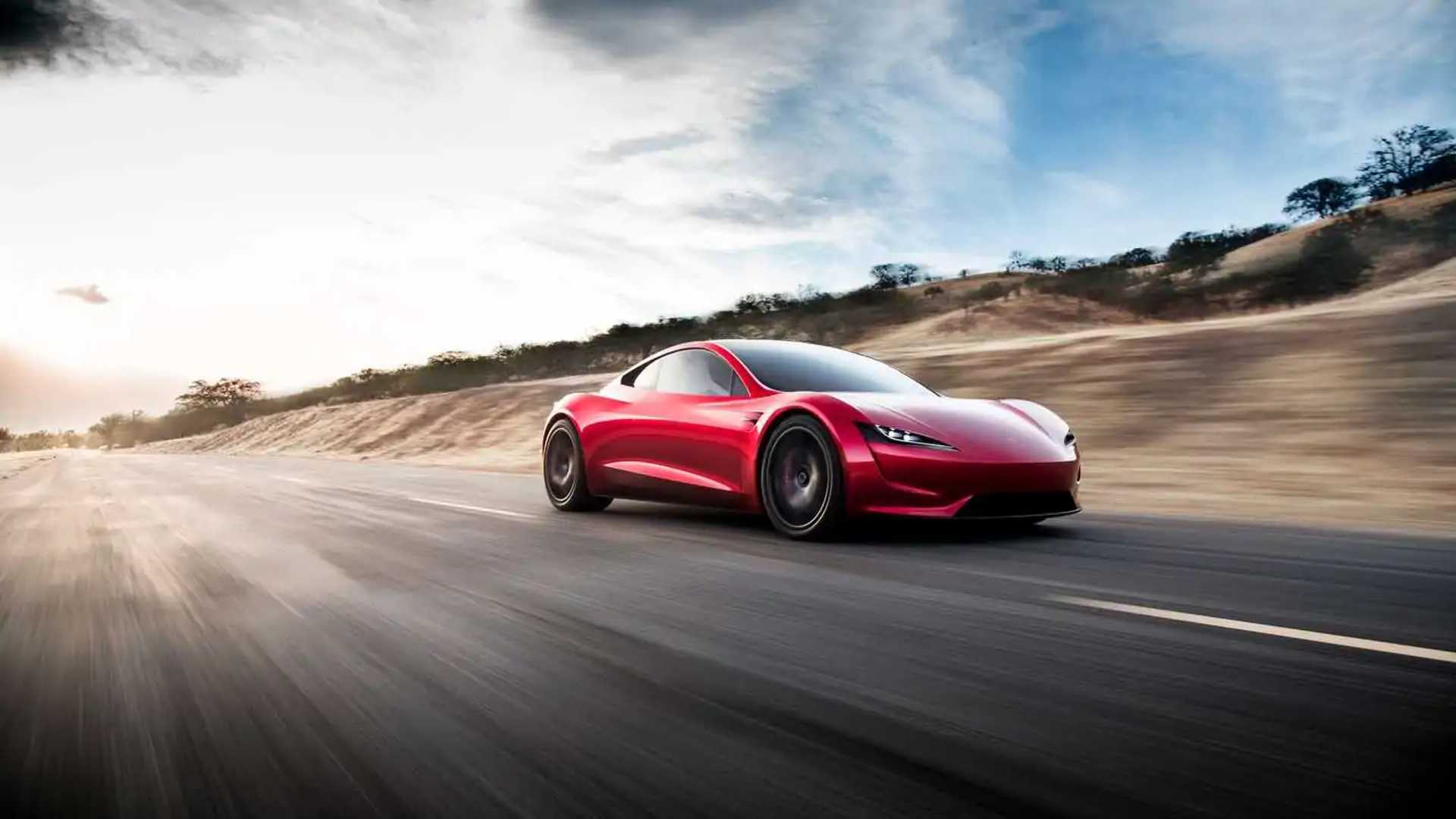
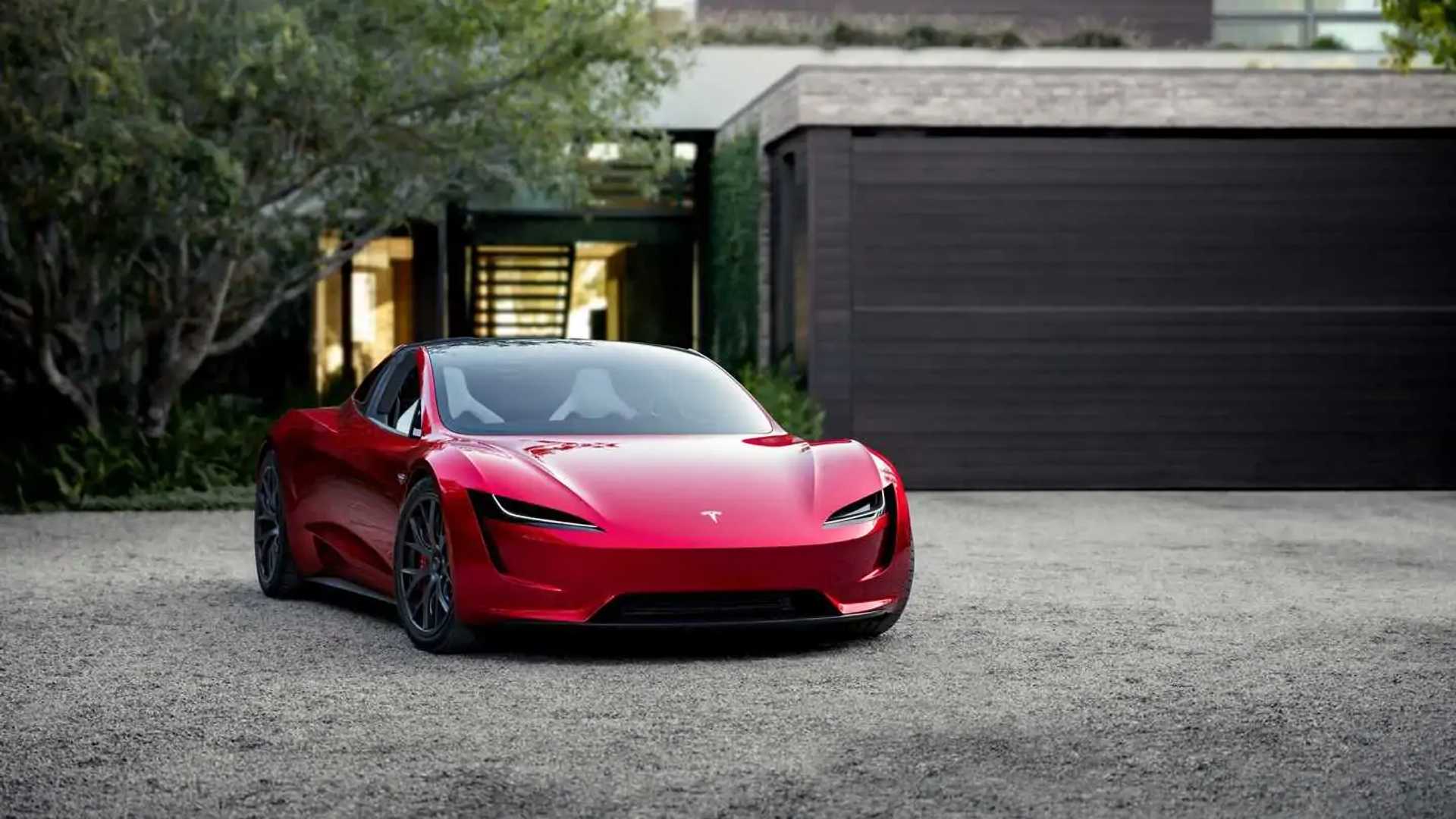
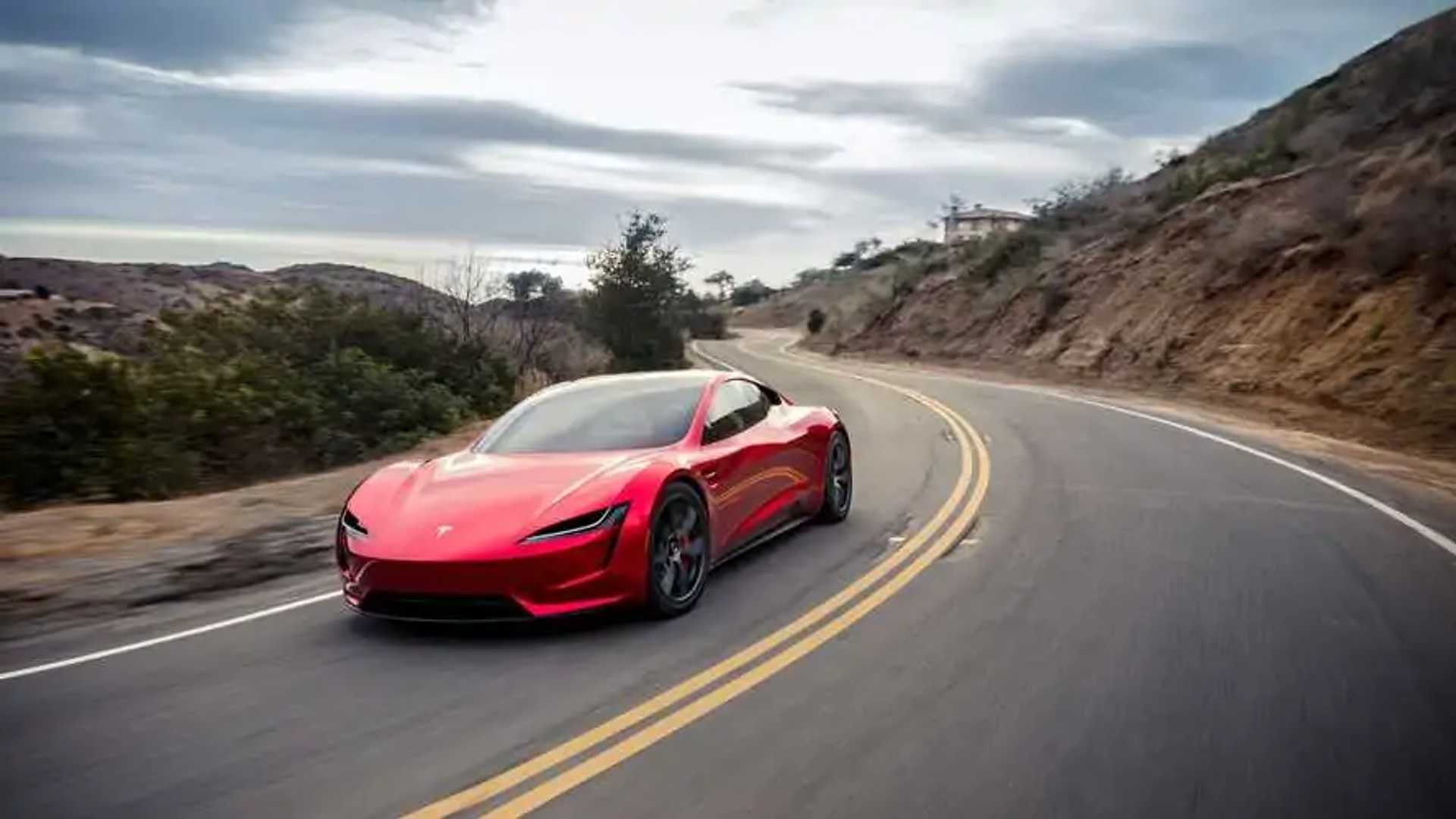
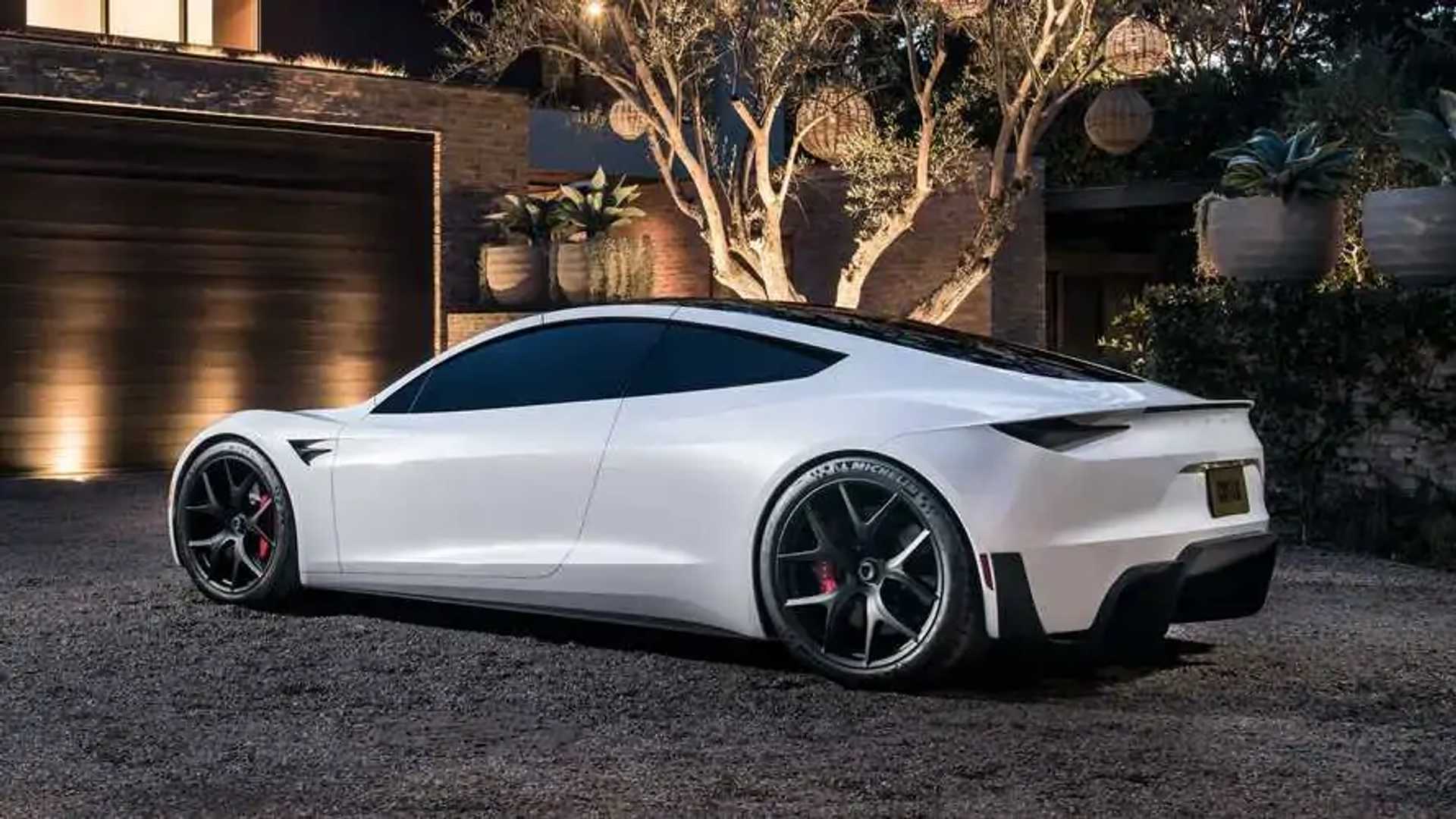
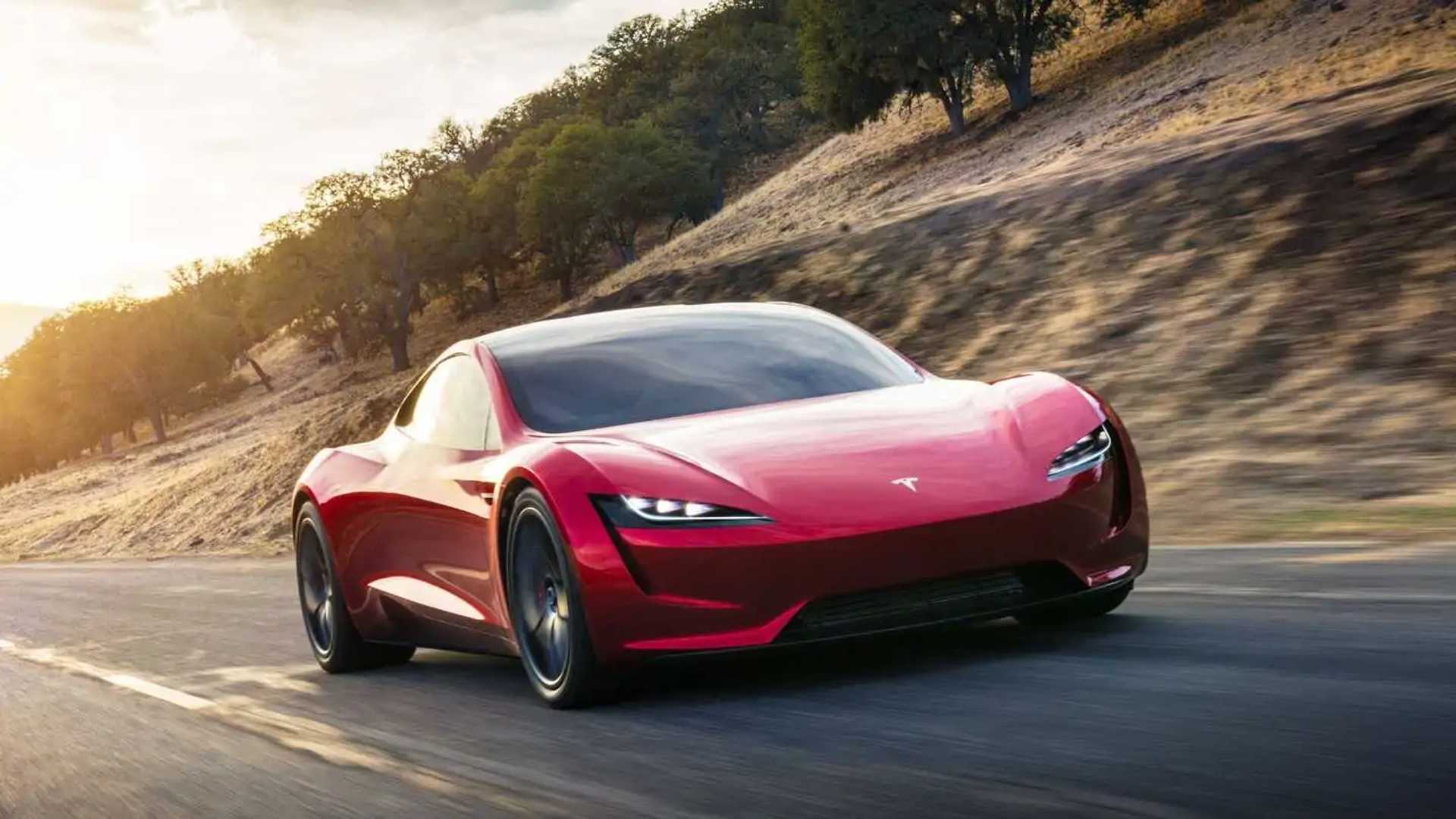
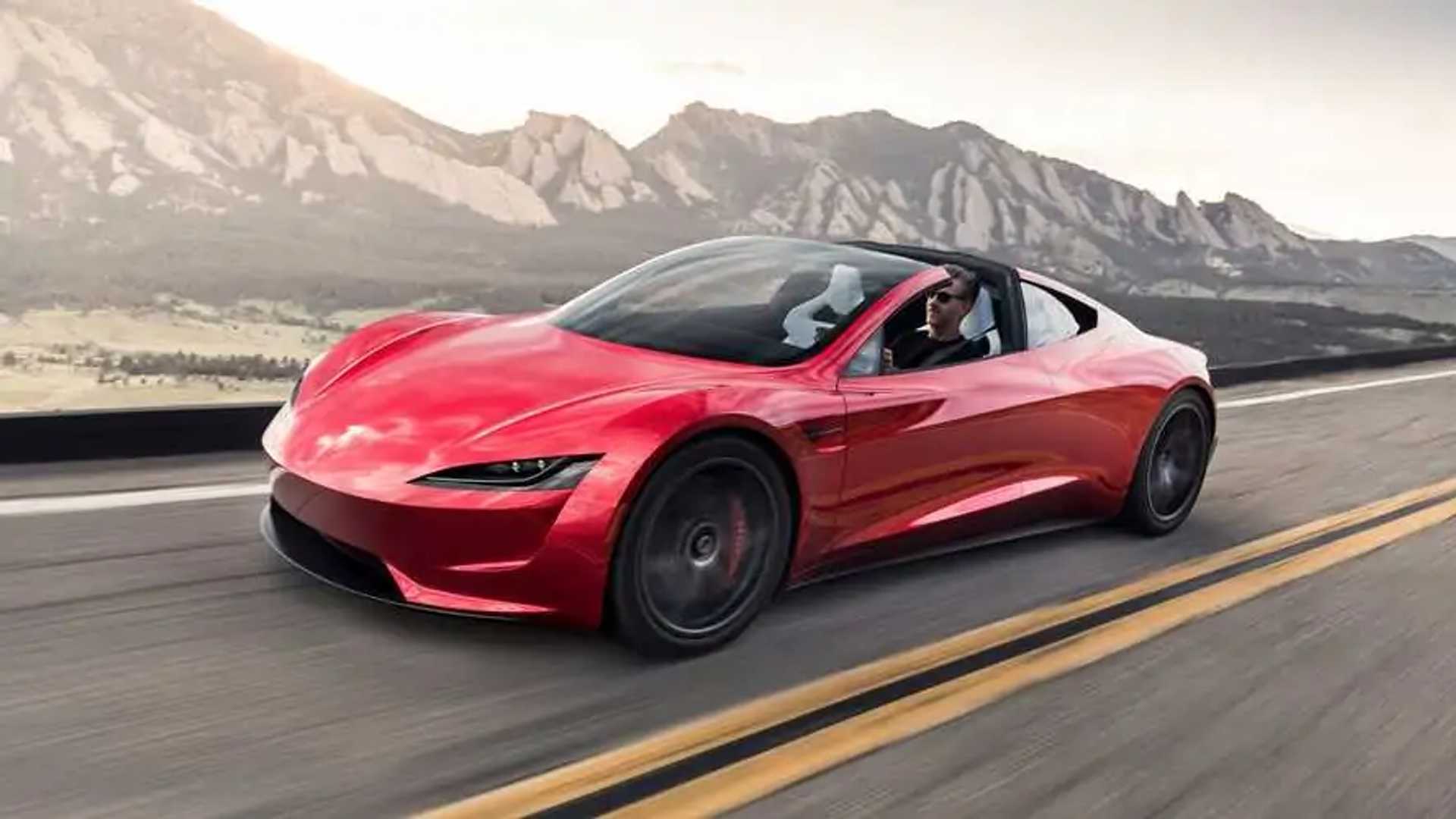
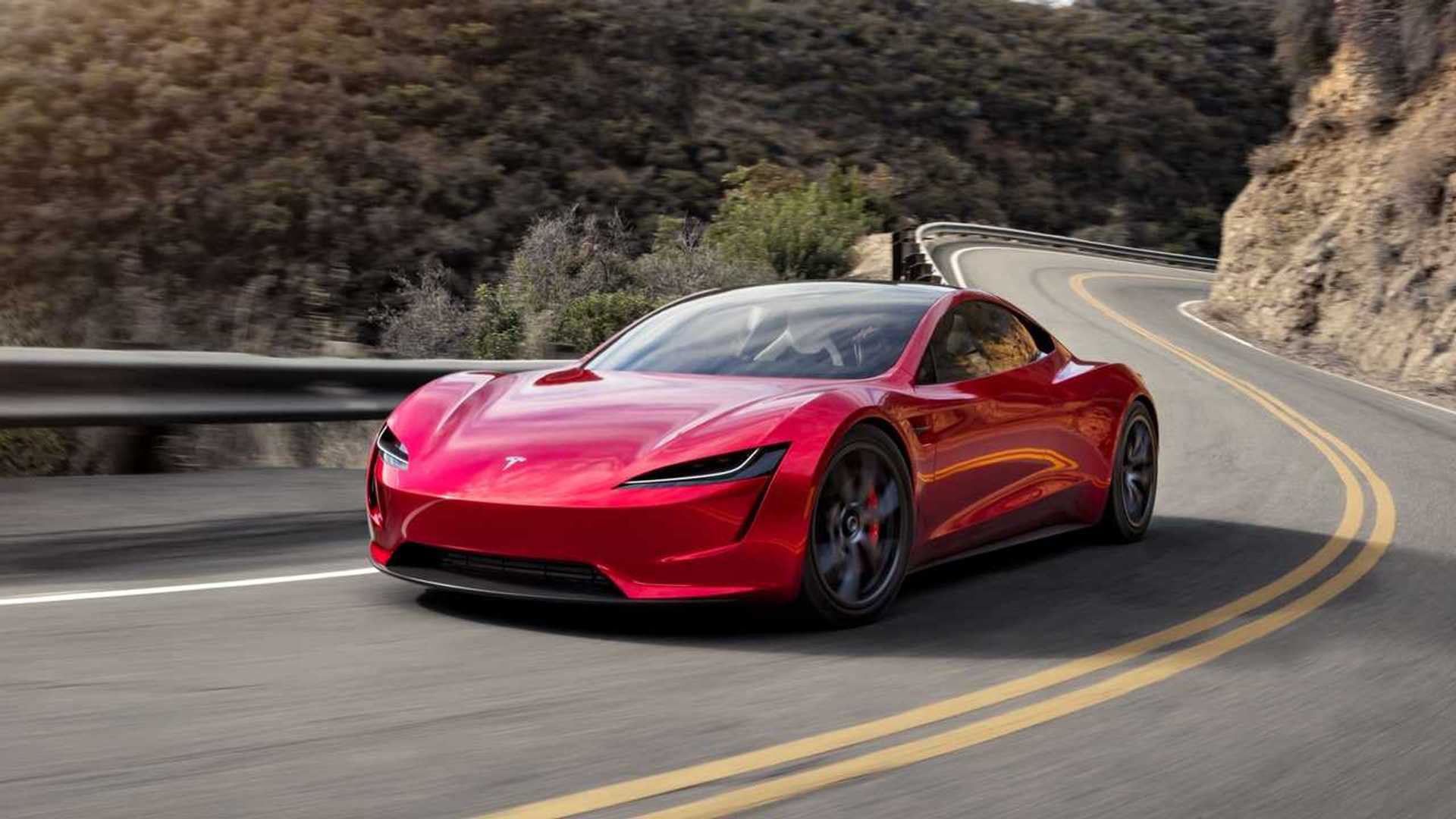
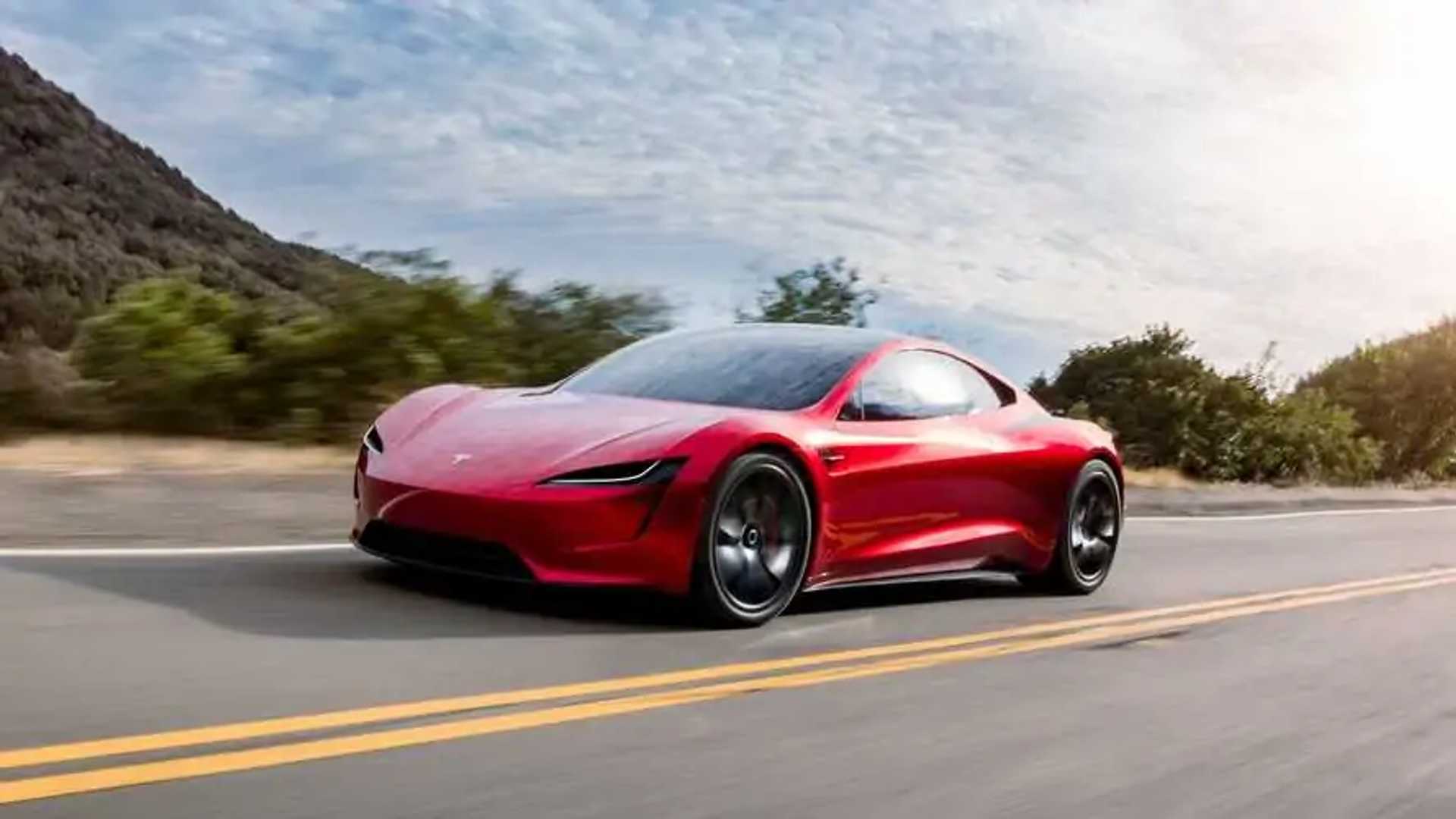
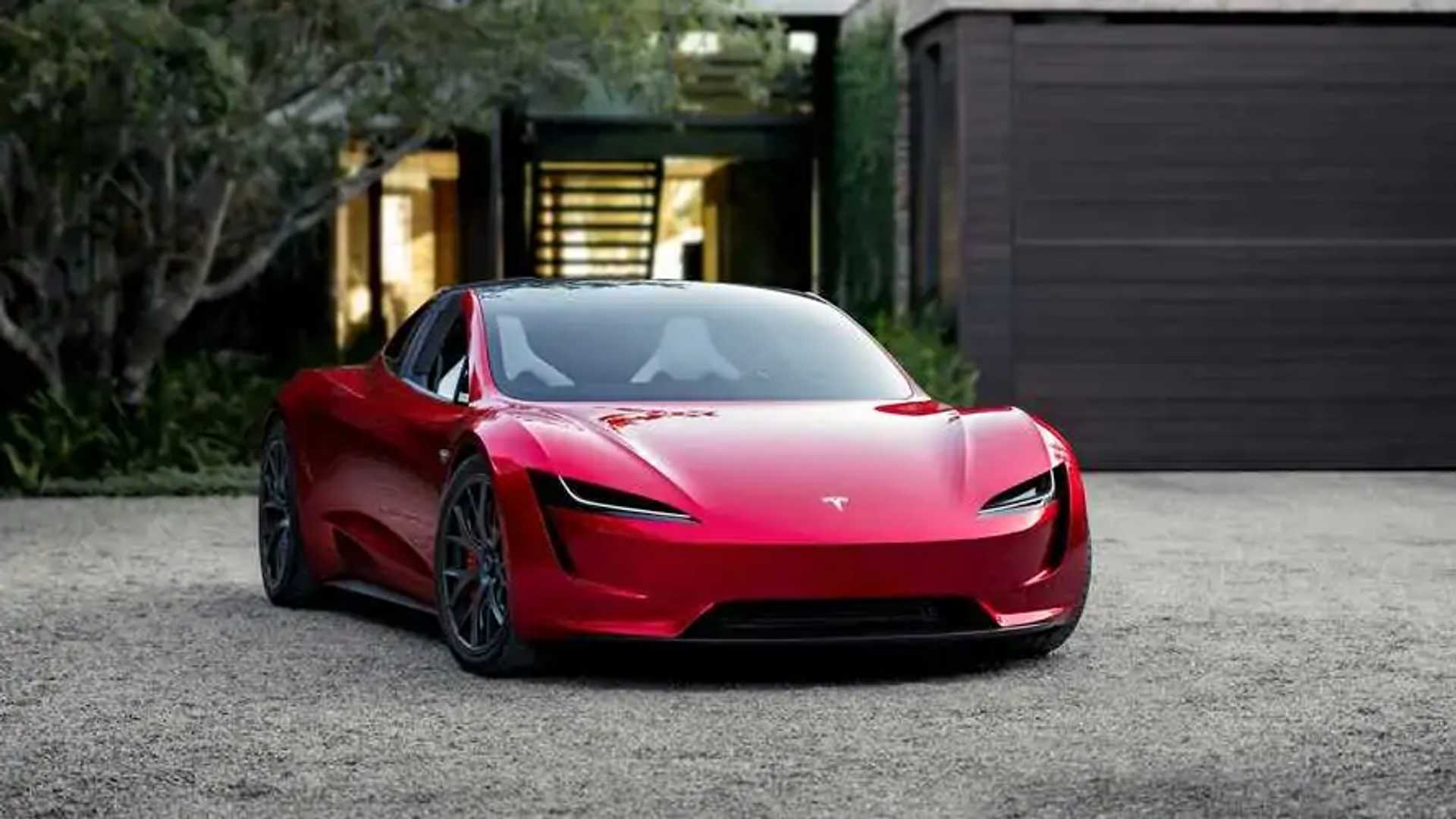
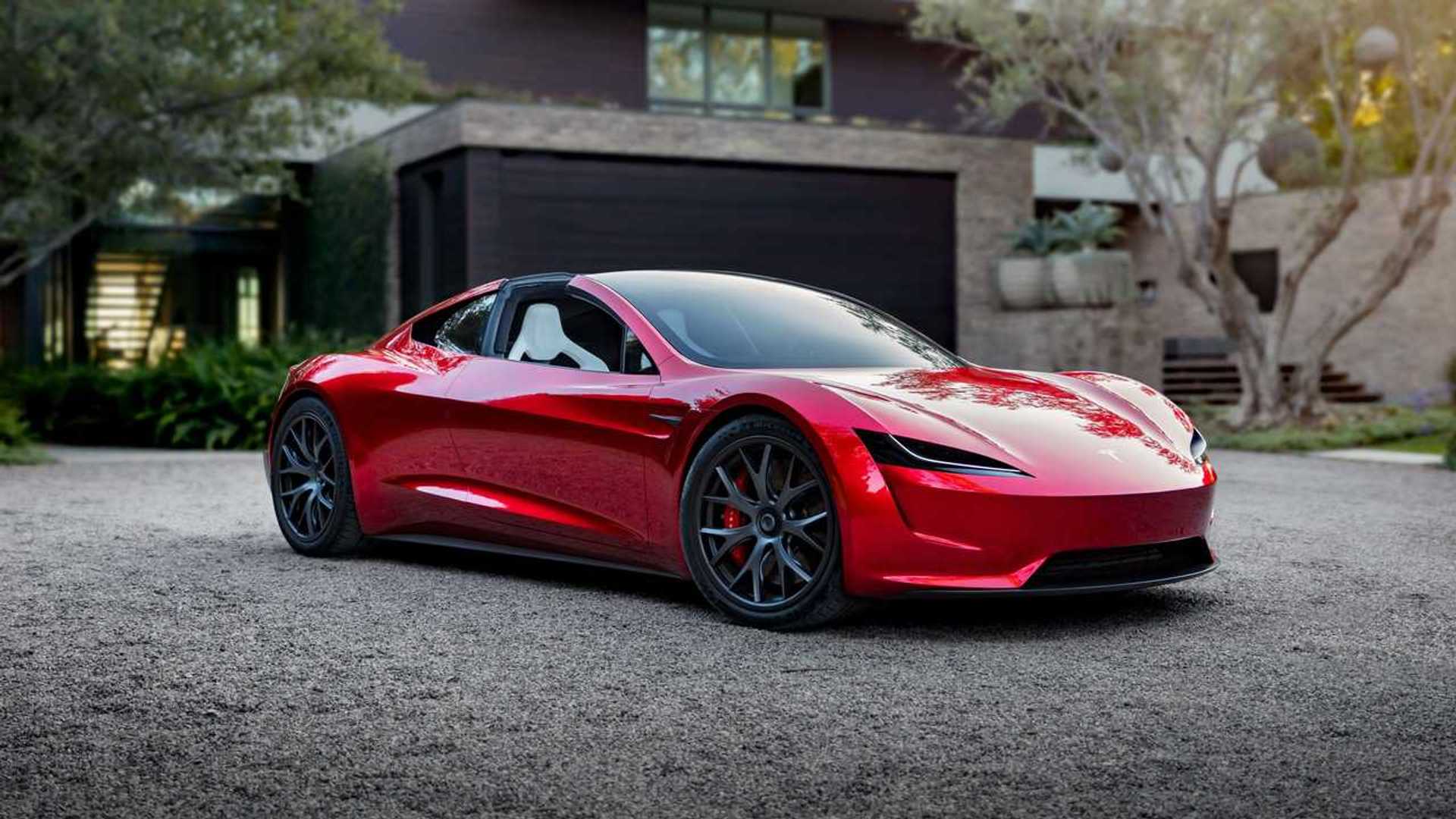
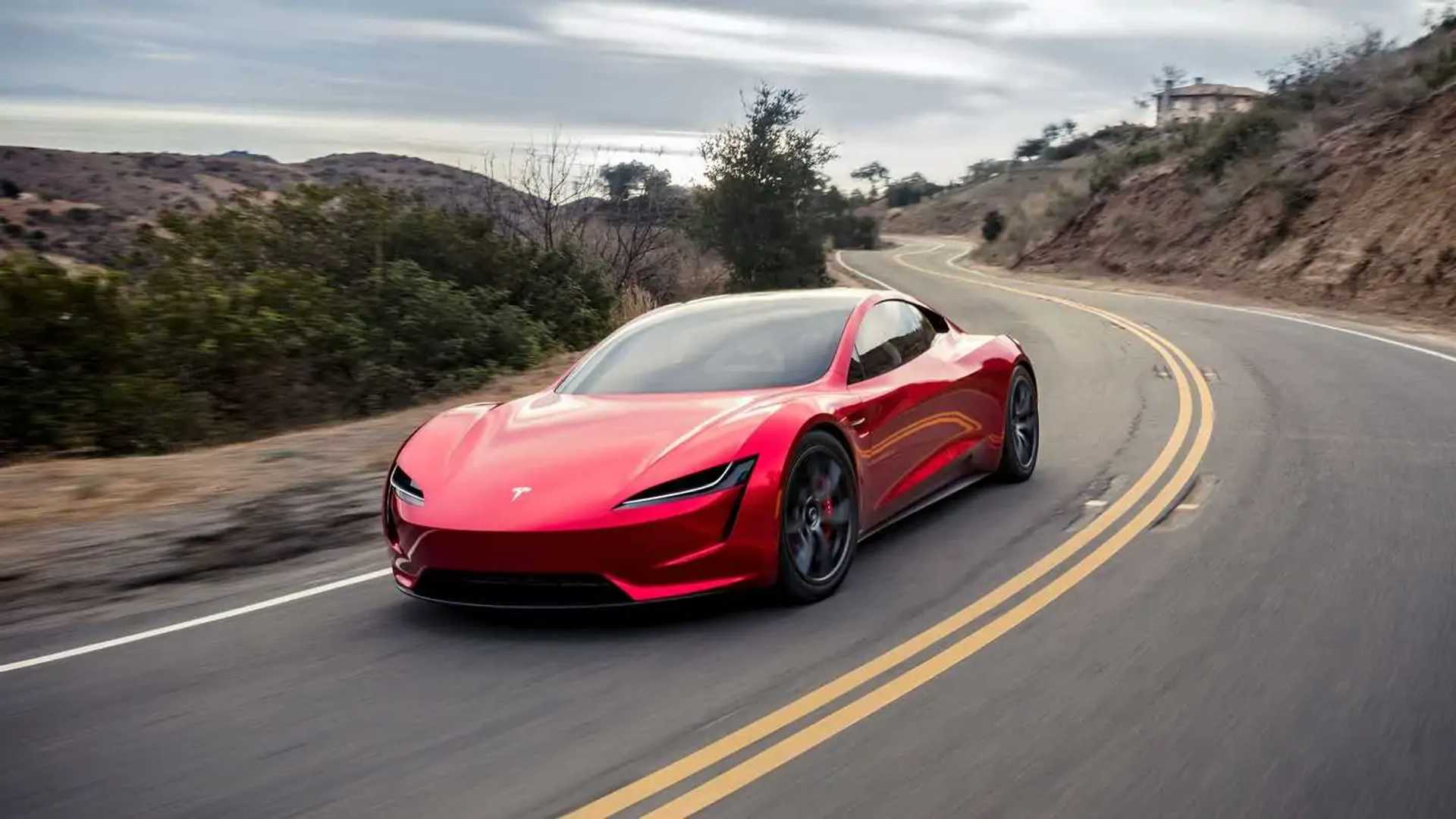
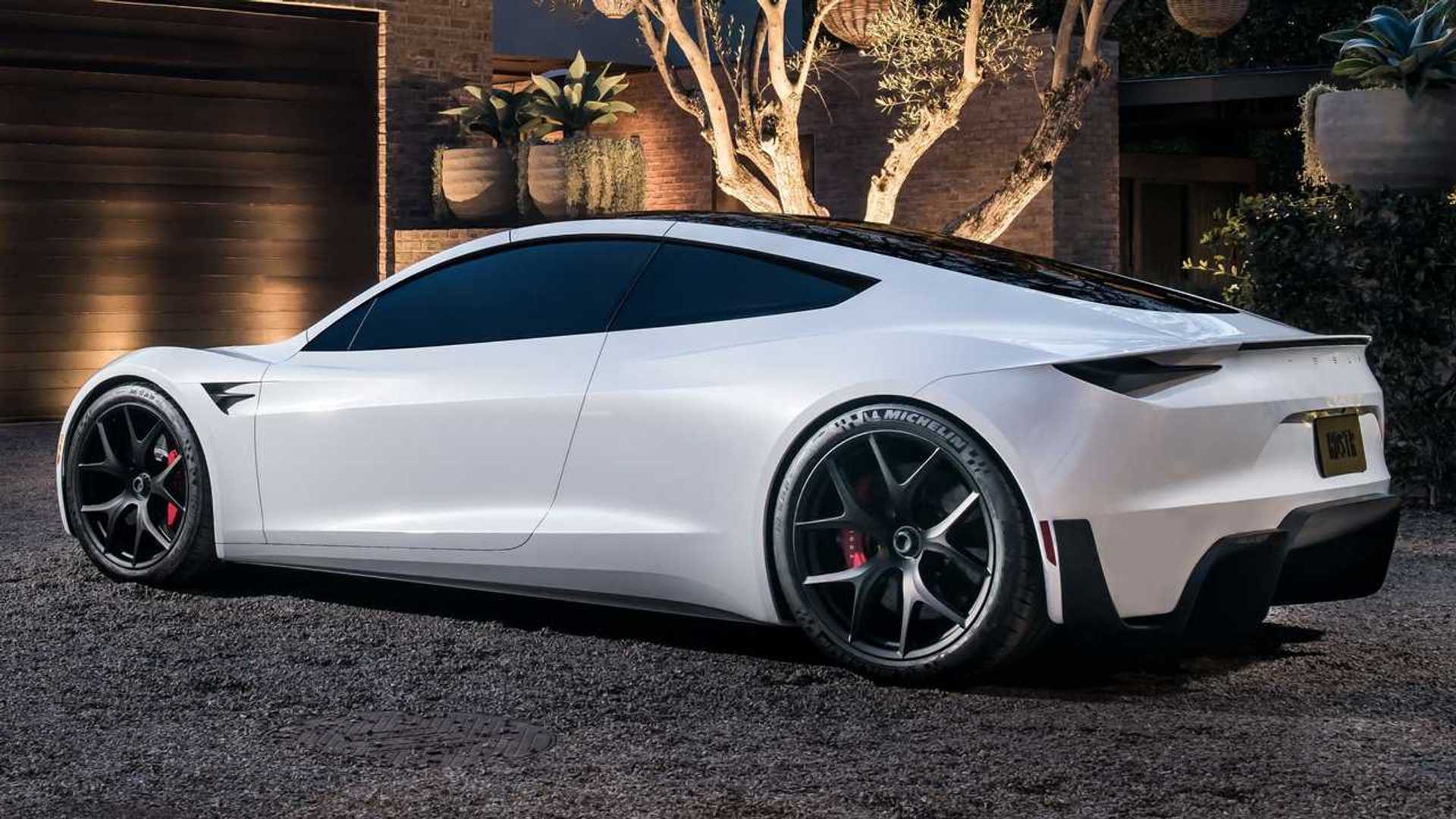
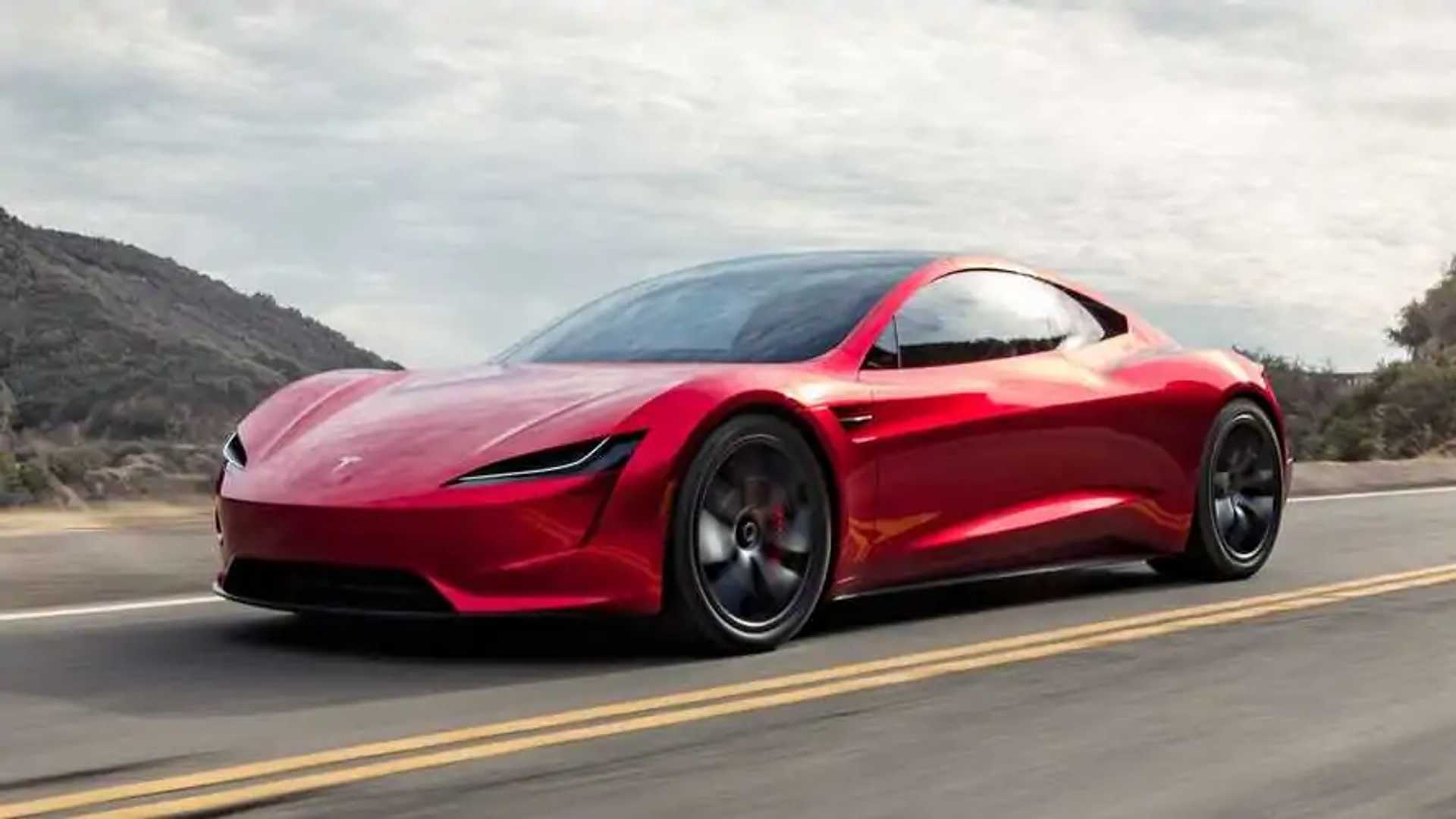
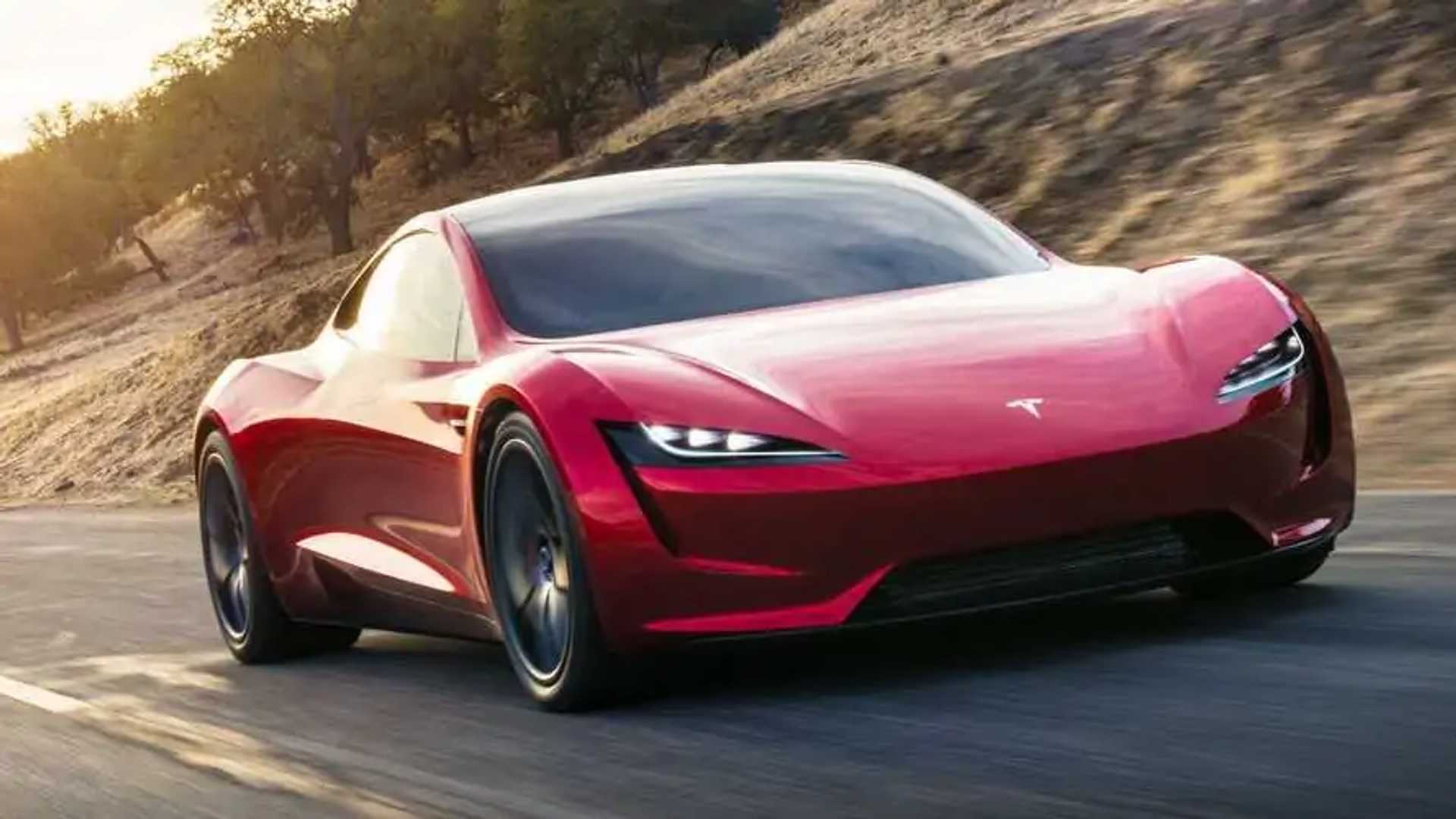
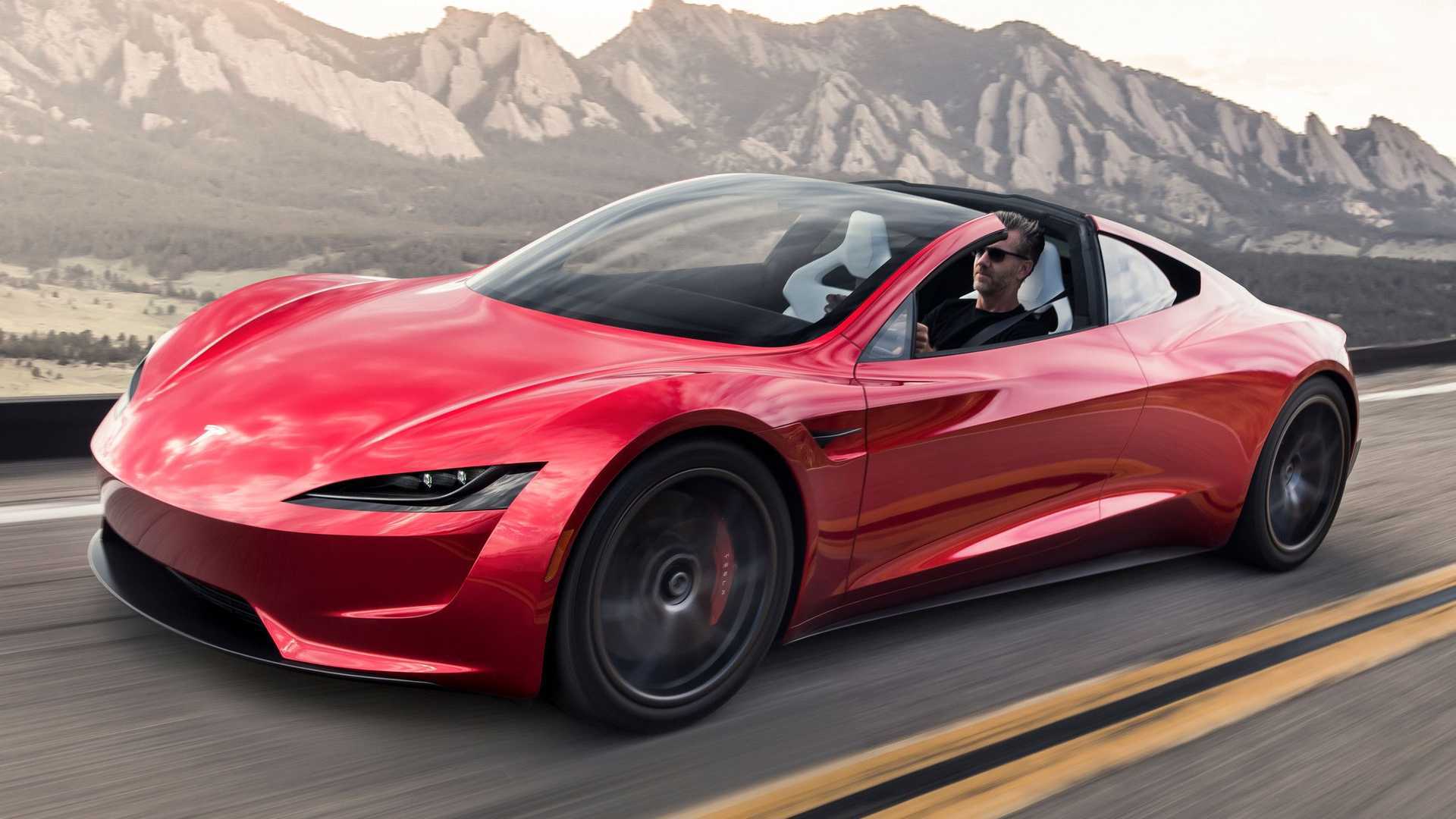
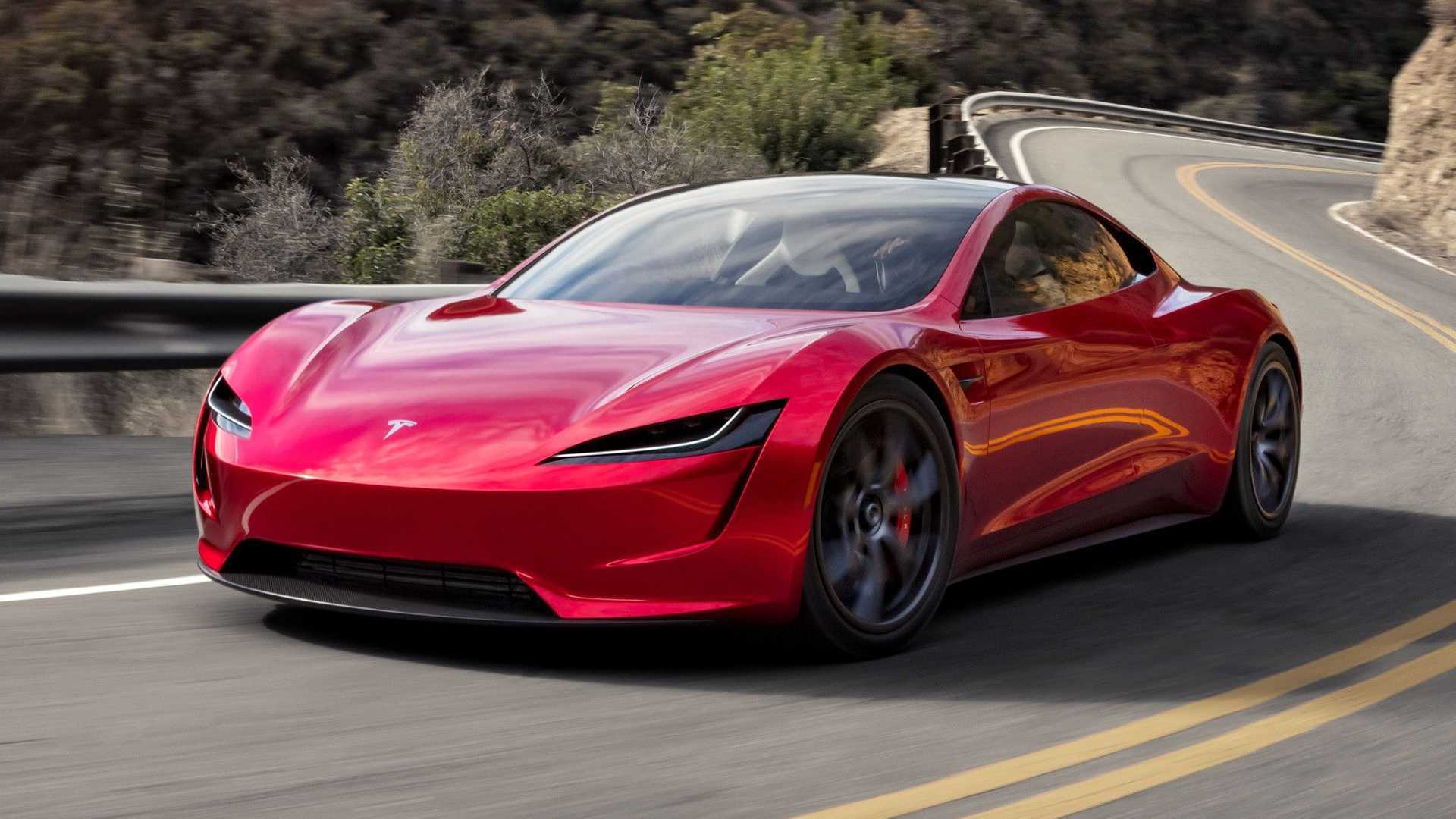
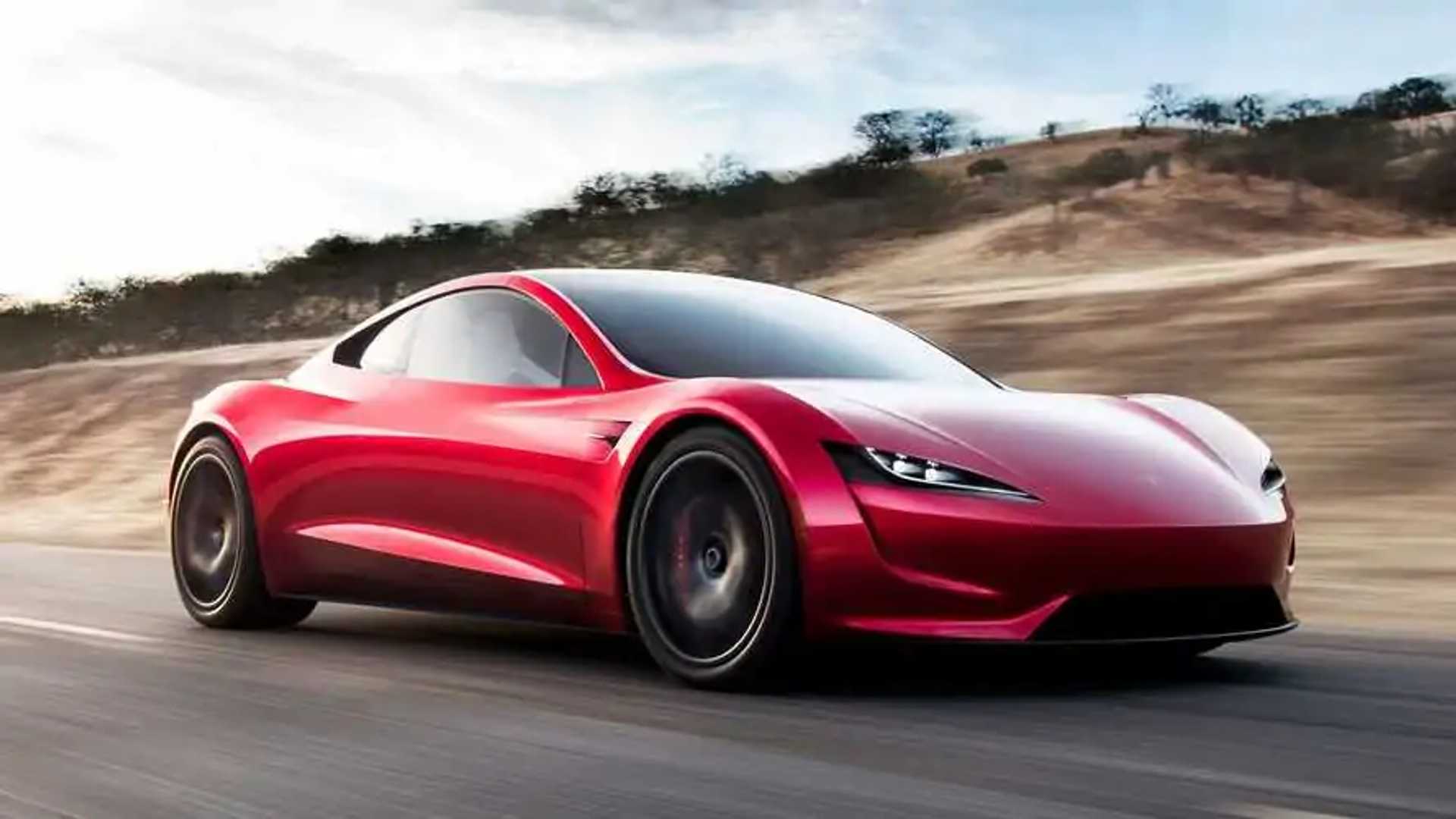
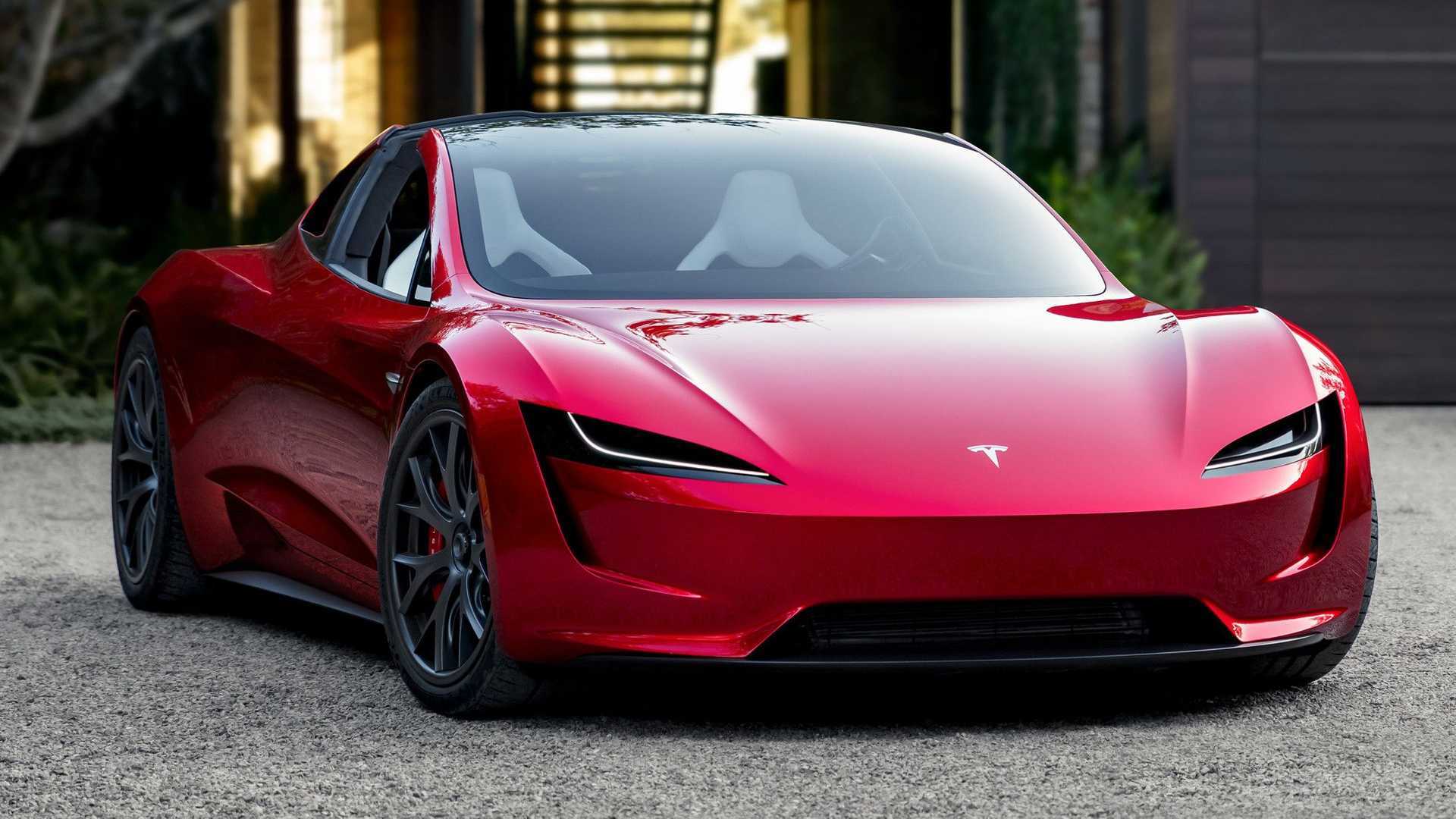
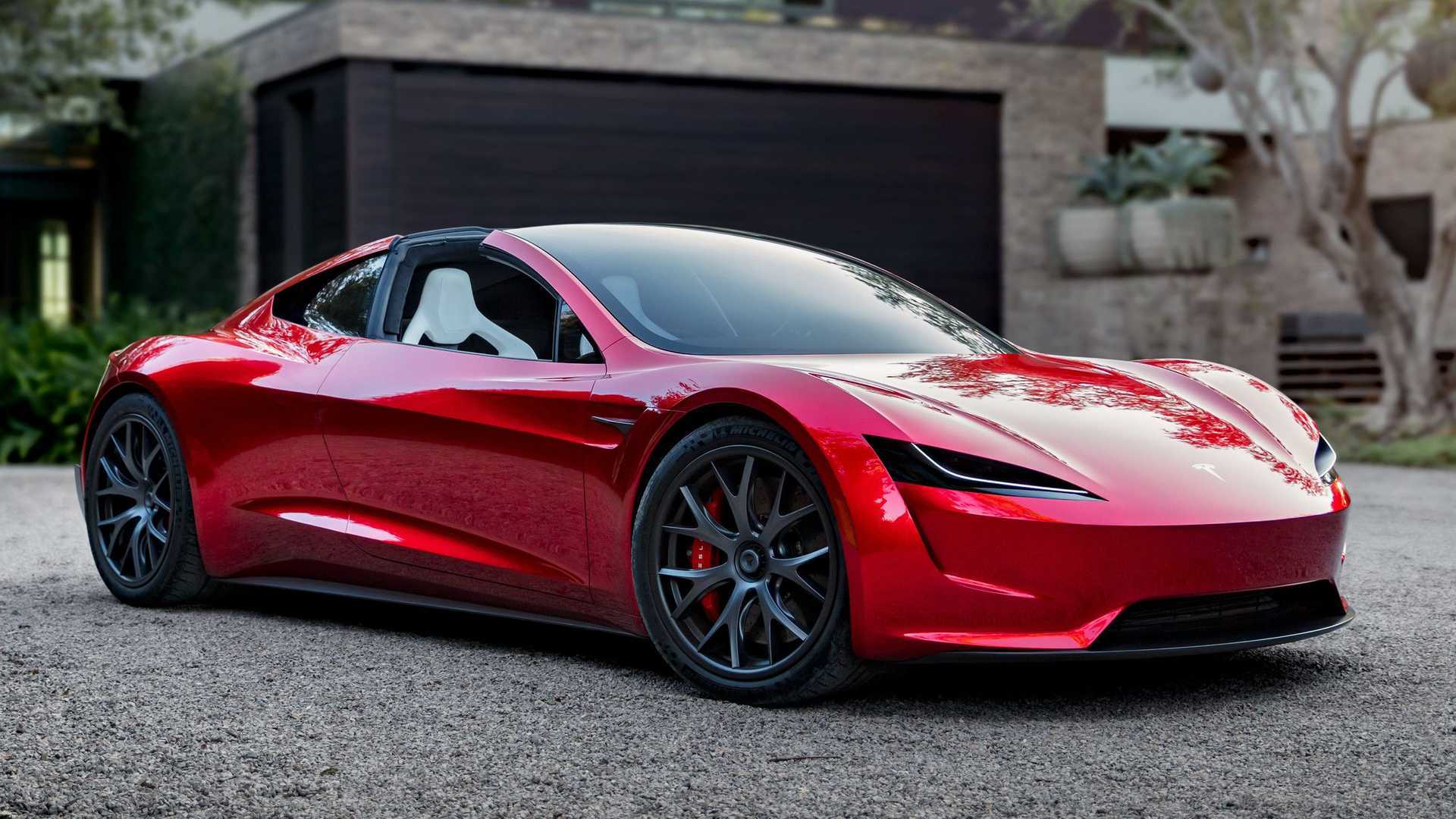
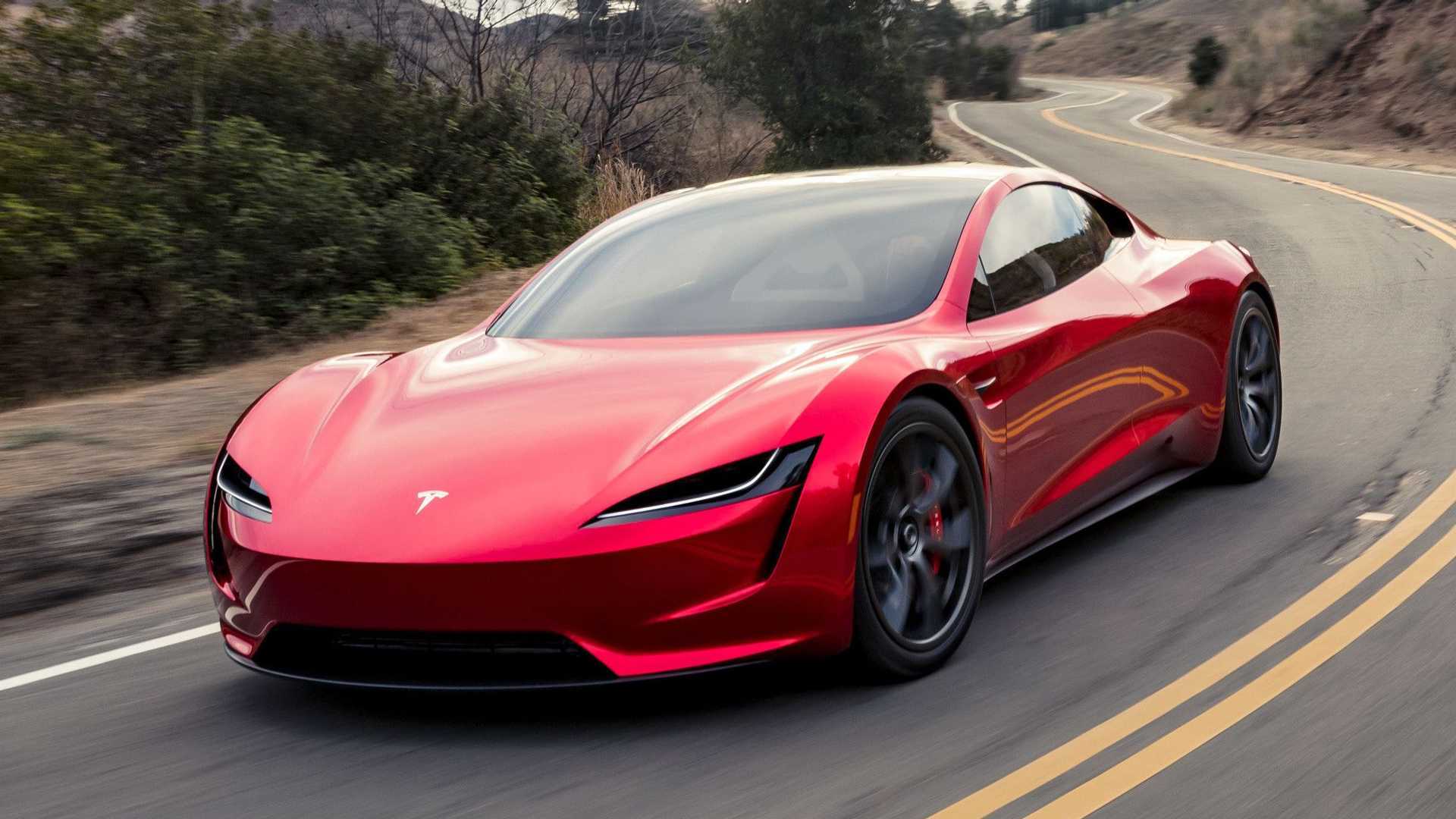
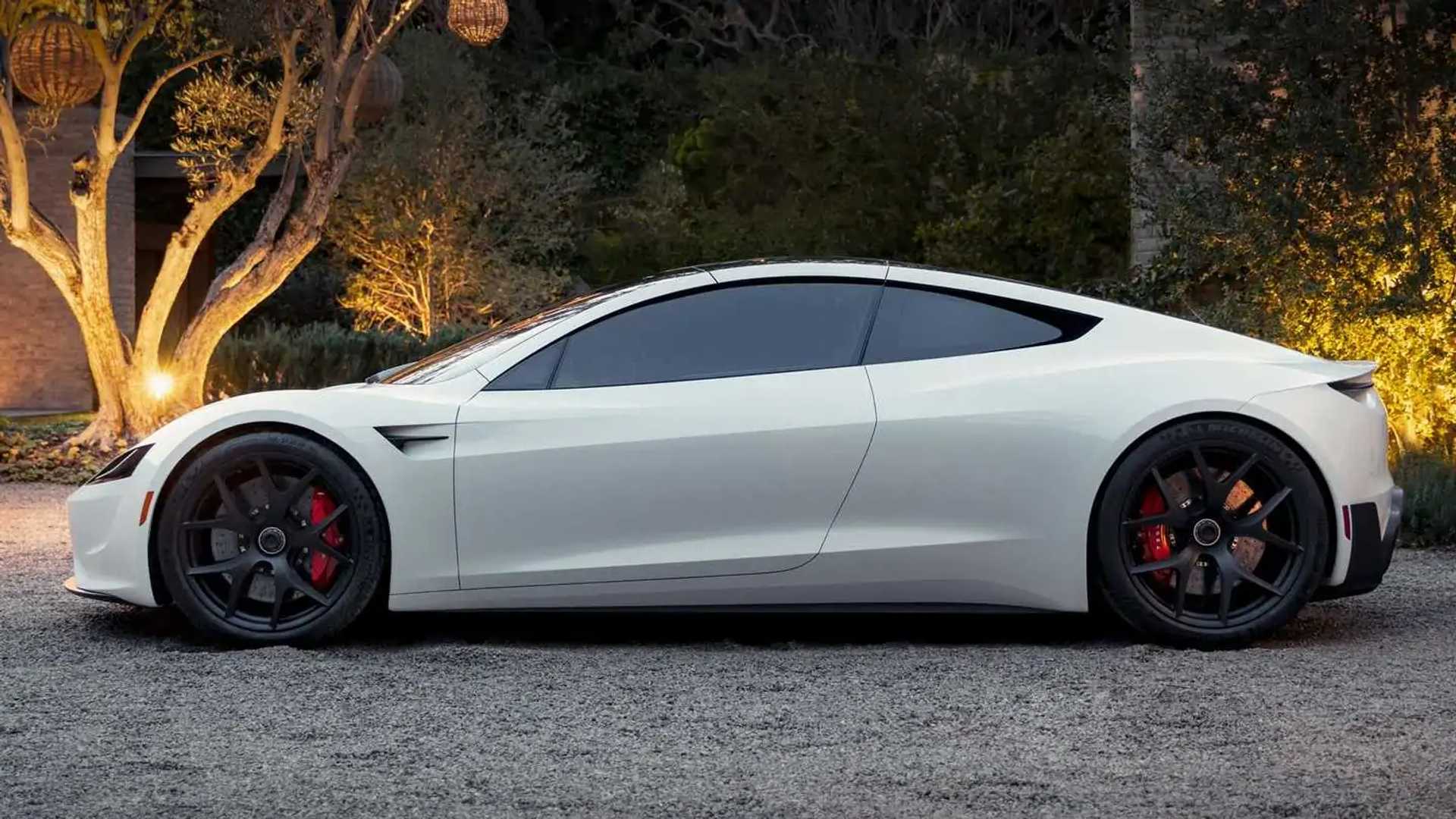
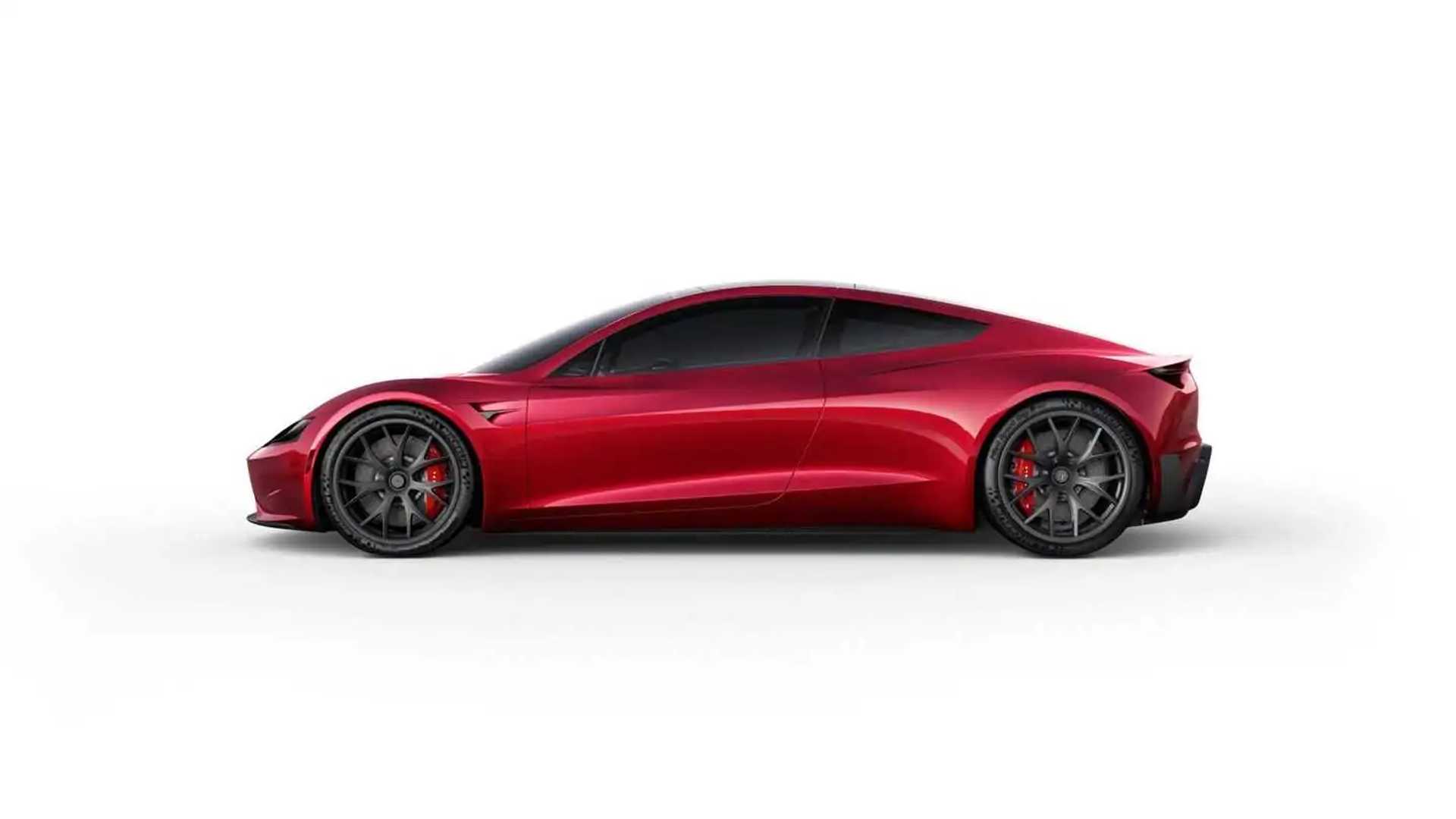
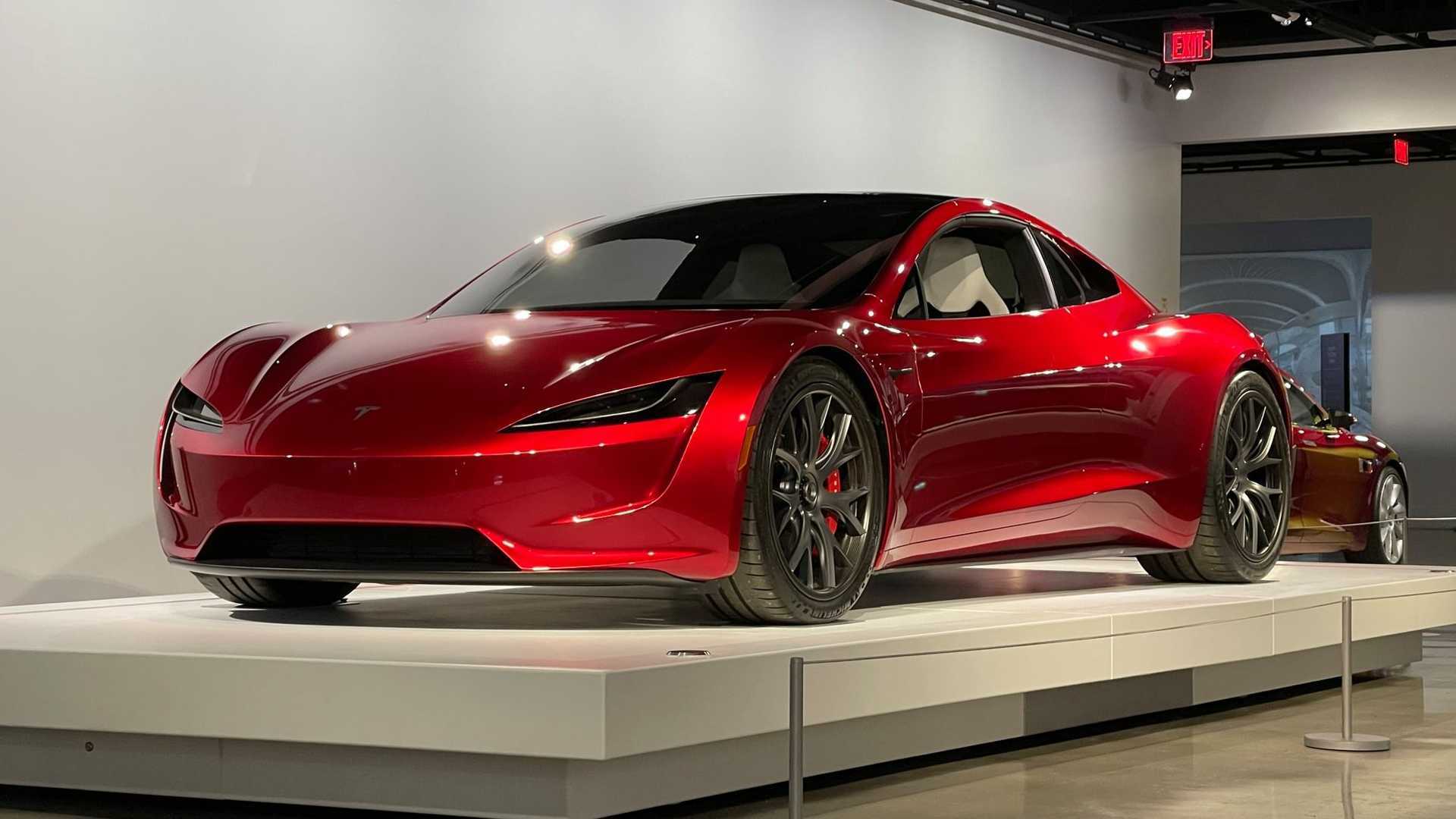
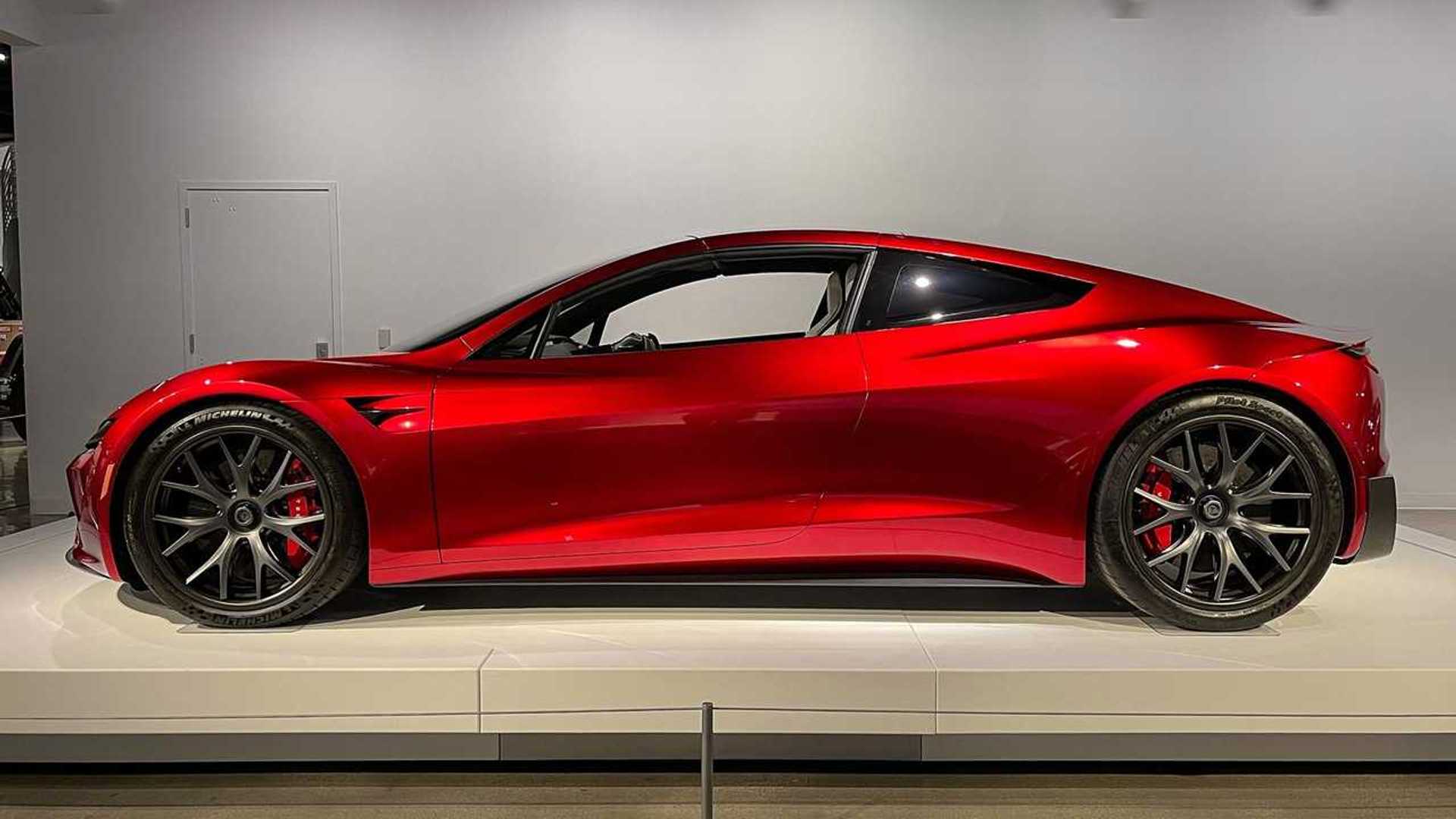
With anticipation building for the release of the Tesla Roadster 2.0, a recently filed patent sheds light on upcoming innovations, particularly in the realm of seating. This technical shift could significantly impact user experience and the brand’s production strategy.
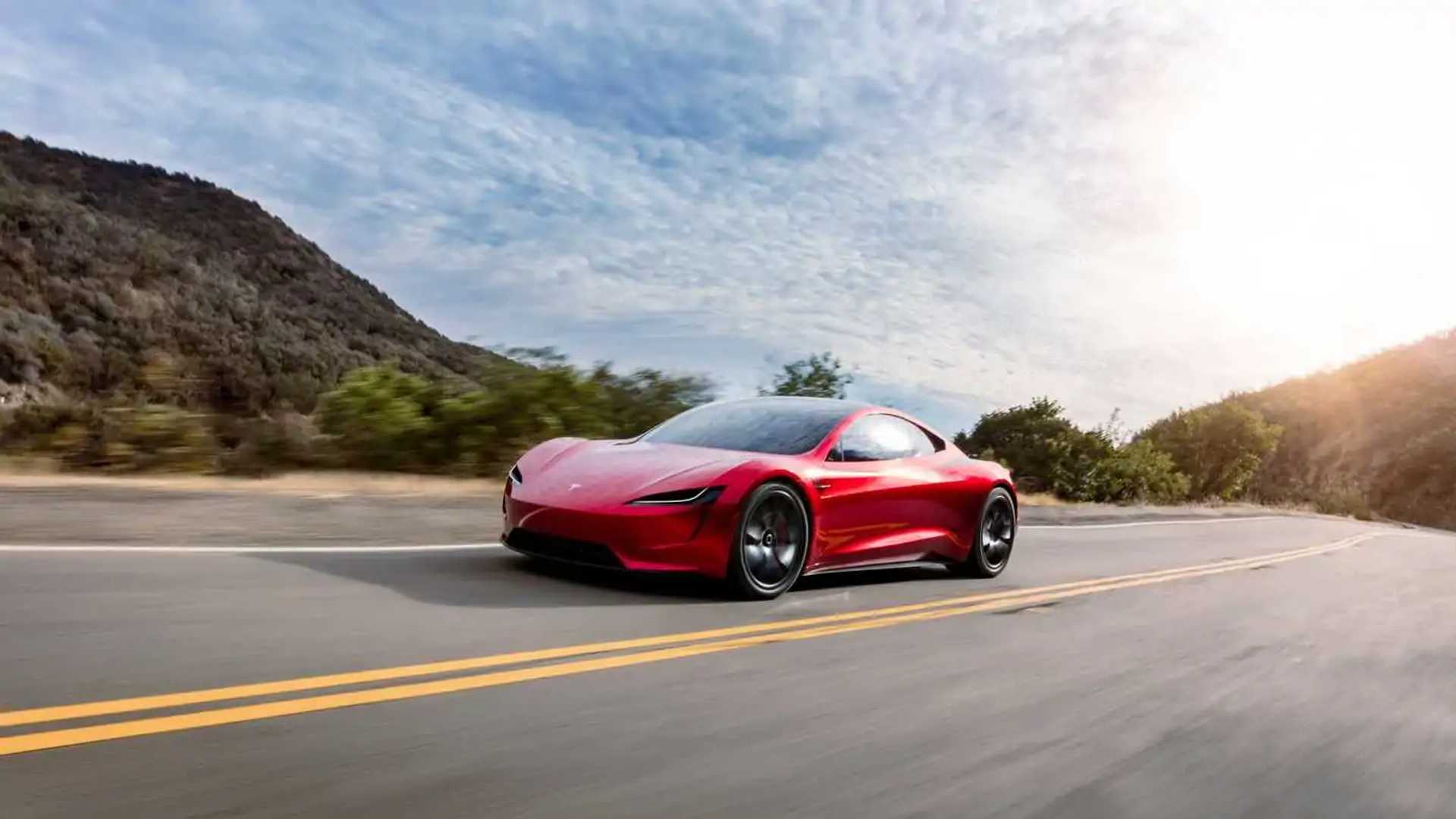
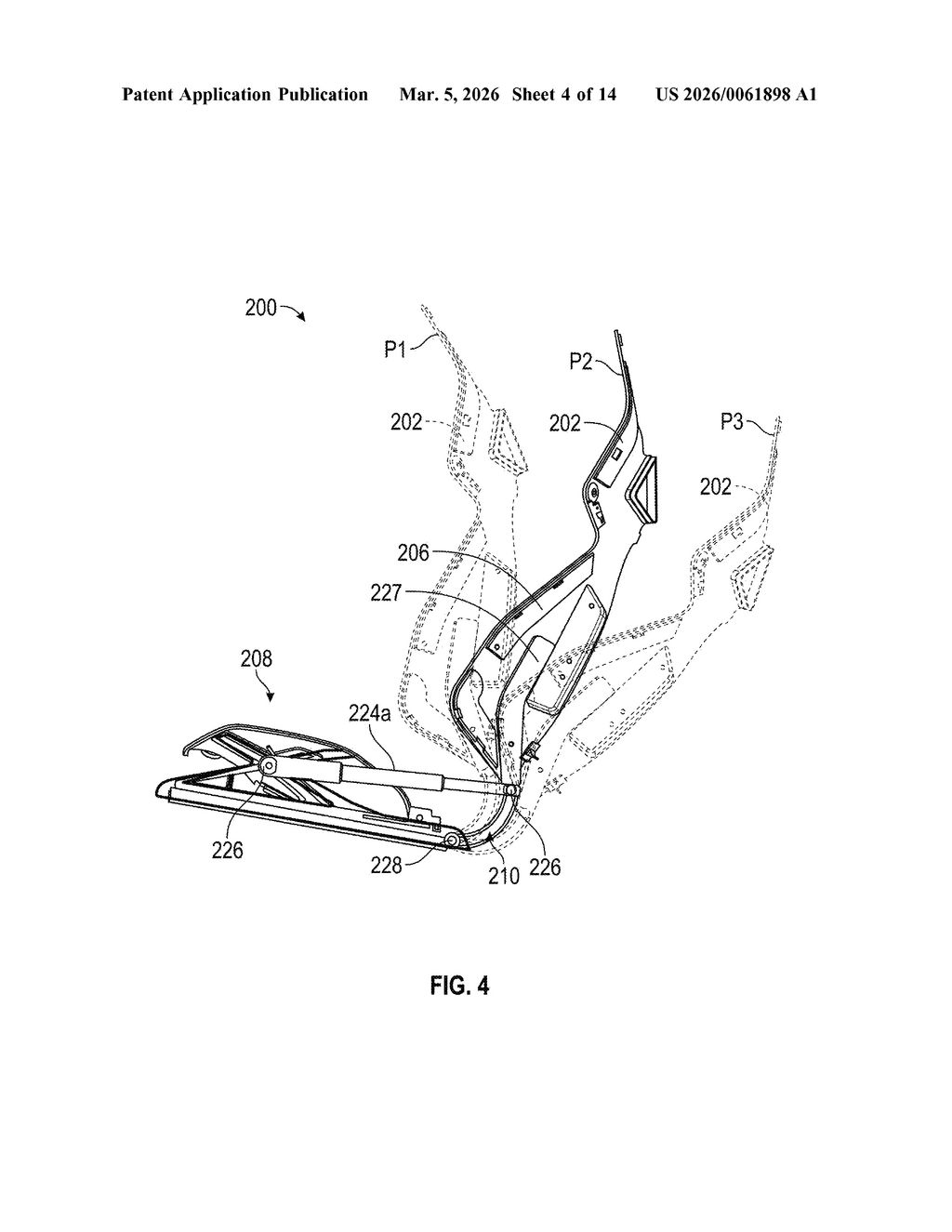
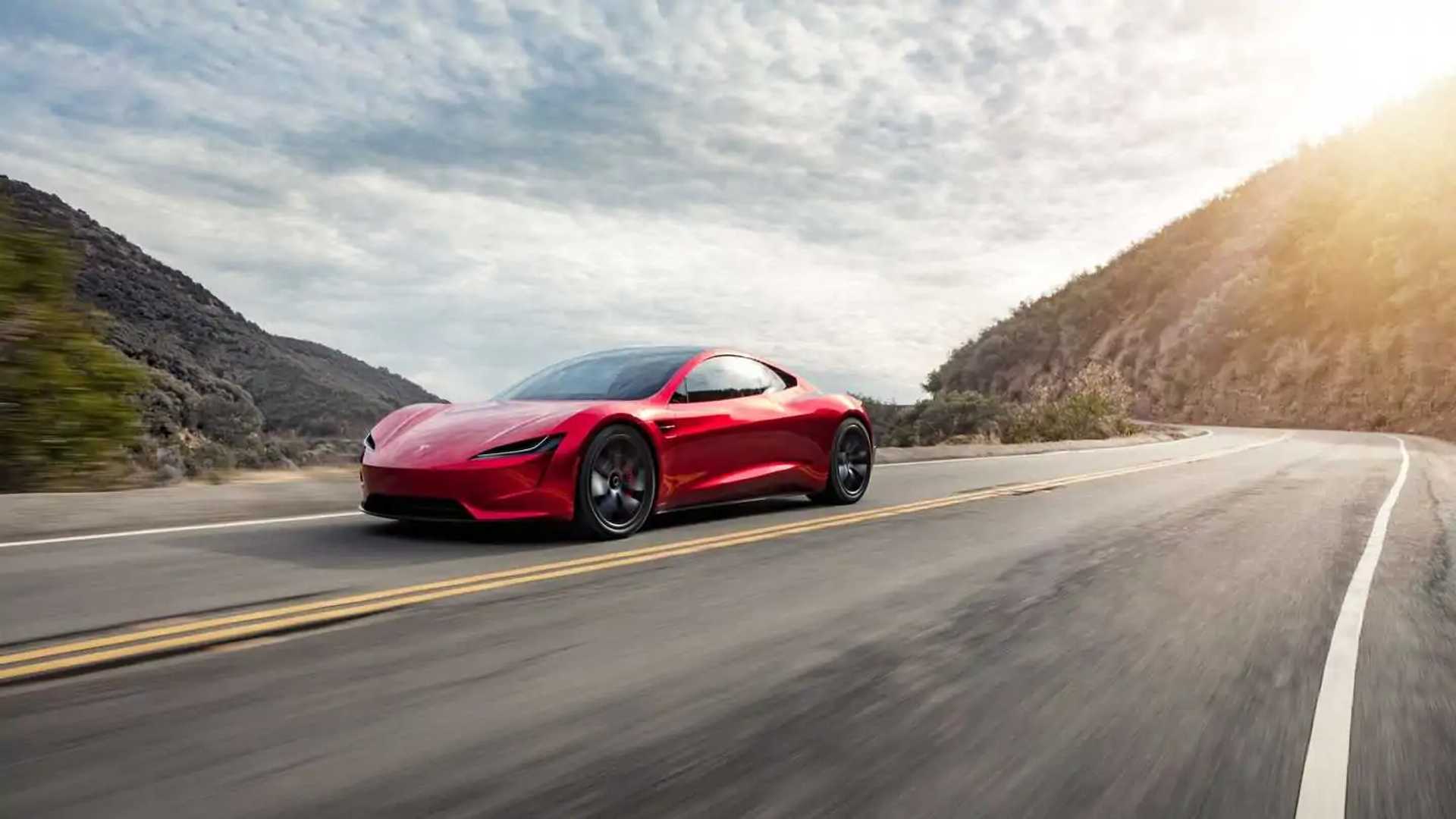
After years of delays and repeated postponements, the new Roadster continues to generate interest. While performance and exterior design often dominate discussions, a patent has emerged regarding the seating system, promising to revolutionise the interior of this electric hypercar.
Monobloc Seats for Enhanced Efficiency
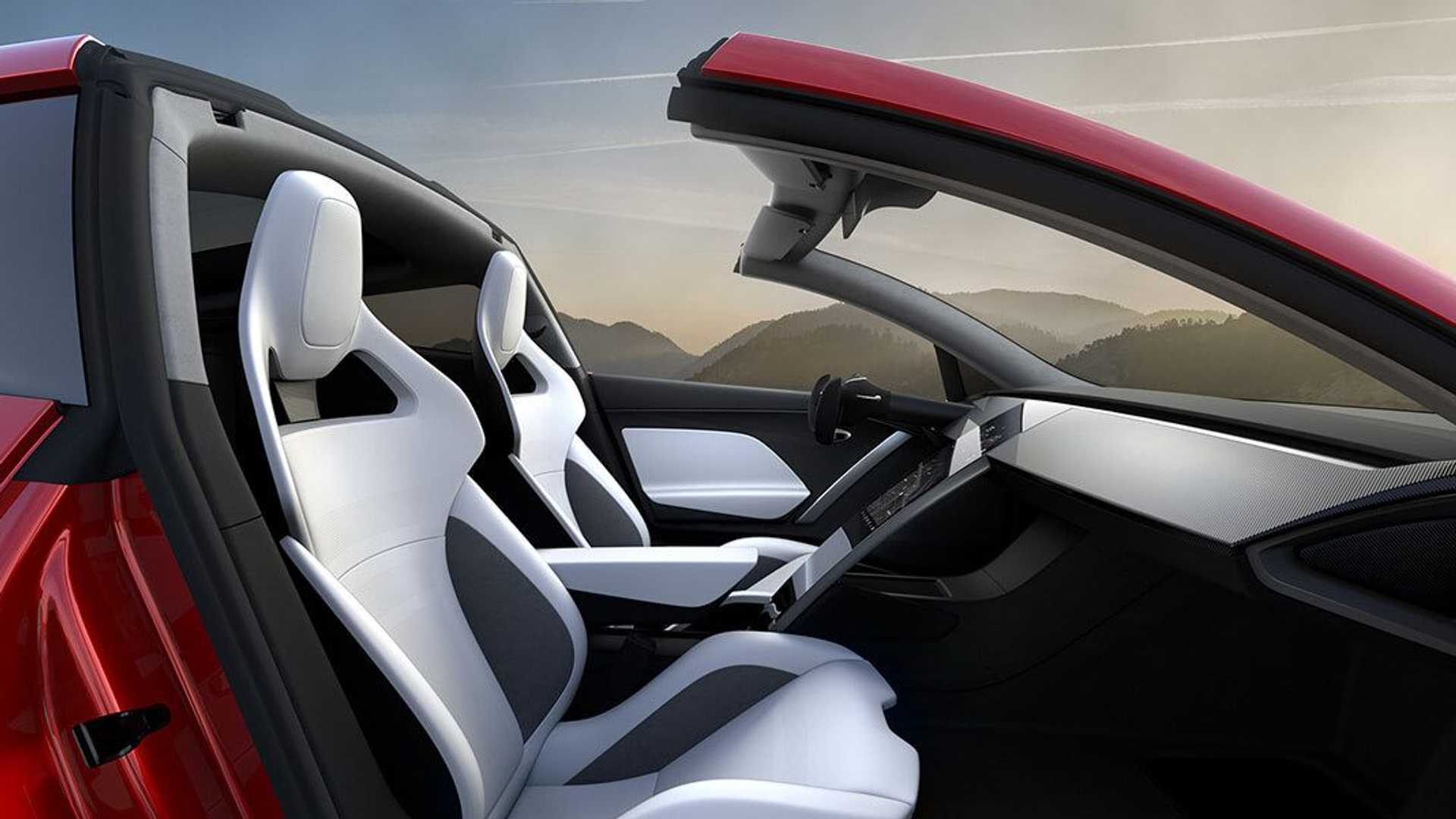
The patent filed in the United States describes an innovative seating system based on a single structure. Instead of relying on multiple separate components—metal supports, hinges, and adjustment mechanisms—the seat would be designed as a composite base made from one piece. This approach aligns with Tesla’s engineering philosophy already applied in other areas, potentially reducing the overall weight of the vehicle and simplifying production.
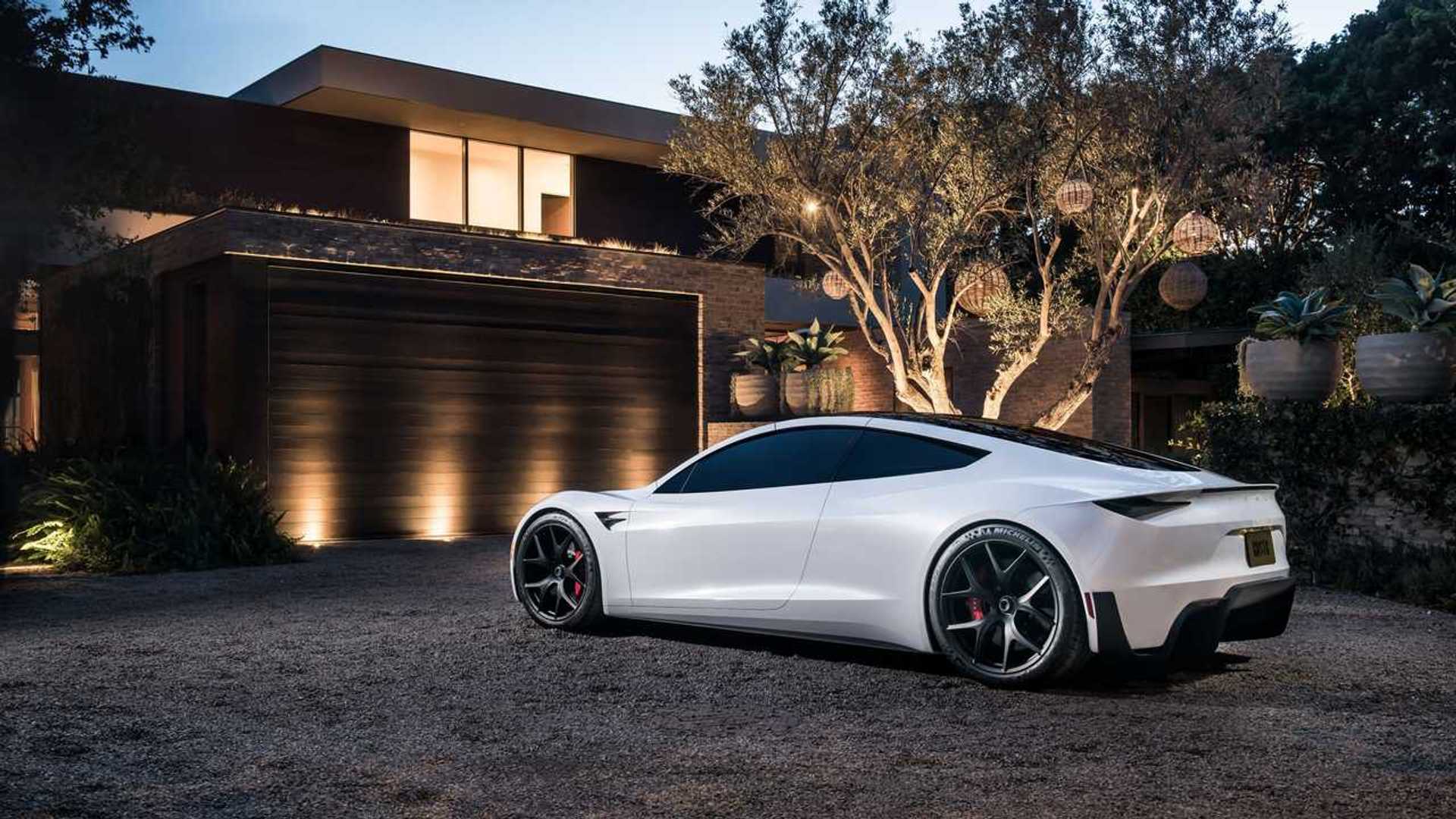
Essentially, this simpler architecture would not only reduce the number of parts to assemble but also minimise potential failure points. The complexity of a traditional seat, consisting of dozens of pieces, often leads to technical issues. Opting for a monobloc design could therefore enhance the reliability and durability of the product.
Composite Materials: A Performance Guarantee
For the construction of this seat base, Tesla plans to use advanced composite materials, such as glass-fibre reinforced nylon, nylon-carbon composites, or even materials containing Kevlar fibres. This variety of materials could provide variable stiffness, allowing for optimal comfort and support for occupants.
Another notable innovation is the hinge of the backrest. Instead of a traditional mechanism, the patent features a hinge integrated into the continuous frame, designed to flex and allow the backrest to move without compromising the structure. This type of engineering could offer unprecedented ergonomics, further enhancing the Roadster’s appeal to speed enthusiasts.
A Step Towards an Anticipated Launch
The filing of this patent comes at a crucial time for Tesla. The Roadster, announced in 2017 with hypercar-worthy performance—such as a 0 to 60 mph time of under 2 seconds—has been postponed multiple times. Elon Musk’s latest statement hinting at a definitive design reveal on 1 April 2026 has raised questions about the credibility of this announcement, leading some to wonder if it’s an April Fool’s joke.
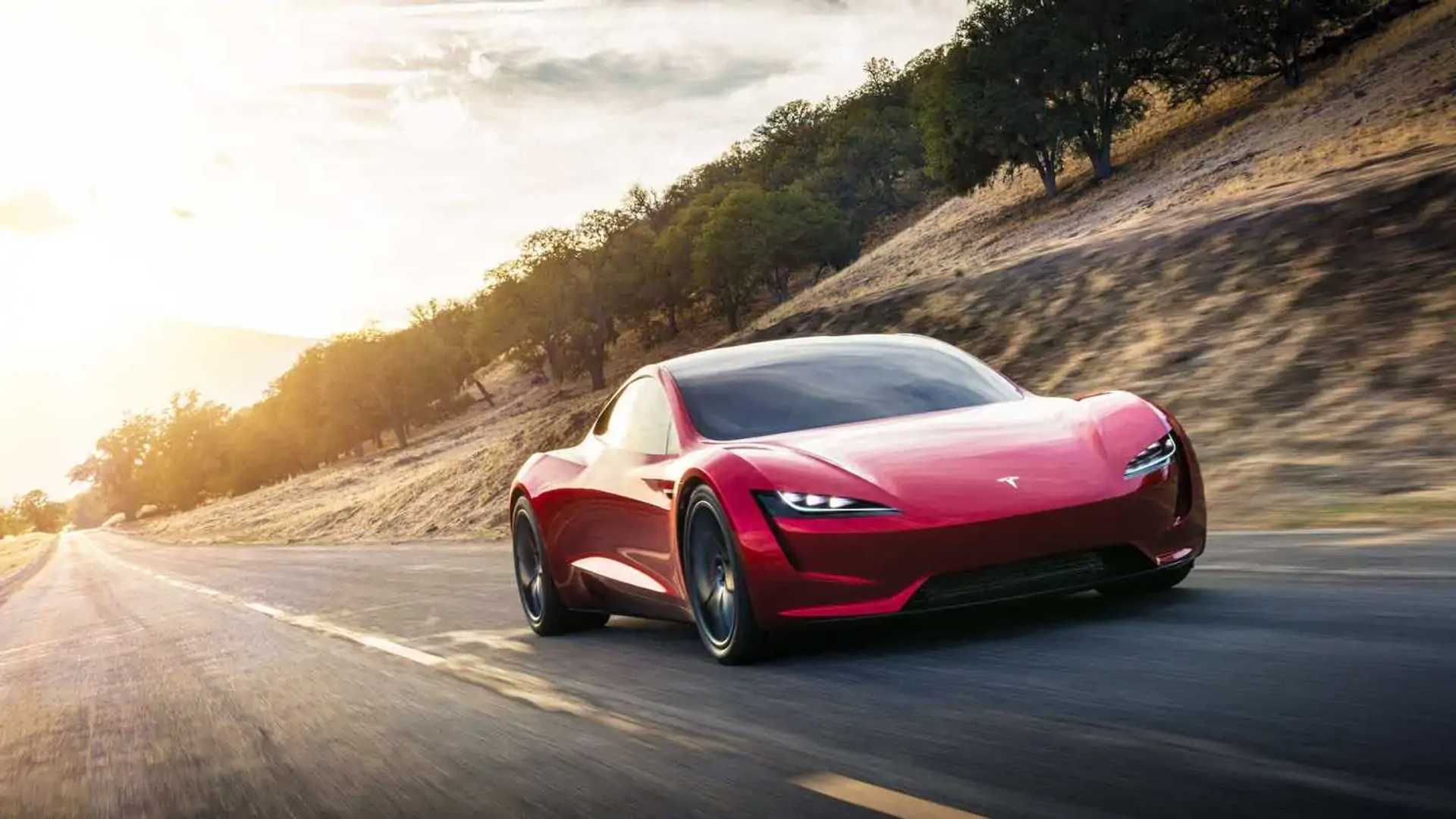
Nevertheless, this new insight into the seating could signal an impending launch. By integrating advanced technologies into the interior, Tesla appears to be making a strategic shift. This approach could not only attract performance enthusiasts but also position the brand as an undisputed leader in the electric hypercar segment.
Market and Competitive Implications
This shift towards monobloc seats could have ramifications for the entire electric vehicle market. If Tesla can prove the effectiveness and reliability of this solution, other manufacturers may be compelled to follow suit. Simplifying production and reducing weight are crucial aspects in the race for innovation, and Tesla could gain a significant advantage.
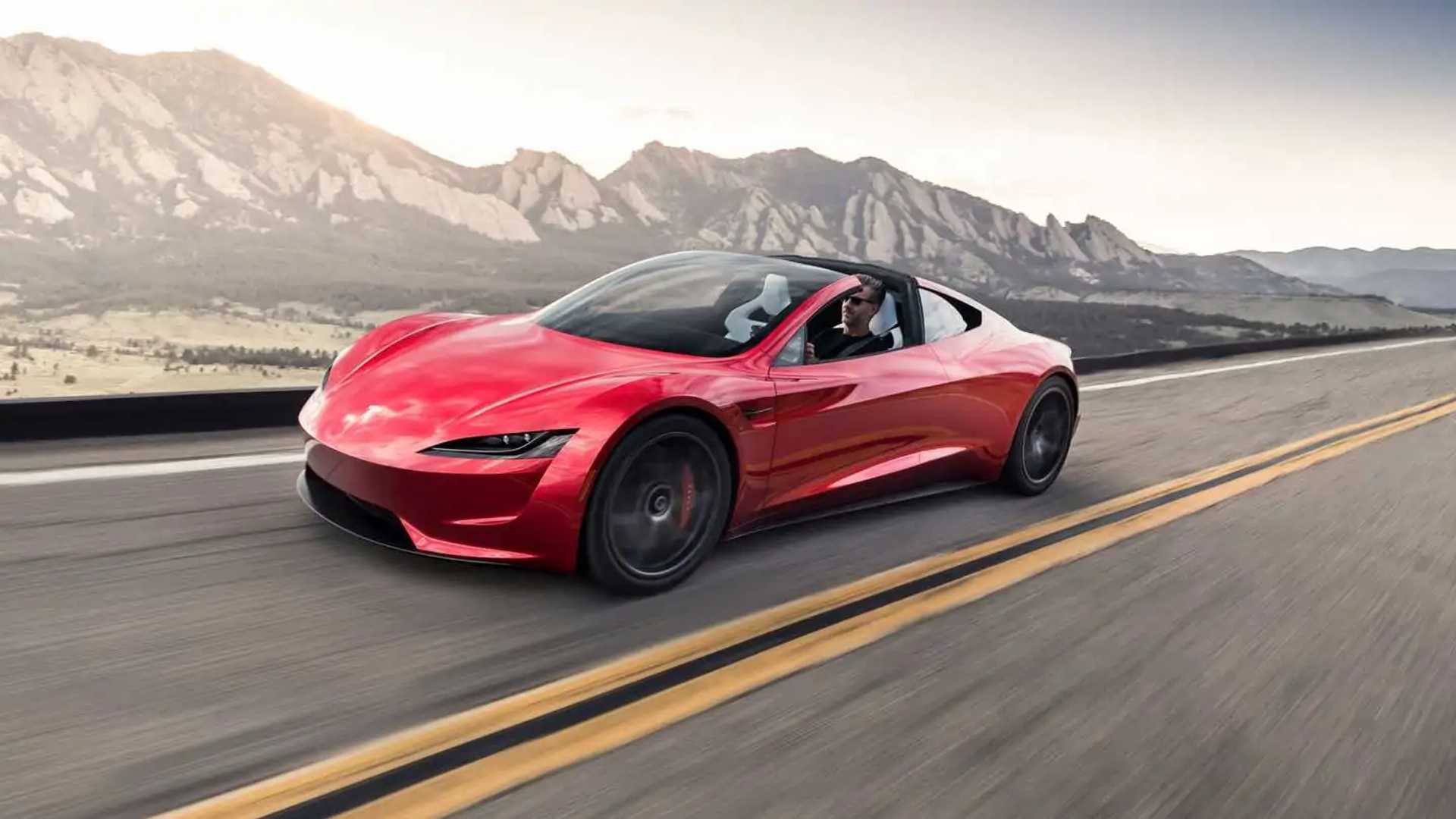
In practice, this evolution could also influence consumer expectations regarding comfort and onboard technology. Future buyers of the Roadster may benefit from a more immersive and customisable experience, thanks to a complex electronic adjustment system operated by a computer. This level of interaction could redefine standards in the electric hypercar segment.
A Long-Term Strategy
By embracing this radical approach to seating, Tesla is not only improving one aspect of its vehicle; it is redefining the codes of the electric hypercar. By investing in innovative materials and redesigned engineering, the Texas-based brand aims to strengthen its image as a technological pioneer. This could also help it better withstand the growing pressure from regulators and competitors in the market.
Summary
- The patent for monobloc seats marks a significant advancement for Tesla.
- This innovation could reduce weight and improve production efficiency.
- Composite materials offer variable stiffness for enhanced comfort.
- The Roadster 2.0 aims to redefine standards for electric hypercars.
- This strategy could influence the entire electric car market in the medium term.
In conclusion, the Tesla Roadster 2.0 could be more than just a hypercar; it represents a strategic turning point for the brand. For car enthusiasts, this model promises innovation and unparalleled performance. It remains to be seen how this strategy will translate into the market amid increasingly fierce competition.