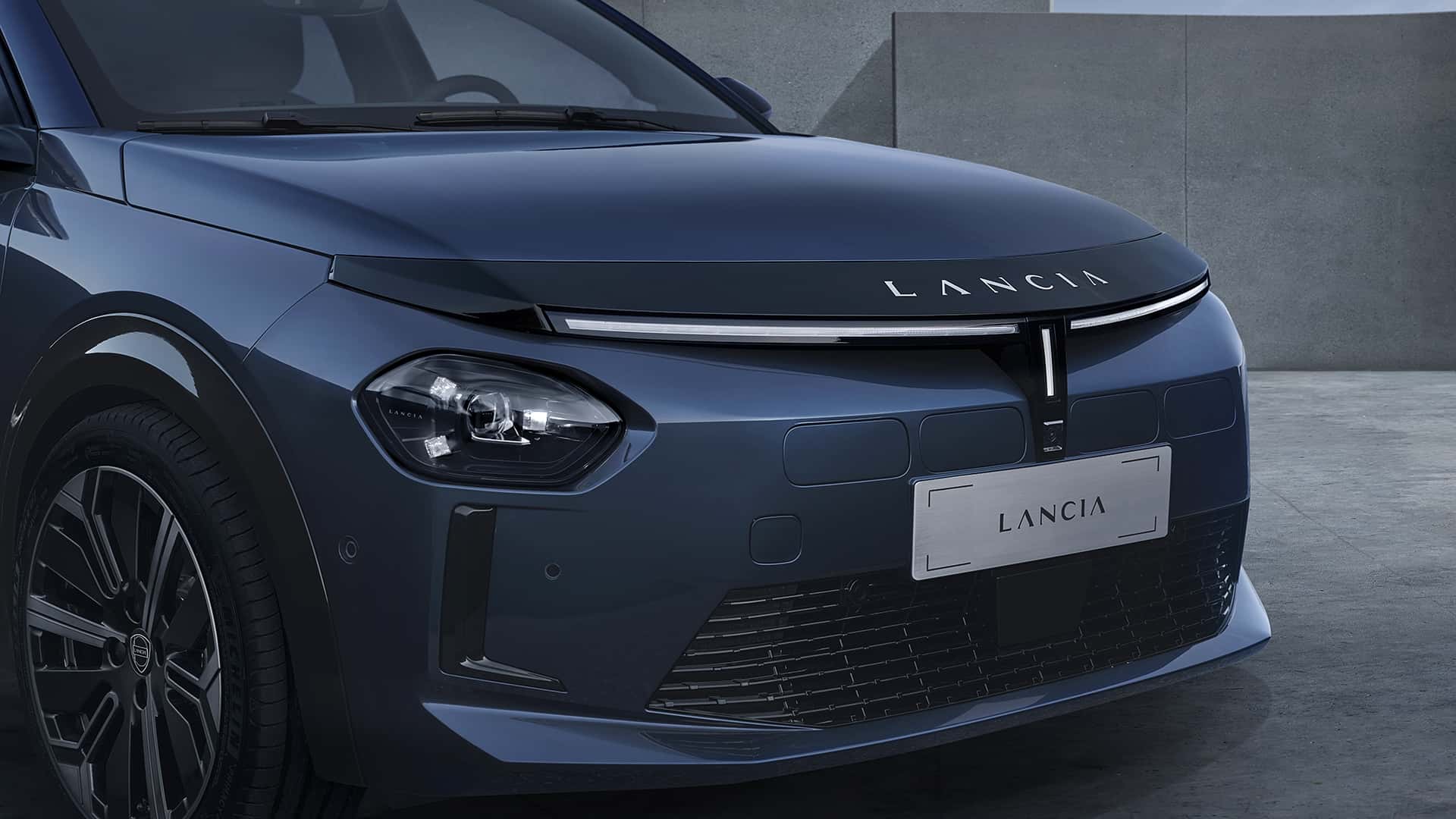
Auto design is where aesthetics conceal the technological advancements that drive modern vehicles, blending form and function into a seamless experience. Balancing beauty and functionality remains a challenge for designers in the industry.
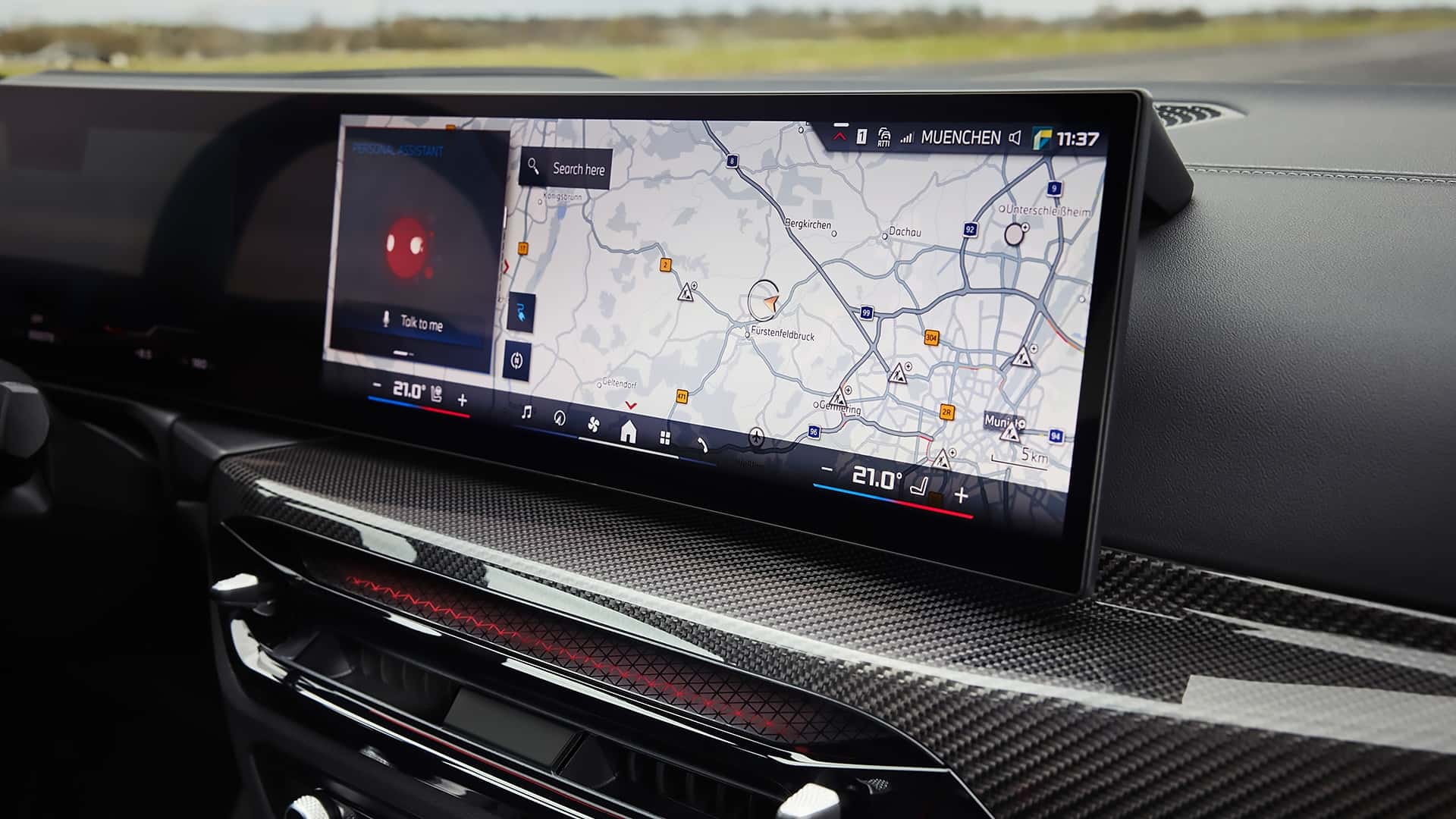
In recent years, automakers have been pushing the boundaries of design to create visually striking vehicles that also meet the demands of efficiency and performance. New models are not only about looks; they must also deliver on practicality and innovation. The latest trends show that manufacturers are focusing on integrating technology into their designs, ensuring that new models are as functional as they are appealing.
Key Aspects of Modern Auto Design: How Technology Influences Aesthetics
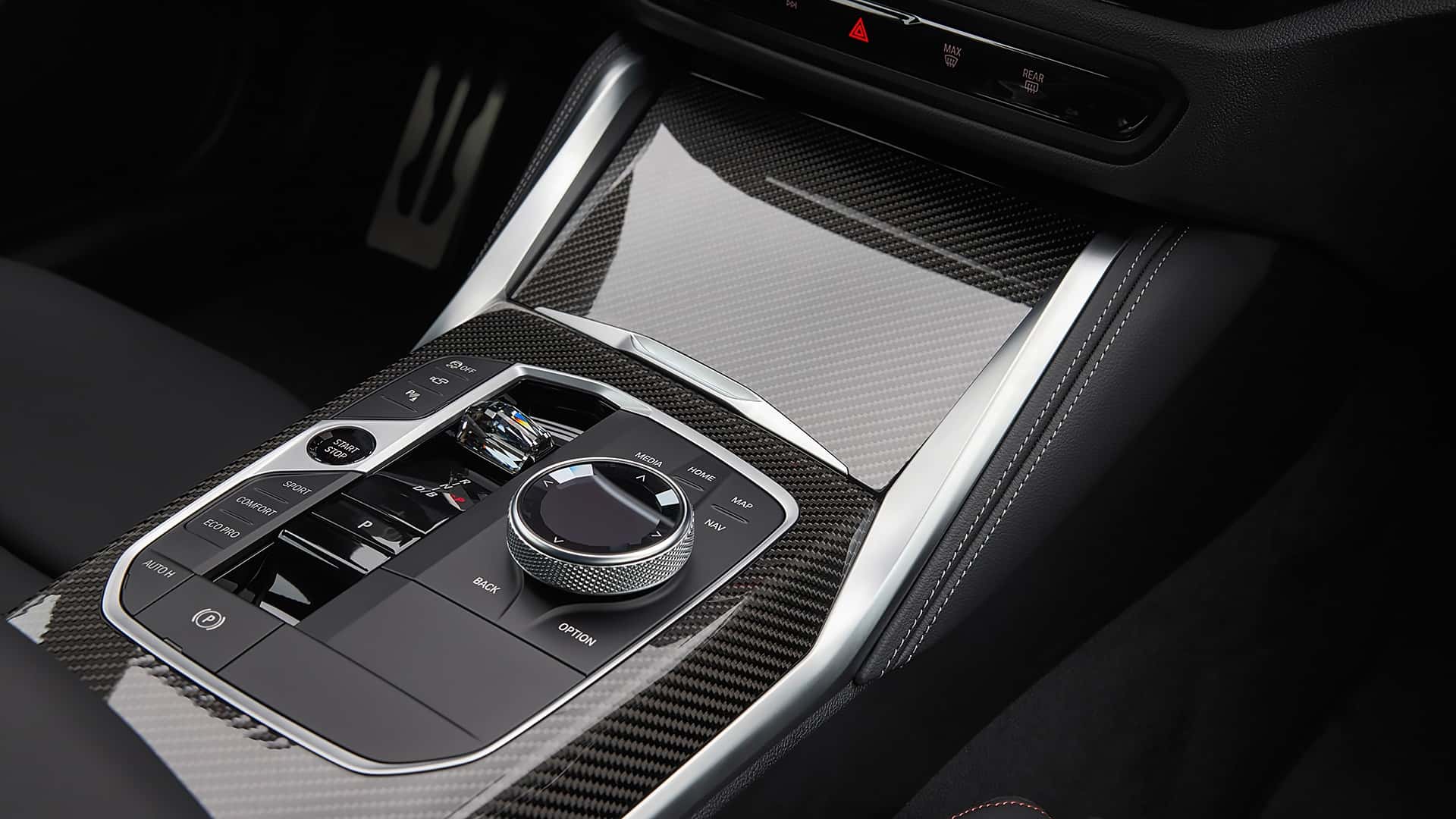
Innovative technologies in auto design are not just about visual appeal; they also enhance the driving experience. Designers are now tasked with creating vehicles that are not only visually stunning but also equipped with cutting-edge technology. Materials that are lightweight yet durable are becoming standard, allowing for more dynamic designs without sacrificing performance. Manufacturers are also exploring sustainable materials that align with eco-friendly initiatives, ensuring that new models meet both aesthetic and environmental standards.
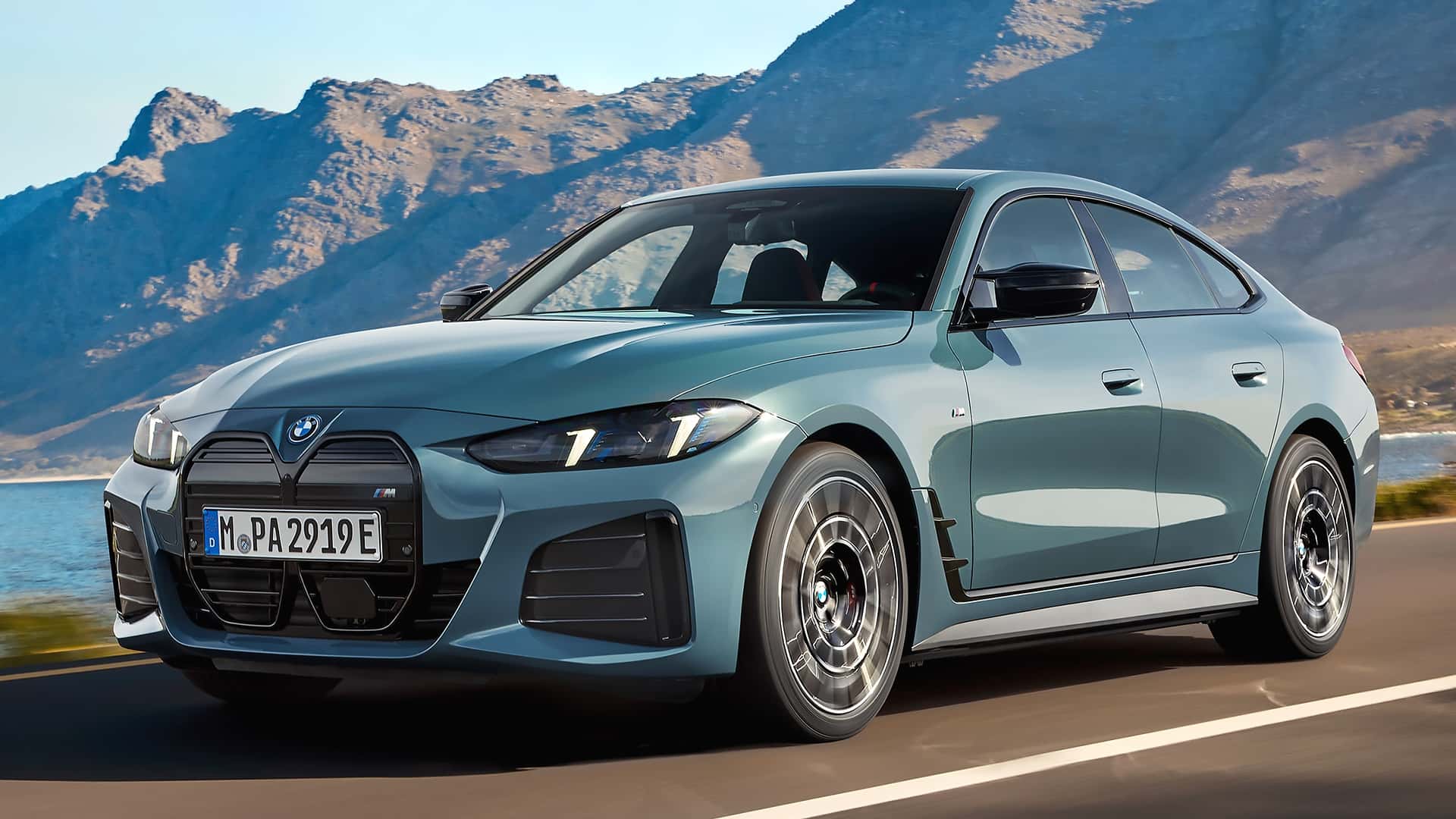
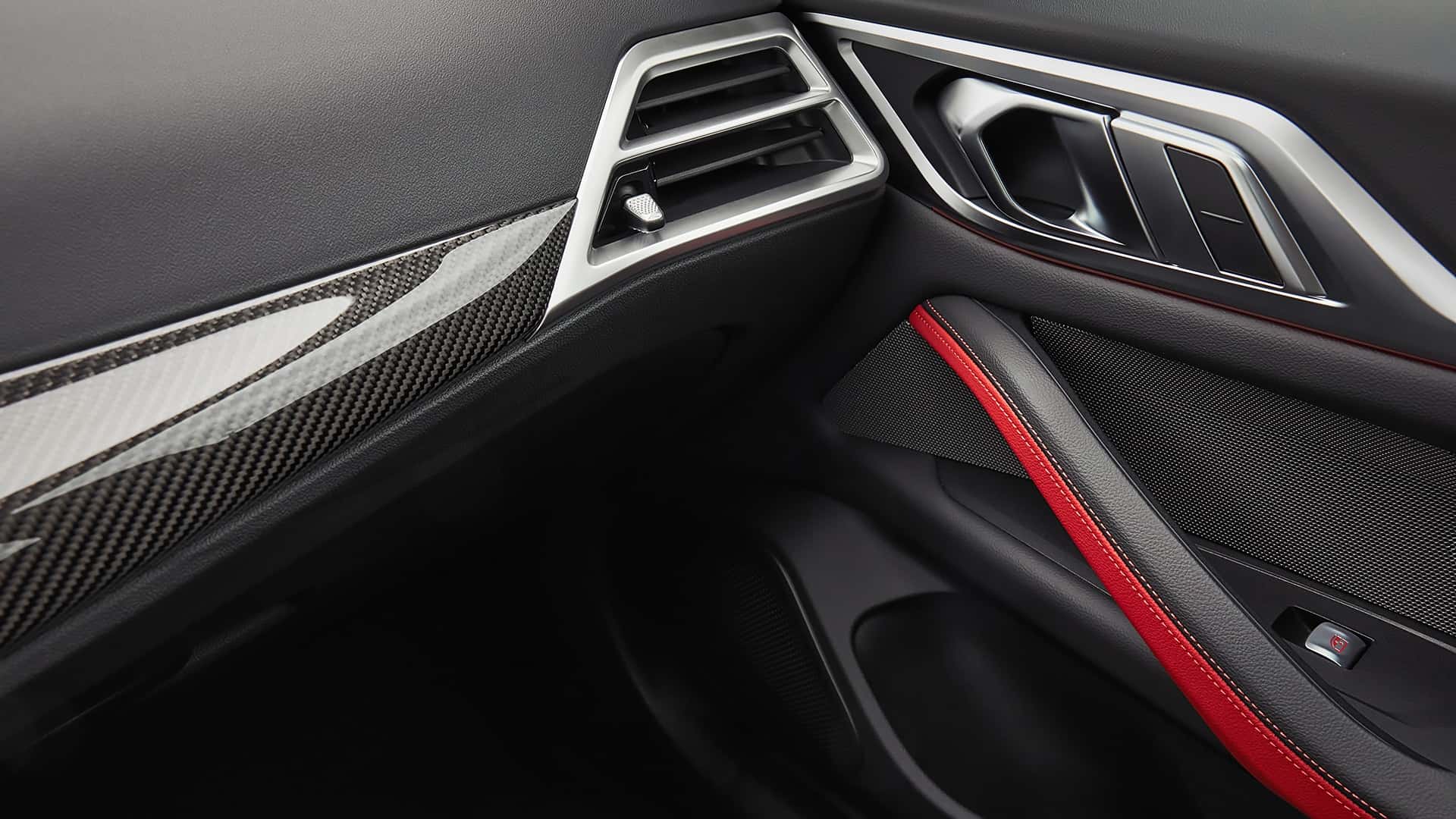
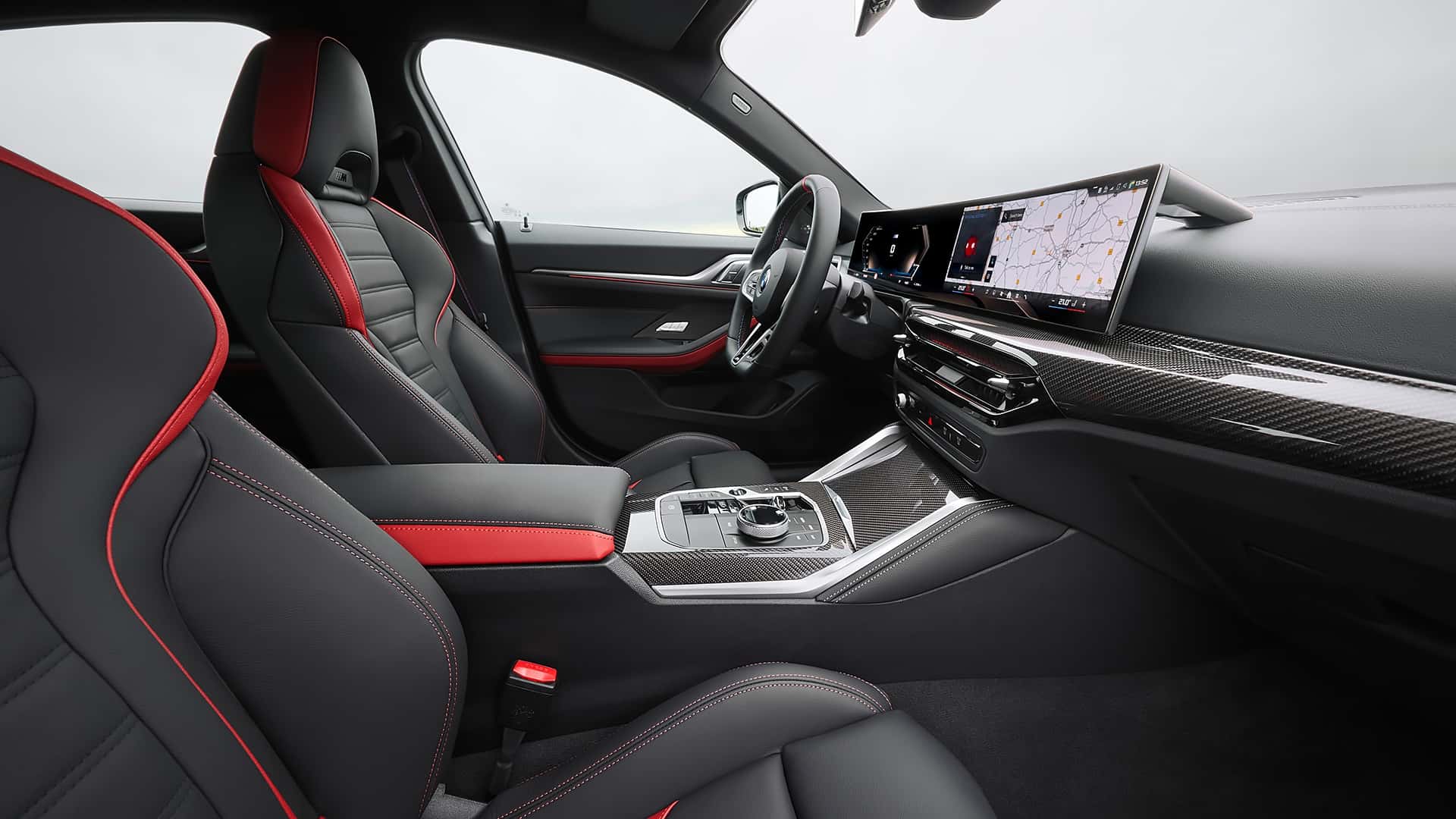
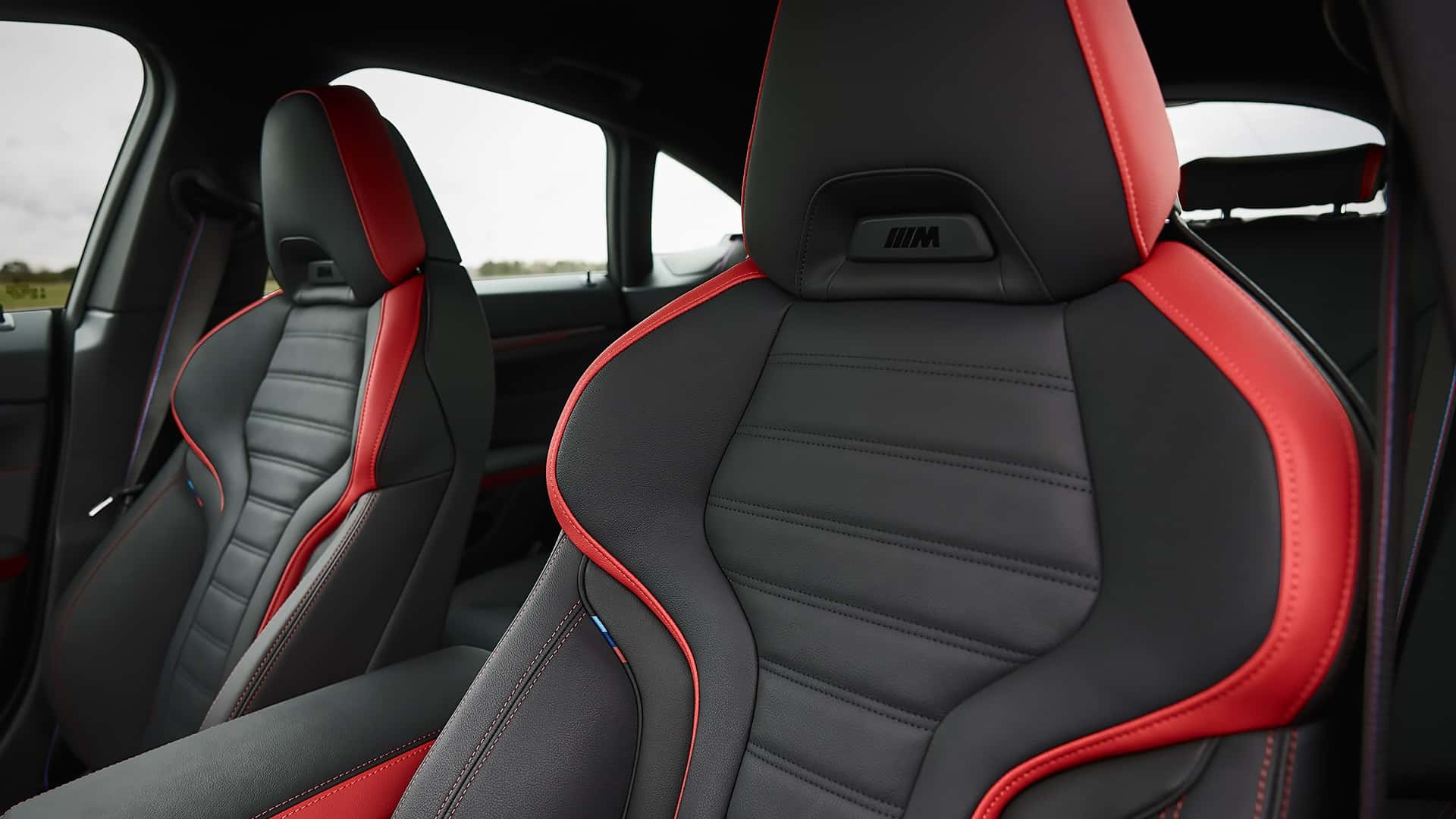
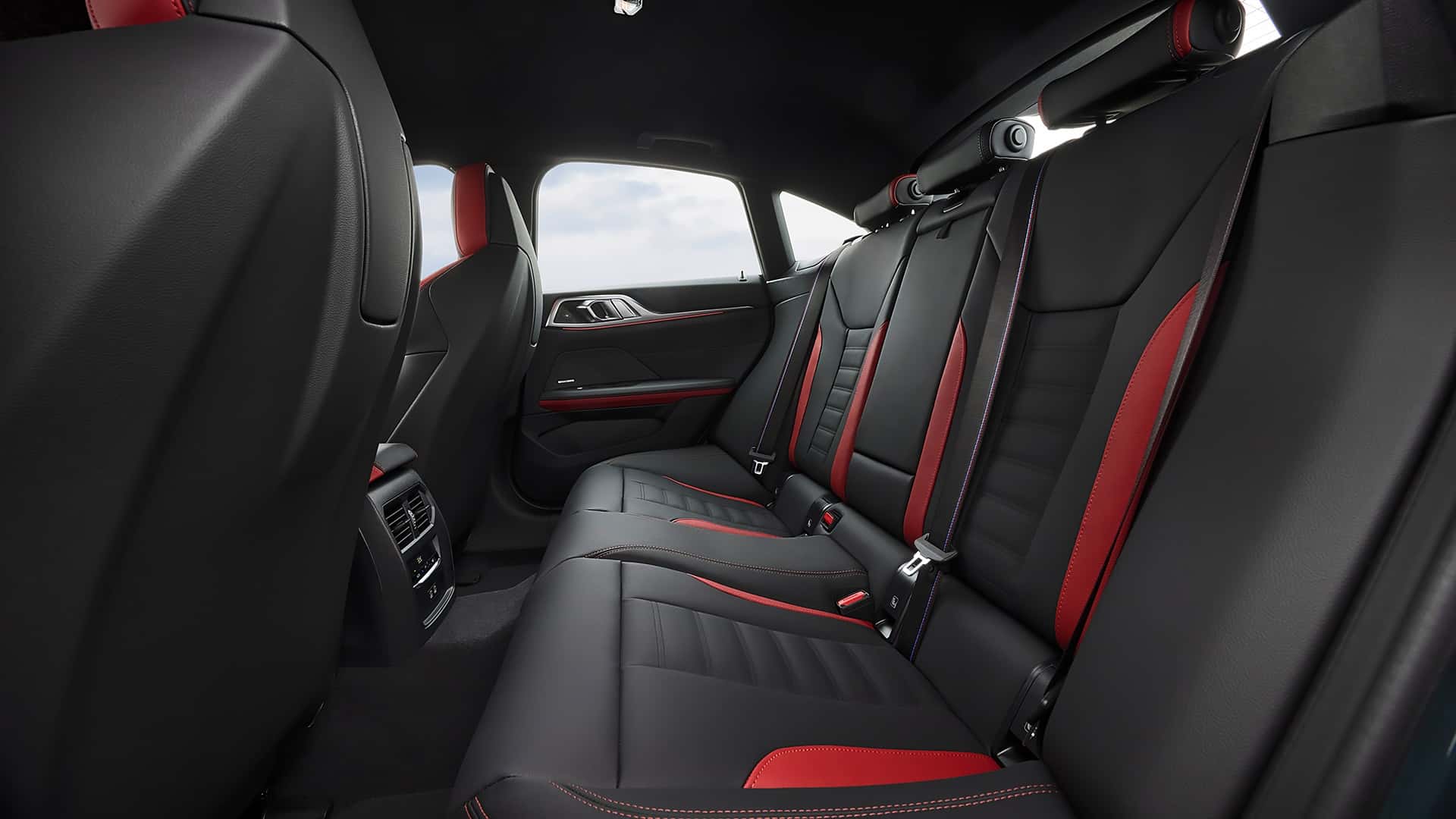
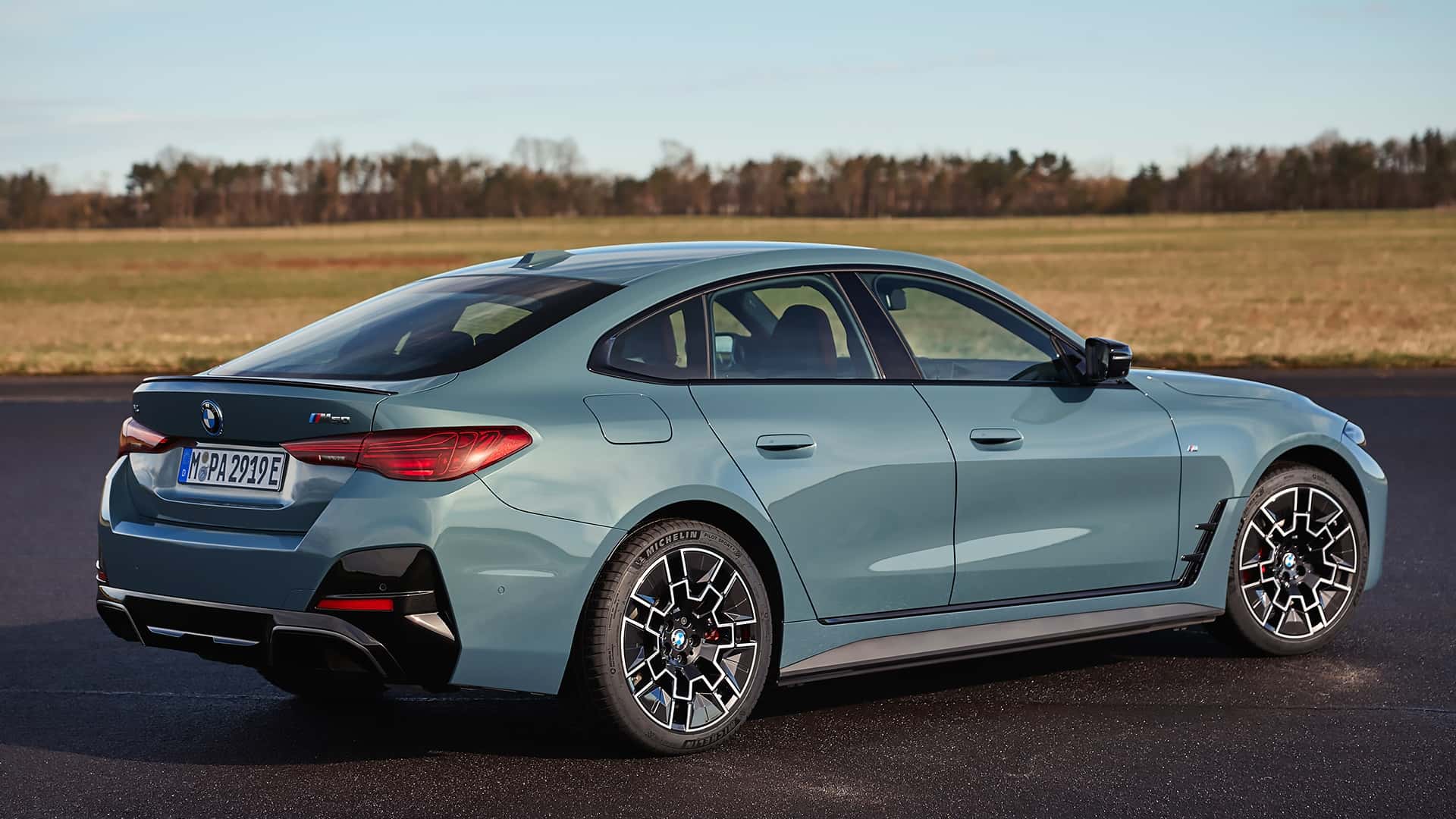
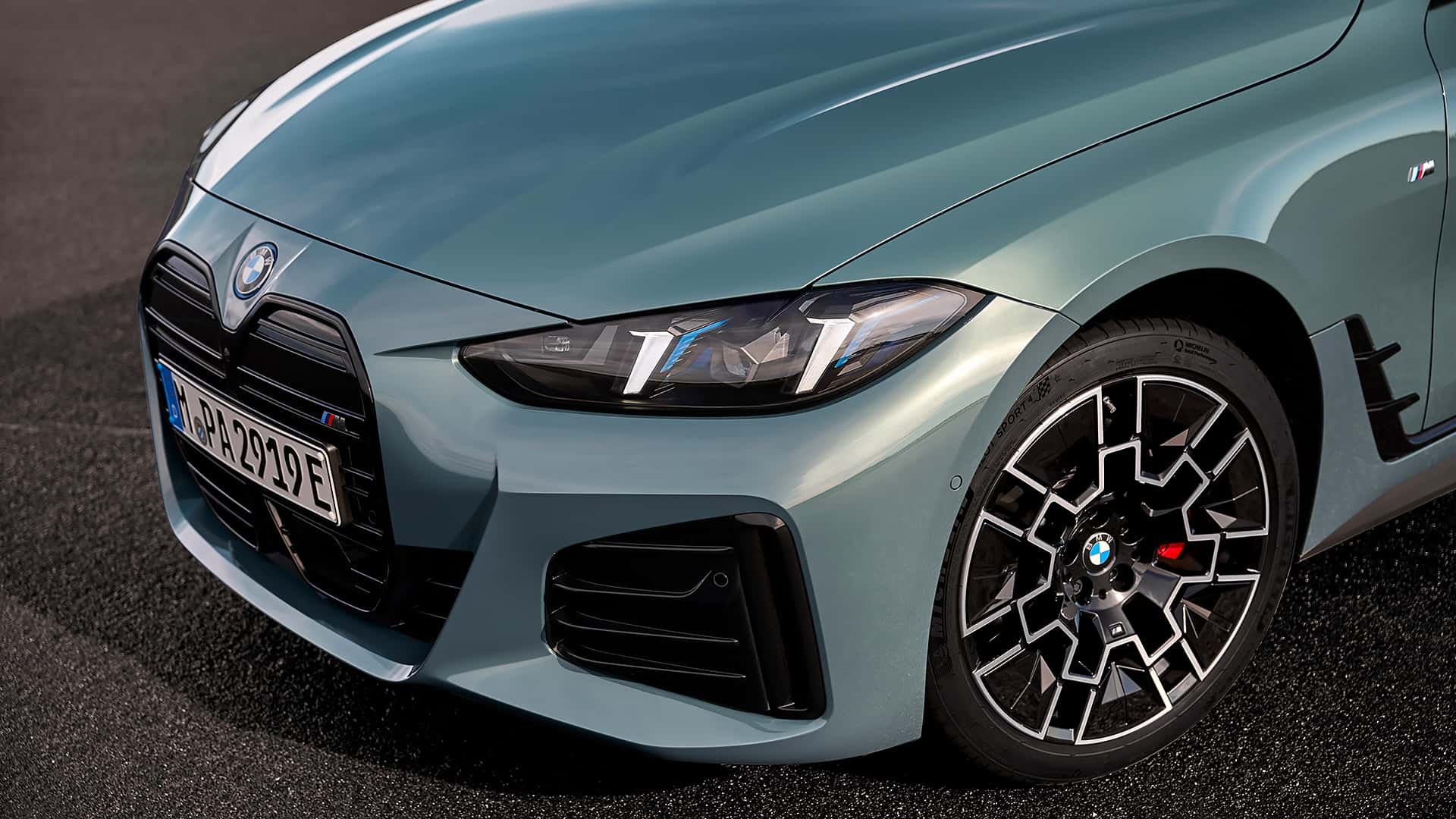
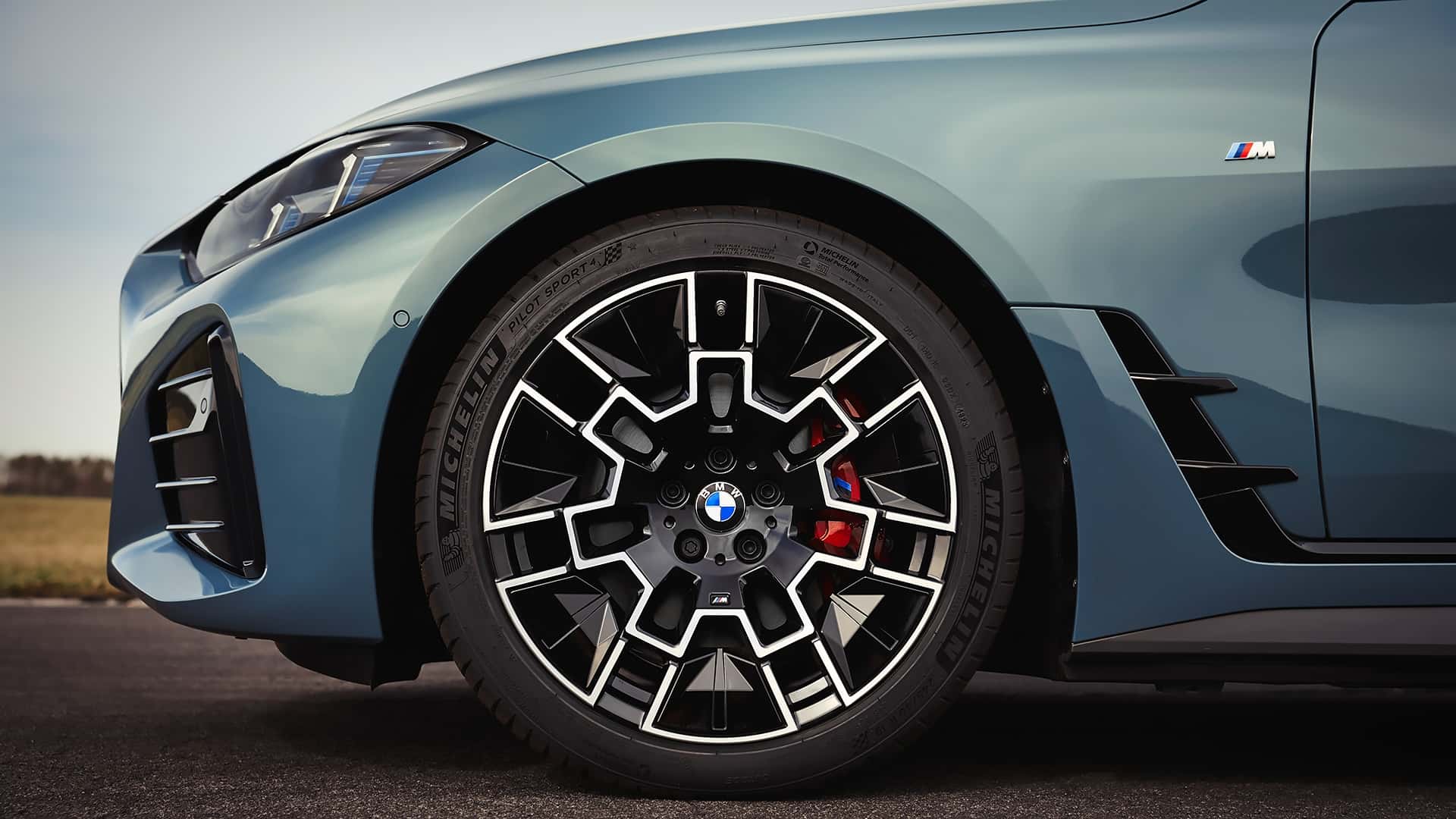
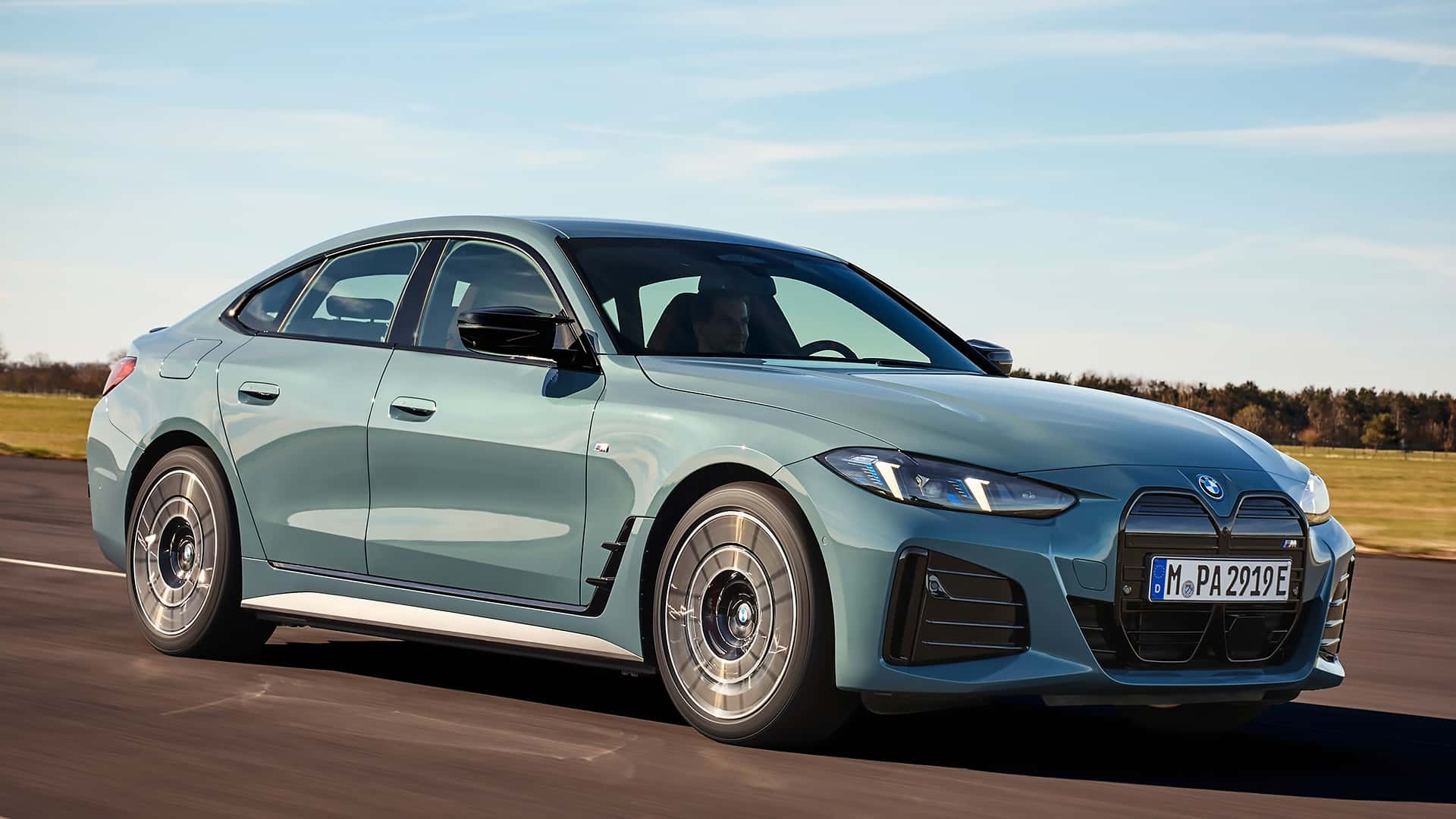
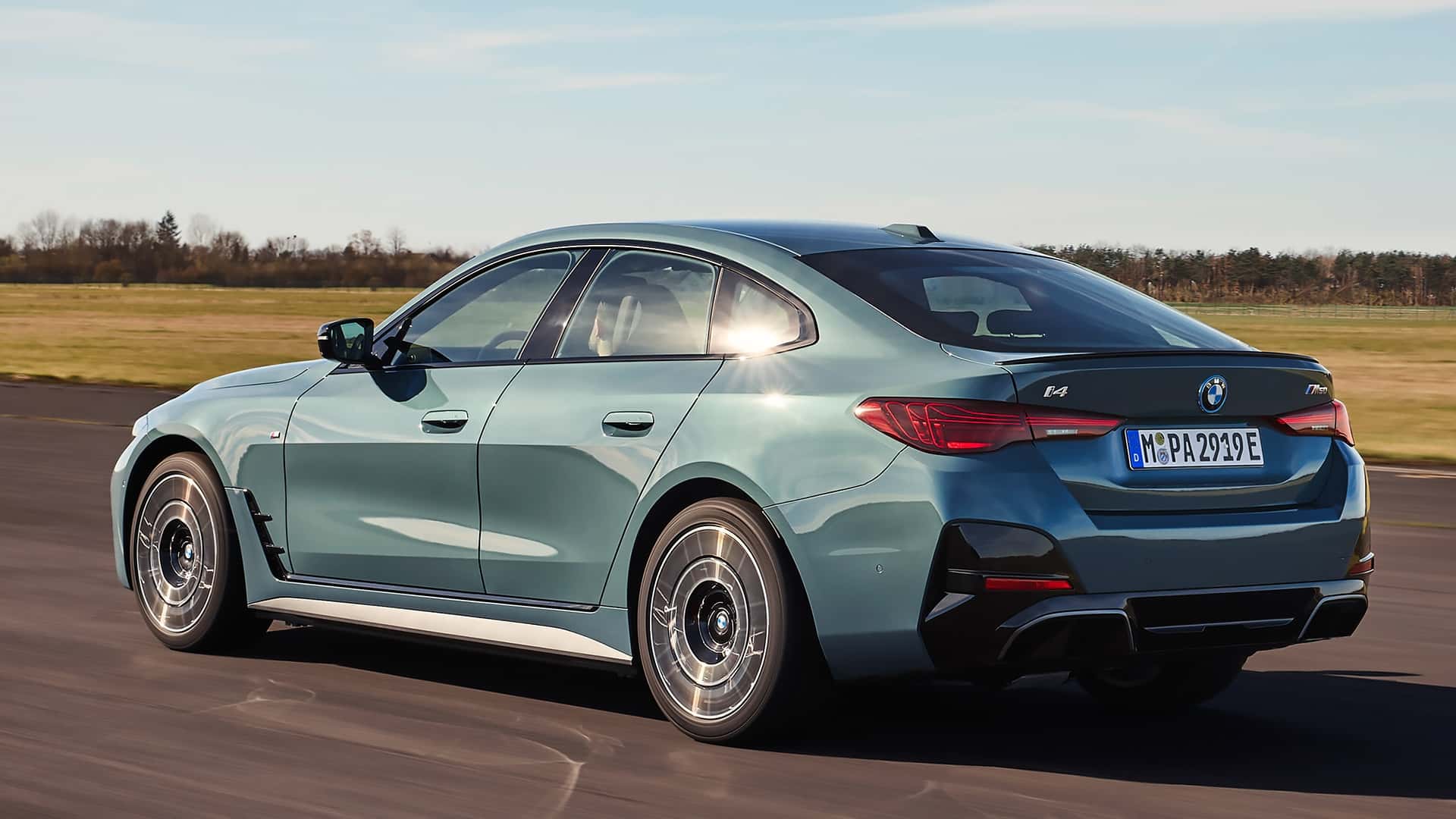
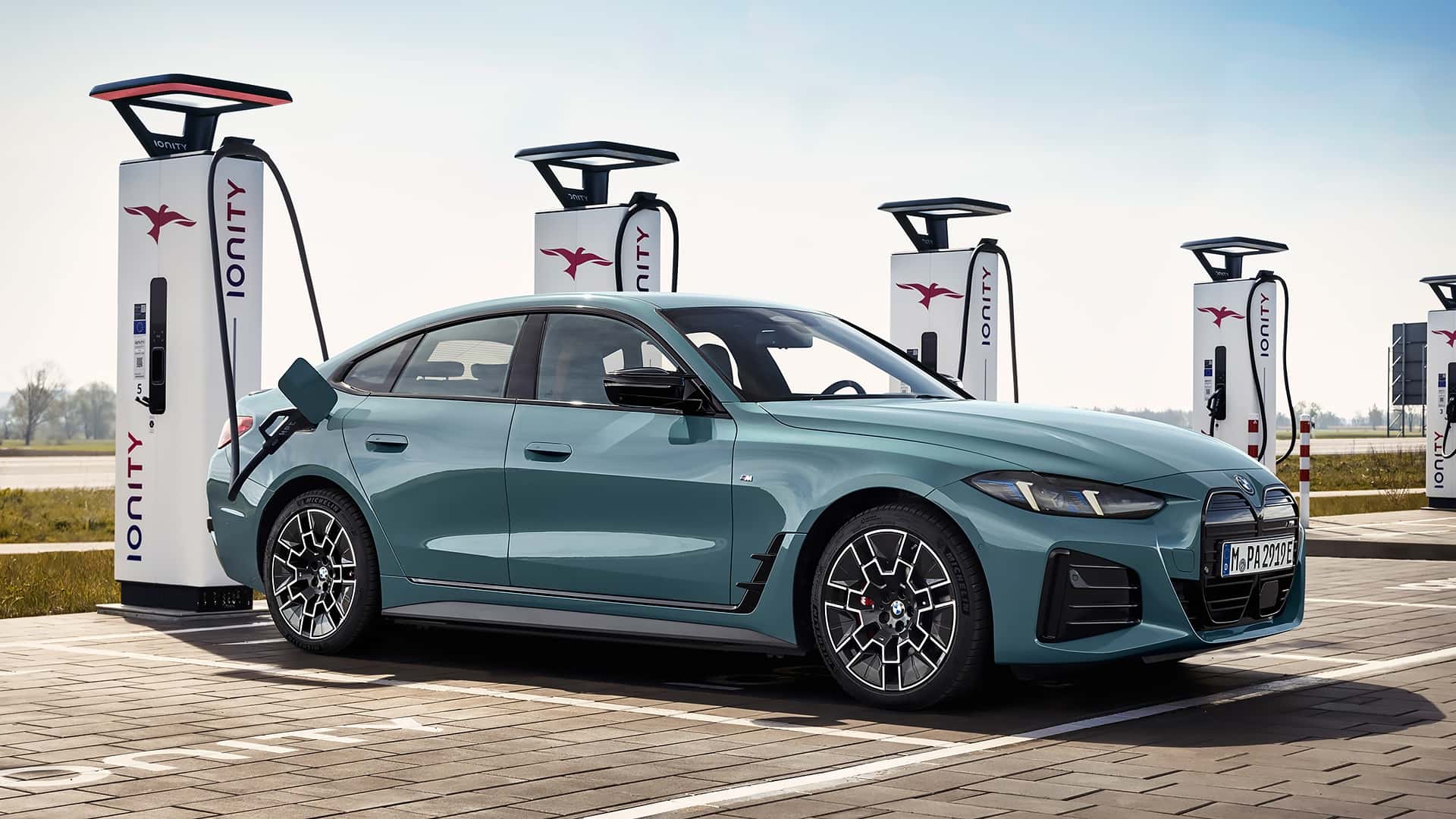
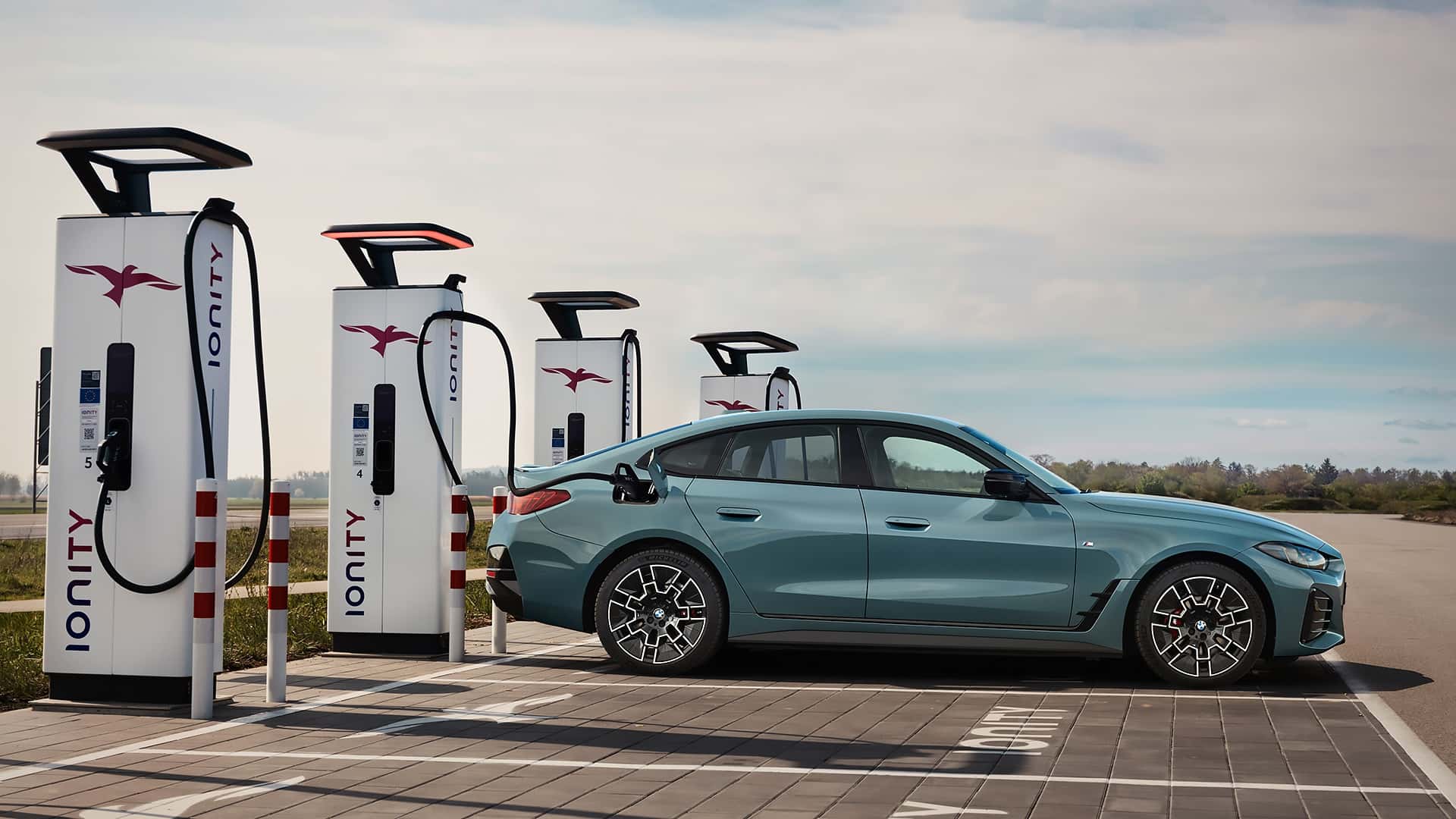
For example, the BMW i4 is a model that embodies this philosophy, combining sleek design with advanced electric technology to create a vehicle that is both beautiful and efficient. This model demonstrates how aesthetics can complement functionality, paving the way for future designs that prioritize both form and performance.
As automakers continue to innovate, the materials used in vehicle construction are evolving to support these new design philosophies. Lightweight composites and sustainable materials are becoming more prevalent, allowing for greater flexibility in design while maintaining structural integrity. This shift is essential as manufacturers strive to meet stricter regulations and consumer demands for environmentally friendly vehicles.
The Role of Technology in Future Auto Design
Technological advancements will continue to shape the future of auto design, pushing boundaries and redefining what is possible. Innovations in materials, manufacturing processes, and design software are enabling designers to create vehicles that are not only visually appealing but also highly functional. As the industry moves forward, the integration of technology will play a crucial role in determining the success of new models.
Looking ahead, the Audi Q4 35 e-tron (2024) exemplifies this trend, showcasing a design that is both modern and functional. This model aims to attract consumers who prioritize style without compromising on performance, reflecting the evolving landscape of auto design.

Auto design is a dynamic field that constantly adapts to new technologies and materials. As manufacturers strive to create vehicles that are both visually stunning and technologically advanced, the future of auto design looks promising. Innovations in materials and design will continue to drive the industry forward, ensuring that new models meet the demands of consumers while pushing the boundaries of what is possible.