Automotive design is an art form that often conceals technological advancements behind attractive designs while offering practical functionality and ease of use. The balance between aesthetics and functionality is crucial in design.
In recent years, automakers have struggled to create visually appealing vehicles, such as urban compacts, that are not only beautiful but also technologically advanced. Consumers now expect new models to be not just attractive but also innovative and efficient.
Key Design Aspects: How Technology Influences Aesthetics
Innovative technologies in automotive design are not just visual elements; they also have practical applications. Designers must ensure that aesthetic choices do not compromise functionality. Materials like lightweight composites and sustainable fabrics are increasingly used, as they are both visually pleasing and functional. The use of new technologies can also enhance production processes, reducing costs and improving quality.
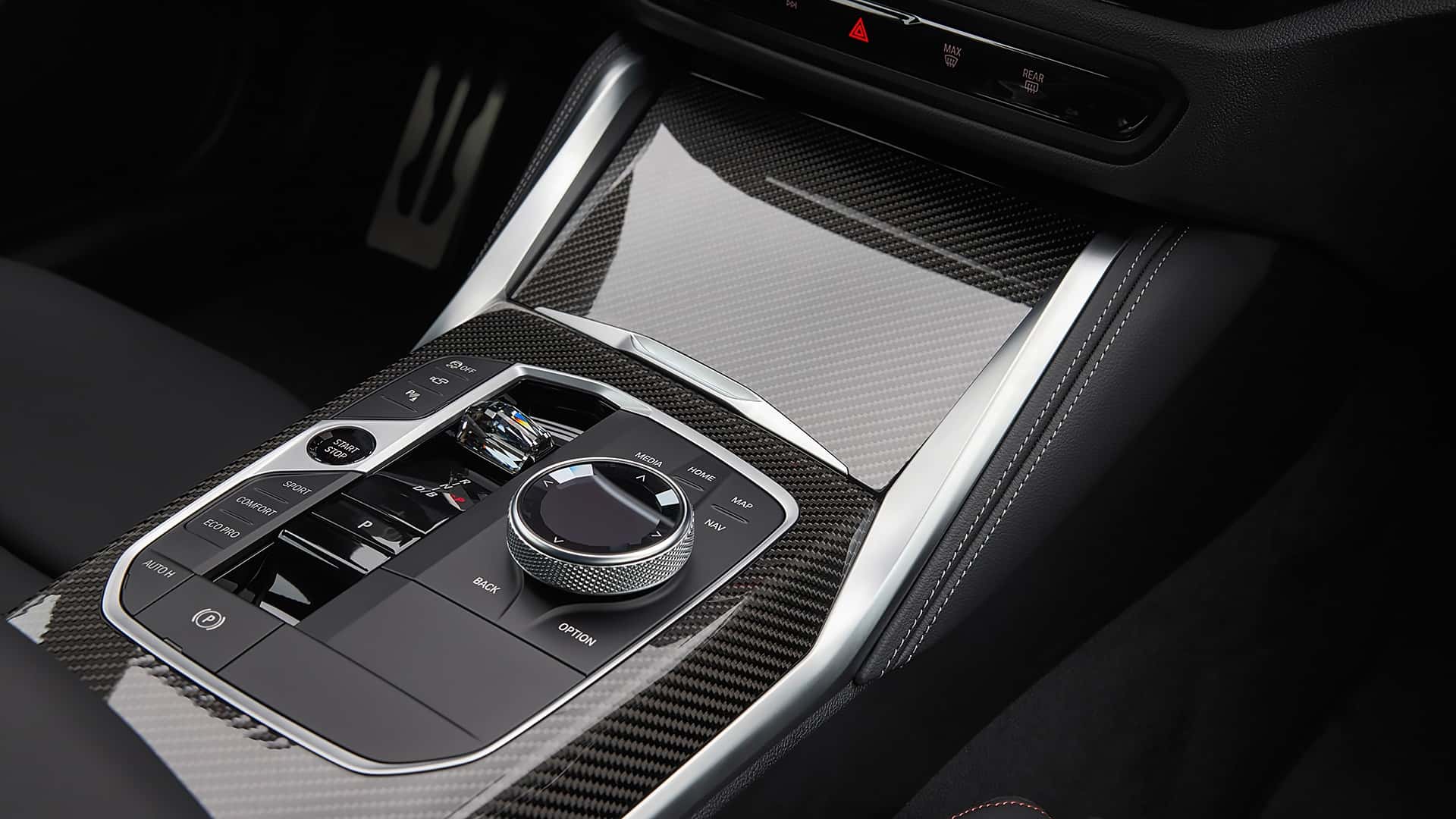
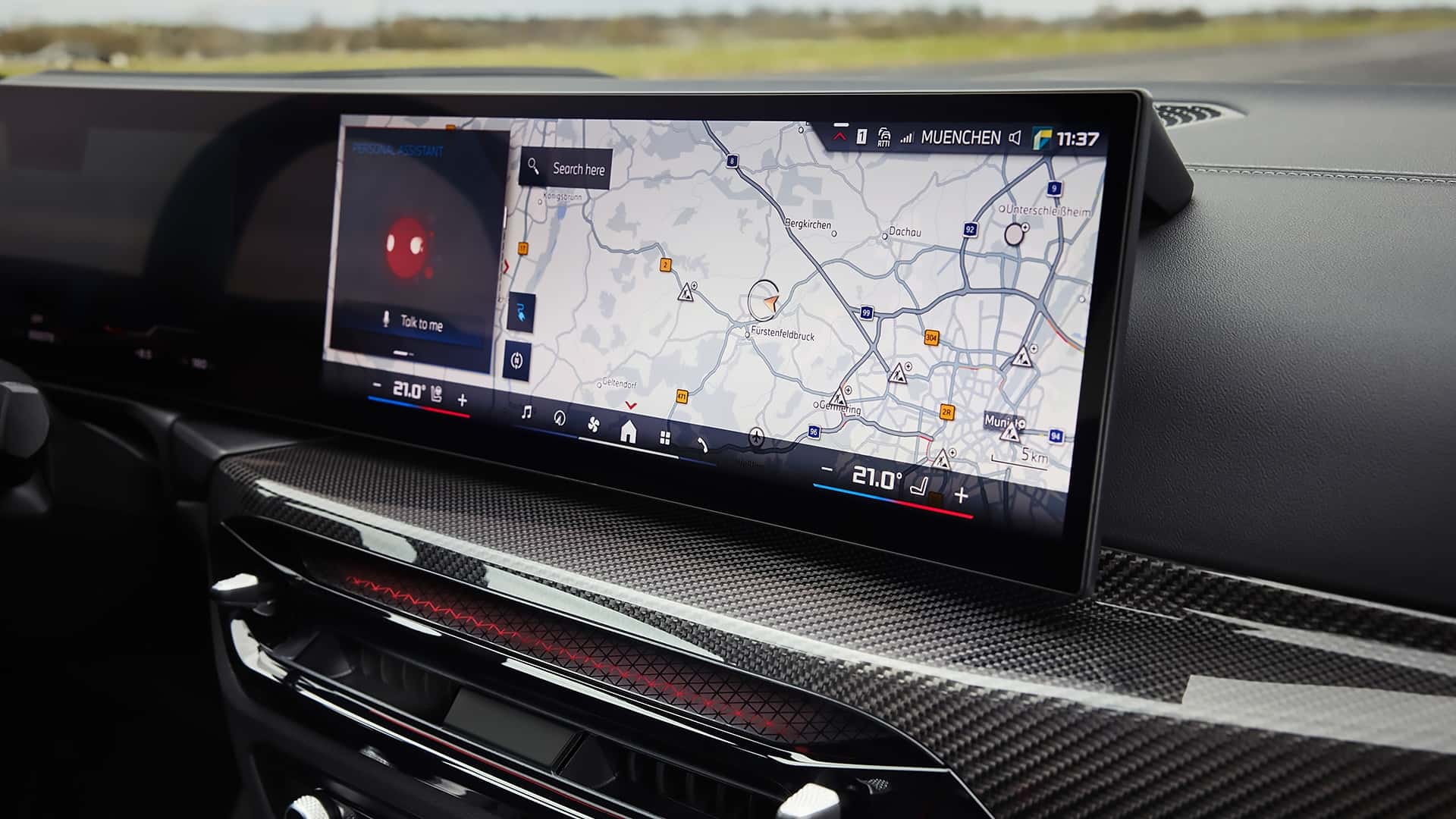
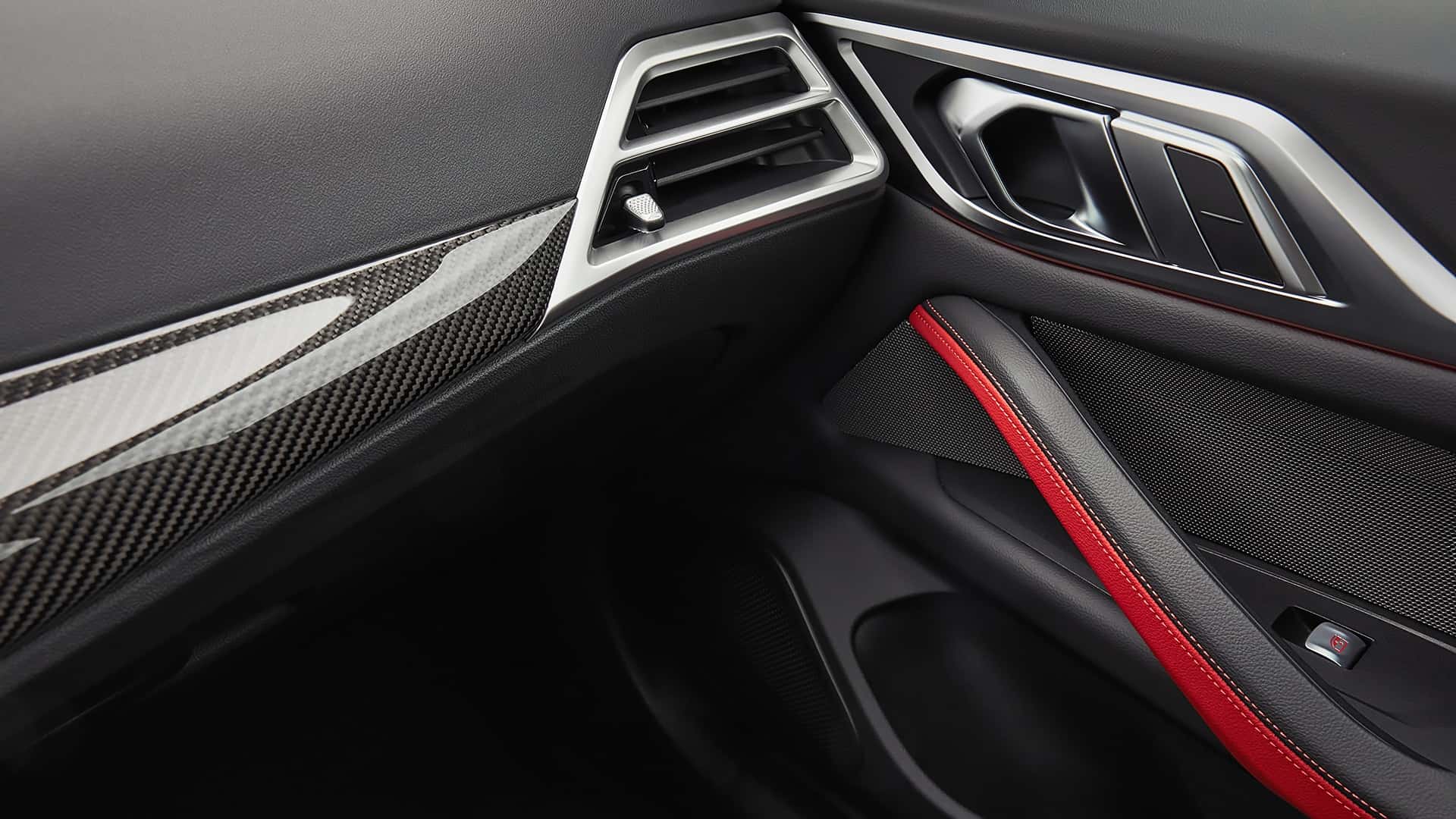
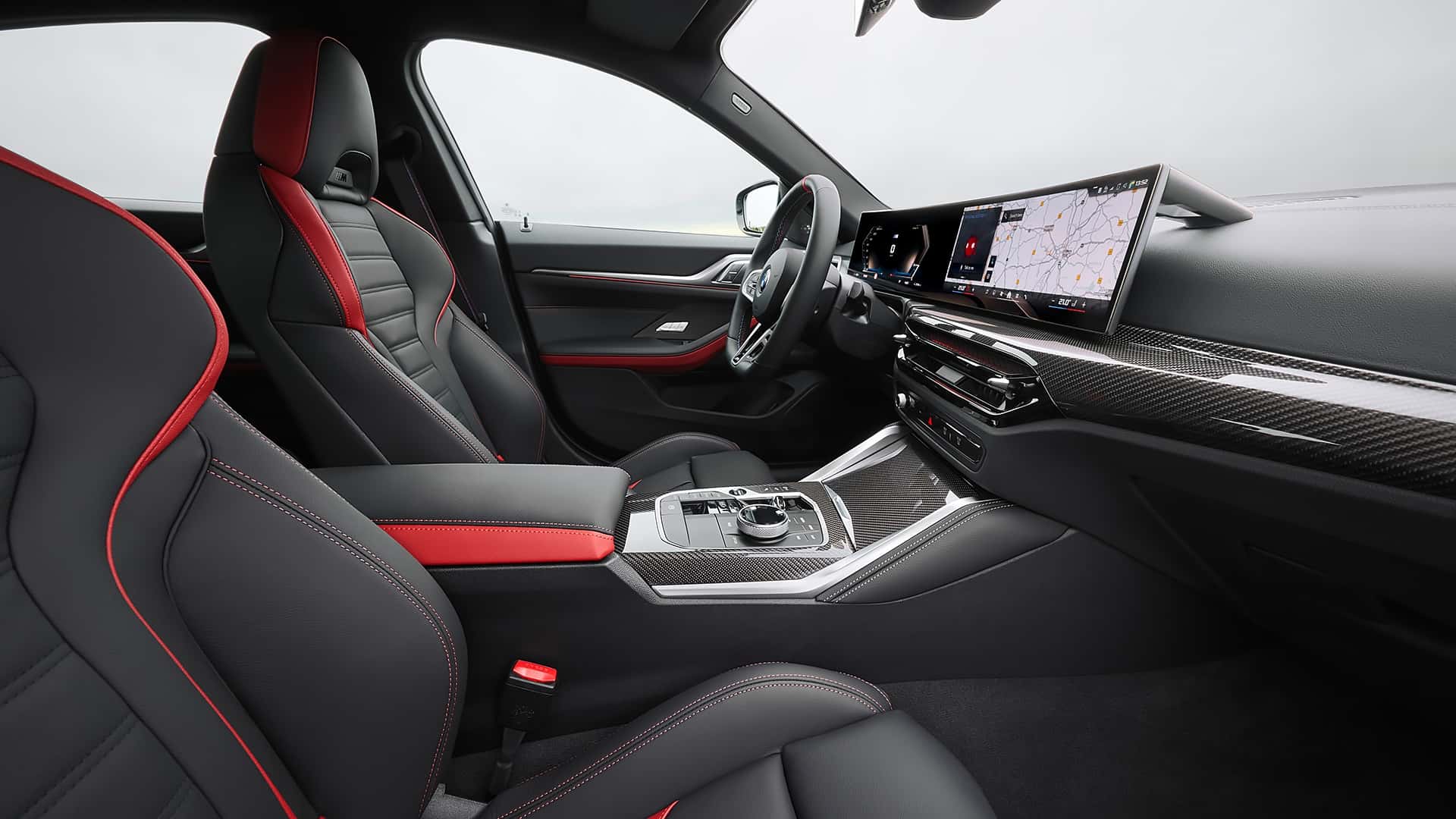
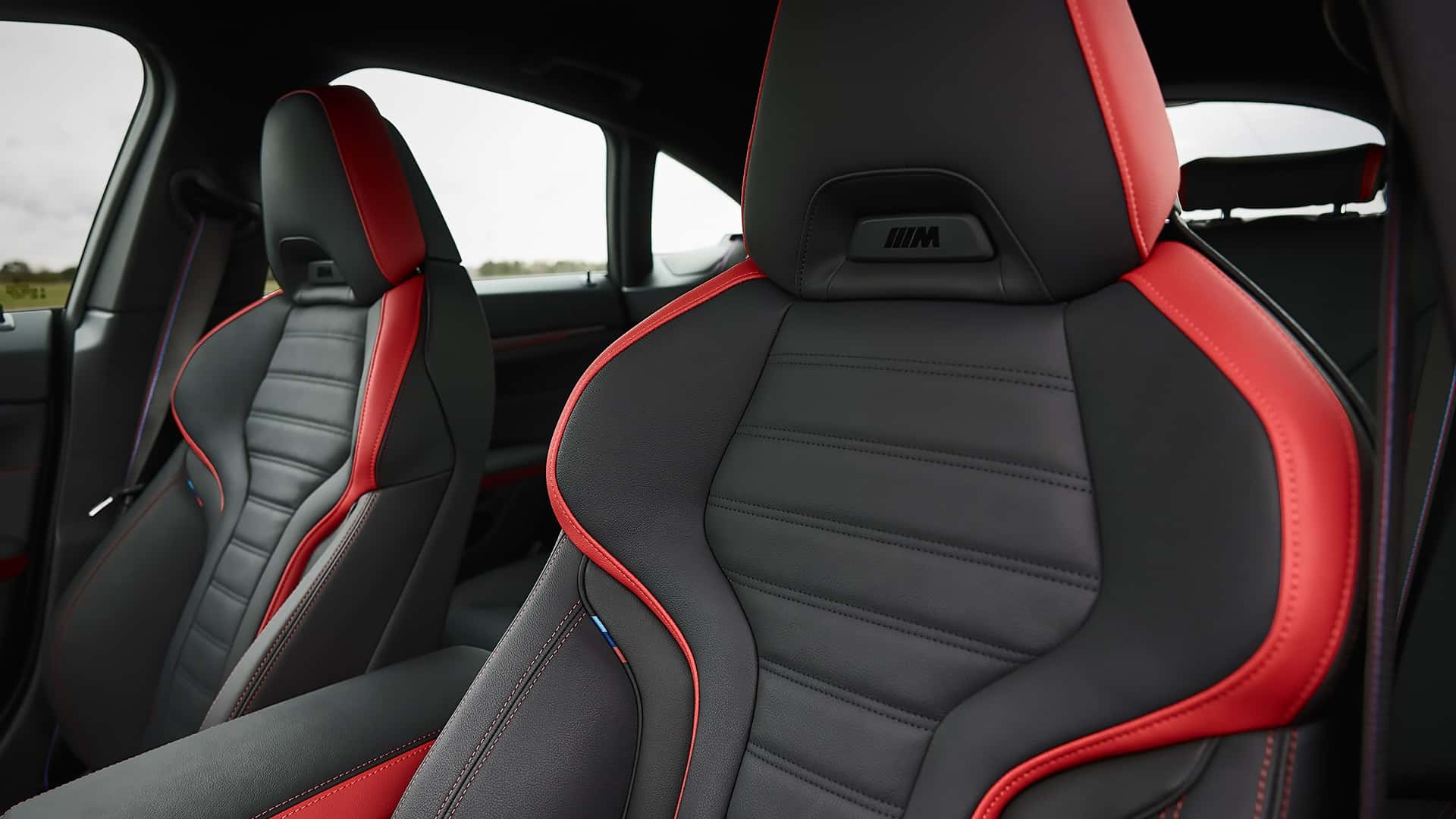
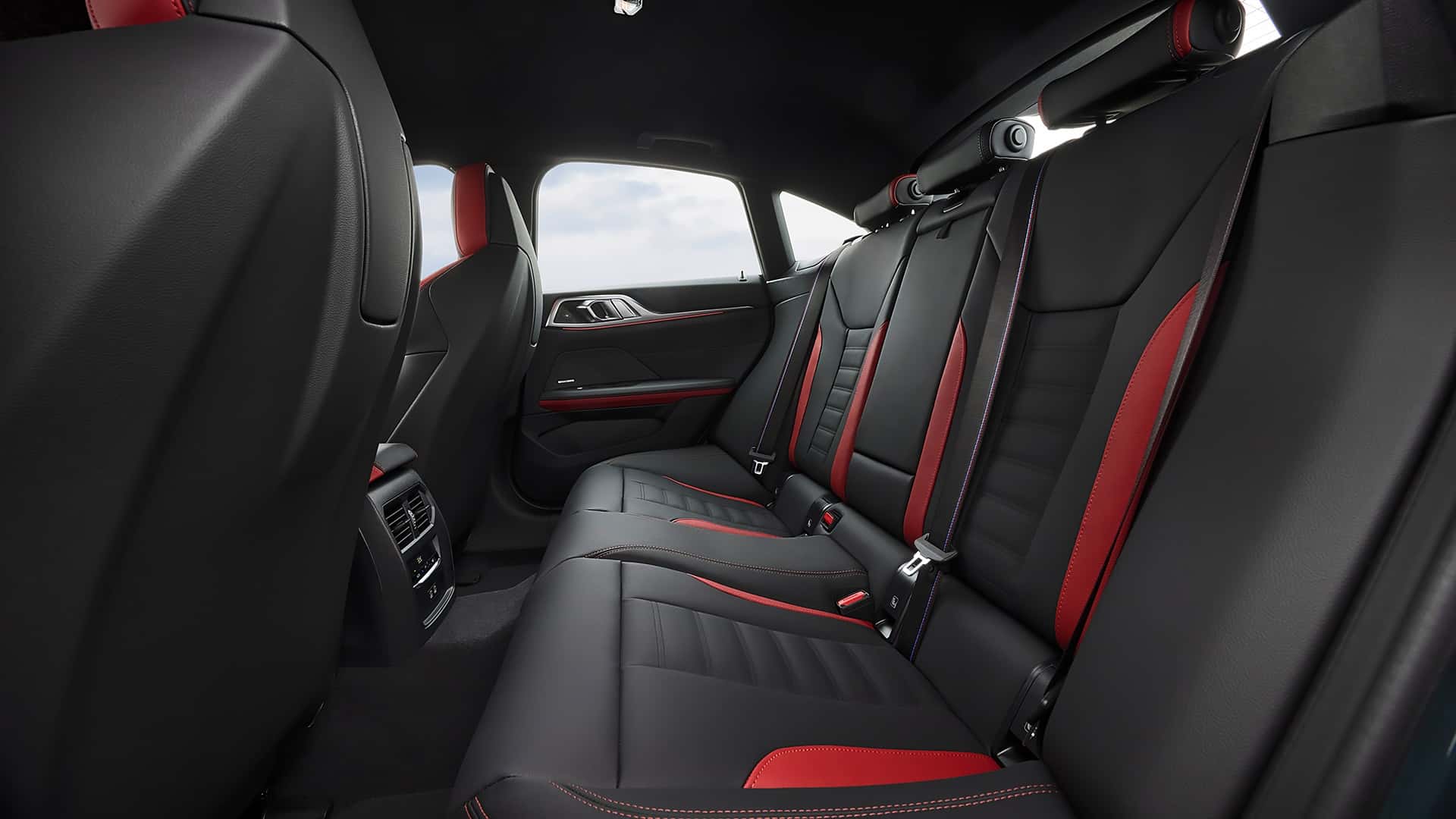
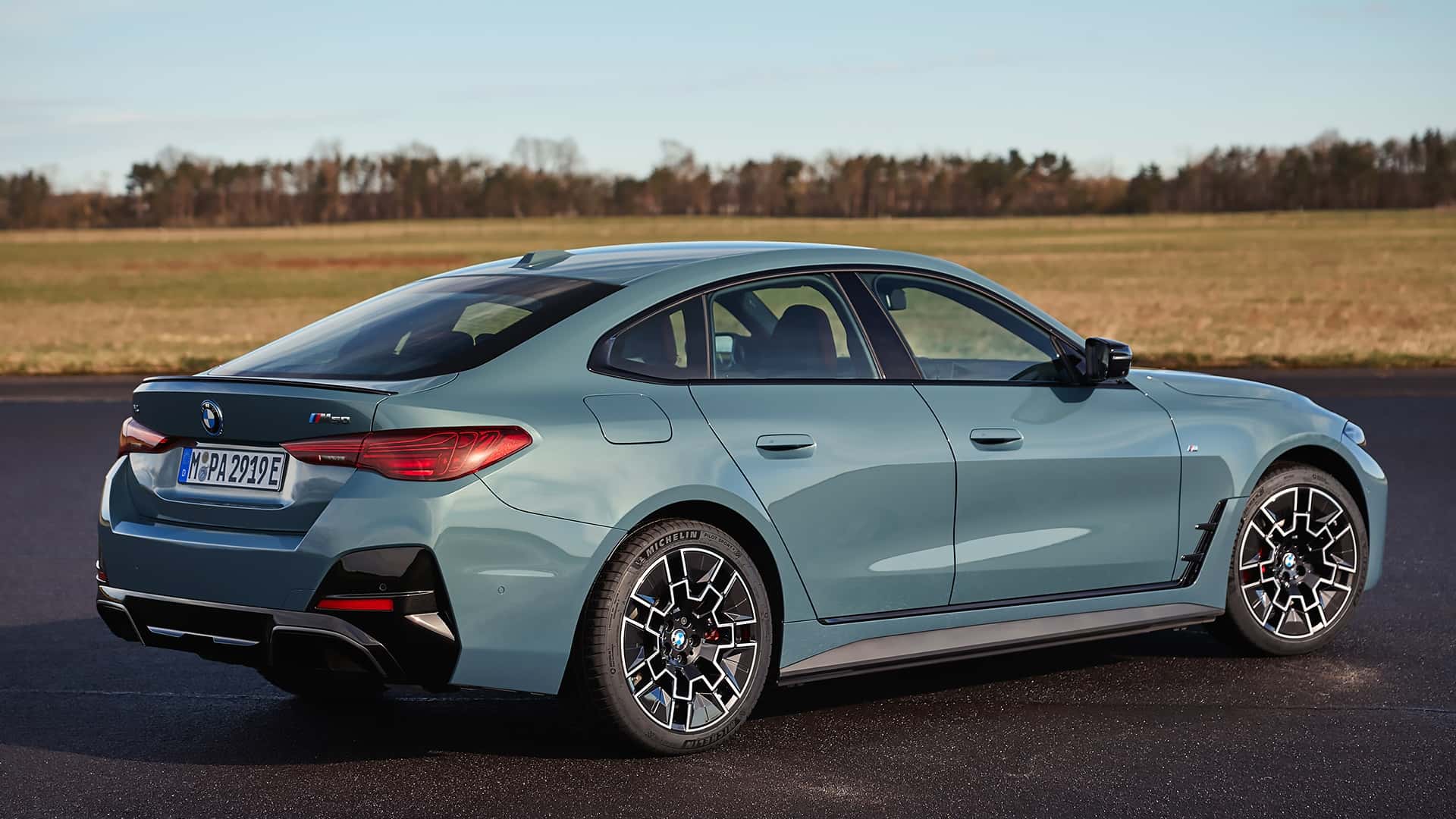
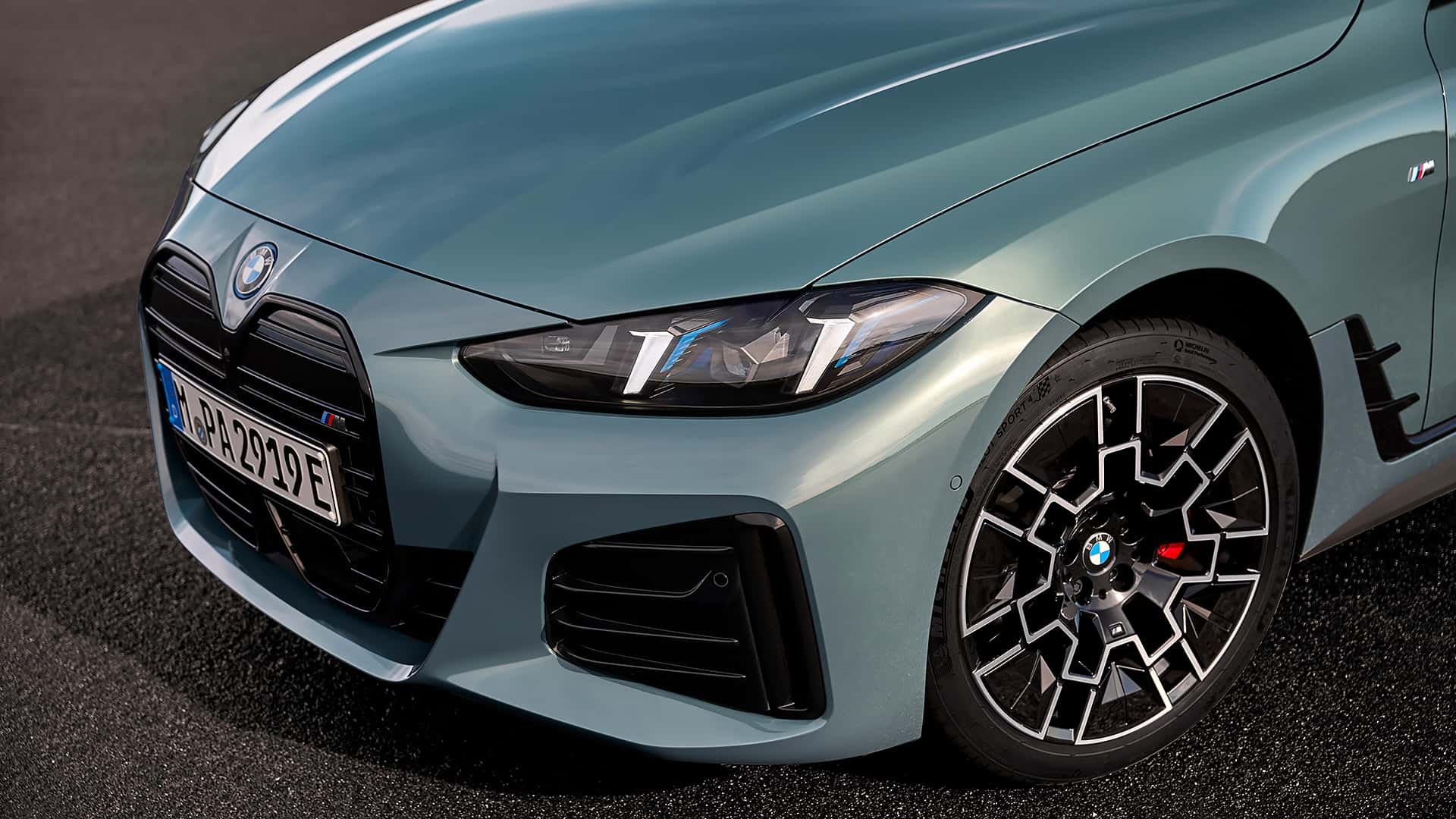
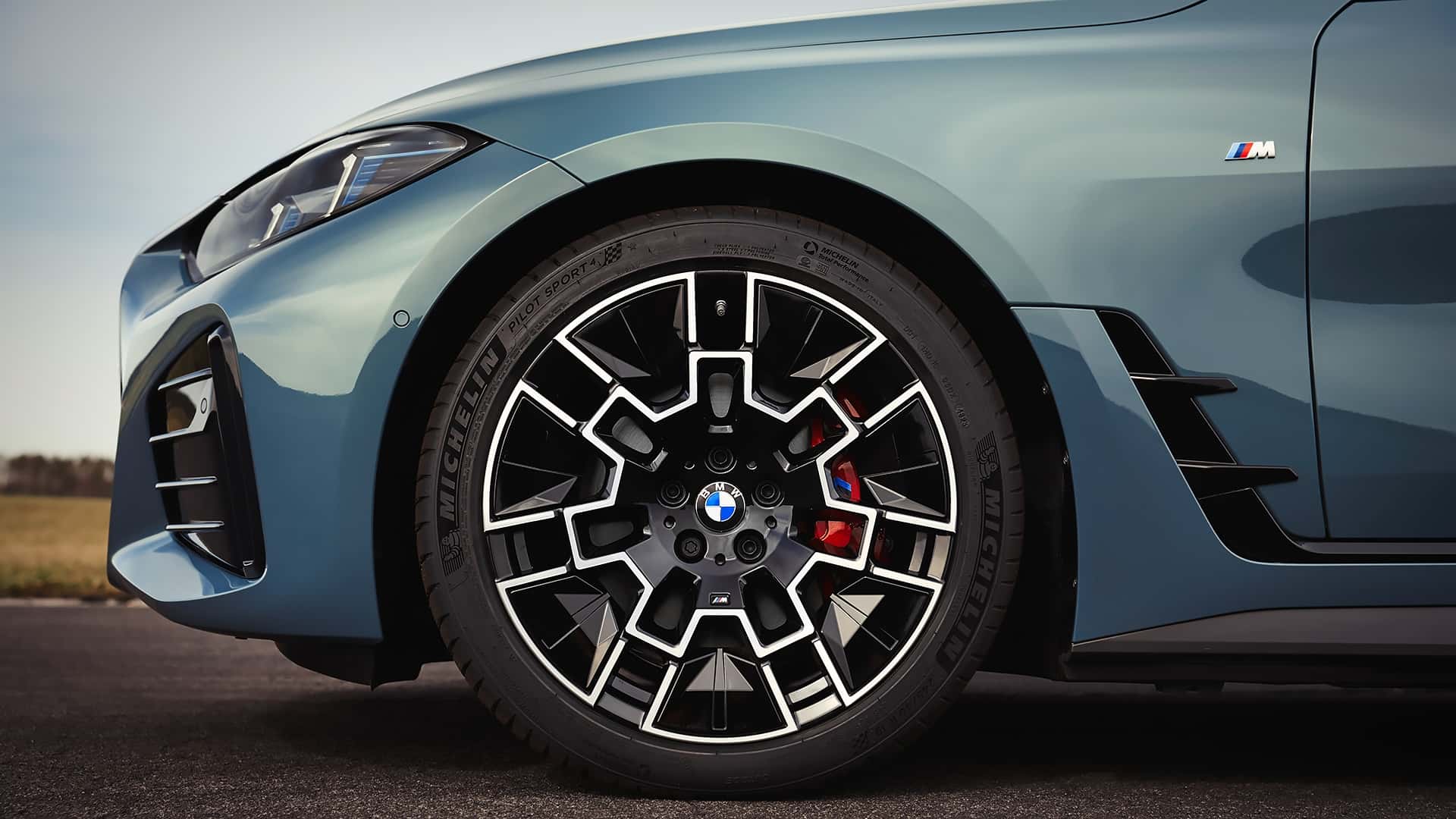
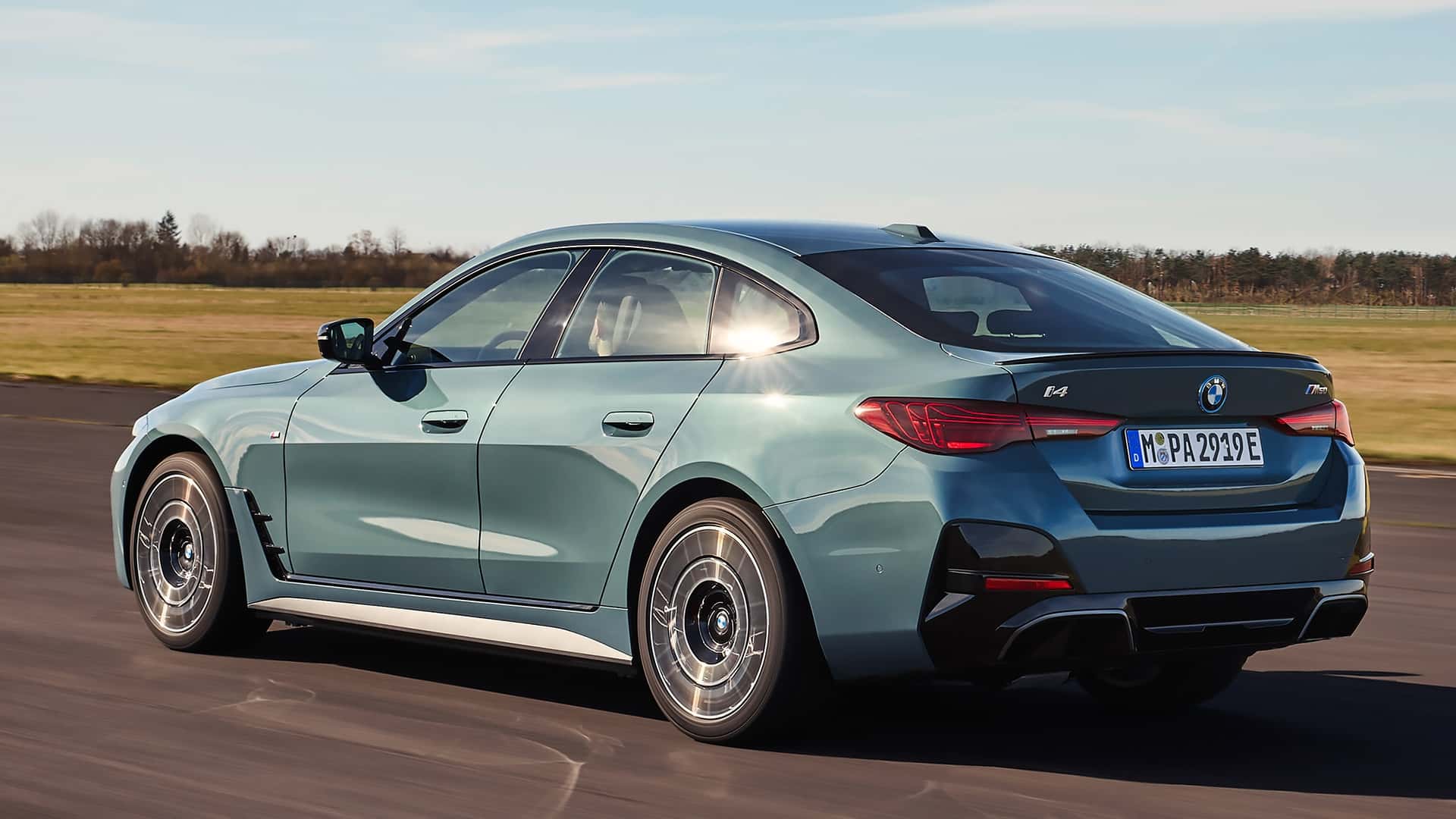
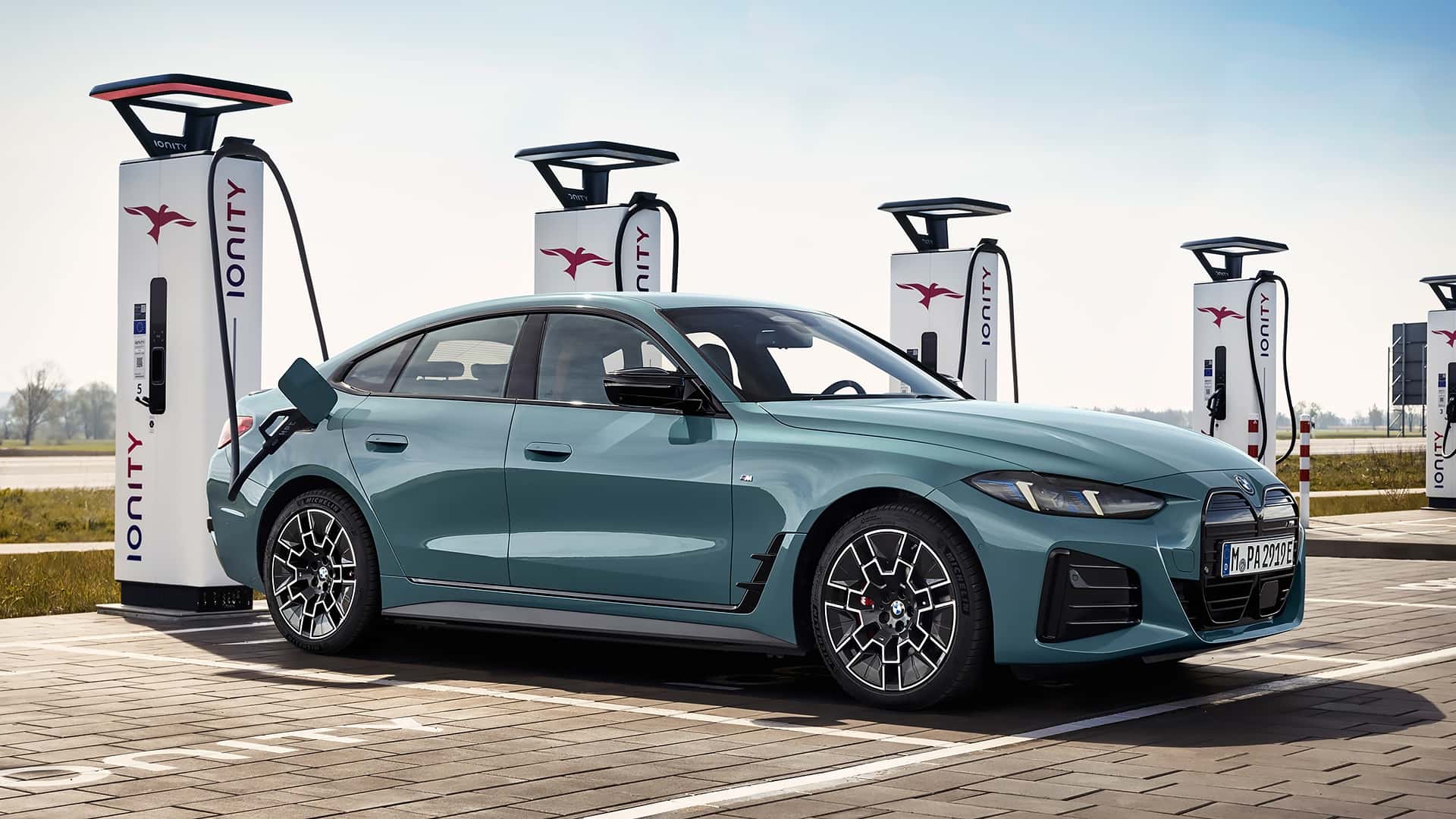
An example is the BMW i4, a model that is aesthetically appealing while utilizing advanced technologies to deliver an ideal driving experience. This model demonstrates how design and technology can go hand in hand to create an attractive product.
The integration of new materials and technologies in vehicle design is essential for creating attractive and functional cars. Manufacturers need to adapt to changing consumer expectations, which increasingly value both aesthetics and functionality.
The Role of Technology in Vehicle Design
Technology plays a crucial role in modern vehicle design. Innovations like electric propulsion systems and advanced infotainment systems are not only functional but also aesthetically pleasing. Manufacturers must ensure that these technologies are harmoniously integrated into the vehicle’s design, making them appealing both visually and practically.
For instance, the Audi Q4 35 e-tron (2024) combines sleek design with advanced technologies, making it an attractive option for consumers seeking style and functionality.

Automotive design is a dynamic field that is constantly evolving with new technologies and materials. Manufacturers need to adapt to changing consumer expectations, which increasingly value both aesthetics and functionality. The integration of new technologies in vehicle design will be crucial for creating attractive and functional cars.
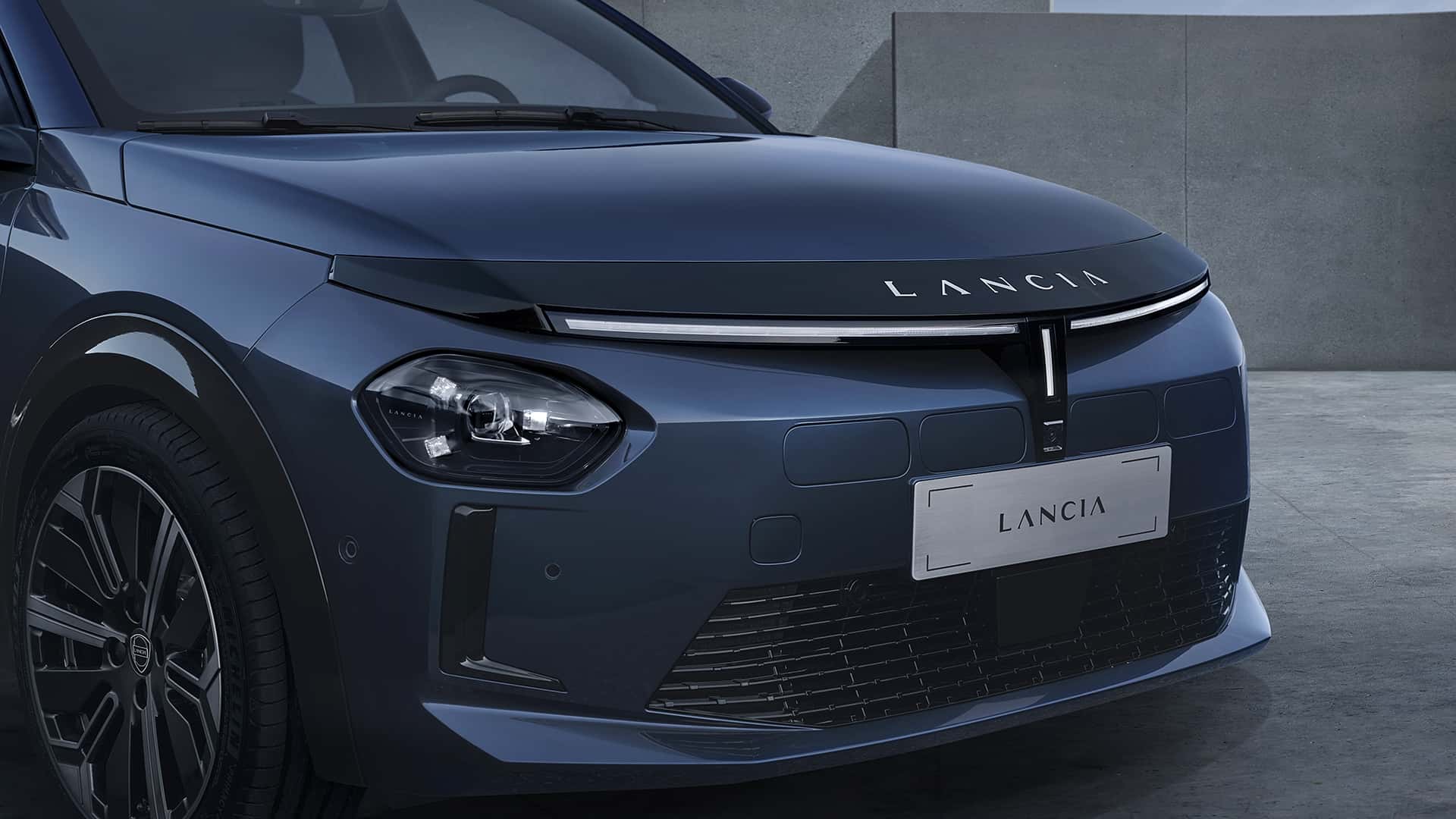
Manufacturers must also consider the impact of sustainability in design. New materials and production methods can help reduce the ecological footprint of vehicles while maintaining aesthetic appeal. This is an important aspect for consumers who increasingly value eco-friendly options.
Conclusion: The Future of Automotive Design
The future of automotive design lies in balancing aesthetics and technology. Manufacturers must continue to be innovative and adapt to changing consumer expectations. The integration of new technologies and materials in vehicle design will be crucial for creating attractive and functional cars. It is a challenge, but also an opportunity for manufacturers to stand out in a competitive market.
In the future, we are likely to see more vehicles that are both visually appealing and technologically advanced. This will benefit not only consumers but also the industry as a whole, which needs to adapt to changing market demands.

BMW 7 Series – an example of how aesthetics and technology meet in automotive design. This model demonstrates that it is possible to combine an attractive design with advanced technologies, resulting in a vehicle that is both visually and functionally appealing.