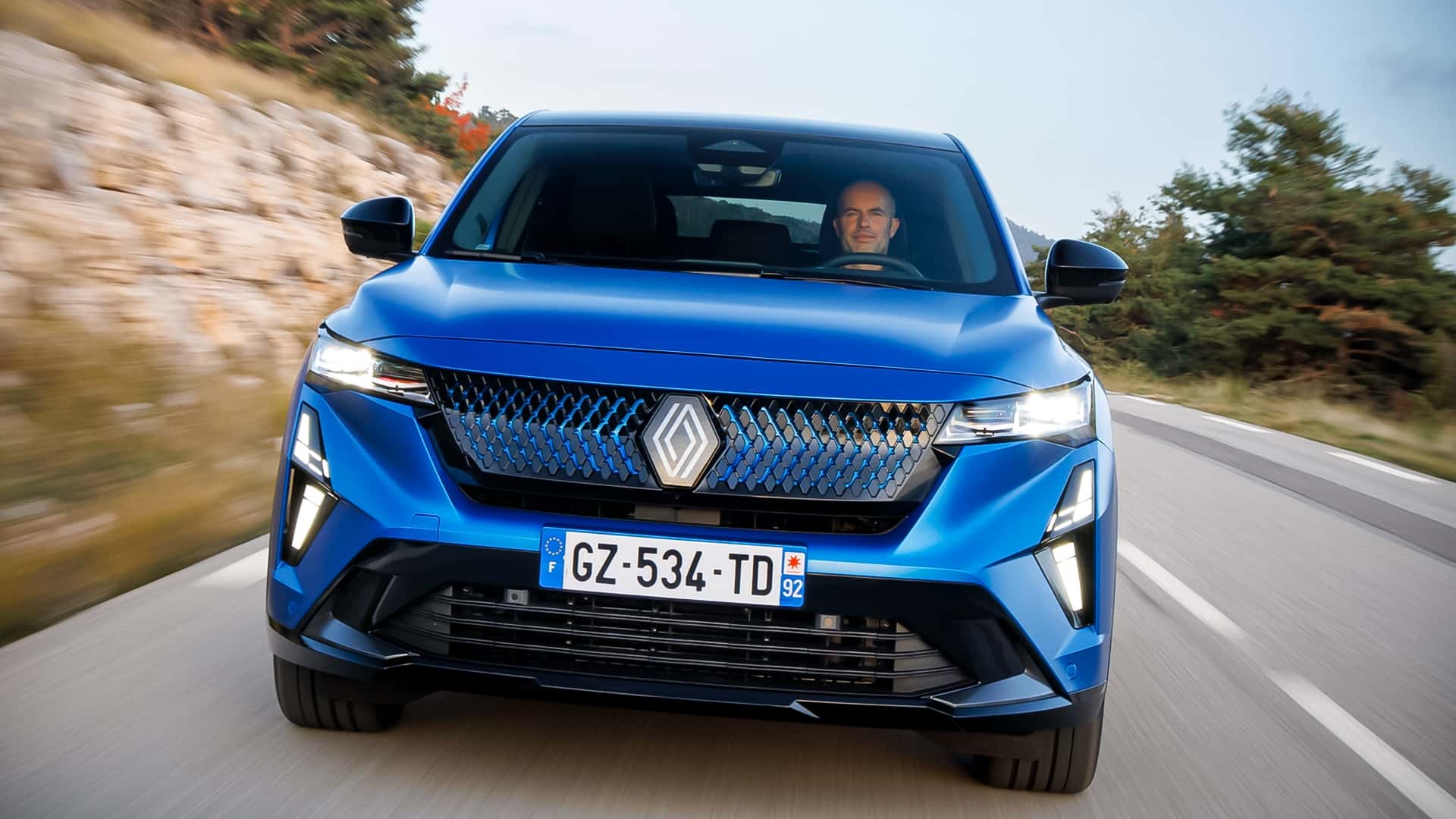
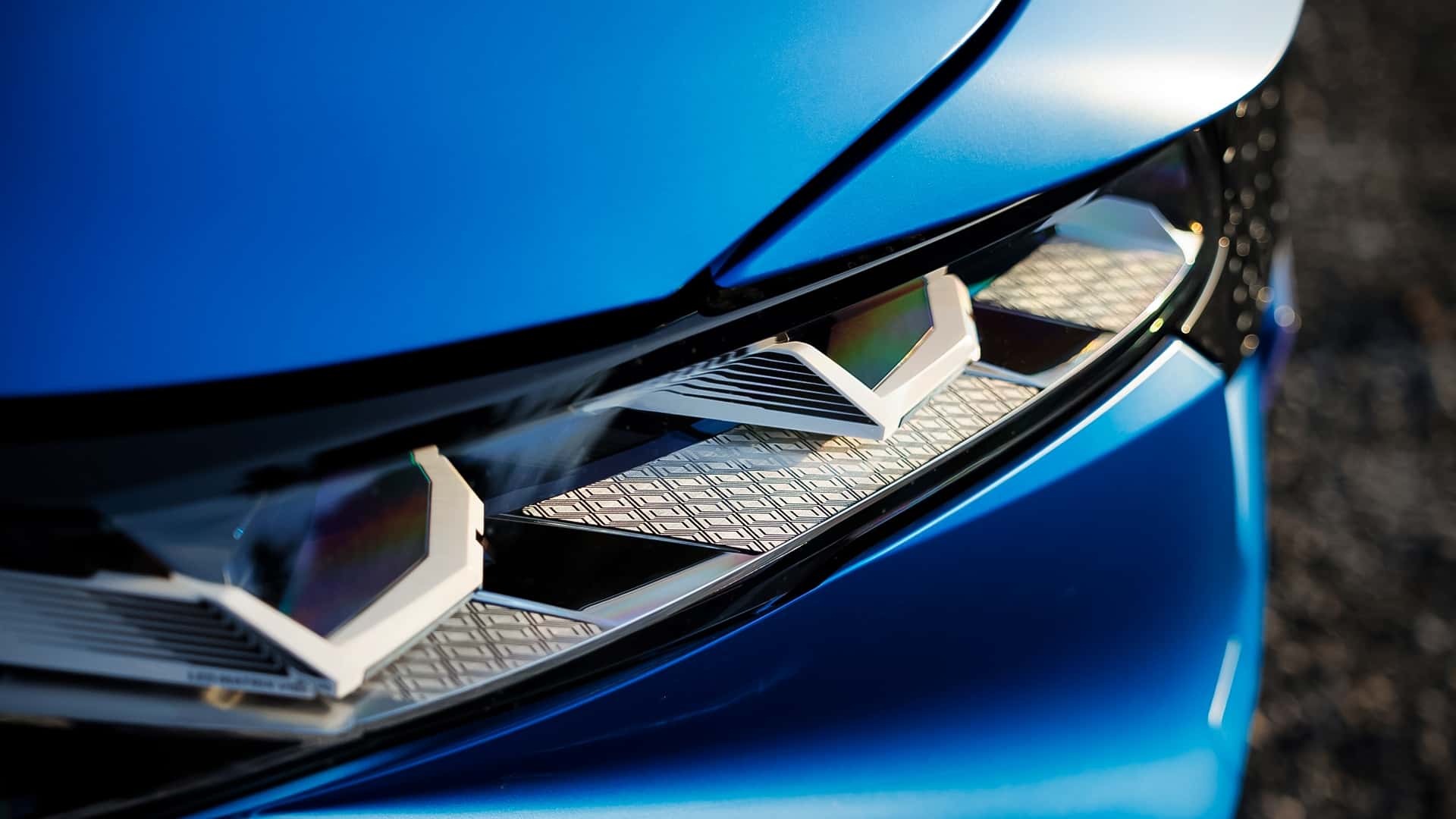
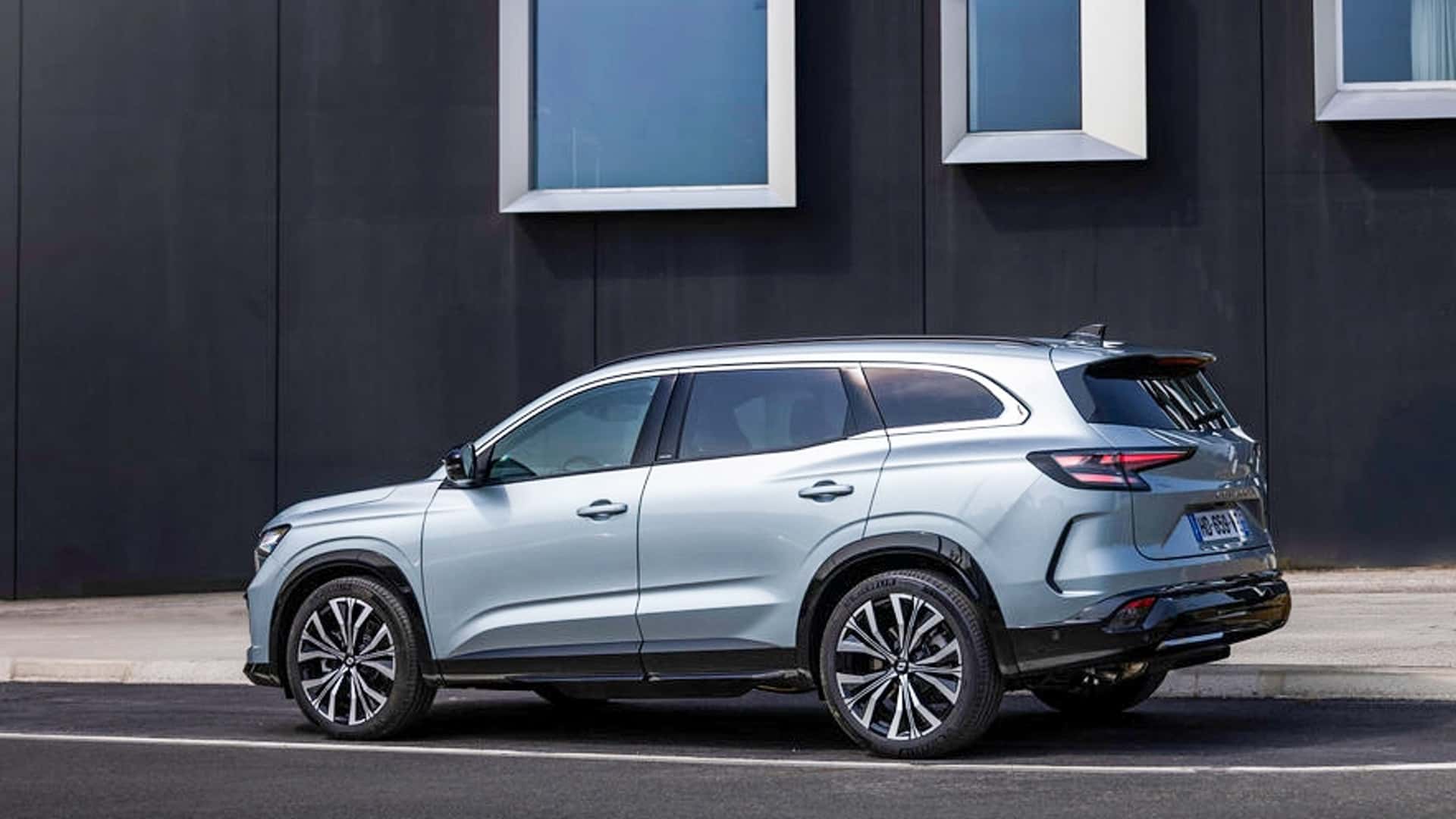
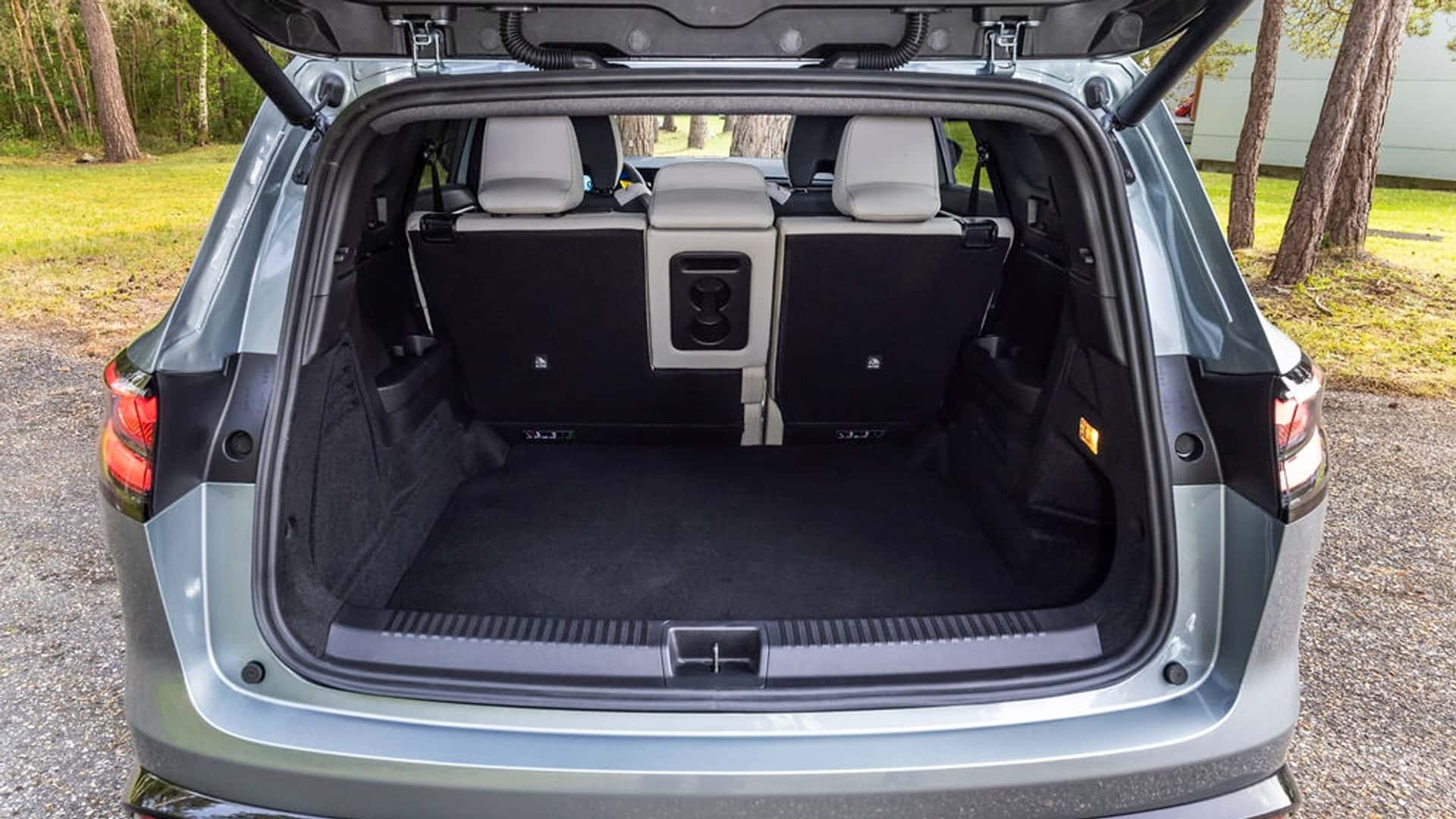
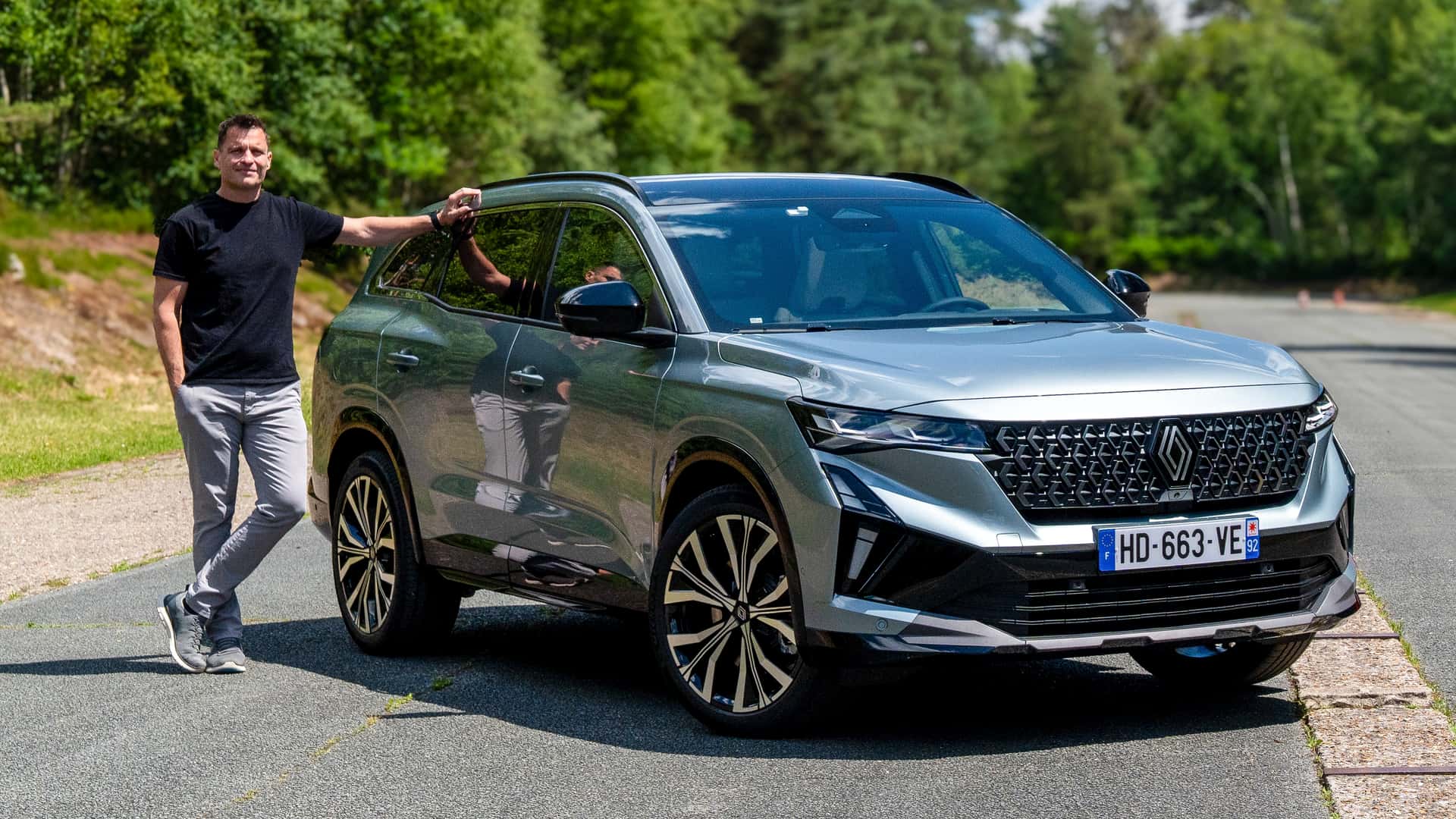
Renault is ramping up its game with significant tech upgrades for the Austral, Espace, and Rafale. As these models gain traction in a competitive SUV and MPV landscape, the automaker is focused on enhancing their appeal to meet the demands of discerning consumers.
A Strategic Move to Capture Market Share
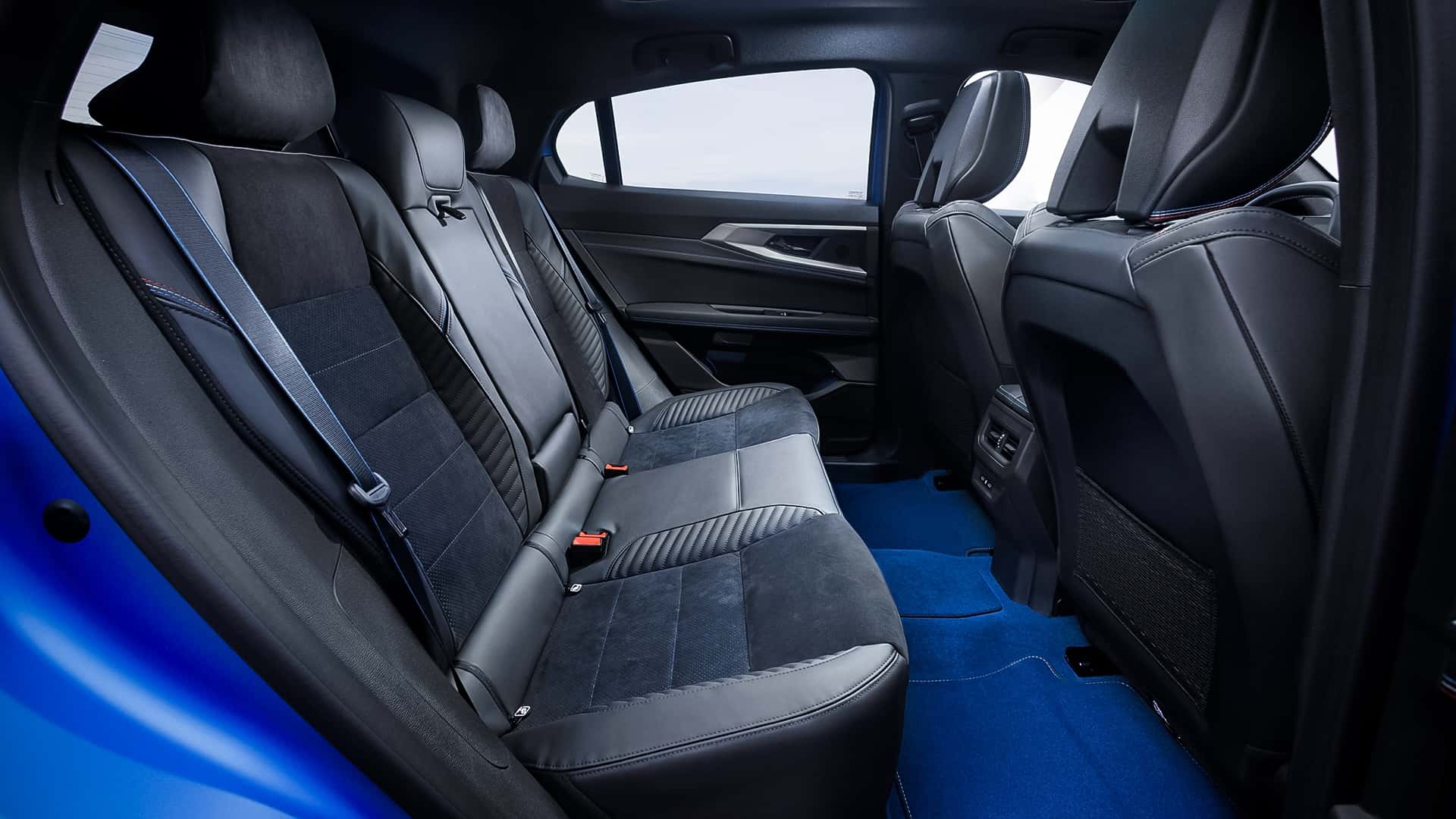
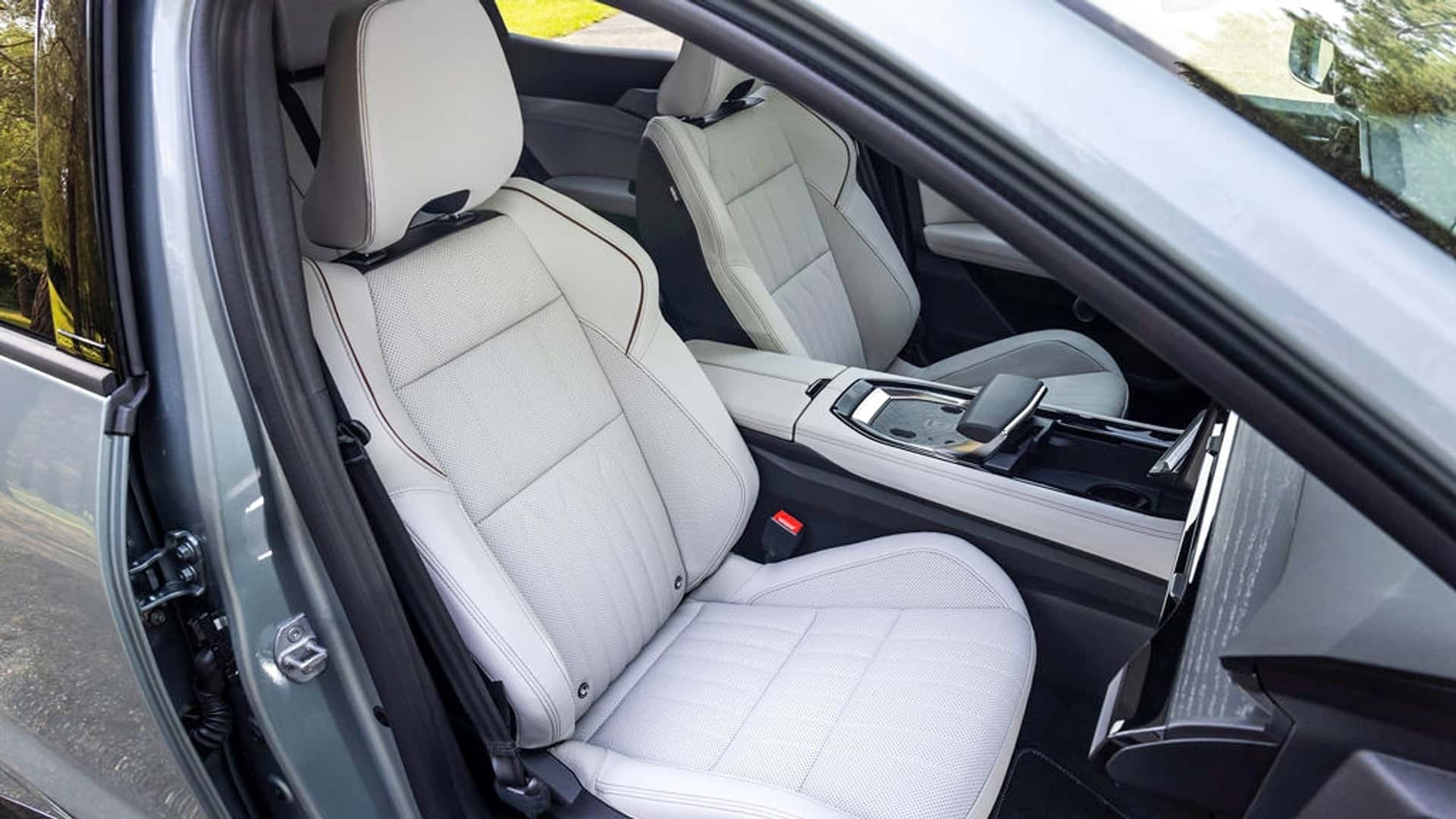
With a projected global sales target of 444,000 units by 2025, including 158,000 in France, Renault is gaining momentum in the upper segment. This represents a 7.9% increase from the previous year, showcasing a well-planned strategy. High-end versions are particularly popular, especially the Rafale, where 85% of sales come from the Esprit Alpine and Atelier Alpine trims. This trend indicates a customer preference for customization and premium features, such as the Solarbay electrochromic glass roof and the Harman Kardon HiFi audio system.
Next-Level Connectivity for Modern Drivers
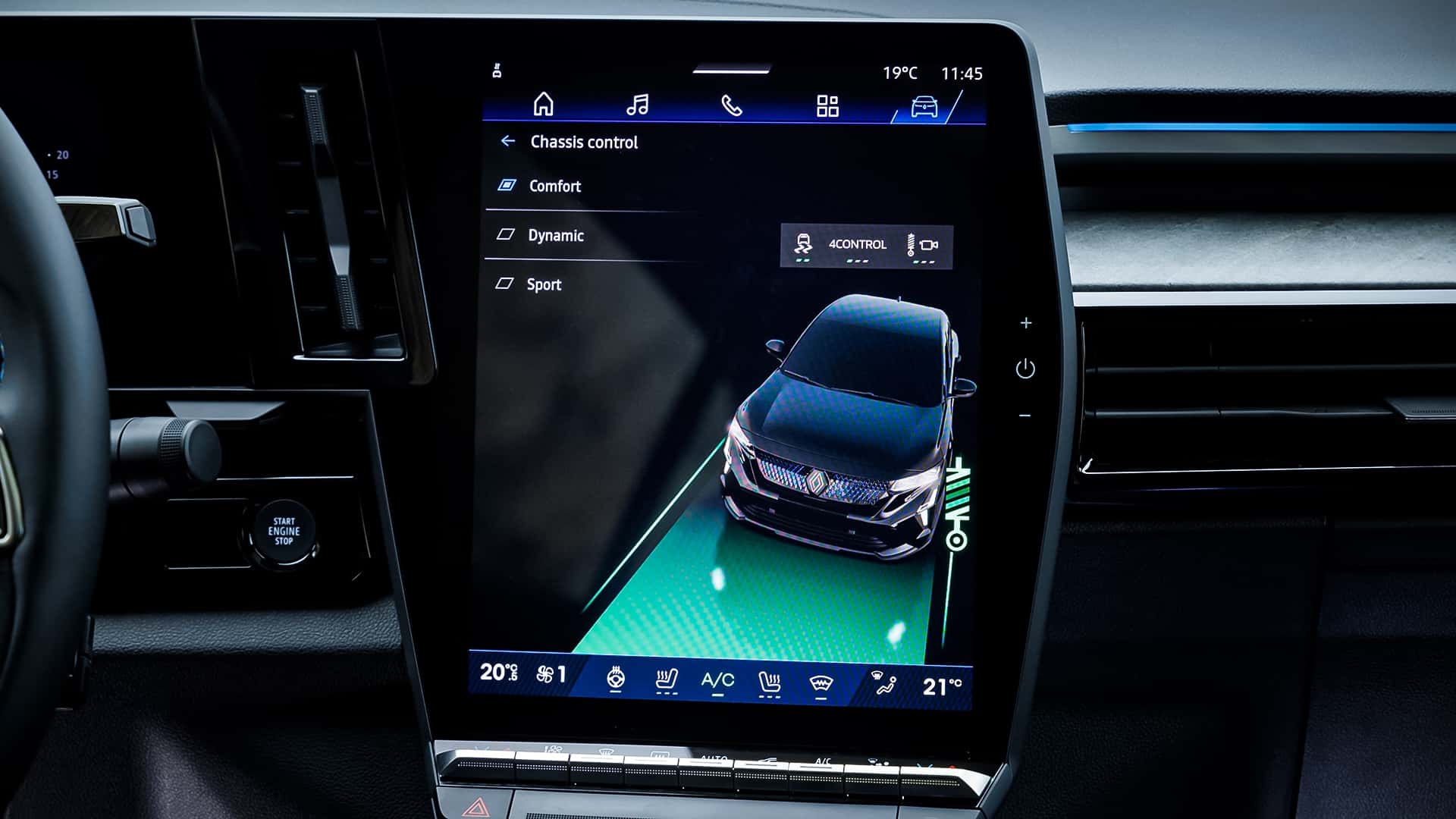
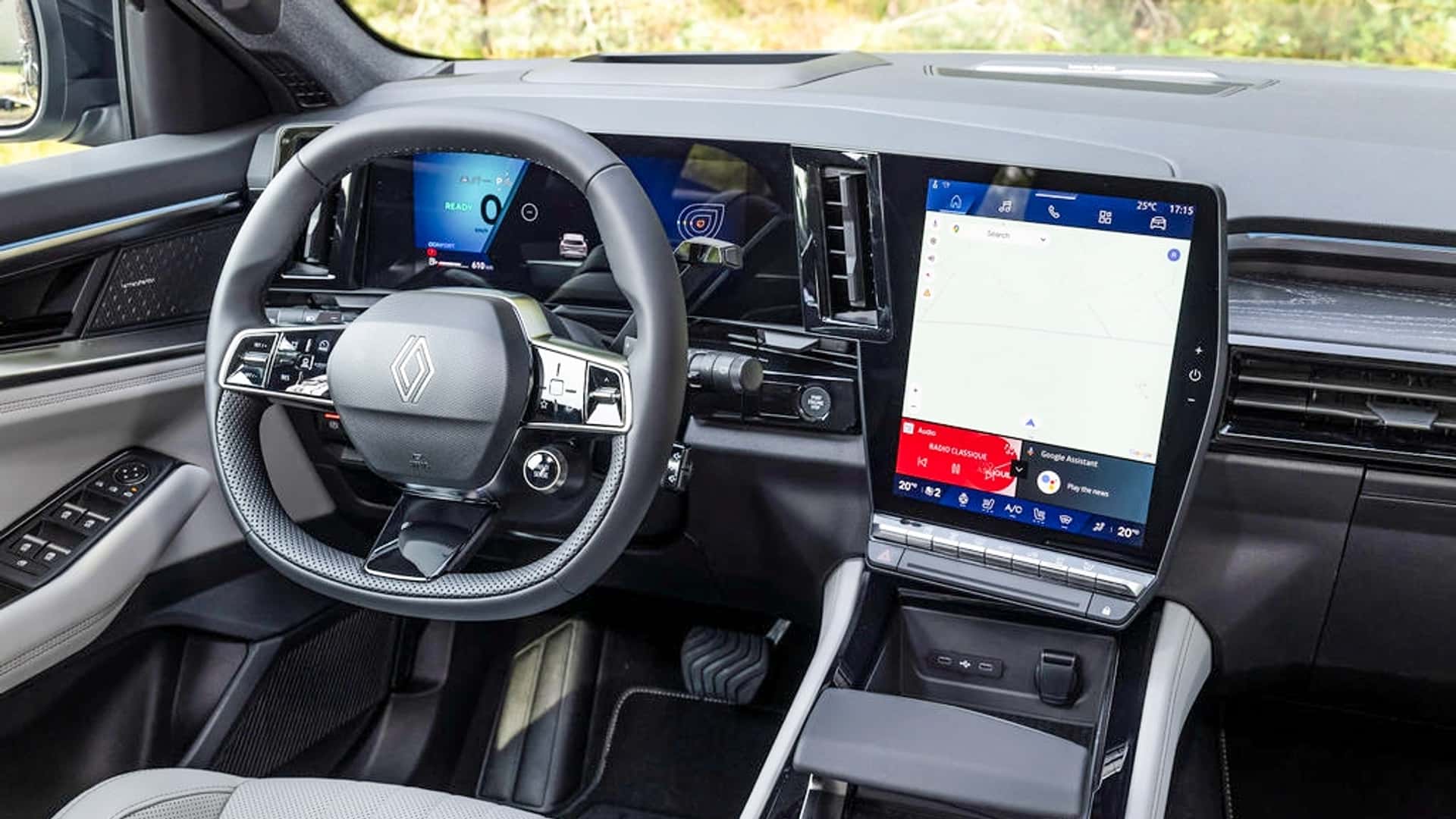
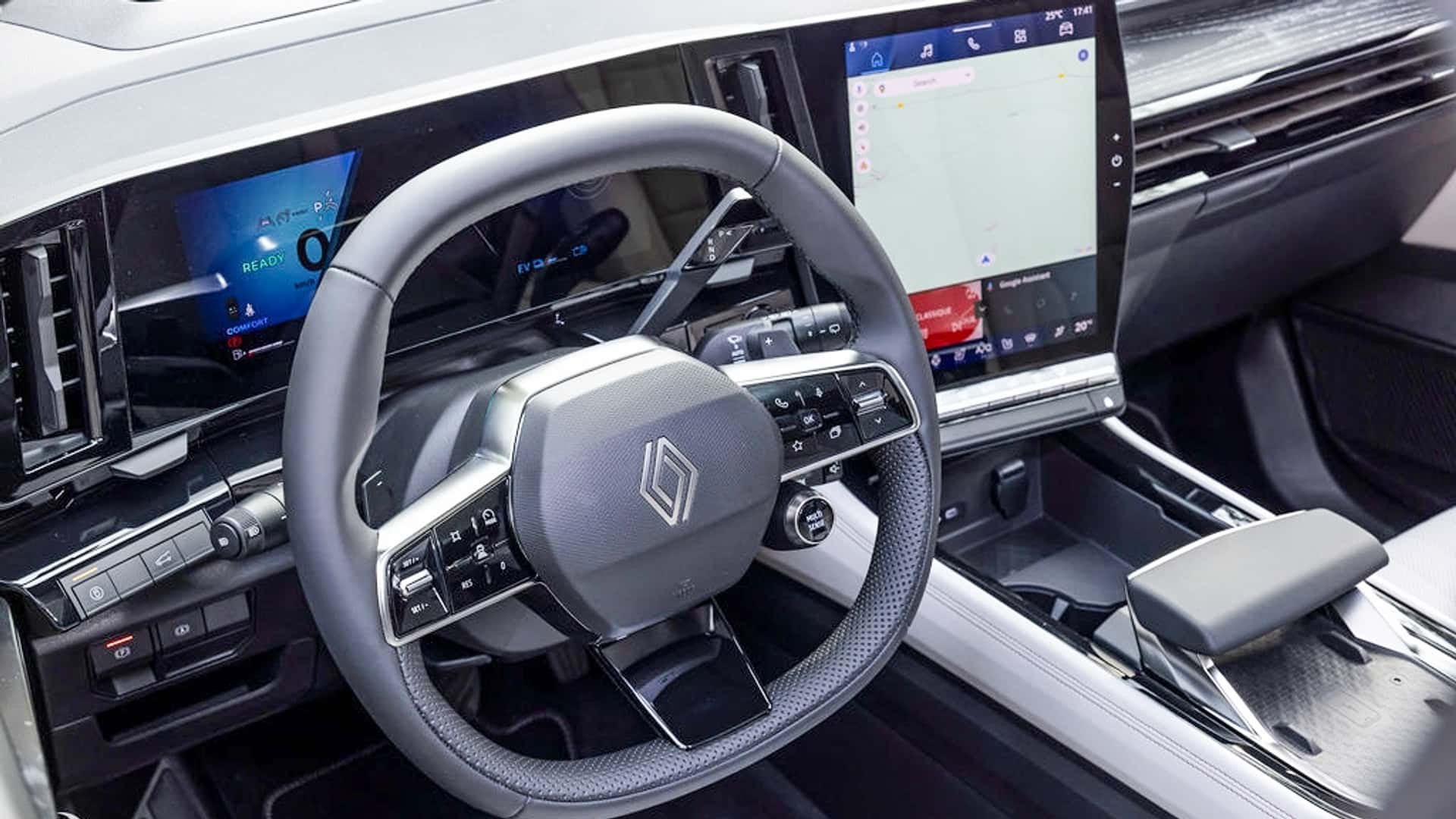
The updates go beyond aesthetics; they aim to elevate the user experience. The introduction of a Qi2 wireless smartphone charger caters to consumers who value speed and convenience. Furthermore, the inclusion of a data plan for the OpenR Link infotainment system underscores Renault’s commitment to connectivity, enabling access to a range of applications from music streaming to navigation.
Powertrains That Balance Performance and Efficiency
All three models utilize the Full Hybrid E-Tech powertrain with 200 hp, striking a balance between performance and fuel efficiency. The declared consumption figures stand at 4.8 l/100 km for the Austral and Rafale, and 5.0 l/100 km for the Espace, aligning with the growing consumer demand for efficiency. The Hyper Hybrid E-Tech 4×4 variant of the Rafale, featuring 300 hp, takes it a step further with an electric range of 105 km, catering to the increasing demand for eco-friendly vehicles.
An Enhanced Voice Assistant Experience
Replacing Google Assistant with the AI-driven Google Gemini voice assistant marks a notable advancement. This transition promises a more intuitive user experience and the capability to manage complex commands. The “Smart” mode, which automatically adjusts driving parameters, reflects Renault’s aim to anticipate driver needs. Overall, the brand is banking on innovation to solidify its reputation as a modern and connected player in the automotive market.
A Competitive Pricing Strategy
In terms of pricing, the Austral E-Tech Full Hybrid 200 starts at €39,450, while the Espace and Rafale begin at €44,000. The plug-in hybrid version of the Rafale ranges from €53,500 to €58,000, depending on the configuration. While these prices are competitive, they must deliver real added value, particularly in technology and comfort.
Key Takeaways
- Technical upgrades for the Austral, Espace, and Rafale aim to boost their market appeal.
- Focus on connectivity with practical and modern features.
- Hybrid powertrains that blend performance with fuel efficiency.
- New AI-based voice system for enhanced user interaction.
- Strategic pricing in a competitive landscape.
Conclusion:
Renault is strategically positioned to maintain its foothold in the SUV and MPV segments with these updates. The Austral, Espace, and Rafale are tailored for consumers seeking comfort, technology, and personalization. However, the competition is intense, particularly from premium brands vying for new customers. In the coming years, the challenge will be to determine if these innovations can retain this new clientele while upholding a dynamic and connected brand image.